
[Please scroll down for the English version]
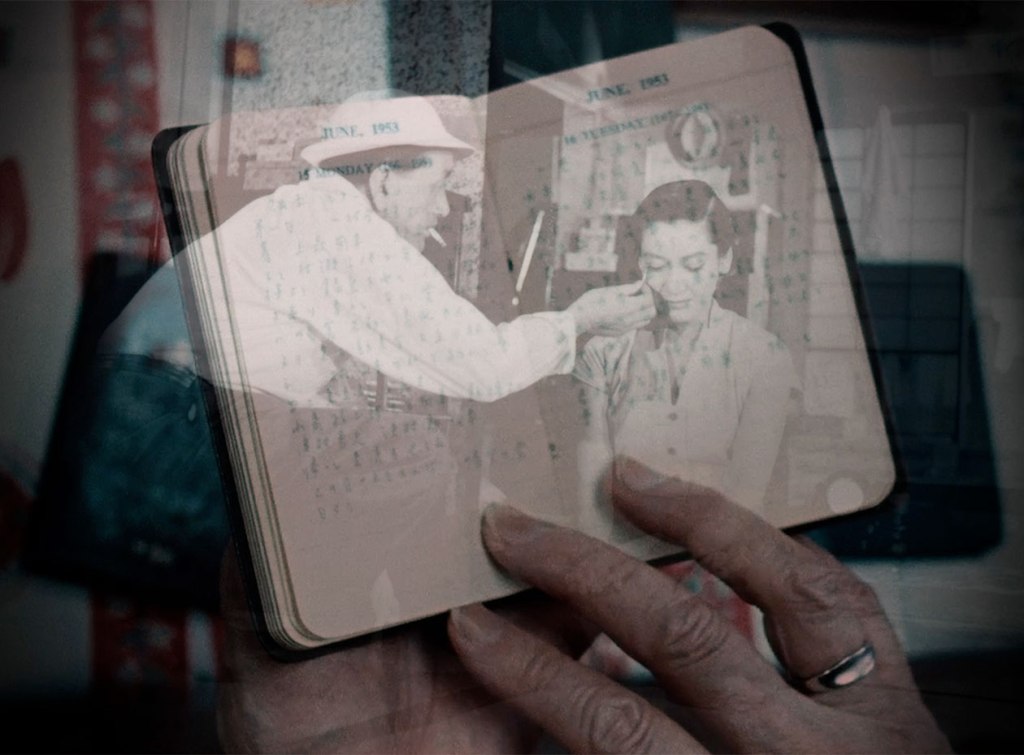
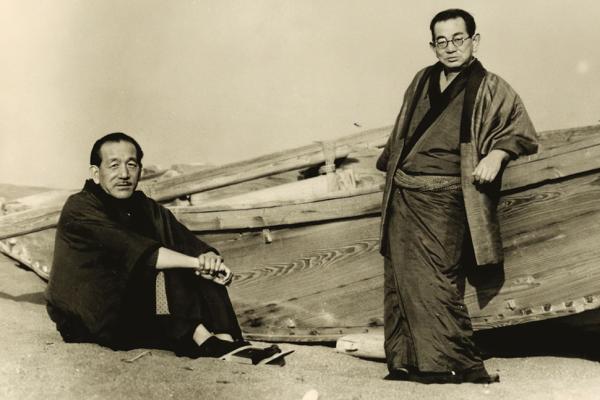
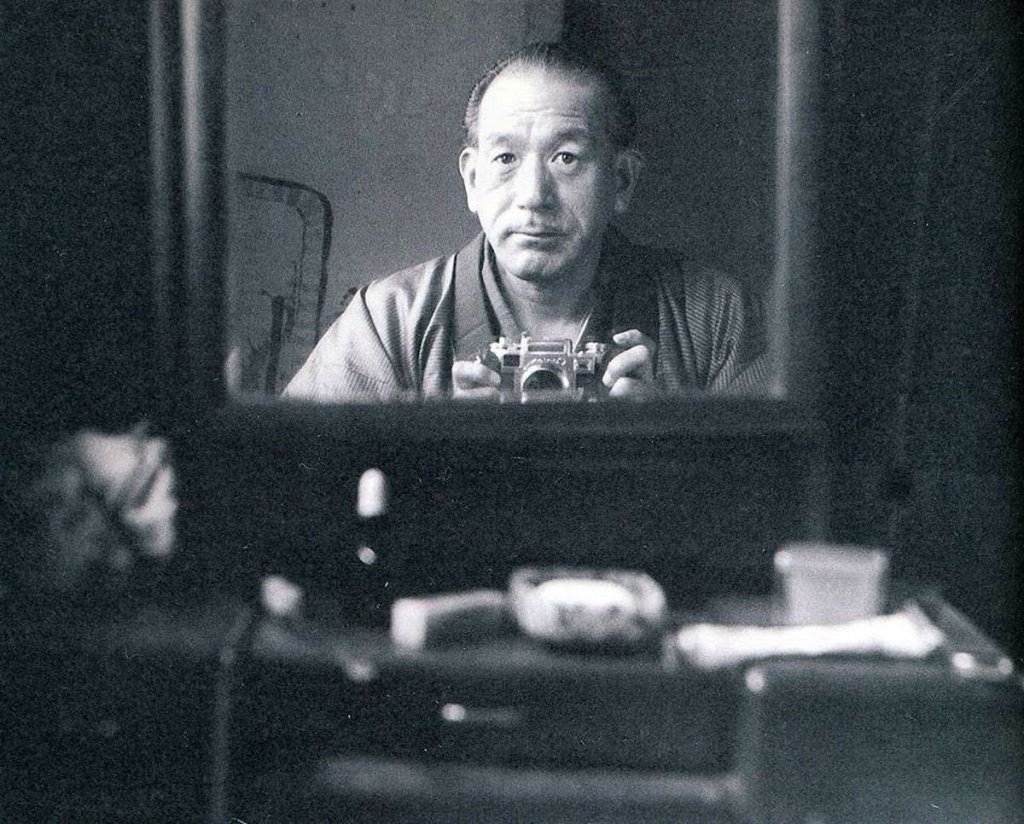
Negli anni della giovinezza Yasujirō Ozu era solito recarsi al cinema il più possibile, per annotare stili, tecniche, cercando di carpire quanto più potesse di quest’arte che lo affascinava. Ma nei suoi diari scrisse: “Troppa analisi rovina il piacere del film”.
Ed è proprio con mente scevra da atteggiamento analitico che andrebbe goduta la visione di The Ozu Diaries, un film che ci riempie gli occhi di meraviglia e avvicina il pubblico a un regista ancora troppo poco conosciuto.
Con un approccio nuovo e un lavoro di straordinaria meticolosità, Daniel Raim riduce in un baleno le distanze e ci conduce “dentro” la vita di Ozu, tra le immagini di un cinema che proprio da quella vita è germogliato. Un’esistenza trascorsa “dipingendo la stessa rosa”, studiando di volta in volta nuovi colori e nuove sfumature.
Attingendo a una preziosa raccolta di materiali d’archivio (diari, quaderni, corrispondenza, fotografie, interviste e filmati amatoriali inediti), Raim racconta “Ozu attraverso Ozu”, portando alla luce le segrete corrispondenze tra cinema e vicende biografiche. Il maestro giapponese rivive nel legame tra parola e immagine, ed è come se fossimo direttamente coinvolti in un intimo colloquio. Se Ozu riusciva a creare con lo spettatore un rapporto molto intimo lasciando che la linea dello sguardo dei personaggi incrociasse direttamente i nostri occhi, Raim aspira a quel medesimo senso di intimità mantenendo viva la conversazione tra pubblico e immagini sullo schermo: le sequenze scorrono come “corporea illustrazione” del dato esperienziale e si illuminano d’una luce nuova.
Il percorso a ritroso nella vita di Ozu, la ricerca accurata e paziente, l’accostamento di momenti ed emozioni fanno di The Ozu Diaries un vero lavoro d’amore, fedele all’affermazione di Godard secondo cui “il montaggio è la resurrezione della vita”.
I film di Ozu, diversi da tutti gli altri per regia, struttura narrativa, composizione, catturano qualcosa di fondamentale riguardo all’essere umano; il documentario di Raim porta alla luce la radice di questa universalità.
Tra i vari registi intervistati, Kiyoshi Kurosawa spiega in modo particolarmente illuminante il potere del cinema di Ozu: “La maggior parte delle persone, guardando i suoi film per la prima volta, sente che tutto scorre naturale; sembra reale a prima vista, ma c’è qualcosa di stranamente irreale, celato. È come se intravedessimo il segreto stesso del cinema.”
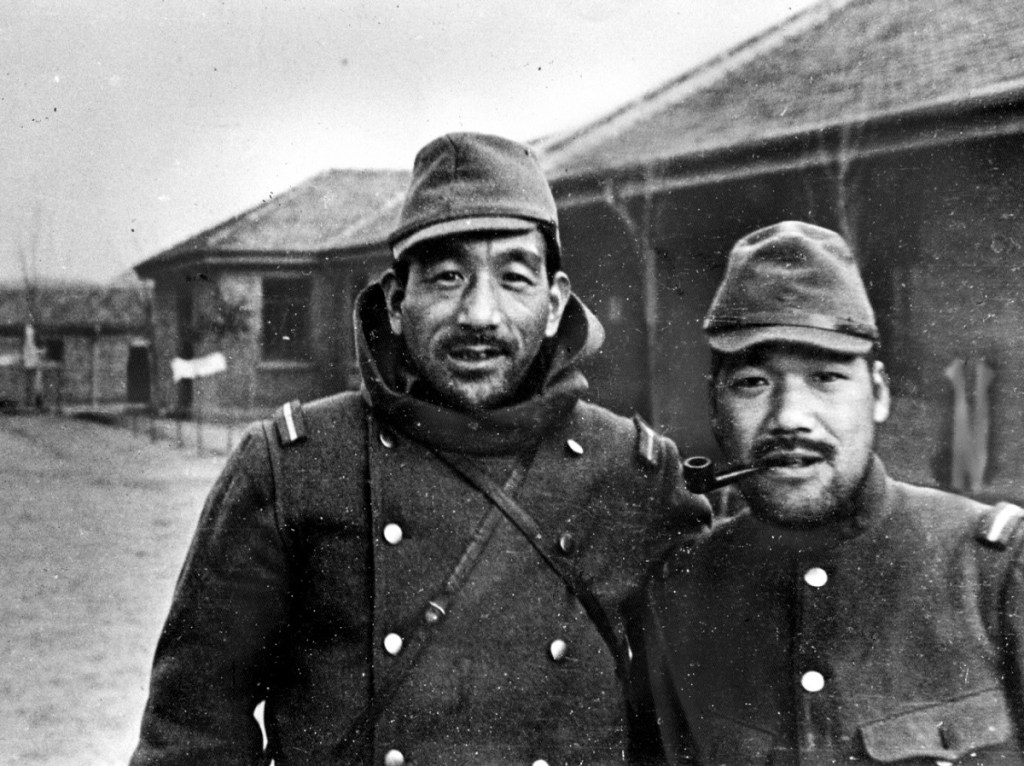
Ozu componeva, sottraeva, vivendo d’amore per il cinema; il film di Raim compie una ricerca altrettanto rigorosa e devota. The Ozu Diaries non tradisce l’esigenza di “verità” propria del regista, ma anzi la adotta come metodo di lavoro. Scopriamo, ad esempio, che That Night’s Wife mette in scena la meningite di Ozu e la forza di sua madre, rievocata nel personaggio di Emiko Yagumo; o che le numerose sequenze di treni rievocano il trasferimento da Tokyo a Matsusaka; mentre l’impressionante realismo della morte di Chishū Ryū in There was a father si intreccia con la morte del suo vero padre. C’è poi lo squarcio sulla realtà della guerra, la morte dell’amico Sadao Yamanaka e la successiva esigenza di rimuovere le cicatrici del conflitto volgendosi a storie di vita quotidiana, al fiore di loto nato dal fango. La vita fugge; e comprendiamo, attraverso The Ozu Diaries, quella visione di evanescenza di tutte le cose che percorre il cinema di Ozu con il suo luccichio malinconico e transitorio.
Il film ci regala anche un Ozu meno conosciuto: il giovane ribelle, il regista attratto da Hollywood (che riproduce le gag di Harold Lloyd in Days of Youth) il raffinato dandy in abiti di lusso (“lo stile non dovrebbe attirare attenzione, ma sfortunatamente io ce l’ho”), l’amante del piacere e delle donne. Kinuyo Tanaka, sua attrice in ben dieci film, lo ricorda così: “I registi tendono a innamorarsi delle loro interpreti e dobbiamo stare molto attente a non fraintendere. Io ero veramente convinta che mi amasse ed ero pronta a sposarlo. Ma è durata solo per il periodo delle riprese; una volta terminate, terminò anche il resto.”
© Riproduzione riservata
[in Italia i diari di Ozu sono stati pubblicati nel volume Yasujirō Ozu. Scritti sul cinema. A cura di Franco Picollo e Hiromi Yagi. Prefazione di Dario Tomasi. Donzelli 2016]
English Version
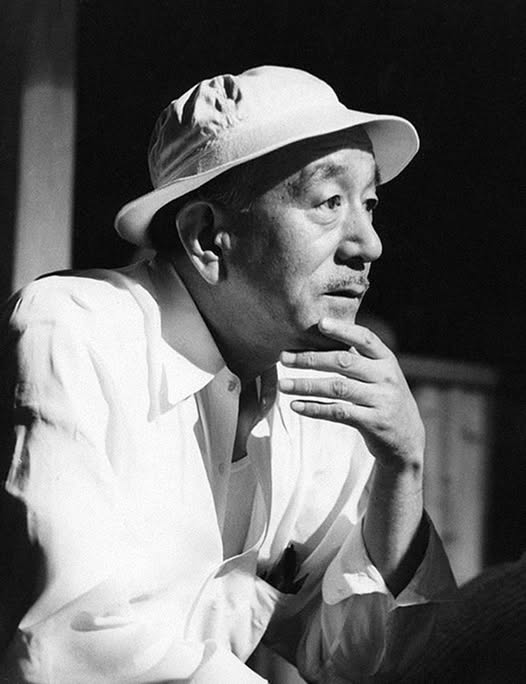
In his youth, Yasujiro Ozu used to go to the cinema as often as possible, taking notes on styles and techniques, trying to grasp as much as he could of the art that fascinated him. Yet in his diaries he wrote: “Too much analysis spoils the pleasure of the film.”
And it is precisely with a mind free from analytical attitudes that one should enjoy The Ozu Diaries, a film that fills our eyes with wonder and brings audiences closer to a director still too little known.
With a fresh approach and extraordinary meticulousness, Daniel Raim leads us “inside” Ozu’s life, among the images of a cinema that blossomed precisely from that life. An existence spent “painting the same rose”, each time studying new colors and shades.
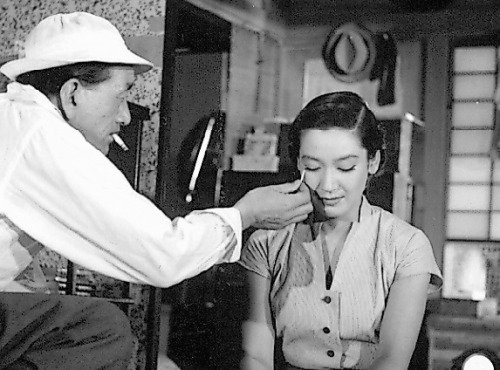
Drawing on a precious collection of archival materials (diaries, notebooks, correspondence, photographs, interviews, and previously unseen home footage), Raim tells “Ozu through Ozu,” revealing the hidden correspondences between cinema and biography. The Japanese master comes alive in the bond between word and image, and it feels as though we are directly engaged in an intimate conversation. If Ozu managed to create with the viewer a deeply personal relationship—allowing the gaze of his characters to meet our own—Raim aspires to that same intimacy, keeping the dialogue between audience and images alive: the sequences flow as a “corporeal illustration” of experience itself and shine with a new light.
The backward journey through Ozu’s life, the careful and patient research, the pairing of moments and emotions make The Ozu Diaries a true labor of love, faithful to Godard’s statement that “editing is the resurrection of life.”
Ozu’s films—unique in direction, narrative structure, and composition—capture something essential about being human; Raim’s documentary unveils the roots of this universality.
Among the various directors interviewed, Kiyoshi Kurosawa explains in a particularly illuminating way the power of Ozu’s cinema: “Most people, watching his films for the first time, feel that everything flows naturally; it seems real at first glance, but there is something strangely unreal, hidden. It is as if we were glimpsing the very secret of cinema.”
Ozu composed and subtracted, living out of love for cinema; Raim’s film undertakes a quest just as rigorous and devoted. The Ozu Diaries does not betray the director’s own need for “truth,” but rather adopts it as a working method. We discover, for instance, that That Night’s wife stages Ozu’s meningitis and his mother’s strength, evoked through the character of Emiko Yagumo; or that the many train sequences recall his move from Tokyo to Matsusaka; and that the striking realism of Chishū Ryū’s death in There Was a Father intertwines with the death of Ozu’s own father. Then comes the glimpse of wartime reality, the death of his friend Sadao Yamanaka, and the subsequent need to erase the scars of conflict by turning to stories of everyday life—the lotus flower born from the mud. Life slips away; and through The Ozu Diaries, we grasp that vision of transience pervading Ozu’s cinema with its melancholy, shimmering impermanence.
The film also reveals a lesser-known Ozu: the young rebel, the director fascinated by Hollywood (who recreated Harold Lloyd’s gags in Days of Youth), the refined dandy in luxurious clothes—“style should not draw attention, but unfortunately I have it”—the lover of pleasure and of women.
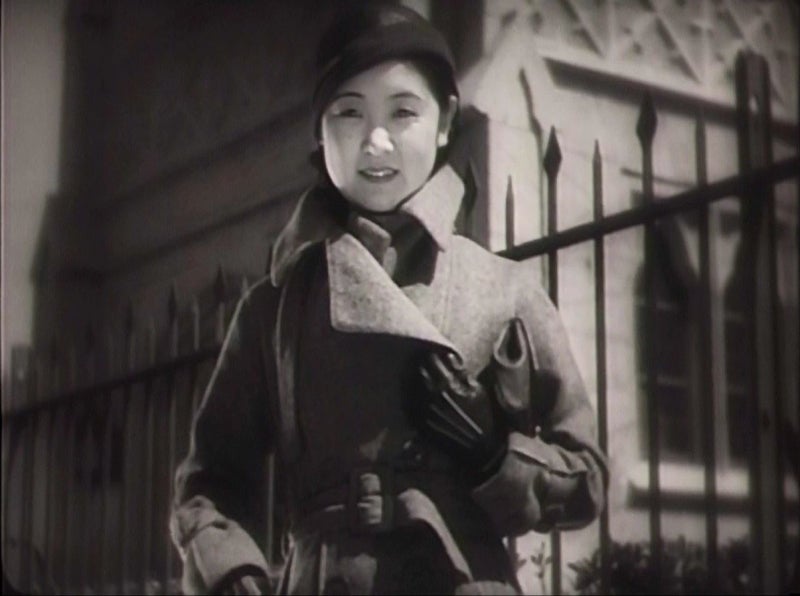
Kinuyo Tanaka, his actress in ten films, recalls him with these words: “Directors tend to fall in love with their actresses, and we must be very careful not to misunderstand. I was truly convinced he loved me and was ready to marry him. But it lasted only for the duration of the shoot; once filming ended, so did everything else.”




 Nubi Fluttuanti
Lascia un commento