
[Please scroll down for the english version]
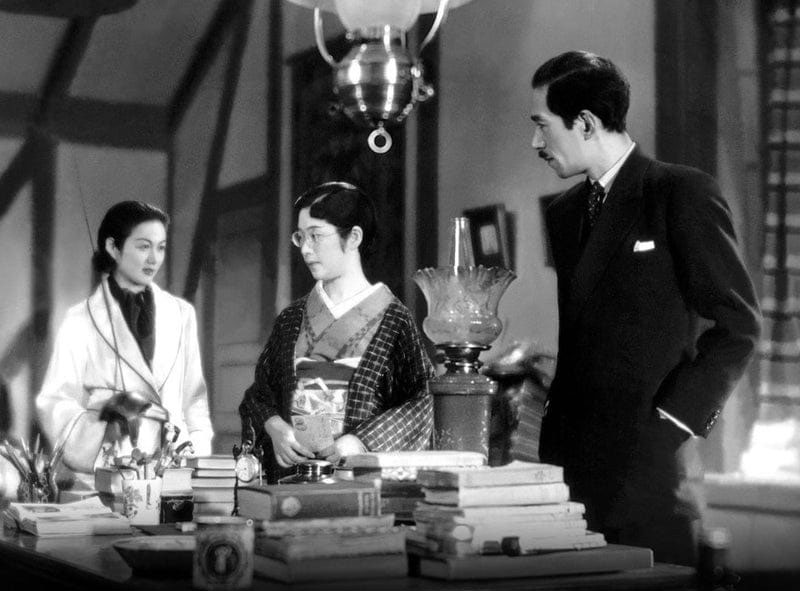
Komiya, gentile professore di medicina dell’università di Tokyo, è sposato con la severa e tradizionalista Tokiko. La visita di Setsuko, giovane e libera nipote di Osaka, mette in crisi l’autorità di Tokiko e scuote le fondamenta del matrimonio, che uscirà corroborato da questo confronto con la modernità incarnata dalla ragazza.
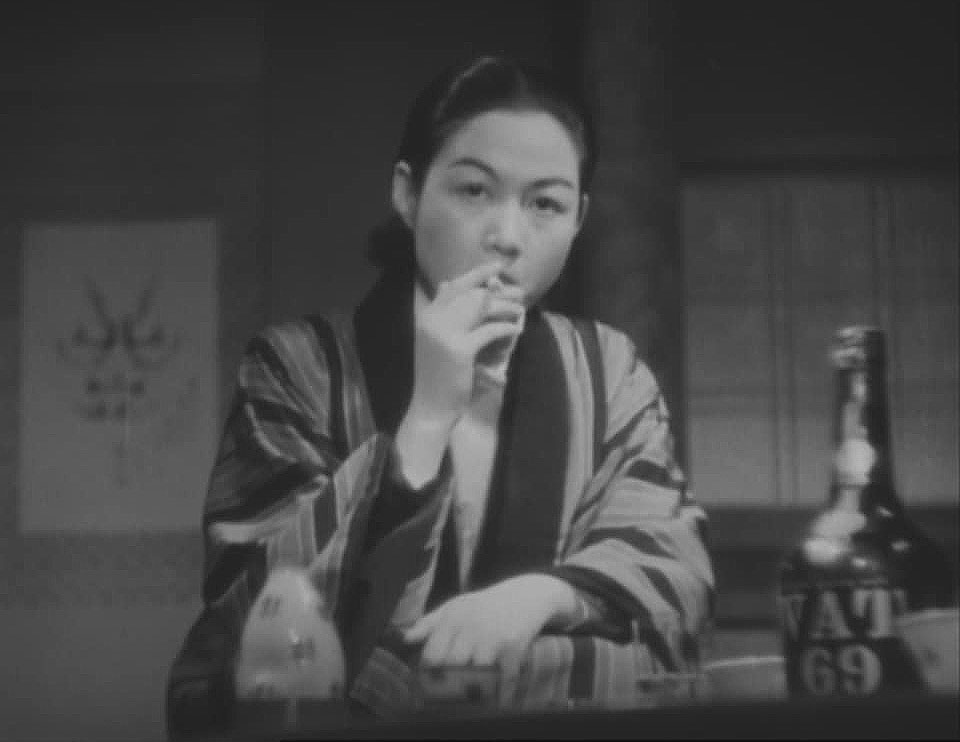
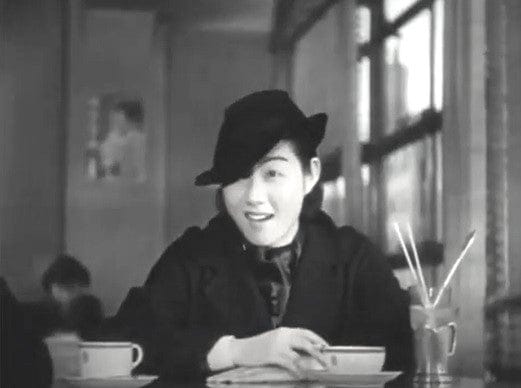
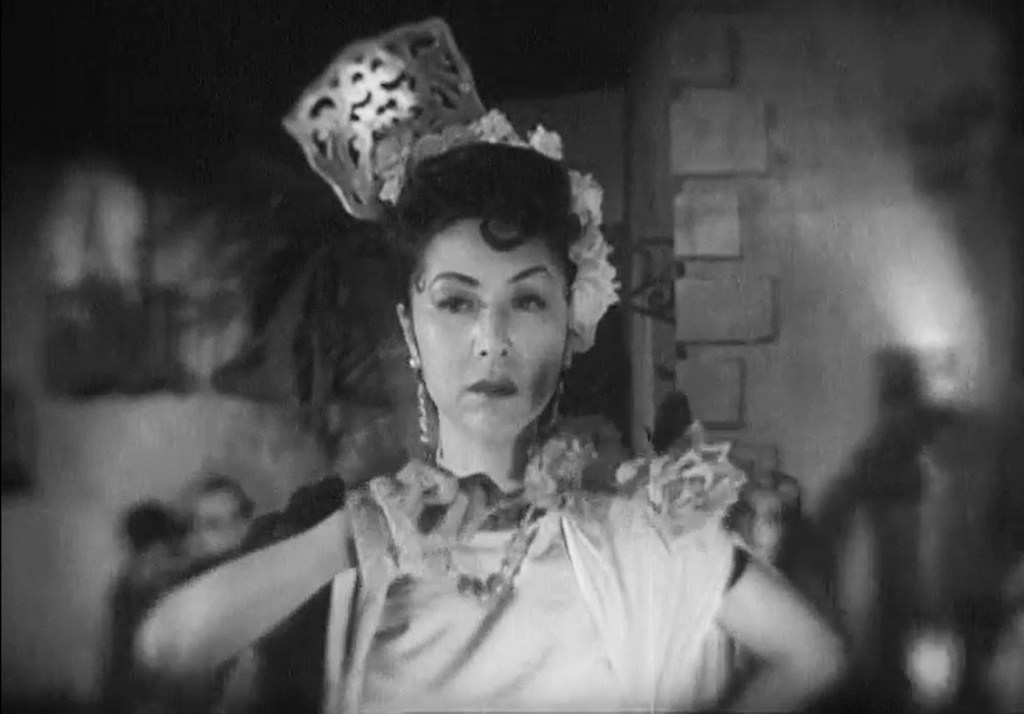
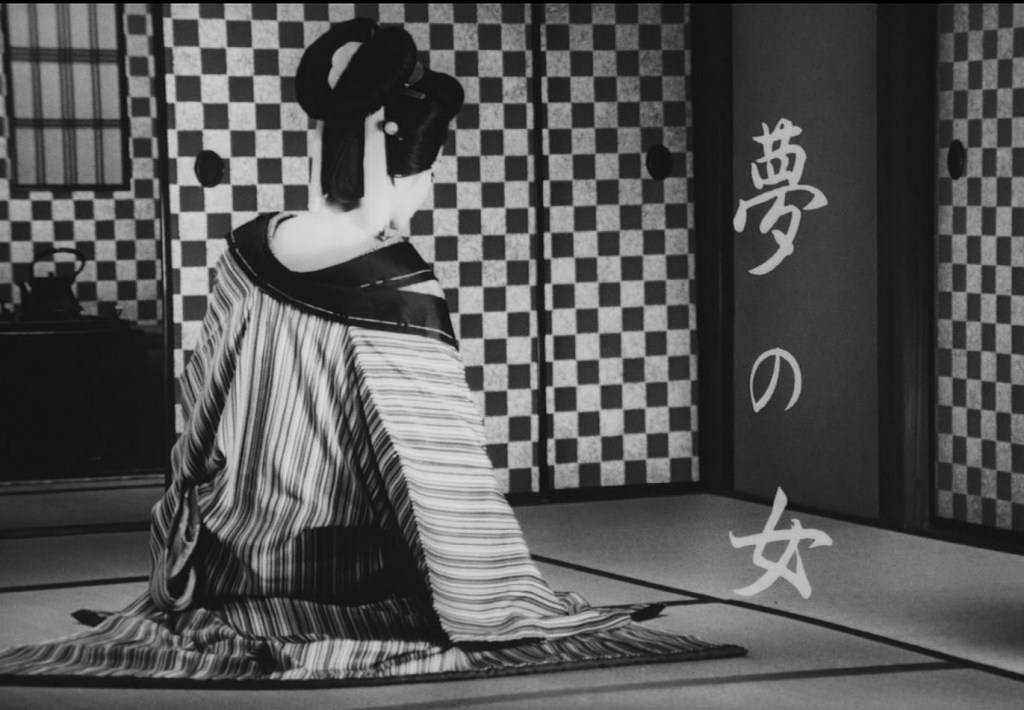
Ozu amava il cinema hollywoodiano: da ragazzo era uno studente svogliato, saltava spesso le lezioni per rifugiarsi al cinema e adorava le star. In What did the lady forget? le influenze della sophisticated comedy confluiscono nel personaggio della giovane Setsuko, che beve, fuma, esprime pensieri molto audaci e chiede allo zio di portarla ad una “casa di geishe”. La scena è molto bella: le geishe tradizionali danzano, mentre Setsuko, moderna e indipendente, le osserva con curiosità e desiderio. Ricorda moltissimo la Marlene Dietrich di Morocco (1930) di Josef von Sternberg: come lei, Setsuko si ferma a chiacchierare e flirtare con le ragazze. Qualche scena più avanti la vediamo sfogliare una rivista: e in copertina c’è proprio Marlene Dietrich.
Il film è interpretato dal tipico “team Ozu” degli anni ’30: Tatsuo Saitō, suo interprete prediletto sin dagli esordi; Takeshi Sakamoto, l’irresistibile Kihachi dell’omonimo “ciclo”; Chōko Iida, la versatile attrice di A Story of Floating Weeds, 1934, The Only Son, 1936, e molti altri; Tomio Aoki, l’attore-bambino ormai quattordicenne. Troviamo inoltre Shūji Sano, al suo primo ruolo con Ozu; e appare il divo Ken Uehara nel ruolo di se stesso (un cameo che testimonia la popolarità raggiunta dall’attore dopo il successo di Mr. Thank-You, 1936, Hiroshi Shimizu),
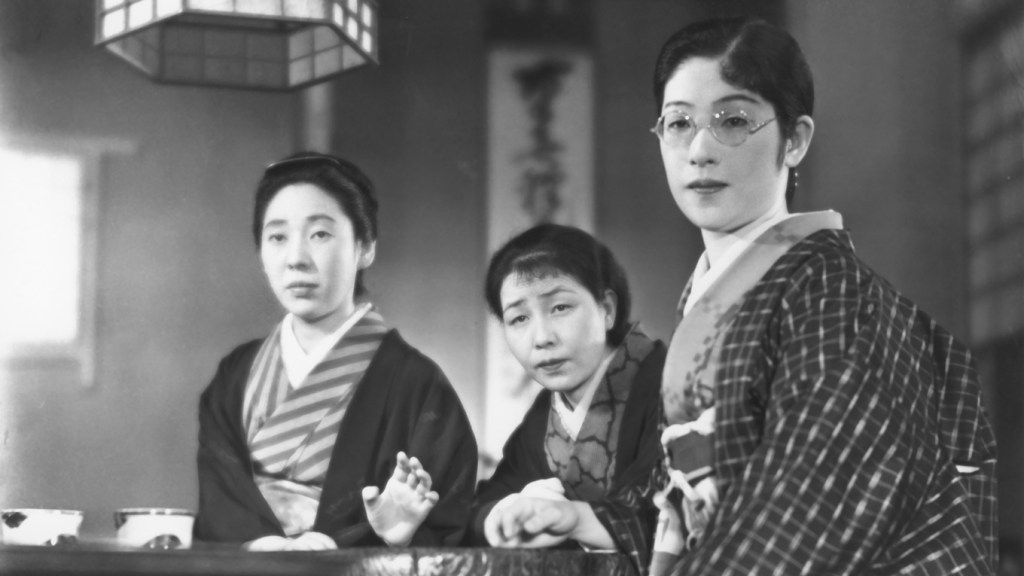
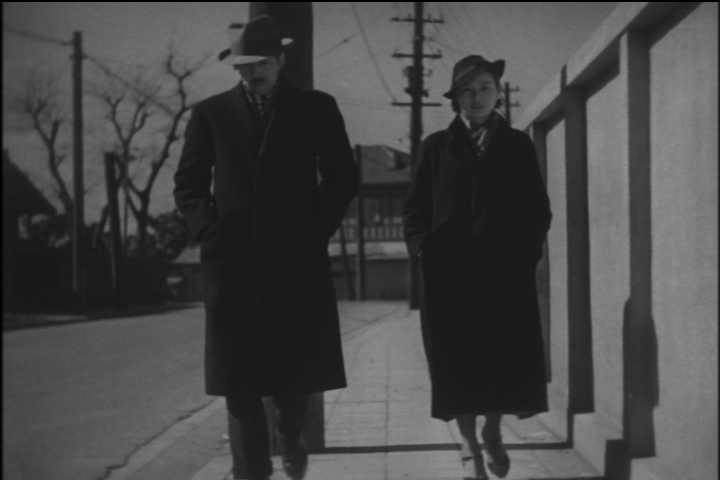
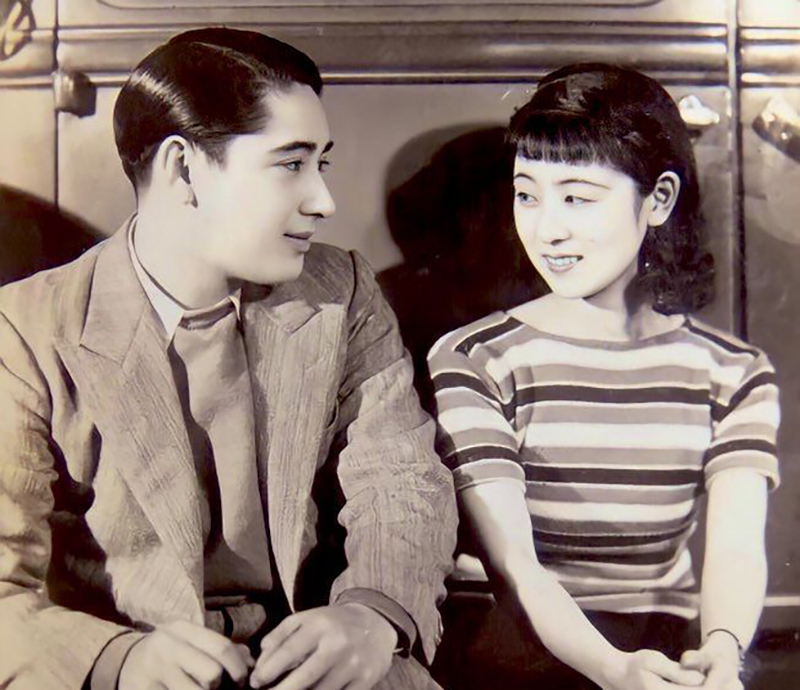
Il bello del cinema di Ozu è anche questo ritorno in un universo di volti familiari pronti a reinventarsi in nuovi personaggi: estremamente divertente, in questo caso, la prova di Chōko Iida come amica pettegola e innamorata di Frederic March. Al gruppo si uniscono Sumiko Kirishima, la prima e storica grande diva del cinema giapponese, bravissima nel ruolo di moglie rigida e tradizionalista, e l’affascinante Michiko Kuwano. La prova della Kuwano è quella di un’eccellente commediante, sul modello di Miriam Hopkins: bella, sfrontata, pronta alla risposta brillante in dialoghi screwball assieme al divertito Saitō. La coppia (nel film zio e nipote) dà vita a una vera e propria buddy comedy.
Purtroppo la talentuosa Kuwano morirà cinque anni dopo, appena trentunenne, stroncata da un malore sul set. Lascia più di quaranta film, di cui due con Ozu, mentre sua figlia Miyuki Kuwano diventerà a sua volta attrice (bravissima) per Ozu in Fiori d’Equinozio (1958) e Tardo Autunno (1960)
What did the lady forget? è un’opera ludica, satira delle contraddizioni e vizi della borghesia agiata, in cui Ozu inserisce più di una sottile allusione sessuale: non solo la tensione erotica nella casa di geishe ma anche la scena finale, con marito e moglie colti parallelamente nel gesto di “accarezzarsi i capelli” in previsione della notte d’amore.
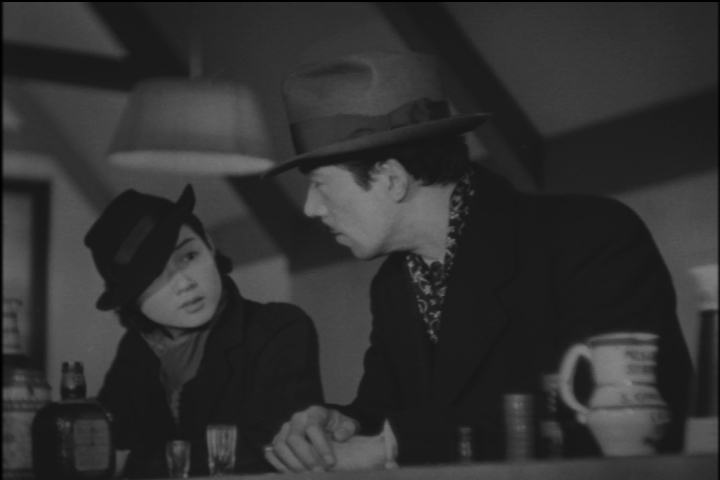
Anche in questo film torna il piacere di Ozu di giocare con generi e stili: alcune sequenze imitano i codici del noir, con Saitō e Kuwano nei panni di “gangsters” pronti a sovvertire le severe regole familiari; le allusive “entrate e uscite di scena” di Komiya e Tokiko hanno un chiaro sapore lubitschiano; mentre le scene che il regista riserva a Sumiko Kirishima e le altre interpreti femminili (le riunioni delle casalinghe chioccianti) sono pura commedia, con una perfetta gestione di tempi, battute, alternanza dei piani, ellissi narrative.
English Version
Komiya, a kind-hearted medical professor at the University of Tokyo, is married to the strict and traditionalist Tokiko. The visit of Setsuko, his young and free-spirited niece from Osaka, challenges Tokiko’s authority and shakes the foundations of their marriage—which ultimately emerges strengthened by this encounter with the modernity embodied by the girl.
Ozu loved Hollywood cinema: as a boy he was a lazy student who often skipped classes to hide in movie theatres, where he adored the stars. In What Did the Lady Forget?, the influences of sophisticated comedy converge in the character of young Setsuko, who drinks, smokes, voices bold opinions, and even asks her uncle to take her to a “geisha house.” The scene is wonderful: the traditional geishas dance while Setsuko, modern and independent, watches them with curiosity and desire. She strongly recalls Marlene Dietrich in Josef von Sternberg’s Morocco (1930): like Dietrich, Setsuko lingers to chat and flirt with the girls. A few scenes later, we see her leafing through a magazine—its cover features none other than Marlene Dietrich herself.
The film is performed by Ozu’s typical “1930s team”: Tatsuo Saitō, his favourite actor since his early years; Takeshi Sakamoto, the irresistible Kihachi of the eponymous “cycle”; Chōko Iida, the versatile actress of A Story of Floating Weeds (1934), The Only Son (1936), and many others; and Tomio Aoki, the former child actor now fourteen. We also find Shūji Sano in his first role for Ozu; and the star Ken Uehara appears as himself—a cameo testifying to the popularity he had gained after the success of Mr. Thank-You (1936, Hiroshi Shimizu).
One of the charms of Ozu’s cinema is precisely this return to a universe of familiar faces, ready to reinvent themselves in new characters. Particularly delightful here is Chōko Iida’s performance as the gossipy friend in love with Frederic March. Joining the group are Sumiko Kirishima, the first great diva of Japanese cinema, excellent as the rigid and traditionalist wife, and the captivating Michiko Kuwano. Kuwano’s performance is that of an outstanding comedienne in the style of Miriam Hopkins: beautiful, bold, and quick-witted in screwball-style exchanges with an amused Saitō. The pair (uncle and niece in the film) effectively form a true buddy-comedy duo.
Sadly, the gifted Kuwano would die five years later, at only thirty-one, struck by an illness on set. She left behind more than forty films, including two with Ozu, while her daughter Miyuki Kuwano would in turn become an excellent actress for Ozu in Equinox Flower (1958) and Late Autumn (1960).
What Did the Lady Forget? is a playful work, a satire of the contradictions and vices of the well-to-do bourgeoisie, in which Ozu inserts more than one subtle sexual allusion: not only the erotic tension in the geisha house but also the final scene, where husband and wife are caught in the act of “stroking each other’s hair” in anticipation of the night of love.
In this film too, Ozu indulges his pleasure in playing with genres and styles: some sequences imitate noir codes, with Saitō and Kuwano as “gangsters” ready to subvert strict family rules; the suggestive “entrances and exits” of Komiya and Tokiko have a distinctly Lubitschian flavour; while the scenes Ozu devotes to Sumiko Kirishima and the other female performers (the gatherings of clucking housewives) are pure comedy, with flawless timing, dialogue, shifts in scale, and narrative ellipses.




 Nubi Fluttuanti
Lascia un commento