

[Please scroll down for the english version]
Philip, attore in declino trasferito a Tokyo, ottiene un incarico insolito: lavorare per un’agenzia giapponese di “persone in affitto”, ritrovandosi ad interpretare amici, familiari e affetti per clienti sconosciuti.
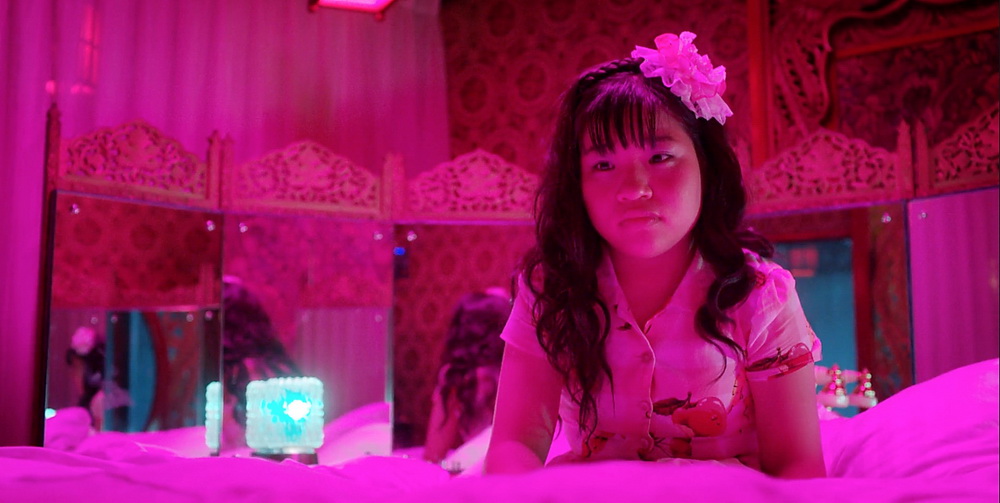
“Ascoltali, e dai loro ciò di cui hanno bisogno”. È il suggerimento di Shinji, titolare dell’agenzia Rental Family, a un Philip smarrito e incerto sui labili confini morali della sua attività. E in un certo senso anche Hikari sembra voler dare agli spettatori ciò che desiderano: giunta al suo secondo lungometraggio e attiva a Hollywood da diversi anni, la regista ha forse perso l’idealistica incoscienza del suo film esordio 37 seconds (un film tanto bello quanto poco “vendibile”) per realizzare un’opera scopertamente popolare. Ma pur tra le maglie di una produzione internazionale, e desiderosa di rivolgersi a un pubblico ampio – con le inevitabili semplificazioni che ciò comporta – Hikari mantiene intatto il nucleo della sua ispirazione, ovvero un sincero, profondo umanesimo.
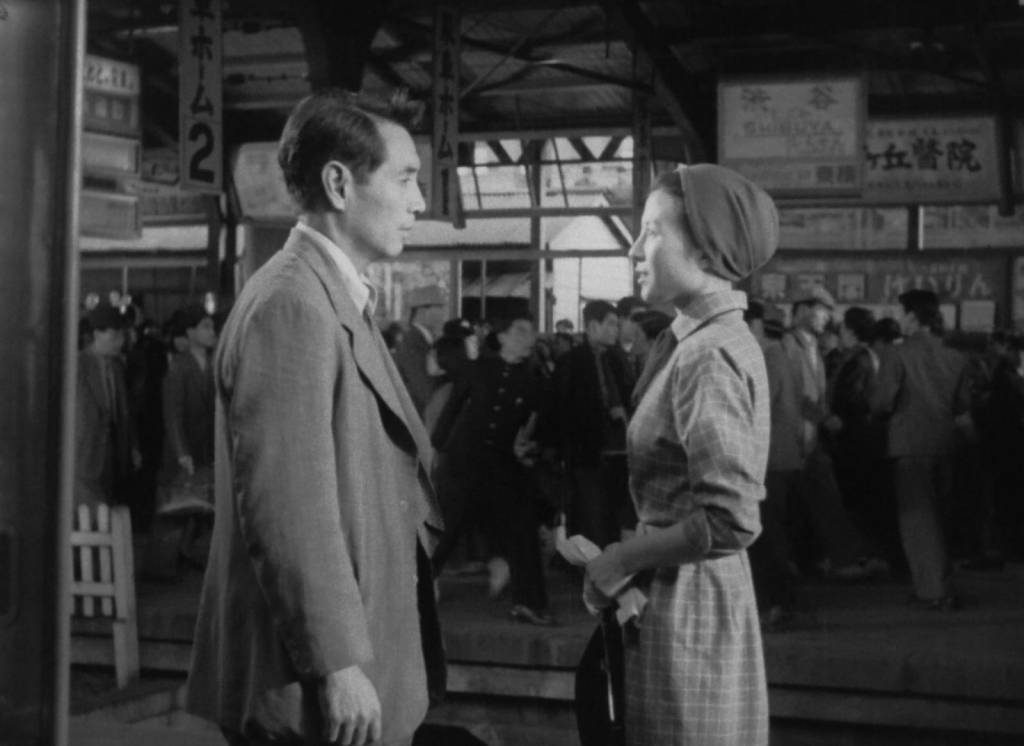
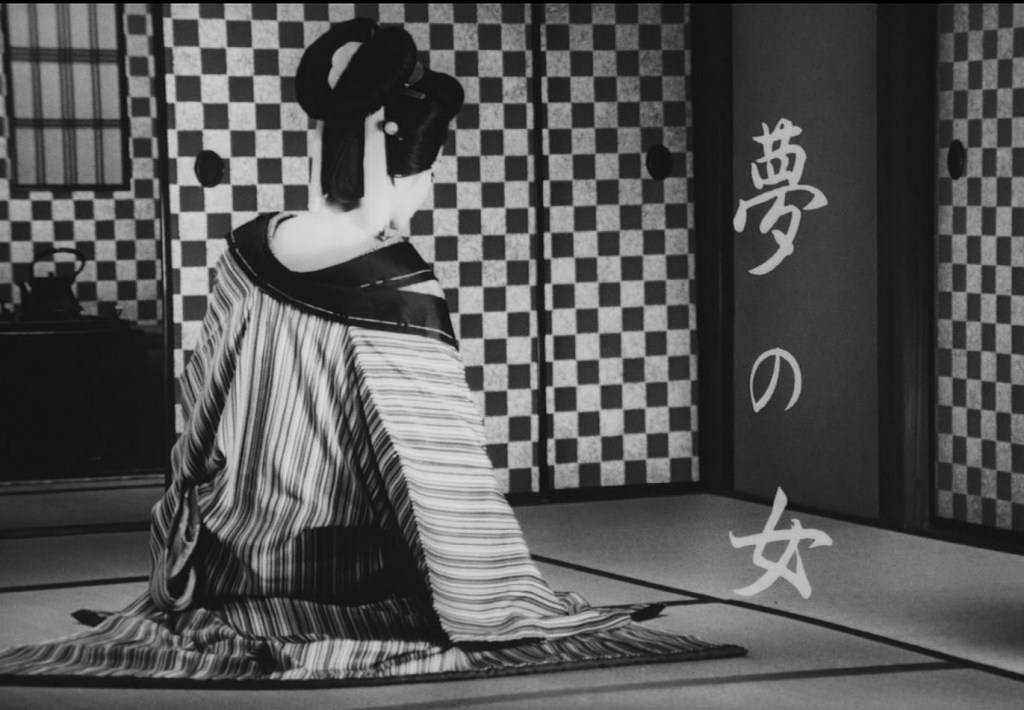
E ci vuole un certo coraggio, in un panorama cinematografico di grande nichilismo, in cui la condizione umana viene sempre più spesso illustrata in tutta la sua corruzione e degrado (quasi un “vizio cinico”, come testimoniano le opere di Lanthimos o Aster) a rinunciare a certe lenti deformanti postmoderne per proporre un umanesimo classico. Pur molto distante, stilisticamente, da un maestro come Yasujirō Ozu, Hikari ne condivide la missione: filmare un mondo armonico, ricreare nel cinema un ordine e una serenità in cui i sentimenti umani – suo oggetto costante – possano venire esaminati ed estrinsecati in termini universali. Il desiderio della regista è quello di trascendere la disperazione e la solitudine del presente, pur mostrandole nella loro verità, per estrarne una fede luminosa e sincera. Rainer Werner Fassbinder l’avrebbe descritta come una regista che “ama gli esseri umani invece di disprezzarli come facciamo noi”.

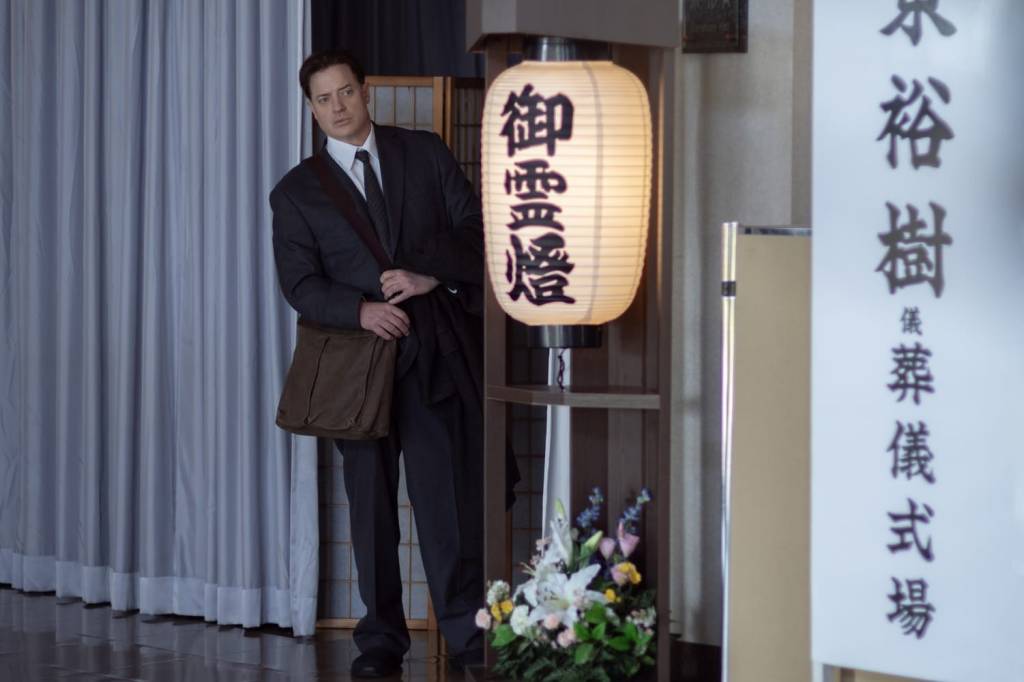
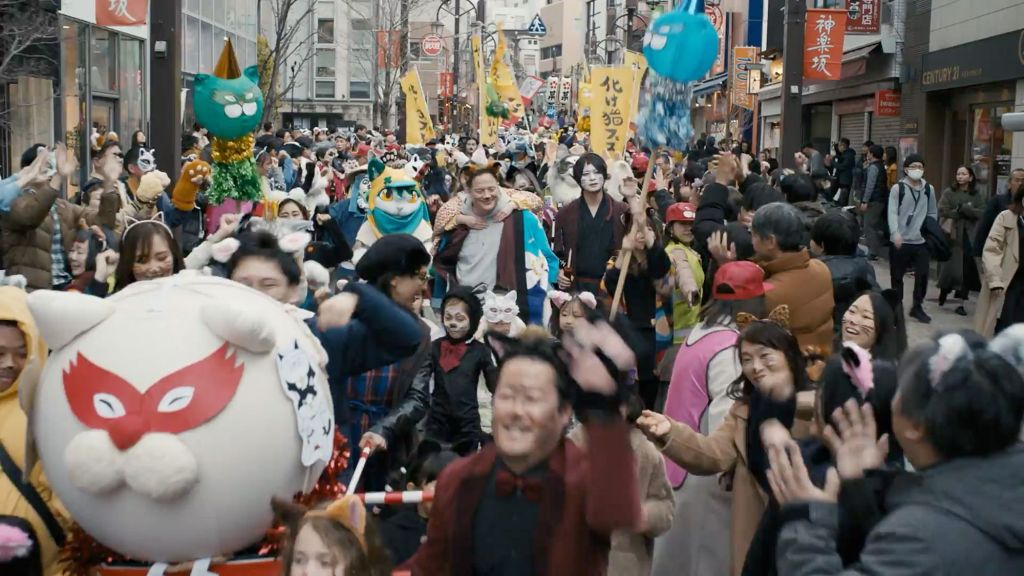
Il suo cinema è pulito, silenzioso: le immagini notturne dei treni in corsa, in campo lunghissimo, sono pura luce in movimento, quasi rimpianti o ricordi che trascorrono; le sequenze dedicate ai riti tradizionali sono un tuffo nell’inconscio collettivo e nel piacere della leggenda e della maschera; e gli incontri tra Philip e una sex worker diventano momenti intimi di toccante autenticità. Forse la più bella qualità del cinema di Hikari è l’equilibrio tra pudore e naturalezza, la sua capacità di mostrare ciò che più vi è di umano senza mai sfruttarlo.
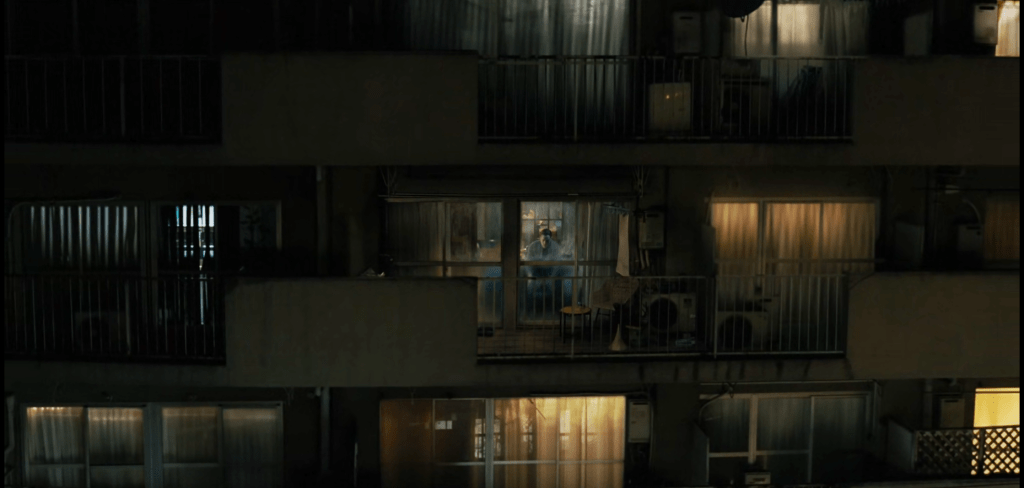
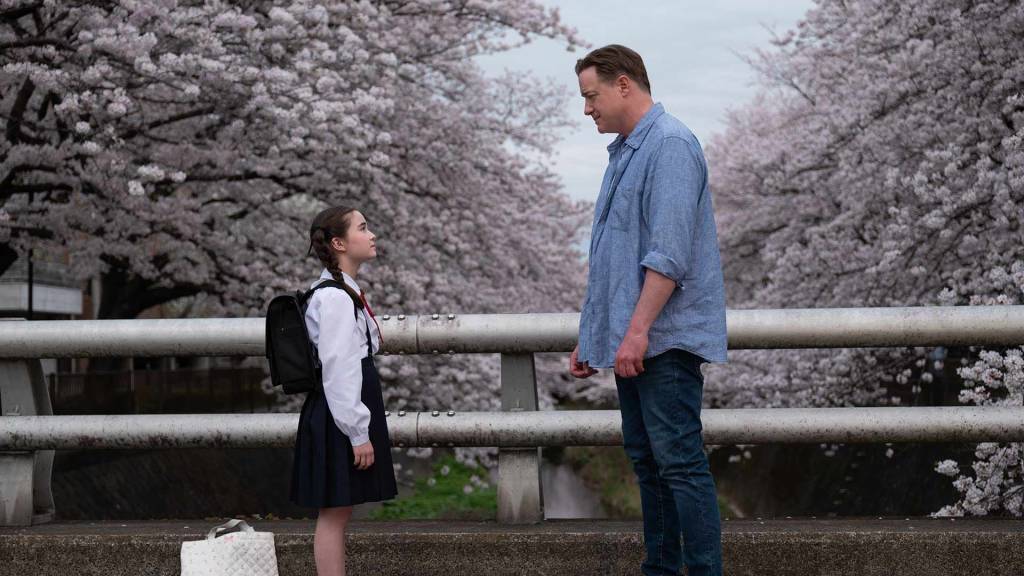
Il volto di Brendan Fraser è la tela d’elezione su cui le emozioni trascorrono modulate come riflessi di luce. La scelta dell’attore si rivela fondamentale per un progetto come Rental Family, in cui realtà e messa in scena si confondono e si confrontano, illuminando reciproche ombre: un tema, se si pensa, molto caro anche a un autore come Hamaguchi, che nel teatro di Drive my car o nelle finzioni di Wheel of Fortune and fantasy trova una cura per il male di vivere, una “forma” in cui comporre vite irrisolte. Fraser, con il suo carico esistenziale scritto sul volto, è un correlativo oggettivo di una condizione di sofferta malinconia. Un personaggio curvo ma non vinto, per il quale Hikari nutre una dolcezza profonda: si veda la bellissima scena hitchcockiana in cui Philip, alla finestra, osserva le vite degli altri nel palazzo di fronte. Appesantito, stanco, l’espressione in uno stato di costante stupefazione, Philip registra nei propri occhi i sentimenti a cui assiste – l’amore, la cura familiare, i desideri – proprio come uno spettatore di fronte allo schermo cinematografico.
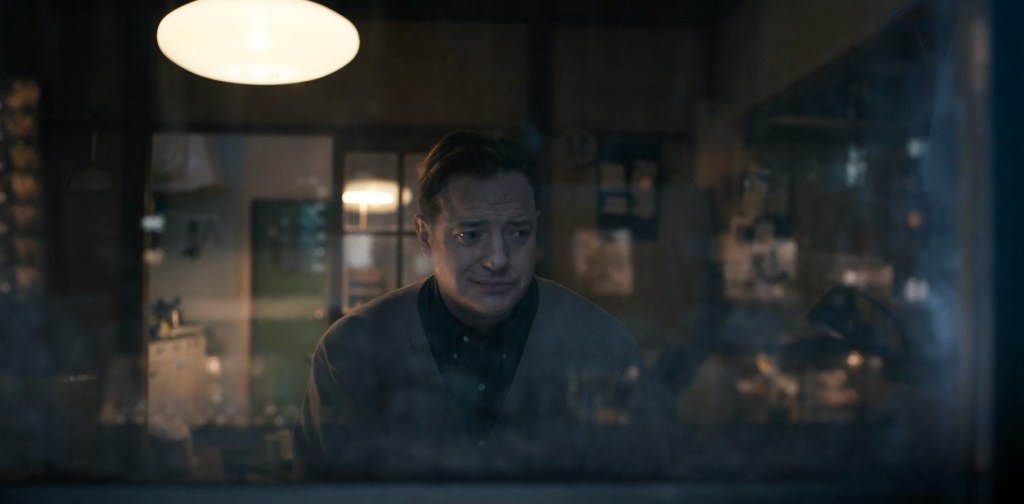
Con grande comprensione nei confronti della solitudine umana, Hikari lascia che Philip, bianco e gaijin, interagisca come “corpo estraneo emozionale” in una società che fa del proprio sentire un tabù da nascondere. Creando un personaggio antitetico al Bob di Lost in Translation, sebbene le premesse siano simili (un attore in declino, ridotto a interpretare piccoli ruoli in commercial), Brendan Fraser fa di Philip una presenza estremamente ricettiva, dai sentimenti esposti e vulnerabili. Tanto il personaggio di Murray era una monade distinta, pronta a trattare chiunque con sufficienza e ad esibire l’arroganza dell’occidentale impregnato di un senso di superiorità, quanto Philip invece si lascia attraversare dal corpo-Giappone fino a perdere i confini di sé, per meglio ritrovarsi.
Osservatrice delicata ma dal formidabile senso compositivo, Hikari realizza un cinema dal tocco leggero ma caldo. Non mancano, certo, simbolismi stereotipati, come l’immancabile fioritura dei ciliegi; ma in fondo lo stesso Hitchcock aveva dichiarato, nella celebre intervista a Truffaut, quanto fosse importante non negare allo spettatore quegli “elementi locali” tipici, come i mulini a vento in Olanda o la Statua della Libertà a New York, purchè venissero usati in senso drammatico. Hikari non trascura niente – i templi, le vecchie case contadine, la Tokyo tecnologica, gli uffici severi e gerarchici; ma a ogni scenario corrisponde uno stato d’animo, attraverso un montaggio poco lineare e fortemente emotivo ed ellittico, specchio degli effetti interiori del vivere.


English Version
Philip, an actor in decline who has relocated to Tokyo, receives an unusual assignment: to work for a Japanese “rental person” agency, finding himself performing as friends, relatives, and loved ones for complete strangers.
“Listen to them, and give them what they need.” This is the advice offered by Shinji, the head of the Rental Family agency, to a bewildered Philip, uncertain about the fragile moral boundaries of his new occupation. And in a sense, Hikari also seems intent on giving audiences what they desire: now at her second feature and active in Hollywood for several years, the director may have lost the idealistic recklessness of her debut, 37 Seconds — a film as beautiful as it was “unmarketable” — in order to craft a more openly popular work. Yet even within the framework of an international production aimed at a broader audience — with the inevitable simplifications that entails — Hikari preserves the heart of her inspiration: a sincere, profound humanism.
And it does take a certain courage, in a cinematic landscape dominated by nihilism — where the human condition is increasingly portrayed in its corruption and decay, almost as a “cynical habit,” as the works of Yorgos Lanthimos or Ari Aster attest — to set aside the postmodern distorting lenses and propose a classical humanism instead. Though far from the style of a master like Yasujirō Ozu, Hikari shares his mission: to film a harmonious world, to recreate through cinema an order and serenity in which human feelings — her constant focus — can be examined and revealed in universal terms. Her aspiration is to transcend the despair and solitude of the present age, while still showing them truthfully, in order to extract from them a luminous, sincere faith. Rainer Werner Fassbinder, one suspects, might have described her as a filmmaker who “loves human beings instead of despising them, as we do.”
Her cinema is clean, quiet: the nocturnal images of passing trains, filmed in extreme long shot, are pure moving light — like memories slipping away; the sequences devoted to traditional rituals plunge into a collective unconscious made of legend and mask; and the encounters between Philip and a sex worker become fleeting moments of gentleness and intimacy, the heart momentarily laid bare. Perhaps the loveliest quality of Hikari’s filmmaking is the balance she holds between modesty and naturalness, her ability to show what is most human without ever exploiting it.
The face of Brendan Fraser becomes the ideal canvas on which emotions flicker like reflections of light. His presence proves essential to a project like Rental Family, where reality and performance blur and interrogate one another, illuminating each other’s shadows — a theme dear also to Ryusuke Hamaguchi, who in the theater of Drive My Car and the narrative games of Wheel of Fortune and Fantasy seeks a cure for the pain of living, a form in which unresolved lives might be rearranged. Fraser, with the existential weight inscribed on his face, becomes the objective correlative of a wounded melancholy: a figure bent but not broken, toward whom Hikari extends a deep tenderness. This is evident in the beautiful Hitchcockian scene in which Philip, from his window, observes the lives unfolding across the street — heavy, tired, wide-eyed in a state of perpetual astonishment, registering within himself the very emotions he witnesses: love, familial care, longing. Like a spectator before a screen.
With great empathy for human loneliness, Hikari allows Philip — white, gaijin — to move through Japanese society as an “emotional foreign body,” within a culture where feeling often remains something to be hidden. She crafts a character that stands in direct contrast to the Bob of Lost in Translation: although the premises overlap (an actor in decline, relegated to minor commercial work), Bill Murray portrayed a man sealed off, prone to condescension, exhibiting the arrogance of the Westerner steeped in a sense of superiority. Philip, instead, allows himself to be permeated by the “body-Japan,” to the point of losing the boundaries of himself — only to later rediscover them.
A delicate observer with a formidable eye for composition, Hikari creates a cinema that is light in touch yet warm. True, certain stereotypical symbols appear — the inevitable cherry blossoms — but even Alfred Hitchcock noted, in his celebrated conversation with François Truffaut, how essential it was not to deny audiences the expected “local elements,” provided they were used with dramatic purpose. Hikari neglects nothing: temples, old country houses, hyper-modern Tokyo, stern and hierarchical offices — yet each setting corresponds to an inner state, rendered through an editing rhythm that is nonlinear, intensely emotional, and elliptical, mirroring the inner reverberations of living.











 Nubi Fluttuanti
Scrivi una risposta a stefanoramarro Cancella risposta