
[Please scroll down for the english version]
Fumio è uno scapestrato, al contrario di suo fratello maggiore, che è posato, lavora sodo nella sua attività di taxi ed è affidabile. Ma ora che ha saputo che sua madre è malata, vorrebbe redimersi e tornare a casa. Trova un lavoro come tassista di notte, ma una giovane donna, Sumako, sbuca fuori dal nulla e lo supplica di aiutarla a scappare. Fumio cede e i due si avventurano in una notte piena di sorprese.
Il nome di Yasujirō Shimazu è certamente meno familiare, presso le platee occidentali, rispetto a quello di Yasujirō Ozu, che nei confronti di Shimazu nutriva profonda ammirazione e ne condivideva l’idea di un cinema nuovo, focalizzato sull’osservazione della gente comune.
Va difatti ricordato che si deve proprio a Shimazu la creazione di un genere aderente alla vita contemporanea, nel contesto di un’industria satura di jidaigeki (film in costume).
Nel 1923 il suo Otosan (Signorina), prodotto dalla Shōchiku di Kamata all’indomani del terremoto del Kanto, quindi in condizioni precarie e con uno staff ridottissimo, riscosse un grande successo di pubblico e critica. Originale commedia familiare, Otosan stabilì i codici dello “stile Kamata” e fu il primo esempio del genere shomingeki (“storie di gente comune”), caratterizzato da un considerevole realismo. Lo “stile Kamata” divenne il fiore all’occhiello del giovanissimo dirigente Kido Shirō, che individuò in Shimazu uno dei suoi autori di punta. Assieme a lui, altri nuovi registi come Ozu, Naruse, Gosho, contribuirono alla creazione di una “poetica del quotidiano”:
Nel corso di un’esistenza purtroppo breve (morirà di cancro a soli 49 anni) Shimazu ci ha lasciato importanti e luminosi esempi dello shomingeki , quali Our neighbour, Miss Yae (1934), The Lights of Asakusa (1937), A Brother and His Younger Sister (1939).
Ed è sufficiente la visione di un film “minore” come My elder brother (1934), tra i primi talkies giapponesi, per constatarne la bravura e per individuare i tratti distintivi di una regia di grande disinvoltura e libertà stilistica. Shimazu era un umanista, propenso a catturare l’immediatezza fresca e spontanea di una scena a scapito della coerenza del racconto o della continuità.
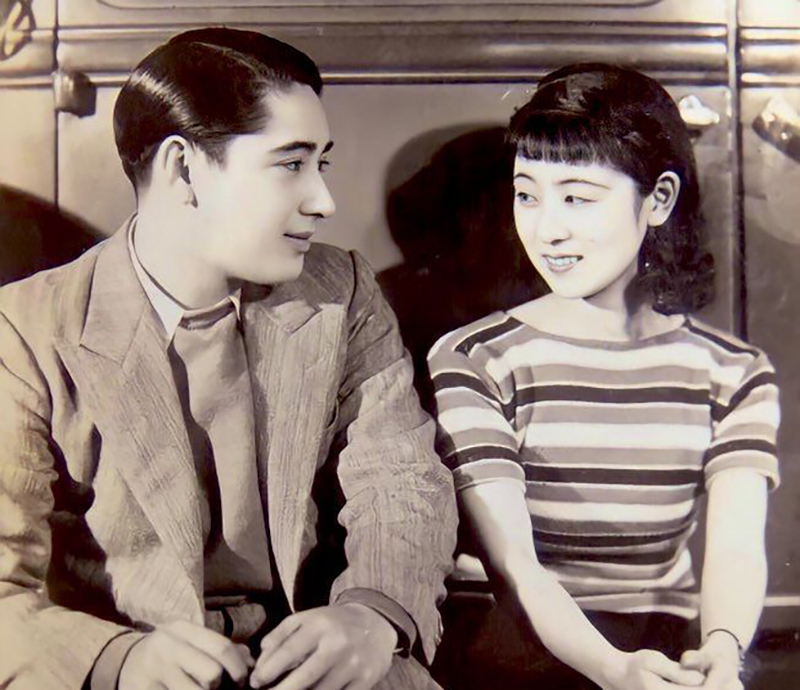
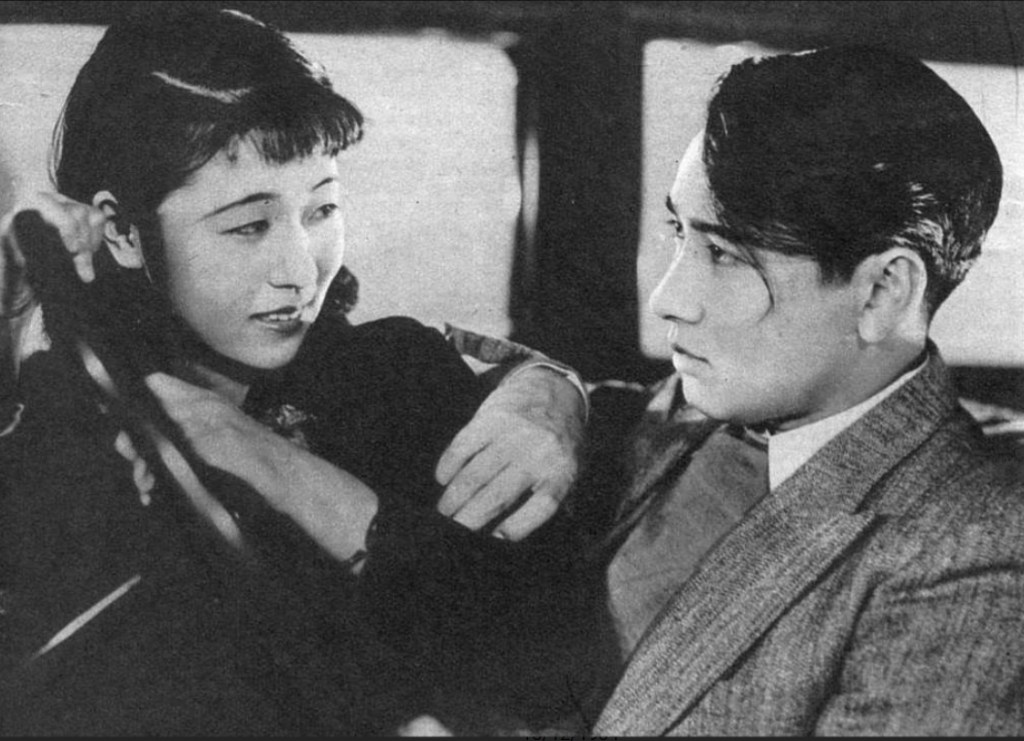
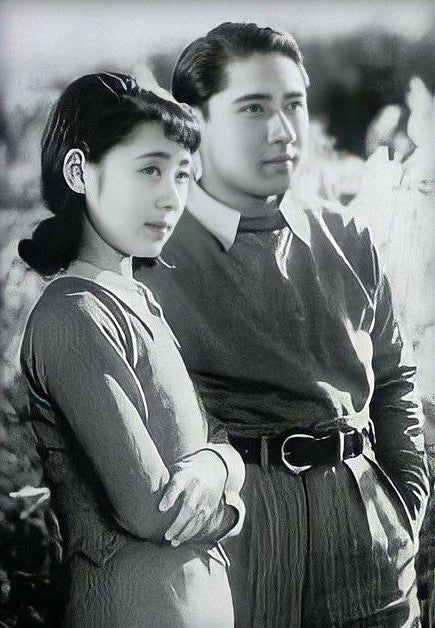
My elder brother è una piccola opera frammentaria, colma di suggestioni, attratta dai generi occidentali che vengono rimescolati in modo ludico e divertito. Il film coglie le schermaglie amorose di due giovani scapestrati, interpretati da due divi assoluti degli schermi giapponesi: il magnetico Kazuo Hasegawa, qui appena ventitreenne, e l’incantevole Kinuyo Tanaka, già molto amata dal pubblico per la sua presenza brillante.
Shimazu pone i suoi scintillanti protagonisti al centro di una commedia degli equivoci on the road. La dinamica informale del loro rapporto, i dialoghi espliciti e ben orchestrati animano una piccola “battaglia di sessi” gentile e meno affilata rispetto alle corrispettive comedies hollywoodiane; ma l’influenza del modello occidentale è evidente. È bene rammentare come negli anni ’20, in seguito al terremoto del Kanto, la produzione autoctona subì un notevole rallentamento; l’industria cinematografica sopravvisse grazie all’importazione di film dall’Europa e dall’America, che consentirono di tenere in piedi le sale. Il pubblico si familiarizzò con interpreti occidentali dagli abiti eleganti e dalle acconciature riconoscibili, e soprattutto con generi definiti (lo slapstick, la commedia romantica, il gangster film).
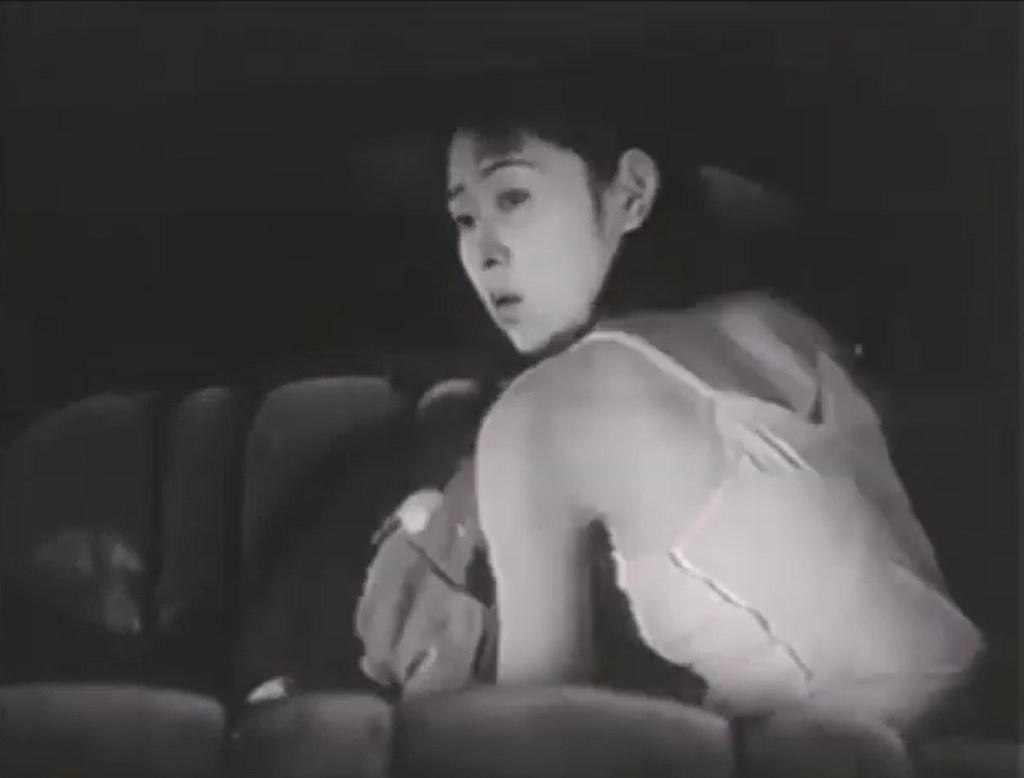
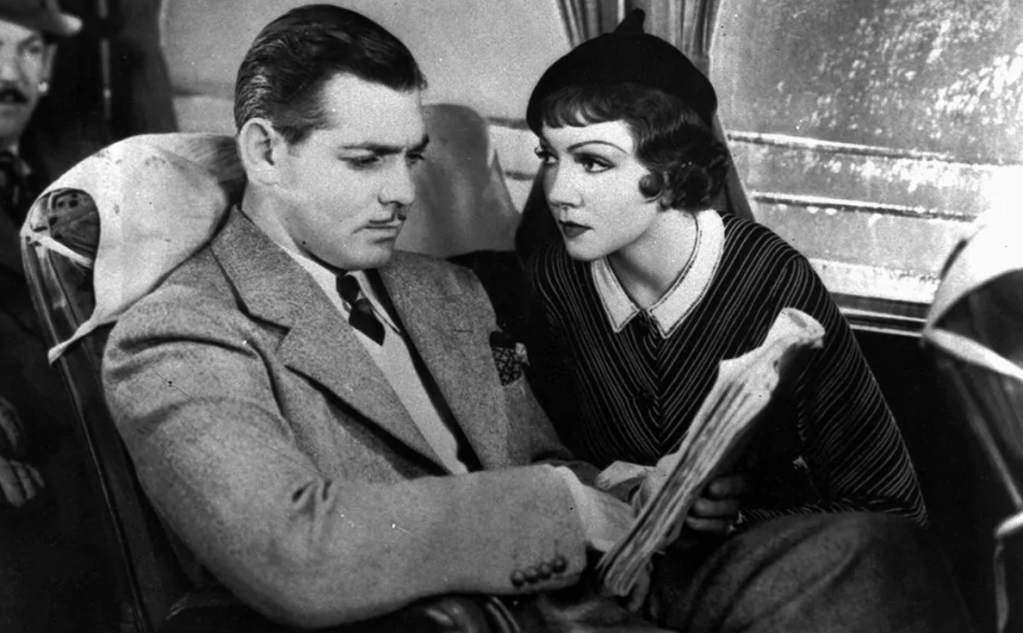
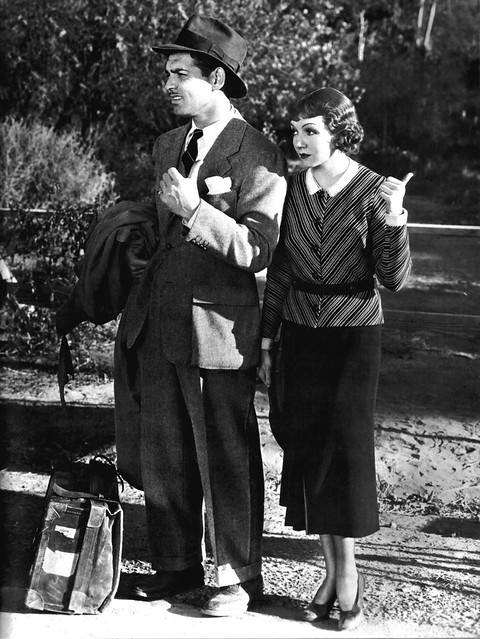
My Elder brother possiede innegabili similarità, in particolare, con il coevo Accadde una notte di Frank Capra (1934), per via dei suoi divi giovani e in fuga, pronti a sedursi con gesti apparentemente innocenti e a provocarsi reciprocamente. Kazuo Hasegawa e Kinuyo Tanaka sembrano rubare il guardaroba di Gable-Colbert – e i vestiti di Tanaka scivolano via in una deliziosa scena osservata dallo specchietto retrovisore di un taxi, senza “mura di Gerico” a separare l’intimità forzata del piccolo abitacolo.
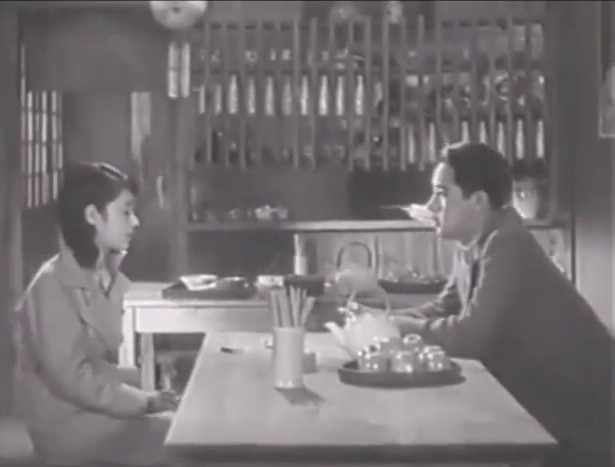
Pur non raggiungendo la sfrontata indipendenza di Claudette Colbert, la Sumako di Kinuyo Tanaka ha un suo fascino libero e anticonformista, che trova il proprio corrispettivo nell’impulsività giovane e velleitaria, ma di buon cuore, del Fumio di Hasegawa. Il regista mette in evidenza l’affinità della coppia attraverso sequenze inedite e molto divertenti – ad esempio, entrambi conversano animatamente al ristorante con la bocca piena di riso; in un altro momento, vengono ritratti l’uno di fronte all’altra, specularmente, mentre fumano con sensuale naturalezza.
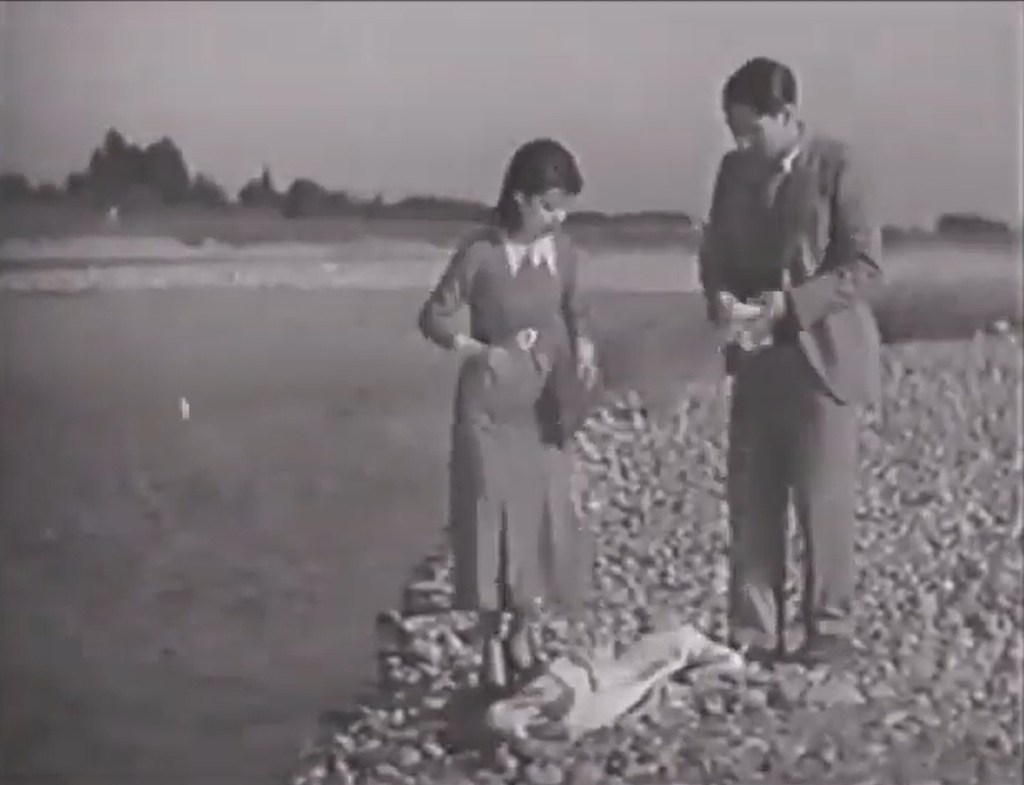
Bellissime anche le scene sulla riva del mare (che potrebbero aver influenzato Ozu): Shimazu è a suo agio tanto in interni quanto in contesto naturale e privo di artificio, dove i suoi buffi antieroi ammirano il tramonto: il loro amore nasce spontaneo ed irrequieto, per spogliarsi della tradizione e assecondare un fuggevole spirito di libertà.
English Version
Fumio is a good-for-nothing, unlike his older brother, who is level-headed, works hard as a taxi driver, and is reliable. But now that he has learned that his mother is ill, he wants to redeem himself and return home. He finds a job as a night-shift taxi driver, but a young woman, Sumako, suddenly appears out of nowhere and begs him to help her escape. Fumio gives in, and the two embark on a night full of surprises.
The name Yasujirō Shimazu is certainly less familiar to Western audiences than that of Yasujirō Ozu, who deeply admired Shimazu and shared his idea of a new cinema focused on observing ordinary people.
It should in fact be remembered that it was Shimazu who created a genre that adhered closely to contemporary life, in a film industry saturated with jidaigeki (costume dramas).
In 1923 his Otosan (Miss Otsu), produced by Shōchiku in Kamata in the aftermath of the Great Kantō Earthquake—under precarious conditions and with a minimal staff—achieved great success with both critics and audiences. It was an original family comedy that established the codes of the “Kamata style” and became the first example of the shomingeki genre (“stories of ordinary people”), characterized by considerable realism.
The “Kamata style” became the pride of the young studio executive Kido Shirō, who recognized Shimazu as one of his leading directors. Alongside him, other young filmmakers such as Ozu, Naruse, and Gosho contributed to the creation of a “poetics of the everyday.”
Over the course of a sadly brief life (he died of cancer at only 49), Shimazu left several important and luminous examples of shomingeki, such as Our Neighbour, Miss Yae (1934), The Lights of Asakusa (1937), and A Brother and His Younger Sister (1939).
And just one viewing of a “minor” film like My Elder Brother (1934), among the earliest Japanese talkies, is enough to appreciate his skill and identify the distinctive traits of a direction marked by great ease and stylistic freedom. Shimazu was a humanist, inclined to capture the fresh, spontaneous immediacy of a scene at the expense of narrative coherence or continuity.
My Elder Brother is a small, fragmentary work full of evocative touches, drawn to Western genres that are playfully and cheerfully re-mixed. The film follows the romantic skirmishes between two young rascals, played by two absolute stars of Japanese cinema: the magnetic twenty-three-year-old Kazuo Hasegawa and the enchanting Kinuyo Tanaka, already beloved by audiences for her bright screen presence.
Shimazu places his sparkling protagonists at the center of an on-the-road comedy of misunderstandings. The shifting dynamic between the two, the informal tone, and the explicit, well-orchestrated dialogue bring to life a gentle “battle of the sexes,” less sharp than its Hollywood counterparts, though clearly influenced by them.
It’s worth recalling that in the 1920s, after the Great Kantō Earthquake, domestic film production slowed considerably; the Japanese film industry survived thanks to the importation of films from Europe and America, which helped keep theaters open. Audiences became familiar with Western actors—their elegant clothing, their recognizable hairstyles—and, above all, with well-defined genres (slapstick, romantic comedy, gangster films).
My Elder Brother has undeniable similarities to the contemporary It Happened One Night (Frank Capra, 1934), with its young stars on the run, ready to seduce each other with seemingly innocent gestures and playful provocations. Hasegawa and Tanaka look as if they were borrowing Gable and Colbert’s wardrobe—and Tanaka’s clothes even slip off in a delightful scene seen through the taxi’s rear-view mirror, without the “Walls of Jericho” to separate the forced intimacy of the cramped space.
Although she doesn’t reach Claudette Colbert’s bold independence, Tanaka’s Sumako has her own free-spirited, unconventional charm, matched by the youthful impulsiveness—good-hearted though reckless—of Hasegawa’s Fumio. The director highlights the affinity between the two through inventive and very funny moments: we see them talking animatedly at a restaurant with their mouths full of rice; or seated opposite each other, in perfect symmetry, smoking with effortless sensuality.
The seaside scenes are beautiful as well (perhaps an influence on Ozu): Shimazu feels at ease both in interiors and in natural, unembellished settings, where his quirky antiheroes watch the sunset. Their love is born spontaneously and restlessly, shedding tradition to embrace a fleeting spirit of freedom.






 Nubi Fluttuanti
Lascia un commento