
[Please scroll down for the english version]
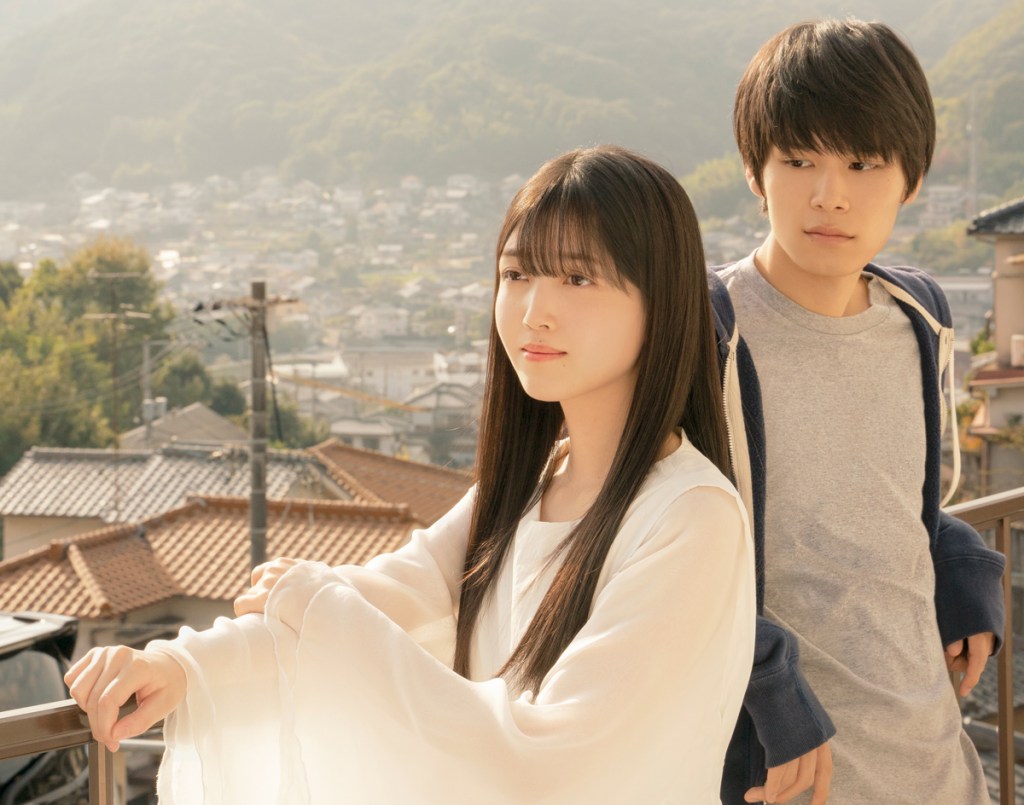
In estate, Nagisa e Natsuo si incontrano in riva al mare. I loro sguardi vuoti si riflettono mentre si scambiano parole imbarazzanti e si immergono nell’oceano inzuppato di pioggia. In inverno, Lee, una sceneggiatrice, si reca in un villaggio innevato. Trova una pensione gestita da Benzo. Le loro conversazioni raramente si connettono, eppure sono l’avvio di un’avventura inaspettata.
“Vorrei esprimere la mia più sincera gratitudine a Tsuge Yoshiharu. Negli ultimi anni ho letto ripetutamente manga e diari di viaggio, sia a casa che durante i miei viaggi. Sono così affascinanti che quasi ispirano stupore.” – Shō Miyake
Tra i più interessanti registi giapponesi contemporanei, dalla poetica incentrata su fragili giovinezze, tableaux urbani e difficoltà relazionali, Shō Miyake continua il suo percorso alla ricerca di un cinema nuovo, in grado di legare il nitore classico a un linguaggio di ricerca.
Con un desiderio che lo lega ad altri autori di riferimento del cinema nipponico attuale, come Ryusuke Hamaguchi e Kōji Fukada, Miyake porta avanti una serie di riflessioni sui rapporti umani e sull’arte stessa, in particolare sull’atto comunicativo. Nel suo cinema troviamo la parola e la sua assenza; l’ampio spazio concesso al rumore – naturale, amplificato, sensoriale – come alternativa a un brusio verbale sempre più insignificante; l’attenzione per il paesaggio naturale, non solo un semplice sfondo per le emozioni umane ma un universo di costanti e gentili sollecitazioni, di segni dai quali far scaturire una verità più profonda; infine, un’urgenza metacinematografica che in Two Seasons, Two Strangers è esplicitata dalla trama (il lavoro della sceneggiatrice e il film nel film a cui assistiamo), mentre nel precedente All the long nights (2024) traspariva come costante allusione al vedere e alla proiezione (il planetarium) di una realtà altra.
Nella sua filmografia, Two Seasons, Two Strangers è forse il suo lavoro più teorico, quello in cui la responsabilità del filmmaker fedele a una poetica trova espressione più apertamente intellettuale, in particolare nella seconda parte. Il viaggio della sceneggiatrice in crisi, metafora didascalica dei dubbi e delle afasie artistiche dello stesso Miyake, trova una crepa liberatoria e poetica nell’epifanica e sensoriale sezione iniziale, in cui l’immaginazione e i disegni di Tsuge Yoshiharu prendono vita sulla riva del mare.
È proprio nel primo episodio che Miyake sembra trovare l’essenza più vera della propria ispirazione, il ritorno a quel “cinema di naufragi” sulla sponda più estrema dell’essere. I due protagonisti sono presenze umane che anelano all’invisibilità, pronti a “svanire” tra le cose; una sparizione ed evanescenza da cui emerge un desiderio di vita e riscatto, un divenire dell’essere che, nella virtù assolutoria e naturale del paesaggio, appare nuovo a se stesso per la prima volta. Miyake sembra annullare la finzione del Tempo e precipita i suoi protagonisti nell’acqua, elemento di vita e di morte, maestoso e divorante ma anche materno, accogliente. L’attento studio del colore accentua questa mimesi verso l’invisibile.
Da notare come, nel cinema giapponese dal classicismo in poi, il campo lunghissimo abbia un valore espressivo normalmente sconosciuto a noi occidentali: la distanza non serve per offrire un impressionismo paesaggistico, ma è uno strumento di messa a fuoco delle sensazioni ed emozioni dei personaggi. Miyake, come Ozu, scopre la forza drammatica di campi lunghi e lunghissimi; una figura incurvata, un corpo distante che si confonde con gli elementi naturali può parlarci di un sentimento che una ripresa ravvicinata non sempre sa esprimere.
Il regista ha un talento particolare nel rapportarsi con il corpo dei propri attori; come Keiko di Small Slow But Steady (2022) o Misa di All the Long Nights, la Nagisa di Two Seasons, Two Strangers è una presenza silenziosa dalla quale scaturiscono meraviglia e arcane contraddizioni; ne percepiamo la vita interiore, un mondo segreto che la avviluppa ma non le impedisce di tentare una comunicazione impacciata e non-conforme con Natsuo, in cui riconosce uno spirito affine.
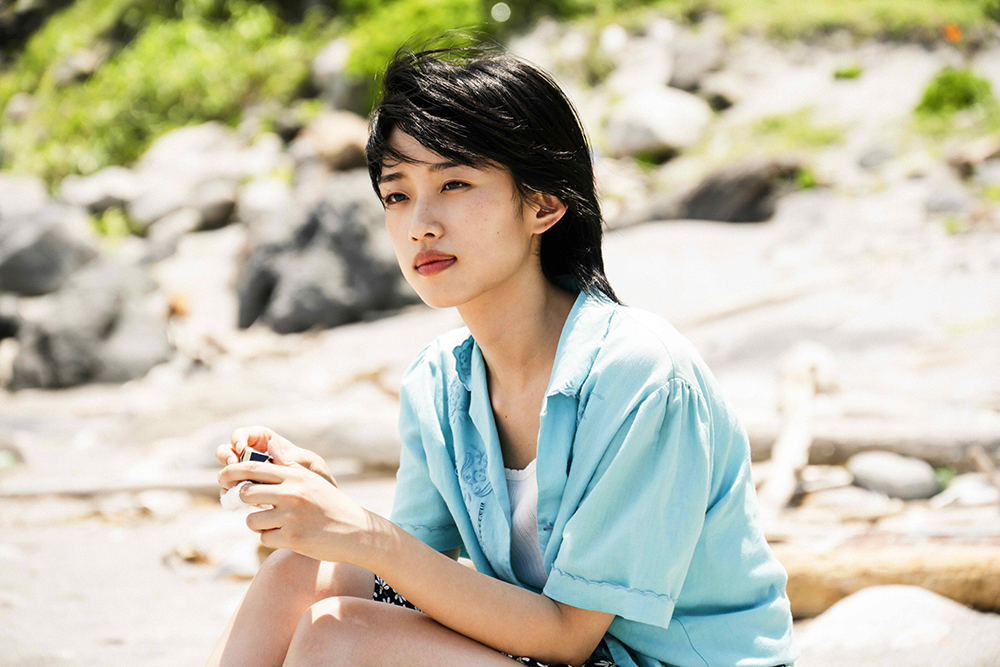
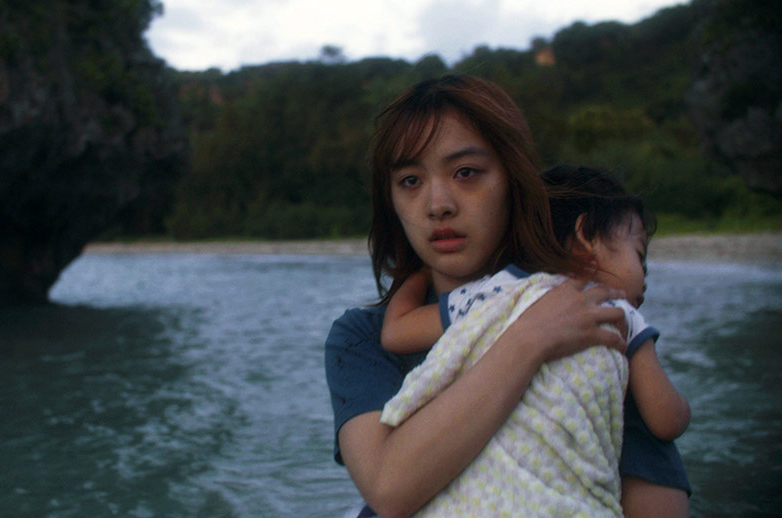
Yūmi Kawai, tra le attrici più talentuose della sua generazione (e non ancora valorizzata come meriterebbe) è una presenza talmente carismatica e intensa da trasformare qualsiasi immagine in cinema. Osservarla aggirarsi per la spiaggia o all’interno del museo, mentre non fa assolutamente nulla ma semplicemente esiste, vestita d’una camicia azzurra vibrante, è già una ragione sufficiente per guardare il film. Il regista dà il suo meglio nelle scene fatte di un nulla narrativo, in cui i cromatismi, le ellissi temporali, il piacere per la compresenza di tecniche differenti (dal piano sequenza al fermo-immagine fotografico) mettono in rapporto l’esperienza soggettiva e interiore di Nagisa con l’universale, l’altro da sé in perenne trasformazione. L’utilizzo di immagini-sentimento (inquadrature di spazi vuoti, oggetti o paesaggi) accentua le corrispondenze segrete tra la ragazza e le cose.
In questo scenario verde e azzurro battuto dalle correnti viene in mente, per libera associazione, 24 occhi (1954) di Keisuke Kinoshita; suggestioni leggere come il vento, eppure il richiamo al cinema classico traspare anche negli omaggi a Ozu, nei movimenti all’unisono in cui i due ragazzi, seduti in pose parallele, trovano una comunicazione più intima e familiare. Miyake predilige inoltre il formato 4:3, con uno studio radicale dello spazio, delle linee prospettiche e della composizione degli elementi all’interno dell’inquadratura; l’immagine trova tutto il necessario nel raccoglimento dei suoi confini, lasciando il fuori campo come possibilità.
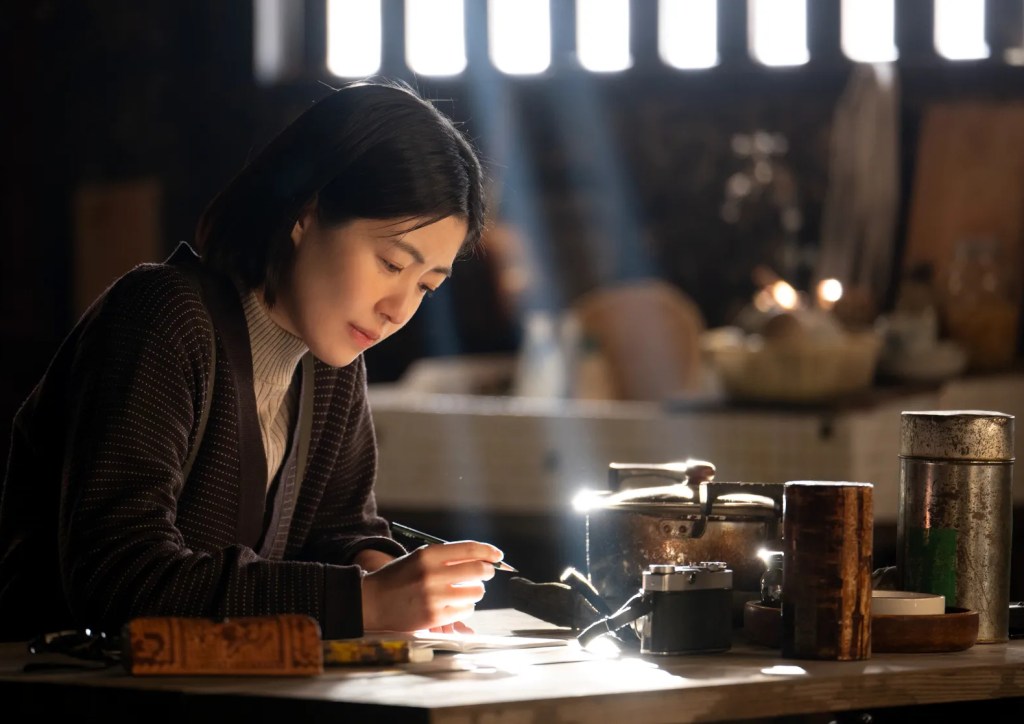
Se la prima parte è una un’esperienza prevalentemente visiva e sensoriale, il secondo capitolo dedicato alla sceneggiatrice è invece raccontato come un flusso di coscienza. Più filosofico rispetto alla libera avventura dei due giovani, il viaggio di Lee contiene però motivi di fascino e turbamento. Ascoltiamo, mediante un voice over, i dubbi che la attanagliano e ci sovviene l’esperienza di Gertrude Stein, la sua necessità di spogliare la parola dall’abuso quotidiano. “Le esperienze sono state rimpiazzate dalle parole”, dice Lee; parole svuotate di senso, in cui ritrovarsi come in una gabbia. Two Seasons, Two Strangers è il viaggio attraverso cui Miyake cerca la liberazione da questa gabbia e il ritorno all’essenza: una rosa è una rosa è una rosa.

English Version
In summer, Nagisa and Natsuo meet by the sea. Their vacant gazes mirror each other as they exchange awkward words and wade into an ocean soaked with rain. In winter, Lee, a screenwriter, travels to a snow-covered village. There she finds a small guesthouse run by Benzo. Their conversations rarely connect, and yet they are the starting point of an unexpected adventure.
“I would like to express my deepest gratitude to Tsuge Yoshiharu. Over the past few years, I have repeatedly read his manga and travel diaries, both at home and during my own journeys. They are so fascinating that they almost inspire awe.” – Shō Miyake
Among the most talented and interesting contemporary Japanese directors—whose poetics revolve around fragile youths, urban tableaux and relational difficulties—Shō Miyake continues his pursuit of a new kind of cinema, one capable of binding classical clarity to an exploratory language.
With a desire shared by other key figures of current Japanese cinema, such as Ryusuke Hamaguchi and Kōji Fukada, Miyake carries forward a set of reflections on human relationships and on art itself, particularly on the act of communication. In his films we find both the presence and the absence of words; a generous space granted to noise—natural, amplified, sensorial—as an alternative to a verbal murmur that grows increasingly insignificant; an attention to the natural landscape, not as a mere backdrop for human emotions but as a universe of constant, gentle stimuli, of signs from which a deeper truth can emerge; finally, a metacinematic urgency that in Two Seasons, Two Strangers is made explicit through the plot (the work of the screenwriter and the film within the film), while in his previous All the Long Nights it appeared as a continuous allusion to seeing and projection (the planetarium) of another kind of reality.
In Miyake’s filmography, Two Seasons, Two Strangers may be his most conceptual work, the one in which the responsibility of a filmmaker faithful to his poetics finds a more openly intellectual expression, especially in the second half. The journey of the screenwriter in crisis—an almost didactic metaphor for Miyake’s own artistic doubts and aphasias—finds a liberating, poetic fissure in the film’s epiphanic and sensorial opening section, where Tsuge Yoshiharu’s drawings and imagination come to life on the shoreline.
It is in this first episode that Miyake seems to find the truest essence of his inspiration, a return to that “cinema of shipwrecks” on the far edge of being. The two protagonists are human presences yearning for invisibility, ready to “vanish” among things; an evanescence from which a desire for life and redemption emerges, a becoming of being that, in the absolving and natural virtue of the landscape, appears new to itself for the first time. Miyake seems to annul the fiction of Time and plunges his characters into water, an element of life and death—majestic and devouring, yet also maternal and welcoming. The careful study of color heightens this mimesis toward the invisible.
It is worth noting how, in Japanese cinema from its classical era onward, the extreme long shot carries an expressive value largely unfamiliar to Western audiences: distance does not serve as a landscape impressionism but as a tool for focusing sensations and emotions. Miyake, like Ozu, discovers the dramatic power of long and extreme long shots; a bent figure, a distant body merging with natural elements can reveal feelings that a close-up cannot always express.
The director has a particular talent for working with the bodies of his actors and actresses. Like Keiko in Small Slow But Steady (2022) or Misa in All the Long Nights (2024), the Nagisa of Two Seasons, Two Strangers is a silent presence from which wonder and mysterious contradictions emerge; we perceive her inner life, a secret world that envelops her yet does not prevent her from attempting an awkward, nonconforming communication with Natsuo, in whom she recognizes a kindred spirit.
Yūmi Kawai, one of the most talented actresses of her generation (still not appreciated as she deserves), has such charisma and intensity that she can turn any image into cinema. Watching her wander along the beach or inside the museum, doing absolutely nothing but simply existing, wearing a vibrant light-blue shirt, is already reason enough to watch the film. Miyake gives his best in scenes built from narrative “nothingness,” where chromatic palettes, temporal ellipses and the pleasure of combining different techniques (from long takes to photographic freeze frames) connect Nagisa’s subjective, inner experience with the universal—an “other” in constant transformation. The use of “feeling-images” (shots of empty spaces, objects or landscapes) heightens the secret correspondences between the girl and the world around her.
In this green and blue setting swept by the currents, one is reminded—by free association—of Twenty-Four Eyes (1954) by Keisuke Kinoshita; evocations as light as the wind, yet the call to classical cinema also appears in the homages to Ozu, in the synchronized movements in which the two youngsters, seated in parallel poses, find a more intimate and familiar form of communication. Miyake also favors the 4:3 format, exploring space in a radical way—its perspective lines, the composition of elements within the frame; the image finds everything it needs within the boundaries of its enclosure, leaving the off-screen space as possibility.
If the first part is primarily a visual and sensorial experience, the second chapter—dedicated to the screenwriter—is told as a stream of consciousness. More philosophical than the free adventure of the two young people, Lee’s journey nevertheless contains elements of fascination and unease. Through voice-over we hear the doubts that overwhelm her, and Gertrude Stein comes to mind, with her need to strip language of its everyday abuse. “Experiences have been replaced by words,” Lee says—words drained of meaning, in which one finds oneself imprisoned. Two Seasons, Two Strangers is the journey through which Miyake seeks liberation from this cage and a return to essence: a rose is a rose is a rose.






 Nubi Fluttuanti
Lascia un commento