

[English version below]
Nel panorama delle produzioni nipponiche contemporanee non mancano i registi desiderosi di sfuggire alle maglie di un repertorio convenzionale a favore di un cinema di genere anarchico e vitale. Tra questi vi è Kenichi Ugana, mosso da un principio di piacere ludico e surrealista: il suo Visitors: Complete Edition (2023) è un manifesto di bizzarria nansensu e una dichiarazione d’amore al glorioso horror del passato; ma è anche un’opera multiforme e visionaria che non si esaurisce nella nostalgia compulsiva e nell’ossessione per il repertorio citazionista.
La poetica autentica e personale di Visitors assimila atmosfere e oggetti-emblemi classici (la “casa” isolata e periferica; la trasformazione del familiare in demoniaco; le motoseghe innestate sul corpo; il sangue e i liquidi corporei) e li restituisce in un contesto contemporaneo in cui sembra non esserci più spazio per il freak e l’estraneo. Ugana prova un affetto sincero nei confronti del “mostro”, confinato e incompreso, quasi un personaggio beckettiano in attesa di un destino.
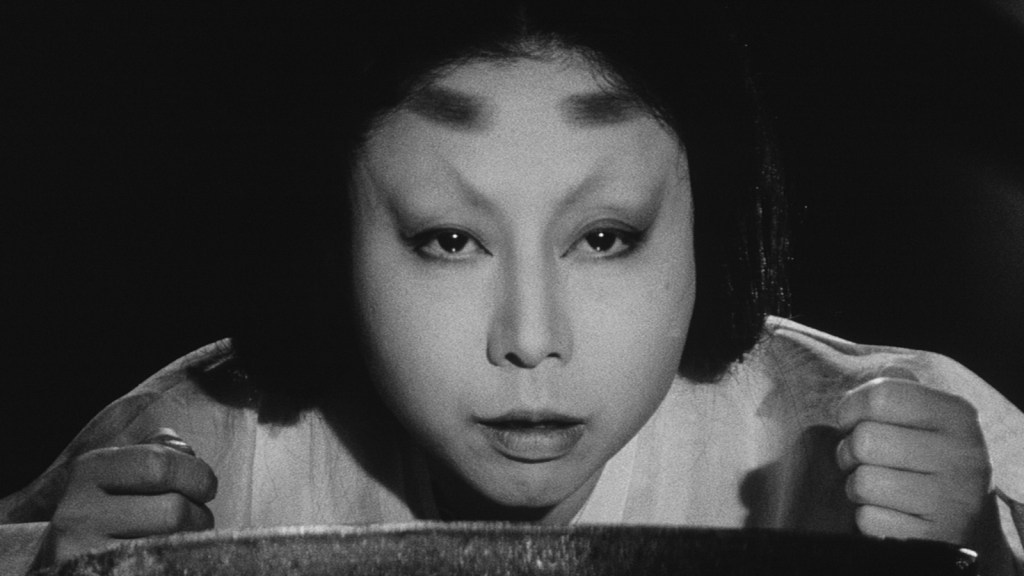
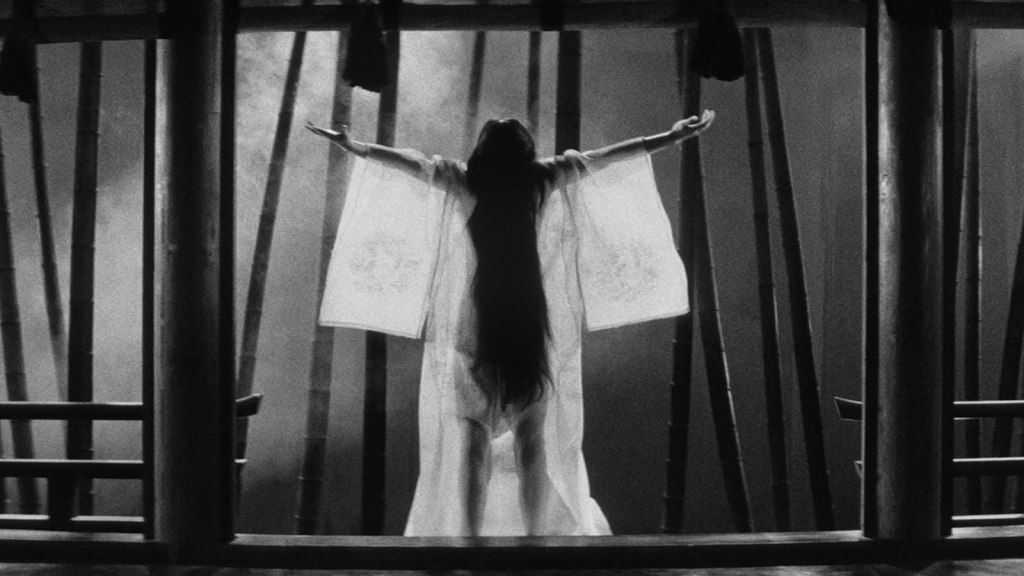
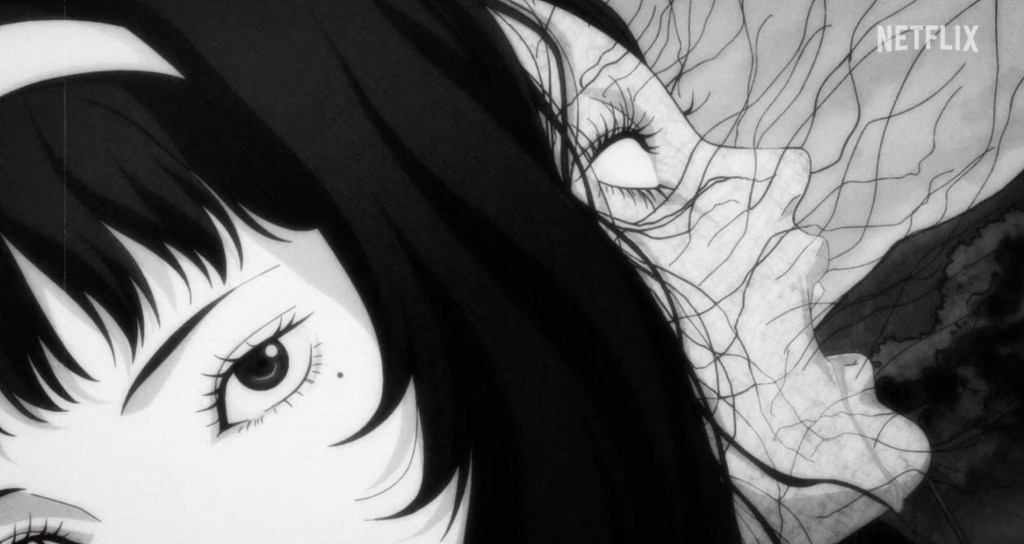
Il film si divide in tre atti, separati da didascalie e stilisticamente differenti, che vanno a comporre un’opera “ipertestuale” evocativa di diversi modi di fare cinema. Il primo episodio ci conduce nel territorio di Evil Dead (1981) che Ugana ibrida in modo sfrenato con il manga alla Junji Itō e la stilizzazione performativa del kabuki. Il gusto degli effetti artigianali, il sangue finto e il prostetico, la cura del sonoro e l’alterazione della voce dei demoni rimandano ai parossismi di Raimi, ma il regista conserva un’attenzione nei confronti dello spirito tipicamente giapponese: si veda il “tocco” umoristico del personaggio hikikomori, che continua imperturbabile a leggere fumetti mentre intorno a lui si scatena l’inferno.
Nel secondo episodio (“Tre mesi dopo”) Ugana si addentra nel territorio del noir misterioso (alla Siodmak) presentandoci due personaggi legati in un bar. Con pochi movimenti di macchina e uno spazio sfruttato nella sua valenza aliena e claustrofobica, il segmento mette a confronto il familiare e il perturbante, l’umano e l’ibrido. Ai ritmi veloci e segmentati della prima parte sembra subentrare una pausa dialogico/esistenzialista, ma il gusto del bizzarro interviene a sovvertire la linearità dei codici messi in scena. È evidente come nell’immaginario di Ugana le suggestioni si affastellino, generando deviazioni radicali dal materiale di partenza. Il regista è “pieno di cinema” e le sue immagini finiscono con l’eccedere e traboccare di materiali estranei: qui, tra le bottiglie del bar, compaiono inquietanti teste canterine, quasi degli yōkai che si fanno beffe del destino degli uomini.
Ma è probabilmente il terzo segmento (“Un anno dopo”) a offrire allo spettatore l’esperienza più singolare ed entusiasmante. L’incontro tra umani e mostri devia totalmente da qualsiasi cliché per assumere le forme (colte) del teatro dell’assurdo, ibridato col nonsense alla Roy Andersson. Questi mostri non sono poi molto diversi dai frastornati e pallidi personaggi di Un piccione seduto su un ramo riflette sull’esistenza (2014). È nel freak, infantile e desideroso di amore, che Ugana va ricercando tracce di una nuova umanità calda, familiare. Piccoli episodi alla Tati, scherzi, campi lunghi sul mare – in una suggestione deragliata di nouvelle vague – sfociano nella solitudine finale del mostro, smarrito di fronte ai misteri dell’esistere. Il suo cammino si conclude ai piedi di un monolito kubrickiano, nell’estrema desertificazione del tutto.
Il regista non si prende mai sul serio e Visitors con grande energia ci conduce attraverso una personale “storia del cinema”, in un giardino di idee dove esplodono immagini di Lucio Fulci, Nobuhiko Obayashi, il demenziale di Zucker-Abrahams-Zuckers e persino un cameo di Lloyd Kaufman, fondatore della Troma. Ma resta, al termine della convulsa visione, una profonda tenerezza per l’innocenza dei suoi freaks.
Va sottolineata, infine, la bravura di Ugana nella direzione degli attori, così come l’abnegazione dei suoi interpreti-kamikaze, pronti ad assecondare e rendere credibili le trovate più stravaganti. In particolare la protagonista Shiho, con una voce mutuata dagli alieni di Mars Attacks (1996) di Tim Burton, riesce a strappare allo spettatore una commozione inaspettata. La sua cicatrice sul petto è anche una ferita interiore, di cui resta traccia nel suo sguardo stralunato.


English Version
Contemporary Japanese cinema has no shortage of filmmakers eager to break free from conventional formulas in pursuit of an anarchic, vibrant genre cinema. Among them is Kenichi Ugana, driven by a playful, surrealist pleasure principle: his Visitors: Complete Edition (2023) is a manifesto of nansensu eccentricity and a declaration of love for the glories of horror cinema’s past. Yet it is also a protean, visionary work that reaches beyond compulsive nostalgia and an obsession with cinematic quotation.
The distinctive, deeply personal poetics of Visitors absorb familiar atmospheres and emblematic objects—the isolated house on the outskirts; the familiar turning demonic; chainsaws grafted onto bodies; blood and bodily fluids—and recast them within a contemporary world that seems to have no room left for the freak or the outsider. Ugana feels genuine affection for the “monster”: confined and misunderstood, almost a Beckettian character waiting for a fate to unfold.
The film is divided into three stylistically distinct acts, separated by intertitles, which together form a “hypertextual” work evoking different approaches to filmmaking. The first episode takes us into The Evil Dead (1981) territory, which Ugana freely crossbreeds with Junji Itō’s manga and the stylised performance traditions of kabuki. The relish for handmade effects, fake blood and prosthetics, the meticulous sound design and the distorted demonic voices all recall Raimi’s frenzied excesses, yet the director remains attentive to a distinctly Japanese sensibility. Witness the humorous touch of the hikikomori character, who calmly carries on reading manga while all hell breaks loose around him.
In the second episode (“Three Months Later”), Ugana ventures into the enigmatic territory of noir, in the vein of Siodmak, introducing two characters tied up at opposite ends of a bar. With sparing camera movements and a setting whose alien, claustrophobic qualities are fully exploited, the segment brings the familiar face to face with the uncanny, the human with the hybrid. The rapid, fragmented rhythms of the opening section seem to give way to a dialogue-driven, existentialist interlude, but a taste for the bizarre intervenes to disrupt the linearity of the cinematic codes at play. Within Ugana’s imagination, influences clearly pile up, generating radical departures from the original material. The director is “full of cinema”, and his images ultimately overflow with extraneous elements: here, unsettling singing heads appear among the bottles behind the bar, like yōkai mocking human destiny.
Yet it is probably the third segment (“One Year Later”) that offers the viewer the most singular and exhilarating experience. The encounter between humans and monsters veers away from every cliché to embrace the sophisticated forms of the theatre of the absurd, crossed with Roy Andersson-style nonsense. These monsters are not so very different from the dazed, pallid characters in A Pigeon Sat on a Branch Reflecting on Existence (2014). It is in the childlike freak, yearning for love, that Ugana seeks traces of a new humanity, warm and familiar. Tati-like vignettes, pranks and long shots of the sea—in a wayward evocation of the nouvelle vague—give way to the monster’s final solitude, adrift before the mysteries of existence. Its journey ends at the foot of a Kubrickian monolith, amid the ultimate desertification of everything.
The director never takes himself too seriously, and Visitors carries us with tremendous energy through a personal “history of cinema”, into a garden of ideas where images from Lucio Fulci and Nobuhiko Obayashi burst into bloom alongside the zany comedy of Zucker–Abrahams–Zucker and even a cameo by Troma founder Lloyd Kaufman. Yet what lingers at the end of this convulsive viewing experience is a profound tenderness for the innocence of his freaks.
Finally, Ugana’s skill in directing actors deserves recognition, as does the selfless commitment of his kamikaze performers, ready to embrace his most outlandish conceits and make them believable. In particular, the lead actress Shiho, with a voice borrowed from the aliens in Tim Burton’s Mars Attacks! (1996), manages to move the viewer in unexpected ways. The scar on her chest is also an inner wound, whose traces linger in her bewildered gaze.





Rispondi