
[Please scroll down for the English version]
Nel 1997 Kon Satoshi esordisce sul grande schermo con Perfect Blue, dando una forte scossa all’industria anime: artisti e critici rimasero impressionati da questo debutto audace, in cui filosofie novecentesche, psicanalisi e nouveau roman, metacinema e gusto horror allo stesso tempo raffinato e exploitation aderivano senza soluzione di continuità. Dalla radicata passione cinefila di Kon, dal suo immaginario liberamente in movimento tra realtà e sogno, era nata un’opera che mirava a riprodurre lo spirito umano e il suo discorso interiore. Il film, purtroppo, non ebbe successo commerciale, cosa che pose Kon su un piano scomodo: la sua reazione fu di tentare con una secondo lungometraggio meno radicalmente “di genere”, ma che non tradisse la sua ispirazione.
Da questo stato d’animo ha origine Millennium Actress, tra i più bei film “sul cinema” mai realizzati. Per la sua complessità, per il suo linguaggio “generativo” che innesca continui rimandi metacinematografici, per la qualità compositiva che affonda in un immaginario collettivo profondo, Millennium Actress è un’opera “sorella” di altri due misterici capolavori: Viale del Tramonto (1950) e Fedora (1978), forme di espressione artistica che superano il proprio tempo per diventare frammenti di percorso iniziatico attraverso lo spazio surrealista del cinema, il suo potere veggente, la sua natura psicanalitica.
Tra tutti i film di Kon, Millennium Actress è forse quello che più intensamente guarda al passato, o ancor meglio alle relazioni che intercorrono tra passato, presente e futuro. Il regista si riallaccia al più grande successo popolare degli anni ’50, What is your name? storia di un amore costantemente inseguito e ostacolato dalle circostanze; e costruisce un’opera venata di malinconia, ma anche di amore per la vita e le sue infinite possibilità. Il film esplora il mistero della circolarità del tempo: il passato proietta luci e ombre sul presente, mentre il futuro è quel viso che si mostra e fugge, lasciandoci col desiderio di raggiungerlo.
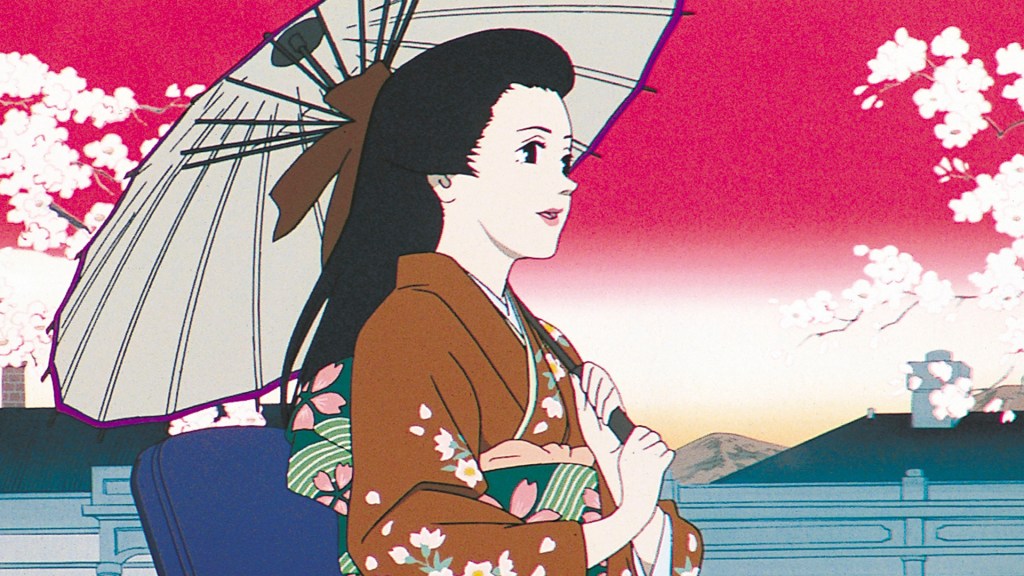
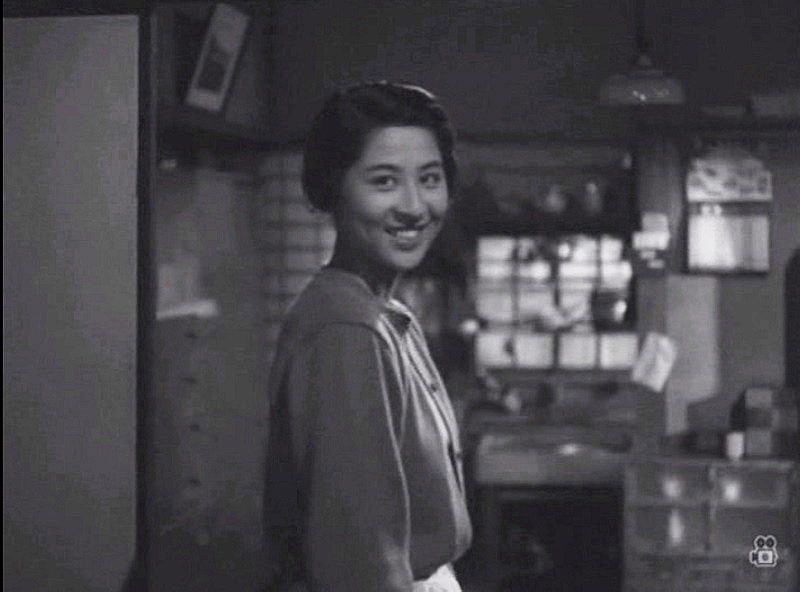
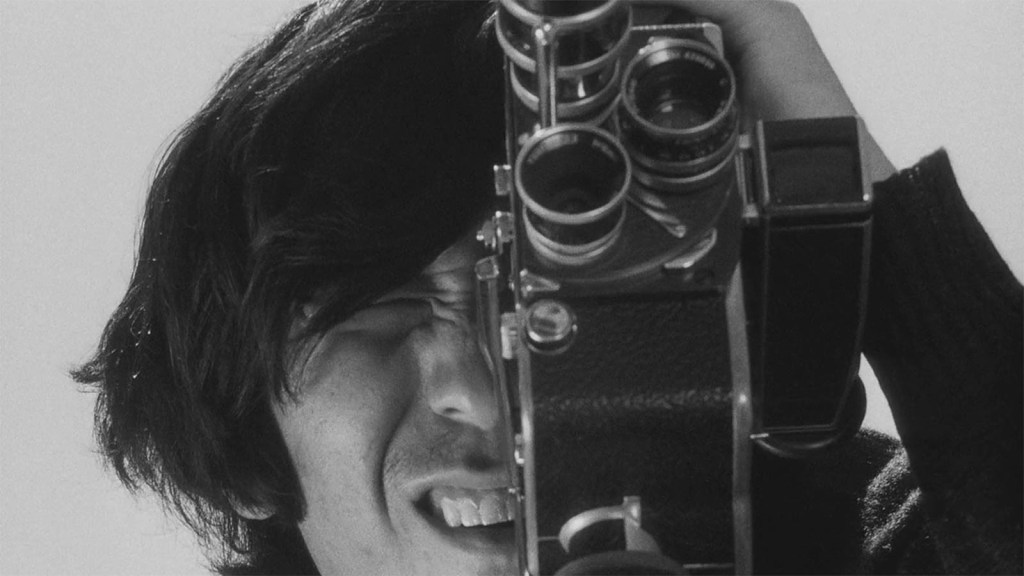
Apparentemente la trama è semplice: un documentarista si reca a intervistare la celebre ed elusiva diva Fujiwara Chiyoko, ritirata da trent’anni in un solitario isolamento. Come tutte le eroine di Kon, Chiyoko è una figura “duplice” in cui il regista trasferisce i tratti biografici e il percorso artistico di due grandi protagoniste del cinema giapponese: Setsuko Hara e Hideko Takamine. Flashbacks ci conducono dolcemente (à la Cocteau) nel passato di Chiyoko, mostrandoci la sua carriera di attrice e la sua parallela ricerca di un uomo misterioso, di cui è perdutamente innamorata. Durante l’intervista, il documentarista e il suo cameraman “scivolano” all’interno dei ricordi di Chiyoko, prendendone parte: ecco allora che la grande avventura del cinema giapponese diviene anche racconto individuale, memoria e sogno.
Seguendo la linea tracciata da Perfect Blue, opera speculare, Kon ci suggerisce che l’immagine cinematografica non può restituire la “realtà oggettiva”, poiché questa non esiste; anzi, il suo specifico è la restituzione di molteplici realtà soggettive. Nel cuore umano “i ricordi, il presente, il passato e il futuro coesistono”, secondo la filosofia di Kon; la vita passa attraverso la libertà e la fantasia delle nostre percezioni.
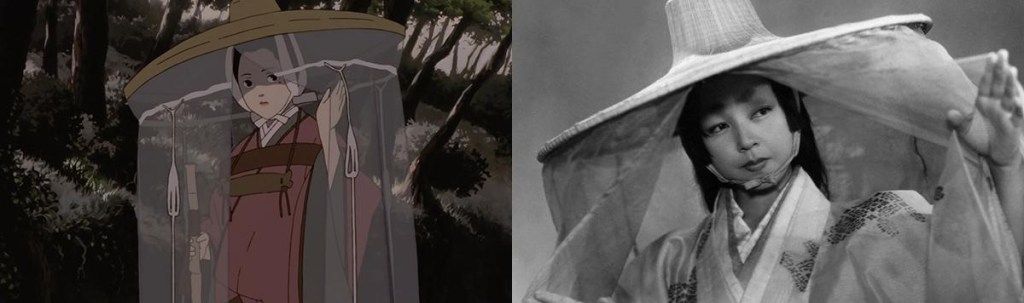
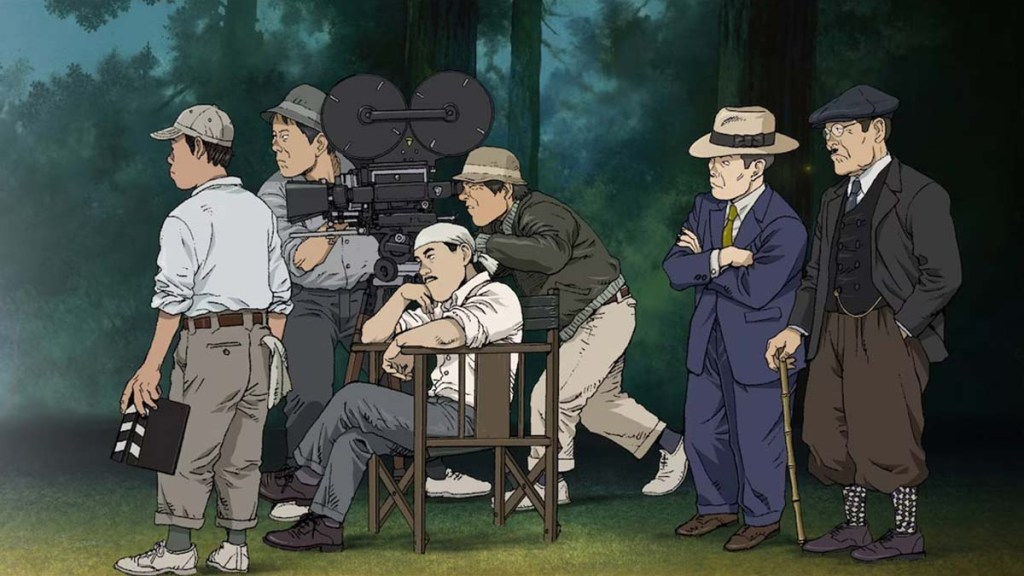
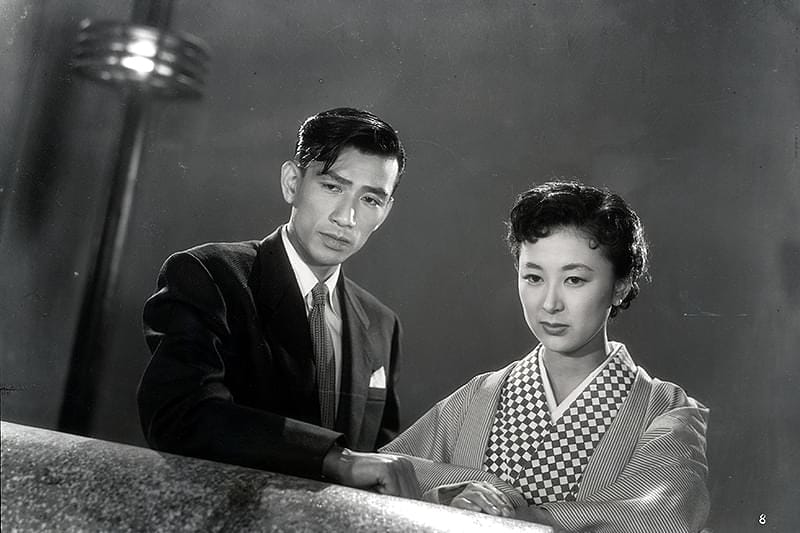
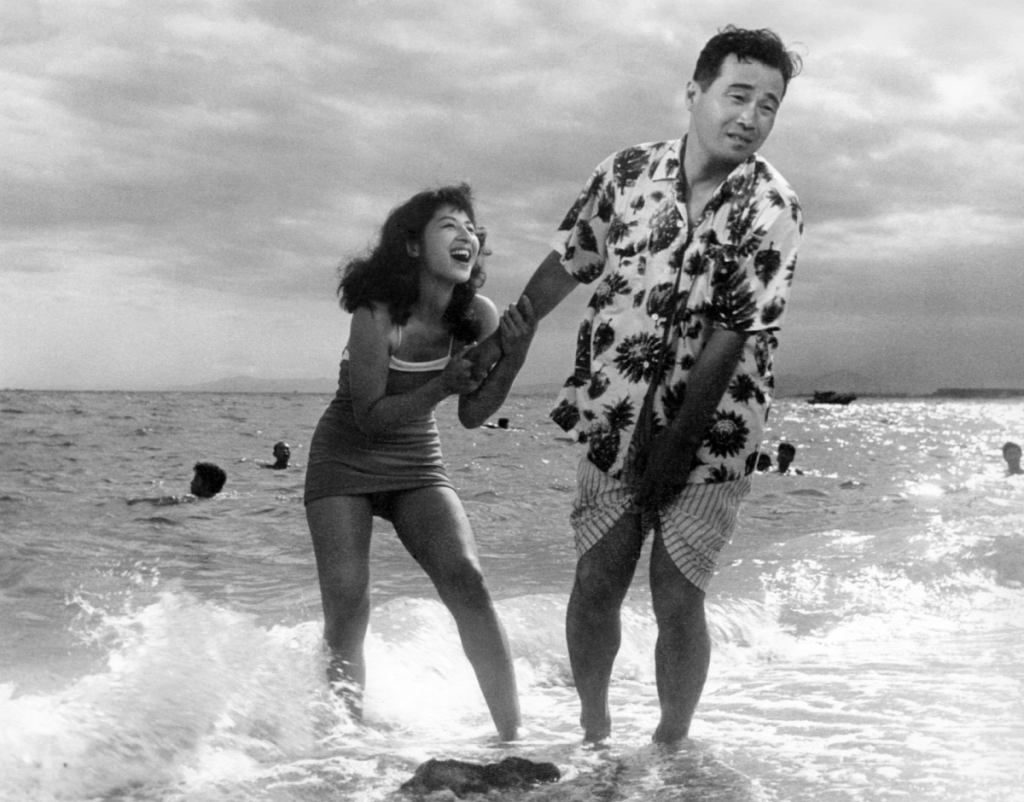
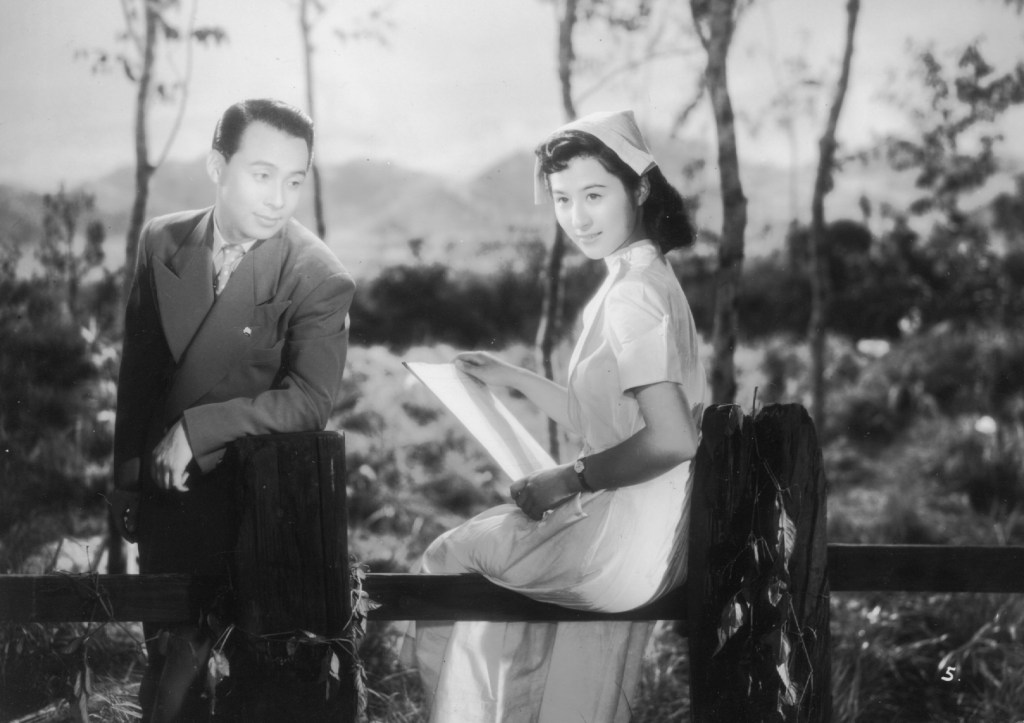
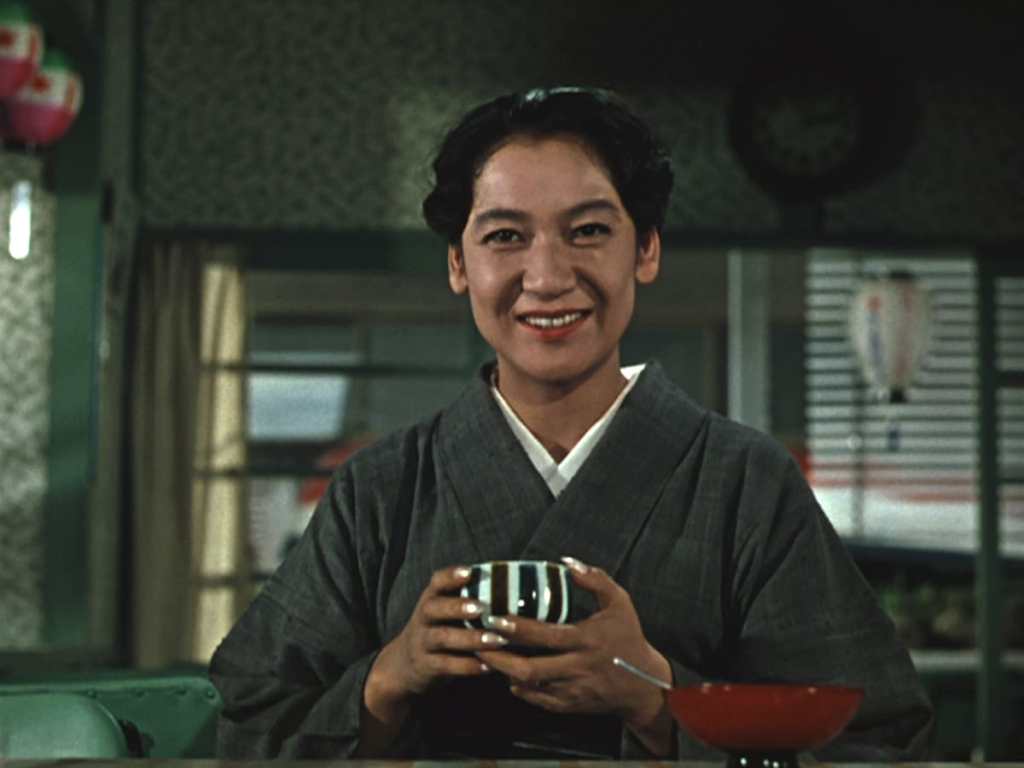
La troupe segue Chiyoko attraverso diversi periodi temporali e generi che fanno riferimento a grandi autori del passato (Ozu, Kurosawa, Mizoguchi, Naruse…): vere lettere d’amore tecnicamente stupefacenti. La protagonista corre nel mezzo di una realtà “messa in scena” in cui i fondali colorati cambiano come in un film di Kinoshita; piani sequenza si risolvono in una concezione temporale soggettiva, che vede anni trascorrere in un secondo; piogge di frecce diventano bombe, scenografie jidai-geki si trasformano in paesaggi devastati dalla seconda guerra mondiale; manifesti cinematografici (What’s Your Name e Love Letter, entrambi del 1953) ci parlano di realismo e romanticismo post-bellici. La memoria del cinema è un nastro che scorre senza fine. Chiyoko, modellata su Setsuko Hara, Hideko Takamine ma anche Kinuyo Tanaka, è “la donna” del cinema giapponese: creatura trasfigurata, amata, desiderata; personaggio protagonista del cambiamento, corpo del sacrificio, ma sempre pronta a vivere e amare, a gettarsi in un futuro sconosciuto. La Millennium Actress piange con il viso tra le mani ricordandoci la Noriko di Viaggio a Tokyo (1953), corre in bicicletta come Hisako in Twenty-four eyes (1954), affronta una photocall giornalistica assieme a Godzilla (1954), cammina tra le macerie come Yukiko di Floating Clouds (1955)
Stupisce, ancora una volta, l’ingegno senza fine del regista nel sovrapporre in forme emotivamente struggenti realtà e finzione, e parallelamente cinema e metacinema. Kon interpreta codici linguistici in trasformazione: la pulizia classica diviene immagine “instabile” moderna fino ad arrivare alle sperimentazioni del fantastico. La colonna sonora di Susumu Hirasawa, che si sviluppa attraverso stili differenti (dal pianoforte romantico all’inquietudine elettronica) contribuisce a proiettare il film in una dimensione irraggiungibile: là dove Chiyoko, incurante degli ostacoli, è la forte/fragile viaggiatrice dell’Amore: “dopotutto… è rincorrerlo la cosa che mi piace di più”.
© Riproduzione riservata



English Version
In 1997, Satoshi Kon made his feature-film debut with Perfect Blue, delivering a powerful shock to the anime industry: artists and critics were struck by this audacious first work, in which twentieth-century philosophy, psychoanalysis and the nouveau roman, metacinema, and a horror sensibility at once refined and exploitation-driven merged seamlessly. From Kon’s deep-rooted cinephilia, from an imagination moving freely between reality and dream, emerged a work that sought to reproduce the human mind and its inner discourse. Unfortunately, the film was not a commercial success, placing Kon in an uncomfortable position: his response was to attempt a second feature less radically bound to “genre”, without betraying his own inspiration.
Out of this state of mind came Millennium Actress, one of the most beautiful films ever made “about cinema”. In its complexity, in its “generative” language, constantly setting metacinematic echoes in motion, and in the compositional richness with which it draws upon a deep collective imagination, Millennium Actress is a “sister” work to two other mysterious masterpieces: Sunset Boulevard (1950) and Fedora (1978), forms of artistic expression that transcend their own time to become fragments of an initiatory journey through the surreal space of cinema, its visionary power, its psychoanalytic nature.
Among all of Kon’s films, Millennium Actress is perhaps the one that looks most intensely toward the past — or, more precisely, toward the relationships between past, present, and future. The director reconnects with the greatest popular success of the 1950s, What Is Your Name?, the story of a love constantly pursued and thwarted by circumstance, and creates a work tinged with melancholy, but also with a profound love of life and its infinite possibilities. The film explores the mystery of the circularity of time: the past casts light and shadow onto the present, while the future is that face that appears and slips away, leaving us with the desire to reach it.
On the surface, the plot is simple: a documentary filmmaker sets out to interview the celebrated and elusive diva Fujiwara Chiyoko, who has lived in solitary seclusion for thirty years. Like all of Kon’s heroines, Chiyoko is a “double” figure, into whom the director transfers biographical traits and elements from the artistic trajectories of two great protagonists of Japanese cinema: Setsuko Hara and Hideko Takamine. Flashbacks gently lead us (à la Cocteau) into Chiyoko’s past, showing us her career as an actress and her parallel search for a mysterious man with whom she is hopelessly in love. During the interview, the documentary filmmaker and his cameraman “slip” inside Chiyoko’s memories and begin to take part in them: the great adventure of Japanese cinema thus becomes, at the same time, an individual story, memory, and dream.
Following the path traced by Perfect Blue, its mirror image, Kon suggests that the cinematic image cannot reproduce an “objective reality”, because such a reality does not exist; on the contrary, cinema’s specific power lies in giving form to multiple subjective realities. In the human heart, “memories, the present, the past and the future coexist”, according to Kon’s philosophy; life passes through the freedom and fantasy of our perceptions.
The crew follows Chiyoko across different periods and genres that evoke great filmmakers of the past — Ozu, Kurosawa, Mizoguchi, Naruse… — in technically astonishing love letters to cinema. The protagonist runs through a “staged” reality in which colourful backdrops change as if in a Kinoshita film; long takes dissolve into a subjective conception of time, where years pass in a single second; showers of arrows become bombs, jidai-geki sets turn into landscapes devastated by the Second World War; film posters — What Is Your Name? and Love Letter, both from 1953 — speak to us of postwar realism and romanticism. The memory of cinema is an endless ribbon unspooling.
Chiyoko, modelled on Setsuko Hara and Hideko Takamine, but also on Kinuyo Tanaka, is “the woman” of Japanese cinema: a transfigured creature, loved and desired; a protagonist of change, a body marked by sacrifice, yet always ready to live and love, to cast herself into an unknown future. The Millennium Actress weeps with her face in her hands, recalling Noriko in Tokyo Story (1953); rides a bicycle like Hisako in Twenty-Four Eyes (1954); faces a press photocall alongside Godzilla (1954); walks through the ruins like Yukiko in Floating Clouds (1955).
Once again, one is astonished by the director’s inexhaustible ingenuity in superimposing reality and fiction in forms of piercing emotional intensity, and, in parallel, cinema and metacinema. Kon interprets cinematic codes in a state of transformation: classical clarity becomes the “unstable” image of modernity, eventually opening onto experiments in the fantastic. Susumu Hirasawa’s score, unfolding through radically different styles — from romantic piano to electronic unease — helps project the film into an unattainable dimension: the place where Chiyoko, heedless of every obstacle, becomes the strong and fragile traveller of Love:
“After all… chasing after him is what I love most.”
© All rights reserved










 Nubi Fluttuanti
Lascia un commento