
[Please scroll down for the english version]
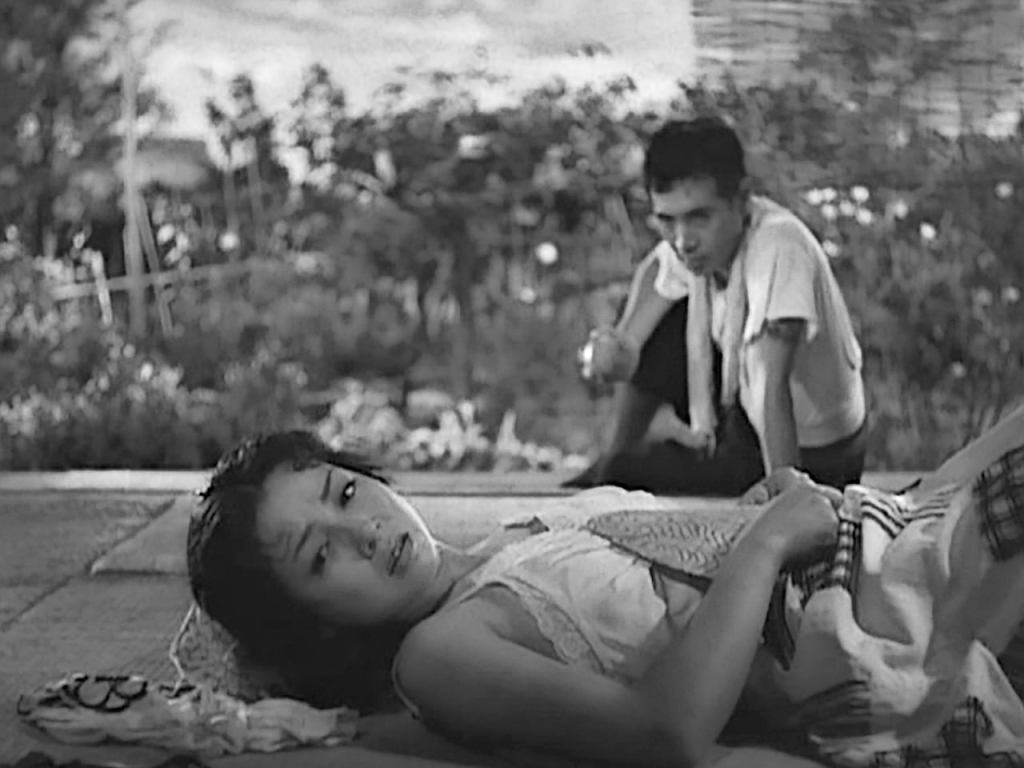
Mon (Machiko Kyo), figlia di due poveri contadini da tempo trasferita a Tokyo, resta incinta dopo una relazione con lo studente Kobata e decide di tornare a casa. I suoi genitori temono uno scandalo, mentre l’irascibile fratello maggiore Inokichi (Masayuki Mori) reagisce picchiando prima Kobata, poi la stessa Mon. Nel frattempo La sorella minore San (Yoshiko Kuga) è divisa tra il suo fidanzato Koiichi, che le propone di fuggire, e i doveri familiari.
In Older Brother, Younger Sister, gli aridi paesaggi rurali, scarnificati dal sole battente e dalla povertà, si riflettono nell’animo di personaggi pulsionali, agitati come insetti, in grado di esprimersi solo brutalmente con calci e morsi, per quanto intimamente bisognosi di tenerezza. La “desertificazione” del dopoguerra lascia sentimenti indicibili, privi di argini sotto un cielo di fuoco. Naruse ancora una volta focalizza la propria poetica sul rapporto io-mondo: i contesti storici e sociali, che tanta parte hanno nel suo cinema, lo interessano come componente di un vissuto interiore.
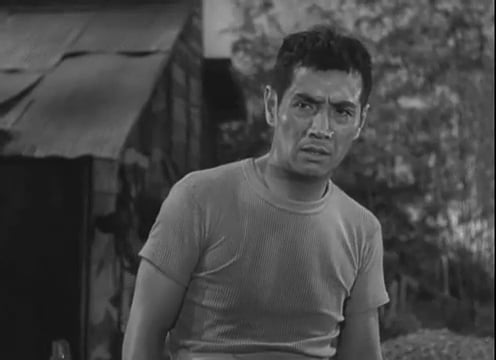
Opera passionale e cangiante, dalle molteplici gradazioni stilistiche ed emotive, il film è anche espressione delle raffinatezze dell’arte di Naruse, regista inafferrabile e capace di imprimere derive ludiche a uno sguardo apparentemente entomologico. Basterebbe l’innegabile piacere slapstick con cui il regista allestisce lo scontro tra il rozzo campagnolo Inokichi e l’ipocrita studente “perbene” Kobata a sottrarre la sua complessa filmografia da schematizzazioni che lo vedono “metteur en scène” di tristi melodrammi.
La sequenza è memorabile: il furente Inokichi insegue il languido e vigliacco Kobata, e volano ceffoni mentre lo studente tenta, comicamente, la fuga. La vigliaccheria patetica di Kobata, che vorrebbe cavarsela con un misero e disonorevole risarcimento in denaro, diventa anche l’occasione per una fotografia del classismo dell’epoca: Mon, agli occhi dello studente, non è che un incidente di percorso di cui sbarazzarsi senza responsabilità o complicazioni affettive. Come accadrà anche in Quando una donna sale le scale (1960), un meschino personaggio maschile usa il “pagamento” come forma di chiusura di un rapporto indecoroso per la propria posizione.
All’eleganza urbana e ipocrita di Kobata il regista contrappone Inokichi, più selvaggio di Marlon Brando nell’omonimo film. Il suo carattere è naturalmente incendiario, figlio delle implacabili pianure assolate, e l’amore per Mon è più che fraterno (come i sentimenti di Scarface di Howard Hawks, 1932, per la sorella Cesca). Si allungano ombre oscure, da tragedia classica, su questo melodramma di paese; eppure Naruse non rinuncia a uno humour sferzante e corporale, da epoca del muto.
Inokichi finisce con l’alzare le mani anche su Mon, e con un ulteriore, rapidissimo mutamento di toni, la commedia si stempera in dramma feroce. Fratello e sorella si consumano, graffiando e mordendo come animali selvatici; l’immagine è quella di due derelitti sradicati dalla razionalità e bruciati dal sole (come Jennifer Jones e Gregory Peck in Duello al sole, 1947, ma senza l’epica di Vidor).
Mon ripartirà per Tokyo dopo aver perdonato Inokichi, forte della comprensione che li unisce: entrambi sono trascinati dalla stessa impetuosa corrente, appena addolcita da una scia d’amore. Una palpabile tensione erotica percorre il film, che ci appassiona con i suoi personaggi eccessivi eppure, in qualche modo, innocenti. Bravissimo, in un ruolo per lui insolito, Masayuki Mori, già ultraquarantenne e interprete di tanti personaggi urbani, eleganti e sensibili (Floating Clouds è del 1955): il suo “giovane” Inokichi è credibile, minaccioso ma anche sotterraneamente sofferente.


English Version
Mon (Machiko Kyō), the daughter of two poor farmers who long ago moved to Tokyo, becomes pregnant after a relationship with the student Kobata and decides to return home. Her parents fear a scandal, while her hot-tempered older brother Inokichi (Masayuki Mori) reacts by beating first Kobata, then Mon herself. Meanwhile, the younger sister San (Yoshiko Kuga) is torn between her fiancé Koiichi—who urges her to run away with him—and her family duties.
In Older Brother, Younger Sister, the arid rural landscapes, stripped bare by the blazing sun and by poverty, are reflected in the souls of impulsive characters, agitated like insects, capable of expressing themselves only through brutal kicks and bites—despite their deep, unspoken need for tenderness. The “desertification” of the postwar years leaves behind inexpressible feelings, overflowing beneath a fiery sky. Once again, Naruse focuses his poetics on the relationship between self and world: the historical and social contexts that play such a large part in his cinema matter to him insofar as they shape inner experience.
A passionate, shape-shifting work, with multiple stylistic and emotional gradations, the film also displays the refinements of Naruse’s art—elusive, and capable of injecting playful detours into what at first seems an entomological gaze. The sheer slapstick pleasure with which he stages the clash between the coarse country bumpkin Inokichi and the hypocritical “respectable” student Kobata would be enough to rescue his complex filmography from the reductive label of a mere metteur en scène of sad melodramas.
The sequence is unforgettable: the enraged Inokichi chases the languid, cowardly Kobata, and slaps fly as the student tries to escape in comic panic. Kobata’s pathetic cowardice—he hopes to settle the matter with a paltry, dishonorable payment—also becomes an opportunity to depict the classism of the era: to him, Mon is nothing more than an inconvenience to be disposed of without responsibility or emotional entanglement. As would later happen in When a Woman Ascends the Stairs (1960), a petty male character uses “payment” as a way to close a relationship that would be indecorous for someone of his standing.
To Kobata’s urban and hypocritical elegance, the director contrasts Inokichi, more feral than Marlon Brando in the film of the same name. His nature is inherently incendiary, a son of the pitiless sun-scorched plains, and his love for Mon is more than fraternal (like the feelings Scarface harbors for his sister Cesca in Howard Hawks’s 1932 film). Dark, tragic shadows stretch across this rural melodrama; and yet Naruse never relinquishes a biting, bodily humor reminiscent of the silent era.
Inokichi eventually raises his hands against Mon as well, and with another rapid shift in tone, comedy gives way to fierce drama. Brother and sister wear each other down, scratching and biting like wild animals; the image is that of two outcasts, uprooted from rationality and scorched by the sun (as in Duel in the Sun, 1947, with Jennifer Jones and Gregory Peck—but without Vidor’s epic scale).
Mon ultimately returns to Tokyo after forgiving Inokichi, strengthened by the understanding that binds them: both are swept along by the same impetuous current, softened only by a faint trail of love. A palpable erotic tension courses through the film, drawing us in with its characters—excessive, and yet somehow innocent. Remarkable, in an unusual role for him, is Masayuki Mori, already in his forties and known for his portrayals of urban, elegant, sensitive men (Floating Clouds dates from 1955): his “young” Inokichi is convincing, menacing, yet secretly tormented.










 Nubi Fluttuanti
Lascia un commento