

[Please scroll down for the English version]
Jim Jarmusch ha vinto il Leone d’Oro a Venezia con un film sulle relazioni familiari: Father Mother Sister Brother, un titolo che ha non poche affinità con i titoli di Naruse (si pensi a Mother, 1952, Older Brother, Younger Sister, 1953, oppure Daughters, Wives and a Mother, 1960). Anche in altre occasioni il regista statunitense ha omaggiato il cinema del grande maestro giapponese – di cui si è sempre dichiarato un grande ammiratore – come scrissi nel mio breve saggio dedicato a Naruse.
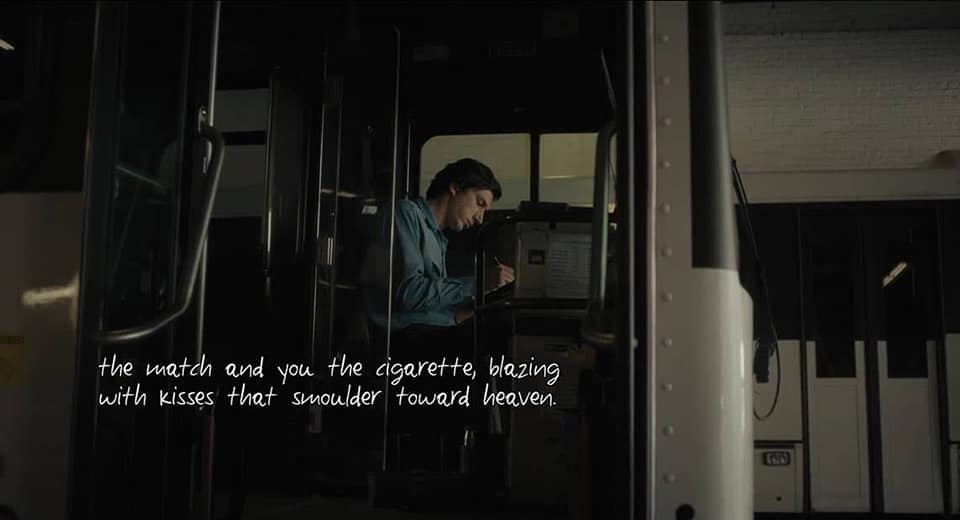
“In A Wanderer’s Notebook (1962), il film dedicato a Fumiko Hayashi, poetessa “errante”, Naruse affronta il difficile compito di dover visualizzare “l’immaginazione poetica” della protagonista, il cui rapporto col mondo trova nella scrittura il legame più profondo. Il regista sceglie di sovraimprimere direttamente i versi sull’inquadratura: la parola si fa immagine grafica del pensiero, pronunciato verbalmente da un voice over. Si tratta di una soluzione apparentemente semplice ma di grande modernità, che dà allo spettatore accesso immediato ai pensieri di Fumiko. Tutto ciò non è dissimile dalla visione di Emily Dickinson che considerava la poesia, una volta stampata, “corporea illustrazione”. Il regista Jim Jarmusch adotterà un procedimento simile nel film Paterson (2016).”

English Version
Jim Jarmusch won the Golden Lion at Venice with a film about family relationships: Father, Mother, Sister, Brother, a title that bears many similarities to Naruse’s films (think of Mother, 1952; Older Brother, Younger Sister, 1953; or Daughters, Wives, and a Mother, 1960). On other occasions, the American director has also paid homage to the cinema of the great Japanese master—of whom he has always declared himself a great admirer—as I wrote in my short essay on Naruse.
“In A Wanderer’s Notebook (1962), the film dedicated to Fumiko Hayashi, a “wandering” poet, Naruse faces the difficult task of having to visualize the “poetic imagination” of the protagonist, whose relationship with the world finds its deepest connection in writing. The director chooses to superimpose the verses directly onto the frame: the word becomes a graphic image of the thought, pronounced verbally by a voiceover. It is a seemingly simple but highly modern solution, which gives the viewer immediate access to Fumiko’s thoughts. All this is not dissimilar to the vision of Emily Dickinson who considered poetry, once printed, “corporeal illustration”. Director Jim Jarmusch will adopt a similar procedure in the film Paterson (2016).”










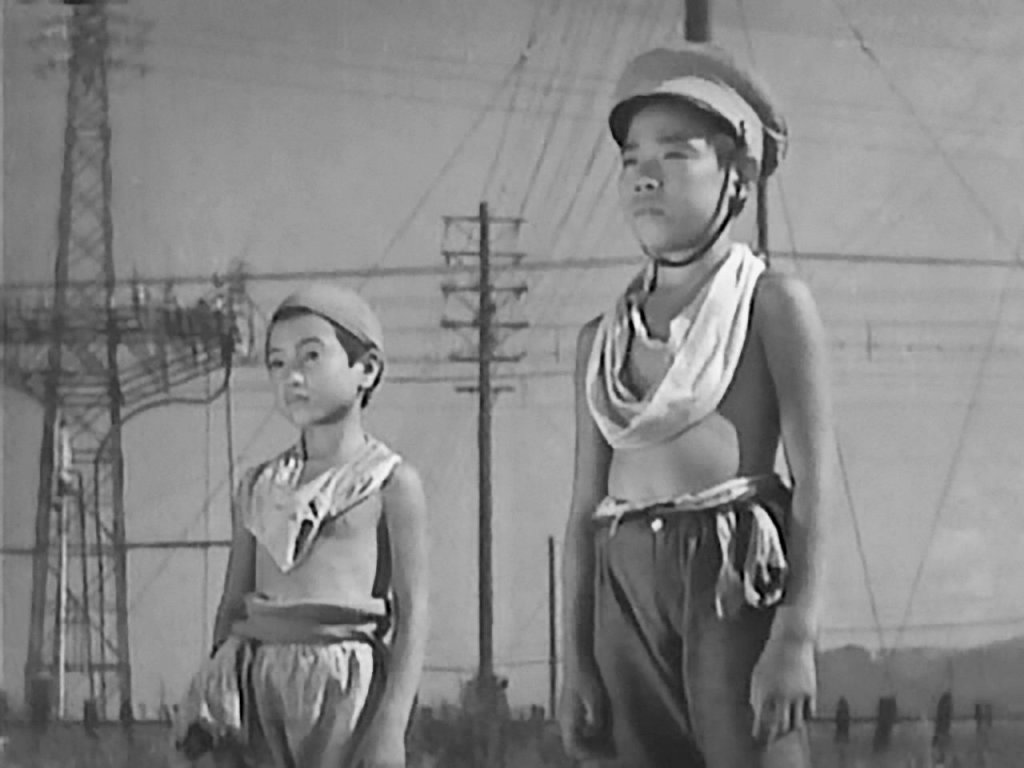
 Nubi Fluttuanti
Scrivi una risposta a wombatprofoundly141ca8dc70 Cancella risposta