
[English version below]
Grazie a CG Entertainment e Cat People il film torna in sala, per la prima volta nella versione integrale restaurata in 4K.
Tokyo, 1936. La passione travolgente tra Sada, ex geisha, e Kichizo, il padrone della locanda in cui lavora, si trasforma in un rapporto erotico totalizzante e ossessivo. Sempre più isolati dal mondo esterno, i due amanti spingono la ricerca del piacere oltre ogni limite sociale e morale, culminando in un tragico epilogo.
“Mi trovavo a Parigi e avevo incontrato il produttore ebreo polacco Anatole Dauman, un uomo di grande intelletto, che aveva proiettato in Francia i miei film L’impiccagione e La cerimonia. (…) Dauman mi propose di collaborare a un nuovo film, un’idea che naturalmente trovai molto entusiasmante, anche se non sapevo che tipo di film avesse in mente. Quando glielo chiesi, disse: “Facciamo un film porno!”. Inizialmente la cosa mi sorprese, ma quando mi fermai a riflettere, mi resi conto che tentare un’impresa del genere poteva essere un’ottima idea.” [Intervista a Nagisa Oshima]
È da questo gesto di ludica anarchia che nasce L’impero dei sensi, opera sovversiva e dalla vicenda travagliata, che ha cambiato il modo di guardare all’eros, alla sessualità femminile e allo stesso tempo si è ribellata alla rigida censura giapponese. Oshima decide difatti di girare il film in Giappone e poi farlo sviluppare e montare in Francia, aggirando le severe leggi nipponiche e difendendo la propria libertà espressiva.
”Se lo avessimo definito un film francese, avremmo avuto la completa libertà di mostrare qualsiasi cosa. In tal caso, pensai, perché non realizzare qualcosa di hard-core?”
Secondo Kiyoshi Kurosawa, si tratta del momento di “massima audacia” nella storia del cinema giapponese.
L’impero dei sensi viene concepito mentre nuovi stimoli, tensioni e idee affollano la mente di Oshima, inattivo da 3 anni ma profondamente calato in una realtà di cambiamenti. Dopo essersi appassionato al pinku eiga e alla controversa, immaginifica vitalità del regista Koji Wakamatsu (che diventerà produttore del film), un viaggio negli Stati Uniti lo porta a scoprire la pornografia. Oshima scorge nell’atto sessuale nudo e vero, ripreso in dettaglio con una naturalezza priva di filtri e tabù, uno schiaffo all’ipocrisia borghese e ai meccanismi repressivi del sistema. L’impero dei sensi diventa però molto di più di un semplice hard-core, in una continua metamorfosi da dramma psicanalitico, eros feticista, storia d’amour fou, grido di libertà: un manifesto di cinema “nuovo” in cui le forme tradizionali del passato si scontrano con un grumo di desiderio violento ed esplicito.
Oshima apre il suo film con un’inquadratura di Sada “che pensa”. Notiamo subito la ricchezza dei colori e l’armonia compositiva degli ambienti, all’interno dei quali fremono pulsioni represse. Il regista ci mostra un paese in cui si agitano contraddizioni: la severità gerarchica e la sottomissione degli umili vengono affiancate a squarci di anarchia, come la presenza dell’anziano, nudo, che dorme ai margini della strada. Alcuni bambini lo stuzzicano con un bastone: e tra loro, Sada osserva con curiosità e voluttà, mentre il pene dell’uomo compare tra le gambe aperte.
Il desiderio di Sada si fa più forte e selvatico quando vede il suo padrone, Kichizo, intento a consumare un rapporto sessuale. È bellissimo come Oshima, con un’ardita operazione di rovesciamento, porti in primo piano lo sguardo di Sada sul corpo dell’uomo, assecondando quel processo di autoconsapevolezza (nato in seno al pinku eiga) che nel suo cinema si radicalizza sino alle estreme conseguenze. La figura femminile non è più oggetto passivo e armonico, raffigurato dai dipinti ukiyo-e, ma volitivo e selvaggio. Il regista conserva la delicatezza dei tratti e i radiosi cromatismi dell’arte classica, ma vi innesta l’autonomia del piacere femminile, la sua forza anarchica e distruttrice. Contemporaneamente, il corpo maschile viene “liberato” da strutture ideologiche, mostrato nella sua carnalità e nell’evidenza innocente del suo sesso.
Da dominatore ed espressione di un Giappone imperialista, l’uomo si fa arrendevole oggetto d’amore. In tal senso, L’impero dei sensi è il trionfo della tensione alla libertà del cinema di Oshima, il film che più rappresenta l’ostilità verso un sistema castrante e creatore di tabù: «Nulla di ciò che viene mostrato è osceno. Le uniche cose oscene sono quelle che si nascondono», dichiarerà il regista durante la deposizione processuale del 27 febbraio 1978 di fronte a un tribunale giapponese.
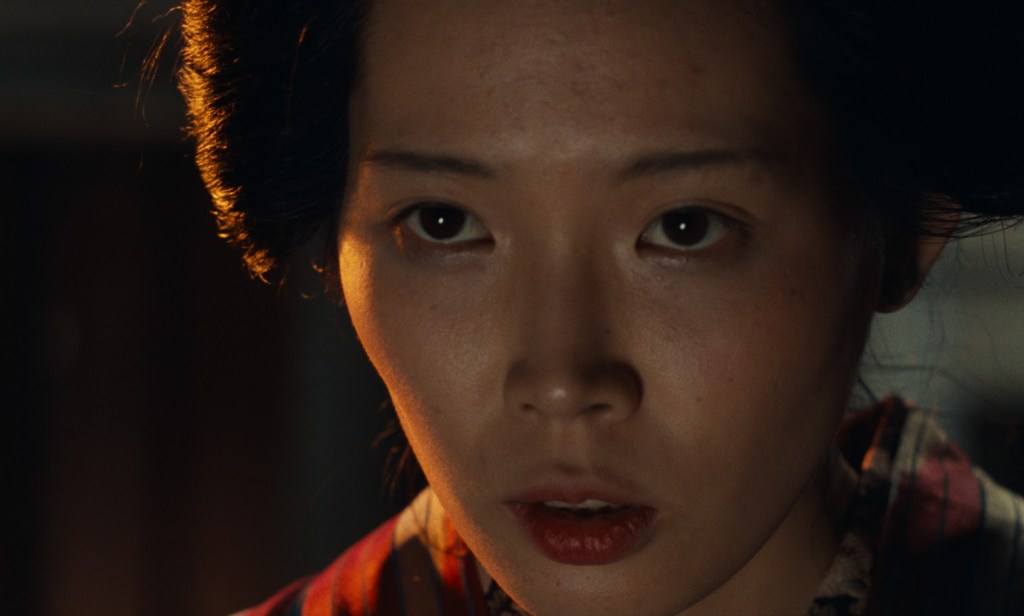
Sada osserva Kichizo con l’espressione di una bambina alle prese con impulsi primari, come fosse regredita a una fase orale. C’è, in questo ritorno a un’infanzia percettiva, la rivendicazione della propria indipendenza e della libertà creatrice dell’eros.
Tutto nel film di Oshima è un invito al voyeurismo: i bambini guardano, le ragazze adolescenti guardano, le geishe, le cameriere, e noi spettatori osserviamo insieme a loro. Il regista si concentra sull’atto del guardare, definendo l’erotismo come una forza innescata dal senso della vista: fantasie, pulsioni e stimoli che però non escludono pudore e tenerezza. L’attrazione sessuale tra Sada e Kichizo è inscindibile dalla dimensione sentimentale; e il primo incontro tra i due vede Sada visibilmente imbarazzata, mentre Oshima crea un immaginario iconograficamente romantico, incorniciando la scena con fiori e ornamenti decorativi.
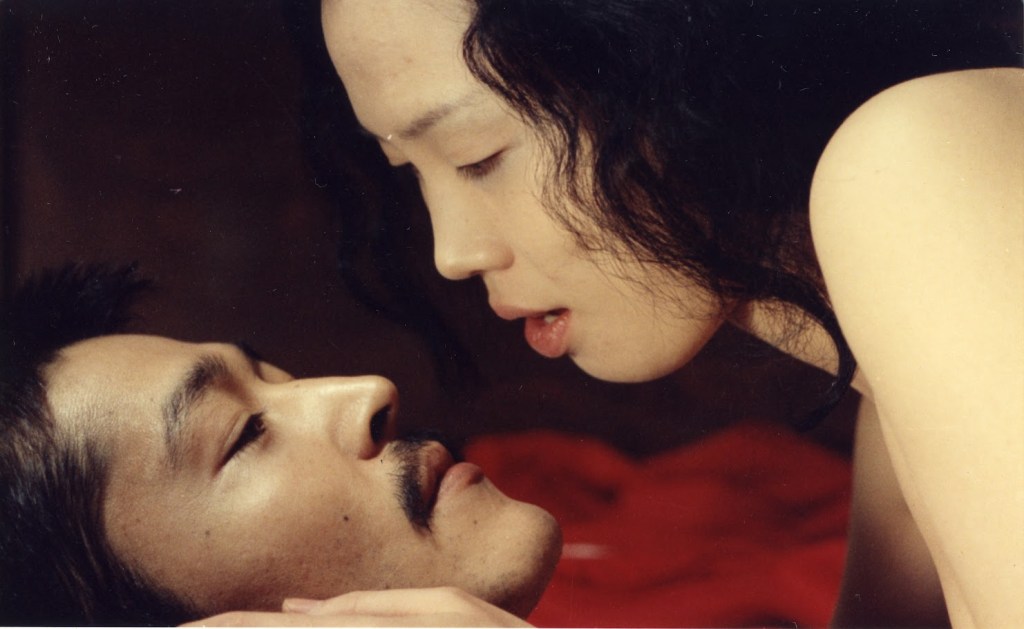
Il primo rapporto è, nelle parole di Sada, “felicità, follia e rinascita”. Oshima compone immagini orizzontali, che sembrano richiamare il Masumura di A Lustful Man (1961): ma stavolta è la donna a essere “lustful” e a dominare il piacere sessuale. In una scena, Sada pratica sesso orale a Kichizo mentre lui fuma una sigaretta; ma fra i due è lei a godere di più.
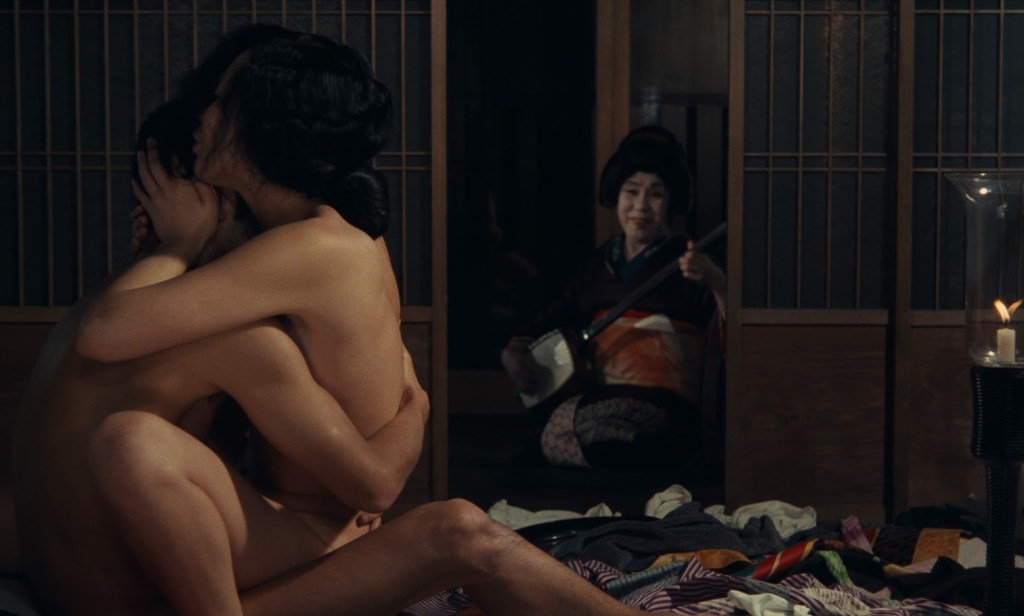
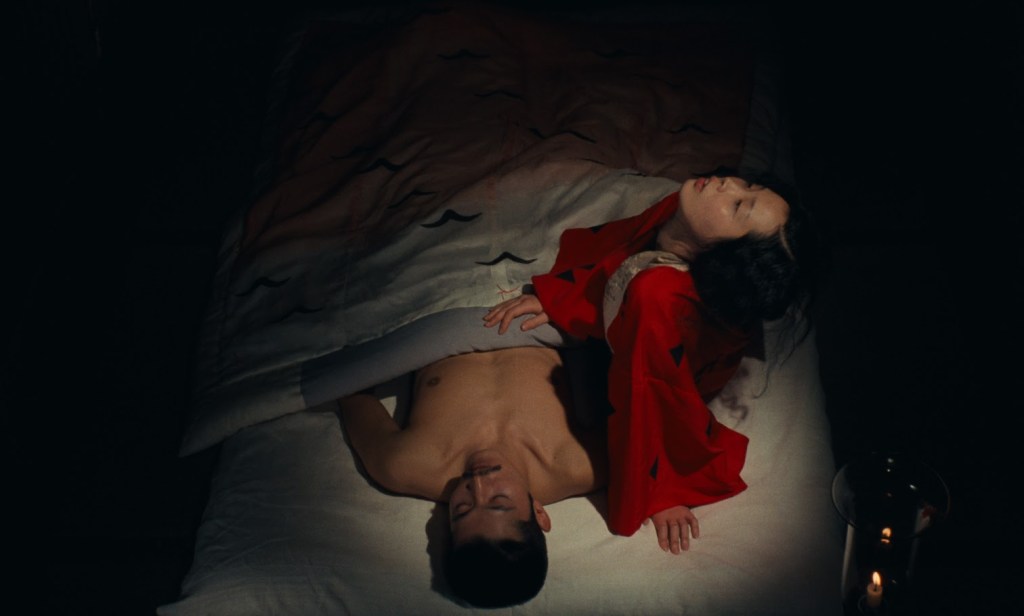
Negli interni, le immagini di grandissima bellezza geometrica e spirituale, realizzate con profondità di campo, riescono a esprimere il sapore di una classicità trascorsa su cui nascono, come fiori carnali, nuove passioni e nuovi desideri. Il frequente utilizzo di inquadrature dall’alto esprime proprio questa distanza rispetto al passato. Gli spazi, caldi e intimi, suggeriscono l’immagine di un matrimonio spirituale tra i due: un aspetto trascendente, qualcosa che non può essere spiegato esclusivamente da leggi umane. Questo “sesso orizzontale” non è peccaminoso ma liberatorio, come se tutte le emozioni lungamente rimaste represse del Giappone esplodessero senza più freni. La pulsionalità culmina anche in un’orgia, che però è sempre accompagnata da aspetti tradizionali e rituali: le danze, le formalità, il suono dello shamisen.
Oshima mette il pene al centro dello schermo: che sia eretto, o a riposo, occupa sempre il nostro sguardo. Sada lo vizia, lo vezzeggia; la sua voracità non esclude anche un atteggiamento protettivo, materno. Il paradosso de L’impero dei sensi, l’elemento che lo rende scandaloso e inaccettabile è proprio la sua natura profondamente romantica, di un romanticismo complice. Tra Sada e Kichizo vi è un riconoscimento reciproco che li conduce attraverso momenti di grande levità, totale comprensione e accettazione. Oshima ci introduce in una dimensione altra, in cui si intrecciano l’innocenza e la passione più cupa; un desiderio talmente forte che nel tentativo di superare se stesso anela alla morte. Ed è questo processo di coinvolgimento emozionale dello spettatore, assieme al sesso non simulato e alla totale abnegazione degli interpreti, a rendere L’impero dei sensi un’esperienza di un’intensità mai vista prima.
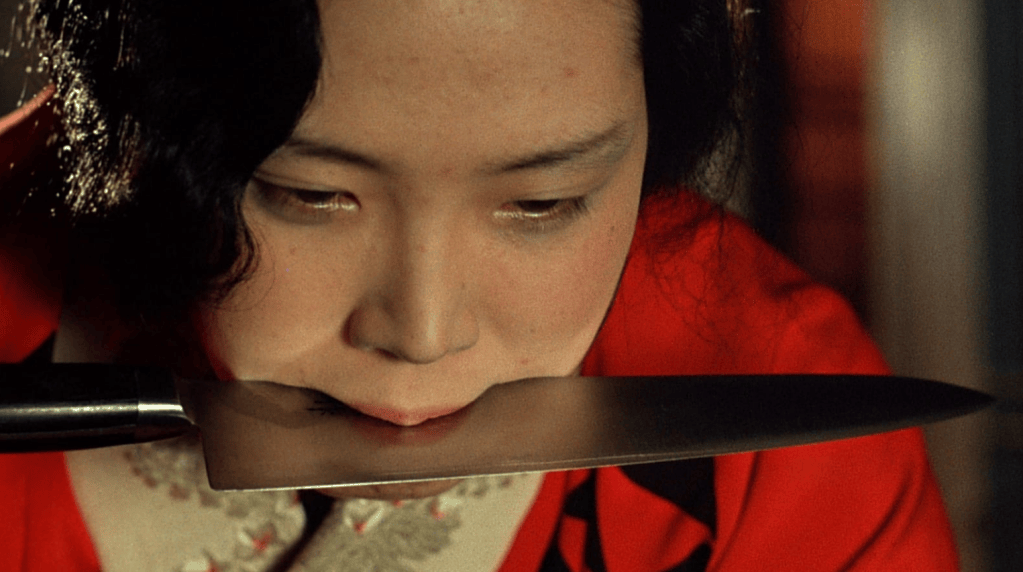
Il climax sullo strangolamento viene reso da Oshima con un’inquadratura di magnifica bellezza, centrale, frontale e perfettamente simmetrica, dominata da una luce innaturale alle spalle dei protagonisti. Sada viene totalmente identificata con l’immagine del rosso-sangue, per via del kimono, delle labbra, del fazzoletto e del colore che le illumina le guance. Kichizo si arrende, con una leggerezza che allo spettatore può risultare incomprensibile, e una giocosità dipinta sul suo viso che non viene meno nemmeno nella tragedia.
Separate dalla realtà e dalla Storia, Sada e Kichizo restano ancora oggi due anomalie, soprattutto in un presente in cui il sesso, sbandierato e banalizzato, ha perso la sua connotazione rivoluzionaria per essere ricondotto all’interno dell’ordine dominante.
Tutti gli articoli sono protetti da copyright: © Marcella Leonardi. Tutti i diritti riservati.
English version
Thanks to CG Entertainment and Cat People, the film returns to cinemas, for the first time in its complete, restored 4K version.
Tokyo, 1936. The overwhelming passion between Sada, a former geisha, and Kichizo, the owner of the inn where she works, develops into an all-consuming, obsessive erotic relationship. Increasingly isolated from the outside world, the two lovers push their pursuit of pleasure beyond every social and moral boundary, culminating in a tragic ending.
“I was in Paris and had met the Polish-Jewish producer Anatole Dauman, a man of great intellect, who had screened my films Death by Hanging and The Ceremony in France. (…) Dauman suggested that we collaborate on a new film, an idea I naturally found very exciting, although I had no idea what kind of film he had in mind. When I asked him, he said, ‘Let’s make a porno!’ At first I was surprised, but when I stopped to think about it, I realised that attempting such a venture might be an excellent idea.”
[Interview with Nagisa Oshima]
It was from this gesture of playful anarchy that In the Realm of the Senses was born: a subversive work with a troubled history, one that changed the way we look at eroticism and female sexuality, while also defying Japan’s rigid censorship. Oshima therefore decided to shoot the film in Japan and have it developed and edited in France, circumventing Japan’s strict laws and defending his freedom of expression.
“If we had called it a French film, we would have had complete freedom to show anything we wanted. In that case, I thought, why not make something hardcore?”
According to Kiyoshi Kurosawa, this was the moment of “greatest audacity” in the history of Japanese cinema.
In the Realm of the Senses was conceived at a time when new influences, tensions and ideas were crowding Oshima’s mind. He had not made a film for three years, yet remained deeply immersed in a changing world. After developing an interest in pinku eiga and in the controversial, imaginative vitality of director Koji Wakamatsu (who would become the film’s producer), a trip to the United States introduced him to pornography. Oshima saw in the sexual act, naked and real, filmed in detail with a naturalness free of filters and taboos, a slap in the face to bourgeois hypocrisy and the system’s mechanisms of repression. Yet In the Realm of the Senses becomes far more than a mere hardcore film, continually shifting between psychological drama, fetishistic eroticism, a tale of amour fou and a cry for freedom: a manifesto for a “new” cinema in which traditional forms of the past collide with a dense knot of violent, explicit desire.
Oshima opens his film with a shot of Sada “thinking”. We immediately notice the richness of the colours and the compositional harmony of the interiors, within which repressed impulses are stirring. The director shows us a country alive with contradictions: rigid hierarchies and the submission of the humble coexist with glimpses of anarchy, such as the presence of an elderly naked man sleeping by the roadside. Some children tease him with a stick, and among them Sada watches with curiosity and sensual pleasure, as the man’s penis becomes visible between his parted legs.
Sada’s desire grows stronger and wilder when she sees her employer, Kichizo, having sex. It is beautiful how Oshima, in a daring reversal, brings Sada’s gaze upon the man’s body to the foreground, following that process of self-awareness (which originated within pinku eiga) that his cinema takes to its furthest extremes. The female figure is no longer the passive, harmonious object depicted in ukiyo-e prints, but becomes wilful and untamed. The director preserves the delicacy of the lines and the radiant colours of classical art, while introducing the autonomy of female pleasure, its anarchic and destructive force. At the same time, the male body is “liberated” from ideological structures, shown in its physicality and in the innocent visibility of its sex.
Once a dominant figure and an expression of imperialist Japan, the man becomes a yielding object of love. In this sense, In the Realm of the Senses represents the triumph of Oshima’s cinematic pursuit of freedom, the film that most fully expresses his hostility towards a repressive system that creates taboos: “Nothing that is shown is obscene. The only obscene things are those that are hidden,” the director would declare during his court testimony before a Japanese tribunal on 27 February 1978.
Sada watches Kichizo with the expression of a child discovering primal impulses, as though she had regressed to an oral stage. In this return to a perceptual childhood lies the assertion of her own independence and the creative freedom of eroticism.
Everything in Oshima’s film is an invitation to voyeurism: the children watch, the adolescent girls watch, the geishas and the maids watch, and we spectators watch alongside them. The director focuses on the act of looking, defining eroticism as a force set in motion by the sense of sight: fantasies, impulses and stimuli that nevertheless do not exclude modesty and tenderness. The sexual attraction between Sada and Kichizo is inseparable from its emotional dimension; and at their first encounter Sada is visibly embarrassed, while Oshima creates a romantically charged visual world, framing the scene with flowers and decorative ornaments.
Their first sexual encounter is, in Sada’s words, “happiness, madness and rebirth”. Oshima composes horizontal images that seem to recall Masumura’s A Lustful Man: but this time it is the woman who is “lustful” and who dominates sexual pleasure. In one scene, Sada performs oral sex on Kichizo while he smokes a cigarette; yet of the two, it is she who takes the greater pleasure.
In the interiors, images of extraordinary geometric and spiritual beauty, created through deep focus, convey the flavour of a bygone classicism from which new passions and desires emerge like carnal flowers. The frequent use of high-angle shots expresses precisely this distance from the past. The warm, intimate spaces suggest a spiritual marriage between the two lovers: a transcendent aspect, something that cannot be explained solely by human laws. This “horizontal sex” is not sinful but liberating, as though all the emotions long repressed in Japan were exploding without restraint. These drives also culminate in an orgy, which is nevertheless always accompanied by traditional and ritual elements: dances, formalities, the sound of the shamisen.
Oshima places the penis at the centre of the screen: whether erect or at rest, it constantly commands our gaze. Sada spoils it, caresses it; her voracious desire does not exclude a protective, maternal attitude. The paradox of In the Realm of the Senses, the element that makes it scandalous and unacceptable, is precisely its profoundly romantic nature, a romanticism grounded in complicity. Between Sada and Kichizo there is a mutual recognition that carries them through moments of great lightness, complete understanding and acceptance. Oshima draws us into an other dimension, where innocence and the darkest passion intertwine; a desire so powerful that, in its attempt to transcend itself, it longs for death. And it is this process of emotional involvement on the part of the spectator, together with the unsimulated sex and the performers’ complete devotion, that makes In the Realm of the Senses an experience of an intensity never seen before.
The climax of the strangulation is rendered by Oshima in a shot of magnificent beauty, centred, frontal and perfectly symmetrical, dominated by an unnatural light behind the protagonists. Sada is completely identified with the image of blood-red, through her kimono, her lips, her handkerchief and the colour illuminating her cheeks. Kichizo surrenders with a lightness that the spectator may find incomprehensible, and a playfulness on his face that does not disappear even in tragedy.
Separated from reality and from History, Sada and Kichizo remain two anomalies even today, especially in a present where sex, flaunted and trivialised, has lost its revolutionary connotation and has been brought back within the dominant order.
All articles are protected by copyright: © Marcella Leonardi. All rights reserved.




Rispondi