
[English version below]
In ricordo di Miho Nakayama, scomparsa il 6 dicembre 2024
“Avevamo promesso di fare un pellegrinaggio insieme all’Otaru innevato nel 2025 – per festeggiare il 40° anniversario del tuo debutto e il 30° anniversario di “Love Letter”.
E all’improvviso questa notizia della tua improvvisa scomparsa.
Con così tante emozioni che mi turbinano dentro – frustrazione, profondo rimorso…
Non sono ancora in grado di dire parole formali per ricordarti…
Stasera, anche se solo in spirito, desidero essere al tuo fianco.” [post di Shunji Iwai]
È il 1995 quando Shunji Iwai, dopo aver lavorato in televisione come regista di fiction e di spot pubblicitari, debutta al cinema con il delicato Love Letter: un film che definisce il suo particolare stile – attento all’uso dello spazio, in cui l’essere umano appare ancora più fragile e impermanente – e una vocazione a una narrazione poetica, fatta di ellissi, di tempo interiore e non-lineare, espressione di una soggettività pensosa che si misura con il mistero del vivere.
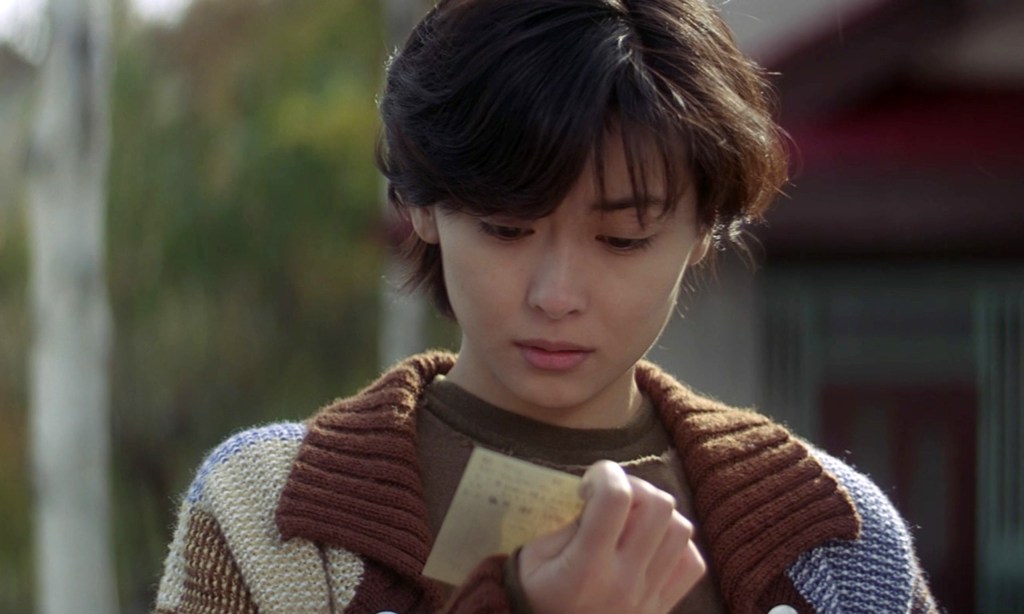
Sono trascorsi due anni dalla morte del suo fidanzato Fuji, ma la giovane Hiroko non ha ancora superato il lutto e continua a soffrirne. Mentre è intenta a sfogliare l’annuario scolastico del ragazzo scopre il suo vecchio indirizzo e decide di inviargli una lettera d’amore. Alcuni giorni dopo riceve una risposta da una donna con il suo stesso nome…
Love Letter è la vicenda parallela di due giovani che vivono lo stesso amore da differenti prospettive; ma Iwai lascia un margine di incertezza nello spettatore, un indizio di qualcosa di magico, come se le due ragazze, Hiroko e Itsuki, fossero l’emanazione della medesima essenza spirituale; il film è la visione, forse, della complessità dell’essere umano, e delle anime opposte e complementari che si agitano in ciascuno di noi, rendendoci creature in perenne trasformazione. Il regista trova in Miho Nakayama l’interprete ideale, capace sia di incarnare la giovinezza tremula che di mettersi a confronto con la propria immagine allo specchio, un altro da sé allo stesso tempo estraneo e familiare.
Hiroko e Itsuki ci vengono presentate come figure femminili reali e concrete, ciascuna con una propria esistenza separata, distanti nello spazio e dalla spiccata sensibilità. Se Hiroko è vulnerabile e passiva, illuminata dalla Grazia dell’amore per il suo fidanzato deceduto e protesa con ogni mezzo ad un ricongiungimento spirituale con lui, Itsuki è invece pragmatica, volitiva e indipendente. Entrambe immerse in due regioni nevose, sono aliene l’una all’altra, mosse da opposti istinti sentimentali e apparentemente inconciliabili. Il miracolo leggero del film è l’abolizione del “muro” che si frappone tra loro, la possibilità del riconoscimento, la realtà che incontra il proprio riflesso in un ampio paesaggio bianco e irrazionale. Le due ragazze diventano un’unica “donna che visse due volte” attraverso l’esperienza del giovane Fuji; due differenti amori dal medesimo volto, che si rintracciano in un intimo, iniziatico colloquio.
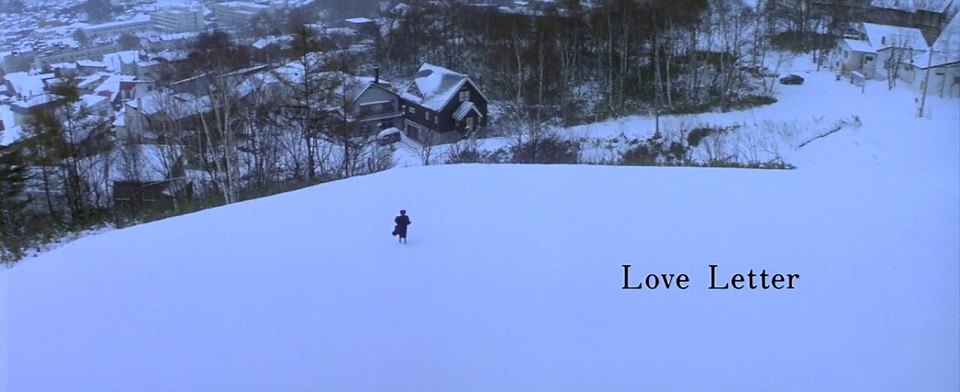
Iwai è bravissimo nel tratteggiare la vicenda in paesaggi vasti e destabilizzanti, privi di colore, resi incorporei dal bianco della neve e inquadrati in campi lunghissimi che inghiottono le sofferenze umane. L’uso di un editing “emotivo” sovrappone le due vicende parallele, le fa incrociare e le confonde; lentamente le due ragazze non ci appaiono più così differenti, accomunate da una “pulsione di morte” che per Hiroko è il rifiuto del presente, per Itsuki il lento abbandono a una polmonite. Il vuoto amoroso acquista contorni irrazionali, ma le lettere costituiscono una spinta salvifica, la fede in un divenire di cui le giovani diventano protagoniste.
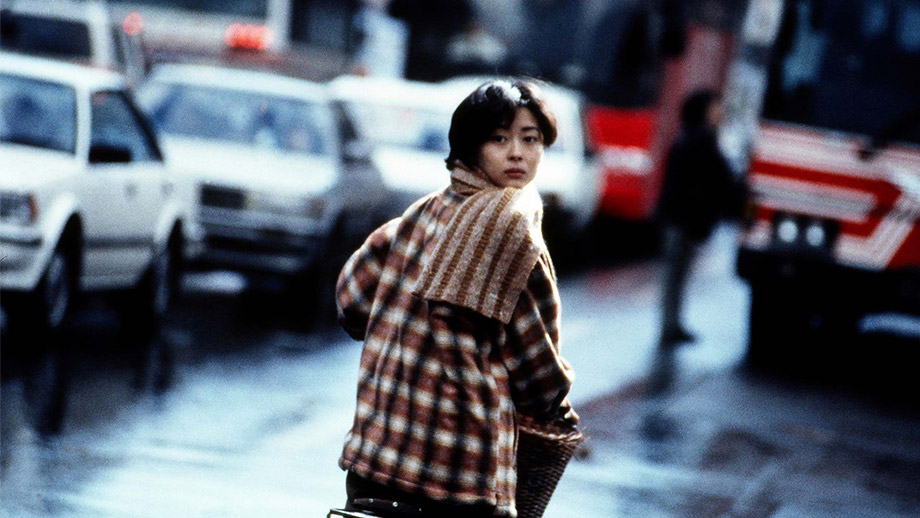
Il regista mette in scena il coraggio del vivere, le incertezze e le voragini dell’esistenza, così come la presenza di una forza invisibile che lega i destini. Miho Nakayama è meravigliosa nel disegnare due personaggi: la sua interpretazione ne modula i caratteri, le reazioni, persino una diversa luce che promana dal corpo. Hiroko è eterea e leggera come una piuma, Itsuki più androgina, dura, resistente agli urti della vita. In un momento bellissimo vediamo Itsuki, in bicicletta, girarsi improvvisamente quando sente chiamare il suo nome dal suo invisibile doppelganger; ed è come tuffarsi in una mise en abyme che manda in frantumi le due dimensioni separate e crea un canale, uno squarcio tra due mondi.
Dopo il “contatto” Hiroko e Itsuki entrano in uno stato che è corrispondenza d’amorosi sensi, comunicazione incorporea. Hiroko si reca alla montagna dove Fujii è morto per gridare “Come stai?”, mentre il suo volto si riga di lacrime e forse, per la prima volta, acconsente di “liberare nell’aria” il ricordo del ragazzo. Contemporaneamente, Itsuki mormora “Come stai?” dal suo letto d’ospedale, guarendo dalla polmonite e dall’afasia affettiva in cui aveva imprigionato se stessa.
Il film si chiude con un’ultima lettera interrotta, e con un sentimento finalmente sciolto per entrambe. Lo schermo sembra vibrare di scie d’amore libere e incontenibili come un fiume in piena: Love Letter non “filma” semplicemente un sofferto racconto di formazione, ma cattura i segni vividi di un amore che cancella i limiti della nostra esperienza umana.
Tutti gli articoli sono protetti da copyright: © Marcella Leonardi. Tutti i diritti riservati.

English version
In Memory of Miho Nakayama, Who Passed Away on December 6, 2024
“We had promised to make a pilgrimage together to snow-covered Otaru in 2025, to celebrate the 40th anniversary of your debut and the 30th anniversary of Love Letter.
And then, suddenly, the news of your passing.
With so many emotions swirling inside me – frustration, deep regret…
I am still unable to find the proper words to remember you…
Tonight, even if only in spirit, I wish to be by your side.” – Shunji Iwai’s post
In 1995, after working in television as a director of dramas and commercials, Shunji Iwai made his feature film debut with the delicate Love Letter. The film establishes his distinctive style, with its careful use of space, in which human beings appear all the more fragile and impermanent, and his inclination towards a poetic form of storytelling, shaped by ellipses and an inner, non-linear sense of time, expressing a contemplative subjectivity confronted with the mystery of existence.
Two years have passed since the death of her fiancé Fujii, but young Hiroko has still not come to terms with her loss and continues to grieve. While leafing through his old school yearbook, she discovers his former address and decides to send him a love letter. A few days later, she receives a reply from a woman who bears the same name as her deceased fiancé…
Love Letter tells the parallel stories of two young women who experience the same love from different perspectives. Yet Iwai leaves a degree of uncertainty in the viewer’s mind, a suggestion of something magical, as though the two women, Hiroko and Itsuki, were manifestations of the same spiritual essence. Perhaps the film offers a vision of the complexity of human nature, of the opposing yet complementary souls that stir within each of us, making us creatures in a perpetual state of transformation. In Miho Nakayama, the director finds his ideal actress, capable both of embodying the trembling vulnerability of youth and of confronting her own mirror image, an other self at once alien and familiar.
Hiroko and Itsuki are introduced as real, tangible women, each leading a separate existence, physically distant from one another and endowed with a heightened sensitivity. While Hiroko is vulnerable and passive, illuminated by the Grace of her love for her deceased fiancé and striving by every possible means for a spiritual reunion with him, Itsuki is pragmatic, strong-willed and independent. Both surrounded by snowy landscapes, they are strangers to one another, driven by opposing and seemingly irreconcilable emotional impulses. The film’s gentle miracle lies in the removal of the “wall” that separates them, in the possibility of recognition, of reality encountering its own reflection within a vast, white, irrational landscape. Through the experience of young Fujii, the two women become a single “woman who lived twice”: two different loves bearing the same face, discovering one another through an intimate, almost initiatory dialogue.
Iwai displays extraordinary skill in unfolding the story across vast, disorienting landscapes, drained of colour, rendered almost immaterial by the whiteness of the snow and captured in extreme long shots that swallow up human suffering. His use of “emotional” editing superimposes the two parallel stories, bringing them together, making them intersect and blurring the boundaries between them. Gradually, the two women no longer appear so different, united by a “death drive” that manifests itself in Hiroko’s rejection of the present and in Itsuki’s slow surrender to pneumonia. The emptiness left by love takes on irrational dimensions, yet the letters provide a saving impulse, a faith in the process of becoming, in which the two young women emerge as protagonists.
The director portrays the courage it takes to live, the uncertainties and abysses of existence, as well as the presence of an invisible force that binds human destinies together. Miho Nakayama is wonderful in her portrayal of the two characters: through her performance, she subtly modulates their personalities, their reactions, even the different light that seems to emanate from their bodies. Hiroko is ethereal and light as a feather, while Itsuki is more androgynous, tougher, more resilient in the face of life’s blows. In one beautiful moment, we see Itsuki riding her bicycle and suddenly turning around when she hears her name called by her invisible doppelgänger. It is like plunging into a mise en abyme that shatters the two separate dimensions and opens a passage, a breach between two worlds.
After this “contact”, Hiroko and Itsuki enter a state of spiritual communion, an incorporeal exchange of loving feelings. Hiroko travels to the mountain where Fujii died to cry out, “How are you?”, while tears stream down her face and, perhaps for the first time, she allows herself to “release into the air” the memory of the young man. At the same time, Itsuki whispers “How are you?” from her hospital bed, recovering from both pneumonia and the emotional muteness in which she had imprisoned herself.
The film ends with one final, unfinished letter, and with a feeling that has at last been released for both women. The screen seems to vibrate with traces of love, free and unstoppable as a river in flood. Love Letter does not simply “film” a painful coming-of-age story, but captures the vivid signs of a love that transcends the boundaries of our human experience.
All articles are protected by copyright: © Marcella Leonardi. All rights reserved.




Rispondi