

[English version below]
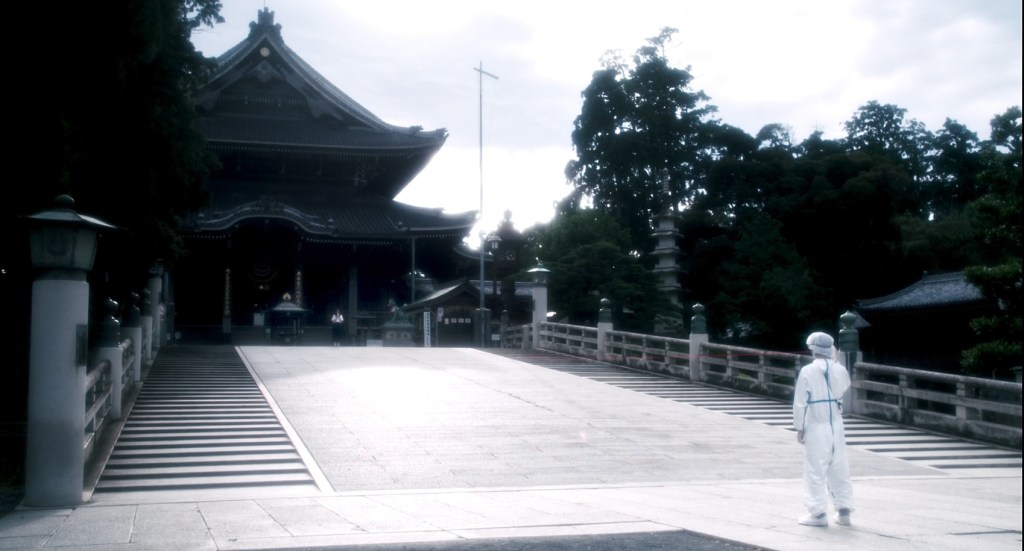
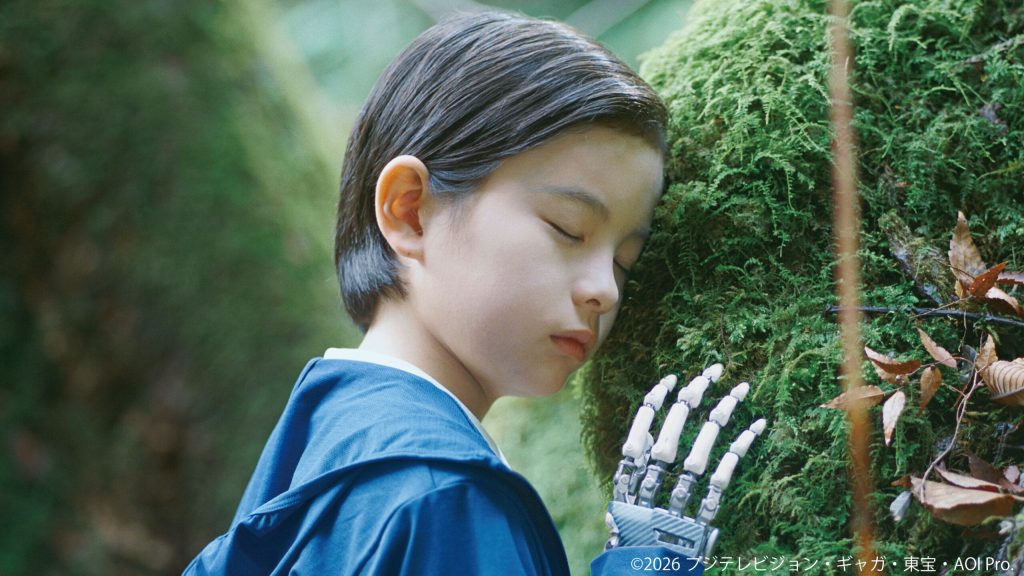
Sopravvissuto al “virus del cent’anni”, Otomi vive da solo e non esce mai di casa, neanche durante il giorno “di uscita” istituito dal governo. Ma un giorno, un suono mai sentito prima lo spinge a lasciare le mura familiari e a sperimentare l’ignoto del vivere.
“Voglio che la gente guardi The Lonely 19:00 stando seduta a casa, e poi esca” (Sono Sion, intervista a Banger, settembre 2020).
Realizzato nel 2020, The Lonely 19:00 rinnova la sua meraviglia anno dopo anno, staccandosi dalla sua contingenza (fu girato durante la pandemia) e ponendosi tra le più belle e profonde riflessioni estetico/filosofiche degli ultimi anni. Si resta ammaliati e turbati da un’opera che in 36 minuti attraversa l’essenza della vita umana, ciò che la lega alla terra e all’eternità: il ricordo, la nostalgia, i legami familiari, l’appartenenza a una Storia; ma anche la solitudine, la paura, l’anelito a qualcosa che non sia mera sopravvivenza.
Il film è un magnifico racconto di formazione, un viaggio spazio/temporale dalla prigione di una camera alla libertà del mondo, con i pericoli – e i sentimenti – che questo comporta. La condizione di erranza e incertezza vissuta dal protagonista è propria di gran parte dell’opera di Sono, poeta diviso tra commozione e crudeltà.
Abituato a vivere da solo sin da piccolo, Otomi può circondarsi solo di una “memoria” di umanità: le fotografie alle pareti, i video familiari, gli oggetti di un passato trascorso, unici segni costitutivi di un illusorio “perimetro di affetti”. Forte di un pensiero razionale, il giovane cerca di ovattare le esperienze più brutali – la perdita, la mancanza di un futuro – sottoponendosi a una serie di riti quotidiani che diventano atti anestetici e di conforto. Un autoscatto è un gesto di affermazione del sé, una prova di esistenza; mangiare, dormire, tratteggiare una serie di x sulla parete sono i punti di riferimento di un “tempo senza tempo”.
Tra ellissi, primi piani, camere fisse, lentissimi movimenti, Sono filma una vita ripiegata in una stasi impietosa. Il suono dell’orologio è l’unica presenza (che il ragazzo identifica in un “fantasma paterno”), ma l’incontro col mondo esterno imprimerà a questa assenza di futuro una spinta senza ritorno. La scoperta dell’altro spalanca le porte percettive di Otomi, travolto da una sensualità sconosciuta (che Sono affida al sonoro, a voci sussuranti e al suono umido dei baci). Dopo aver sperimentato il caldo mistero del mondo “fuori”, i riti perdono di significato e la stanza solitaria diviene lo spazio angoscioso dell’attesa. Il giovane ascolta il battito accelerato del proprio cuore e scopre, come in un sonetto shakespeariano, che “tutti i giorni sono notti a vedersi, finché non vedo te” [Sonetto 43]. Le immagini confluiscono in una sola immagine, il volto femminile; mentre il desiderio del corpo eleva lo spirito nella luce, che circonda Otomi in un bianco abbagliante.
Con una povertà di mezzi che definirei “bella, gentile e vera”, il film percorre tutti i generi – dall’horror, alla commedia, al melodramma, all’angoscia della fantascienza distopica – per giungere al proprio nucleo: “l’amor che move il sole e le altre stelle”, origine e ragione di vita. Allo spettatore viene offerta un’esperienza totalizzante e, come spesso accade con i film di Sono, si ha l’impressione di assistere a un mistero fuggevole, tanto più nitido quanto spirituale. Tra nostalgia in bianco e nero e vita a colori, The Lonely 19:00 si chiude in una circolarità di morte e speranza, rinascita dei nostri poveri resti umani nella divinità dell’amore.
Tutti gli articoli sono protetti da copyright: © Marcella Leonardi. Tutti i diritti riservati.


English Version
Having survived the “hundred-year virus,” Otomi lives alone and never leaves his home, not even on the government-designated “going-out day.” But one day, a sound he has never heard before drives him beyond the familiar walls and into the unknown experience of living.
“I want people to watch The Lonely 19:00 sitting at home, and then go outside.” (Sion Sono, interview with Banger, September 2020)
Made in 2020, The Lonely 19:00 renews its sense of wonder year after year, freeing itself from the circumstances in which it was created — it was shot during the pandemic — and emerging as one of the most beautiful and profound aesthetic and philosophical reflections of recent years. In just 36 minutes, the film moves through the essence of human life and everything that binds it to the earth and to eternity: memory, nostalgia, family ties, the sense of belonging to History; but also solitude, fear, and the longing for something beyond mere survival.
The film is a magnificent coming-of-age story, a journey through space and time from the prison of a room to the freedom of the world, with all the dangers — and emotions — that such freedom entails. The condition of wandering and uncertainty experienced by the protagonist belongs to much of Sono’s work: a poet perpetually divided between tenderness and cruelty.
Accustomed to living alone since childhood, Otomi can surround himself only with a “memory” of humanity: photographs on the walls, family videos, objects left behind by a vanished past, the only elements sustaining an illusory “perimeter of affection.” Guided by rational thought, the young man tries to muffle the most brutal experiences — loss, the absence of a future — by submitting himself to a series of daily rituals that become acts of anaesthesia and consolation. A self-portrait is an assertion of the self, proof of existence; eating, sleeping, marking rows of Xs on the wall become reference points within a “timeless time.”
Through ellipses, close-ups, static camera positions and extremely slow movements, Sono films a life folded into a merciless state of suspension. The ticking of the clock is the only presence — one that the boy identifies as a “fatherly ghost” — but his encounter with the outside world gives this absence of a future an irreversible momentum. The discovery of the other throws open Otomi’s perceptual world, overwhelming him with an unfamiliar sensuality, which Sono entrusts to sound: whispered voices and the moist sound of kisses.
After experiencing the warm mystery of the world “outside,” the rituals lose their meaning and the solitary room becomes the anguished space of waiting. The young man listens to the accelerated beating of his own heart and discovers, as in a Shakespearean sonnet, that “all days are nights to see till I see thee” [Sonnet 43]. The images converge into a single image, the female face, while bodily desire raises the spirit into light, surrounding Otomi in a dazzling white.
With a poverty of means that I would call “beautiful, gentle and true,” the film moves through every genre — horror, comedy, melodrama, the anguish of dystopian science fiction — before reaching its core: “the love that moves the sun and the other stars,” the origin and reason of life itself. The viewer is offered a total experience and, as so often happens with Sono’s films, one has the impression of witnessing an elusive mystery, all the more vivid for being spiritual. Between black-and-white nostalgia and life in colour, The Lonely 19:00 closes in a circular movement of death and hope: the rebirth of our poor human remains within the divinity of love.
All articles are protected by copyright: © Marcella Leonardi. All rights reserved.









 Nubi Fluttuanti
Lascia un commento