
[Please scroll down for the English version]
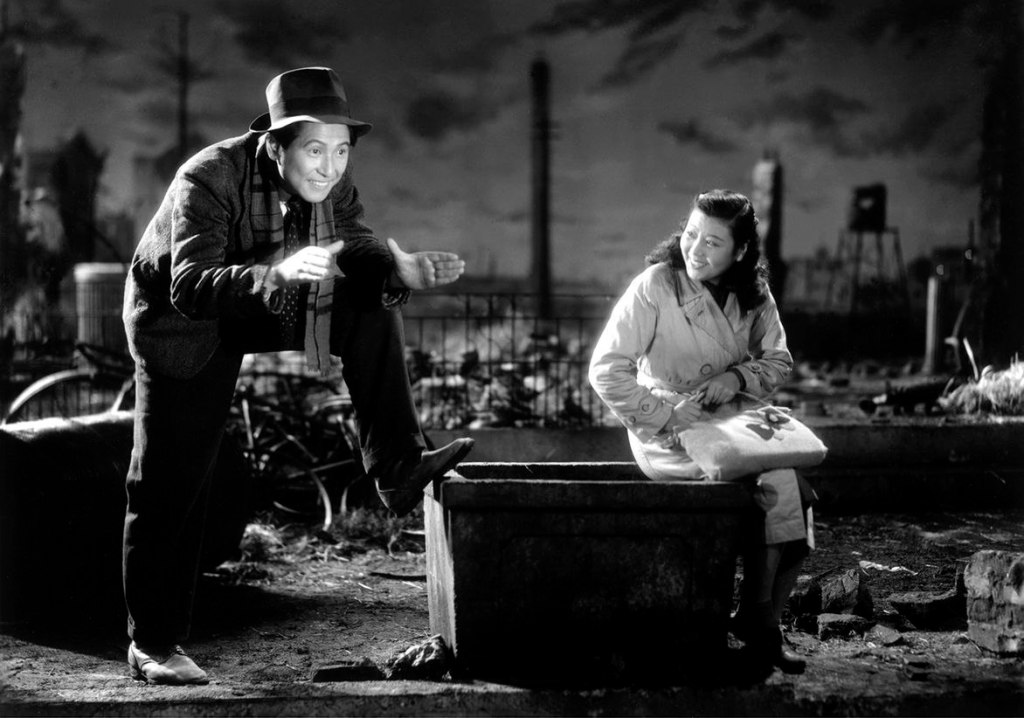
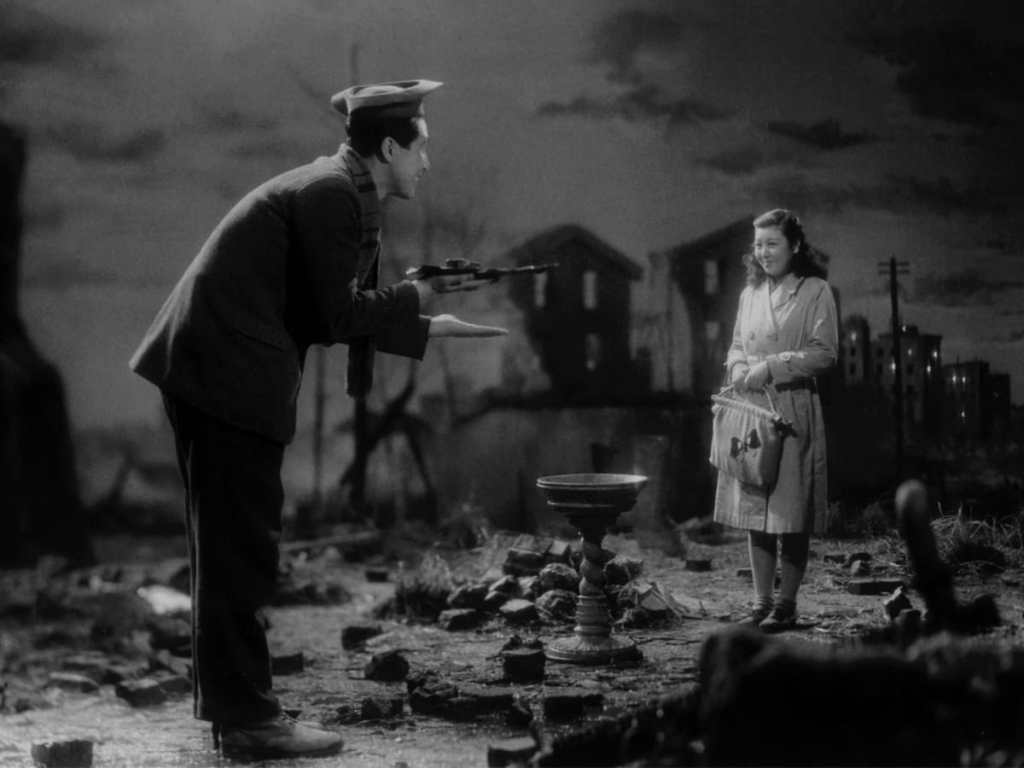
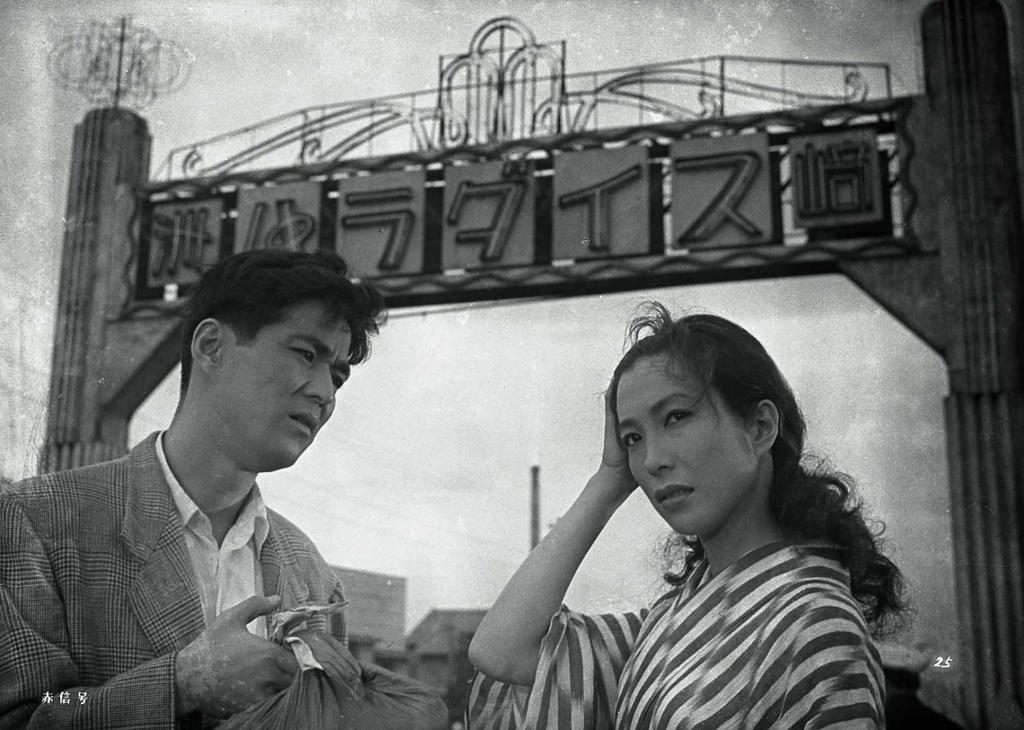
Due i poveri, Yuzo e Masako, affrontano dure realtà durante un appuntamento nella Tokyo del dopoguerra, ma reagiscono alle sfide con giovanile speranza, sforzandosi di vivere pienamente. Dopo alcuni litigi dovuti al concatenarsi di eventi sfortunati, i due si riconciliano in un anfiteatro vuoto, dove Yuzo finge di dirigere la sinfonia Incompiuta di Schubert.
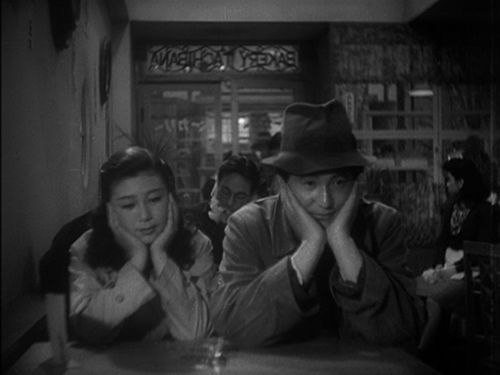
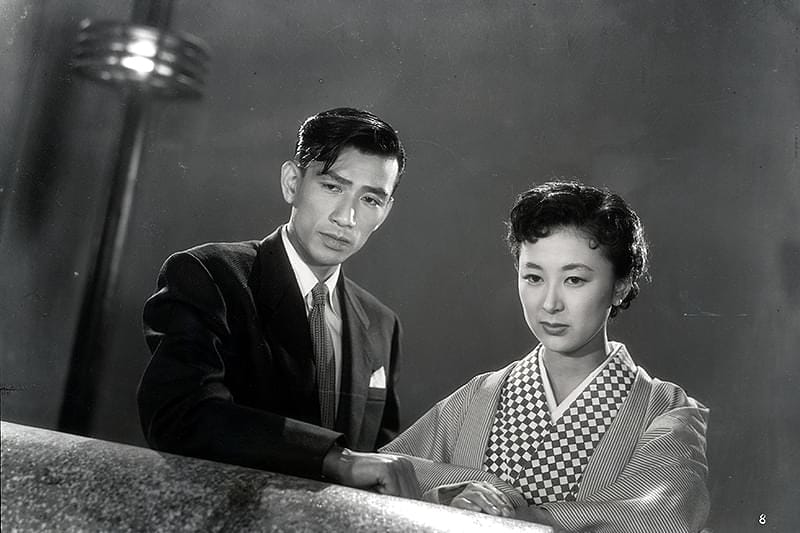
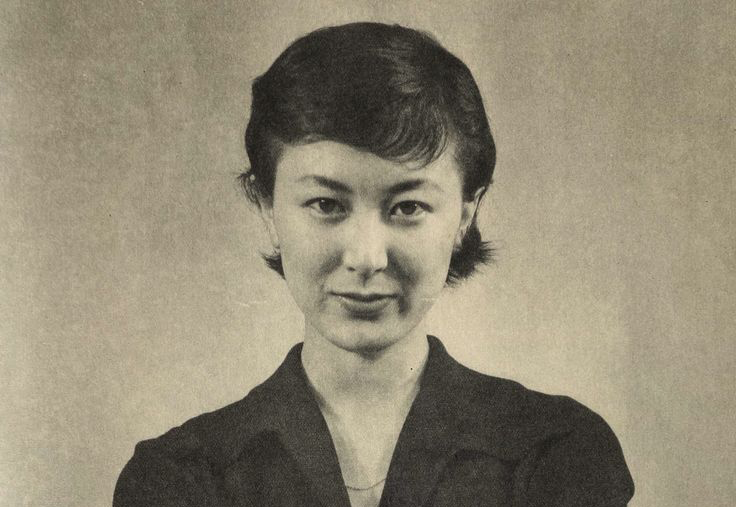
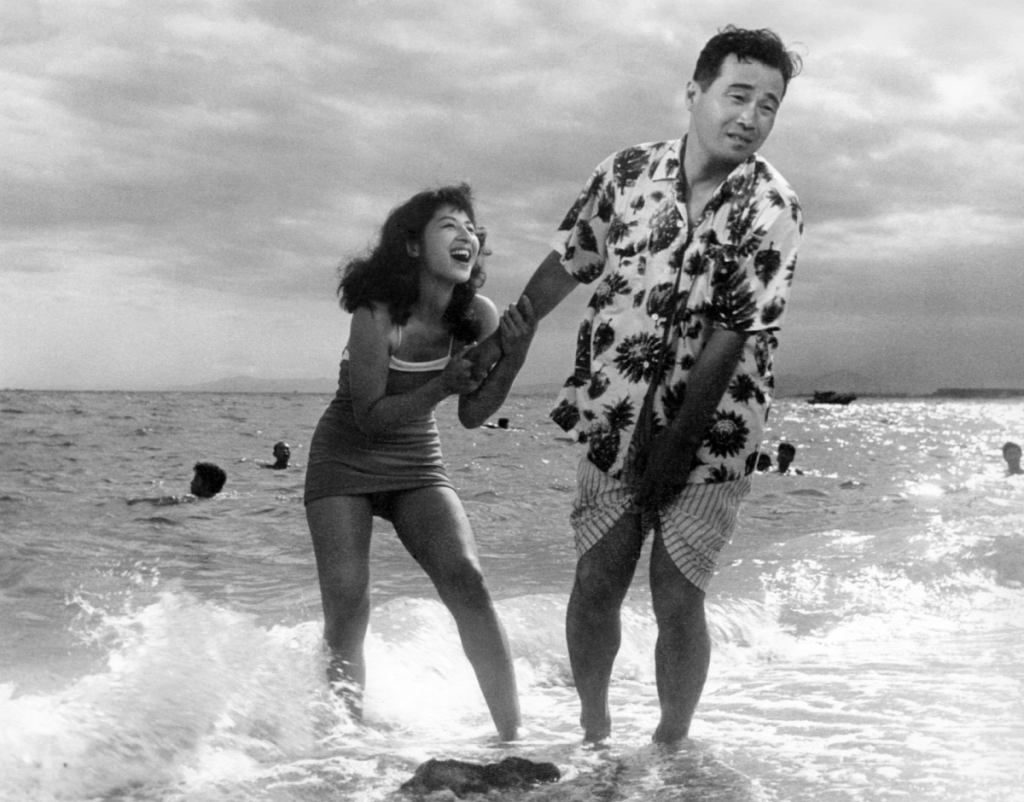
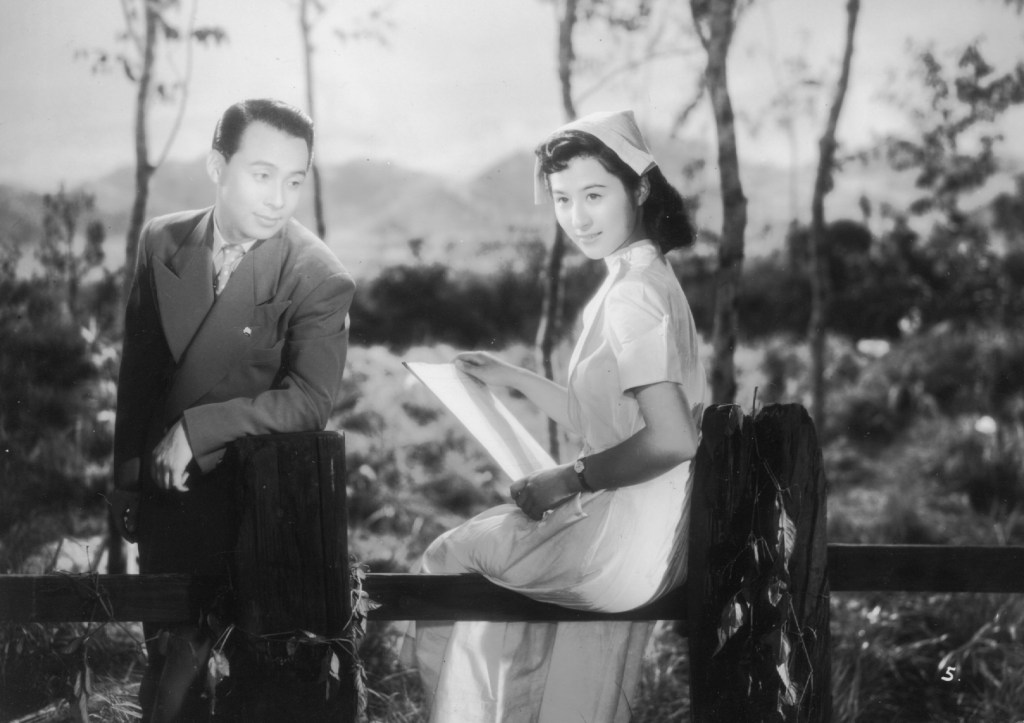
Opera giovanile di Akira Kurosawa, scritta all’indomani delle agitazioni all’interno della Toho, risultanti in una serie di scioperi e in una divisione interna allo studio (dal quale nacque la Shintoho), One wonderful sunday (Una meravigliosa domenica) è incantevole nonostante le difficoltà produttive. Sceneggiato dal regista stesso insieme a Keinosuke Uekusa – con il quale ebbe alcuni contrasti relativamente al finale – il film stupisce per freschezza e modernità. Girato per le strade di una Tokyo in macerie, documenta le difficoltà del Paese attraverso gli occhi di due poveri e giovani amanti, interpretati dagli “sconosciuti” Isao Numazaki e Chieko Nakakita. Nakakita, qui appena ventenne, la ritroveremo come grande interprete di molti capolavori della classicità – da Mother (1952), Floating Clouds (1955) e Flowing (1956) di Naruse, a Early Spring (1956) di Ozu. Il corpo di Nakakita, capace di esprimere una ricchezza emotiva attraverso una scarna reticenza, muterà negli anni, facendosi più aspro e rarefatto; qui invece troviamo l’attrice nel suo pieno splendore carnale, illuminata da una gioia innocente.
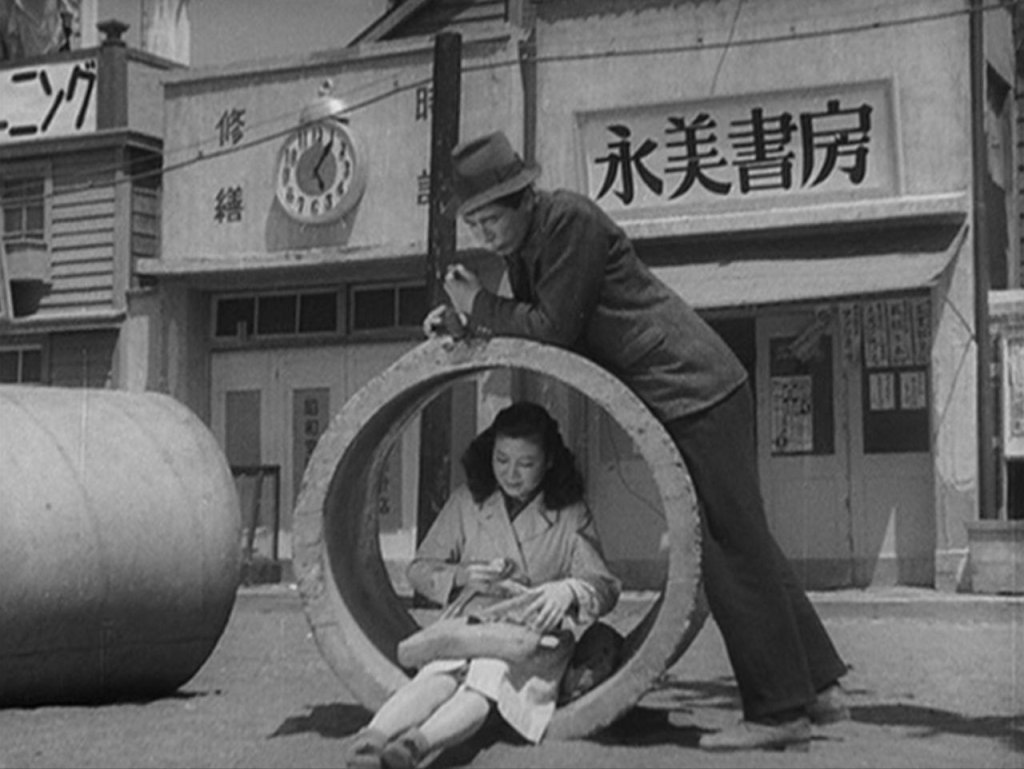
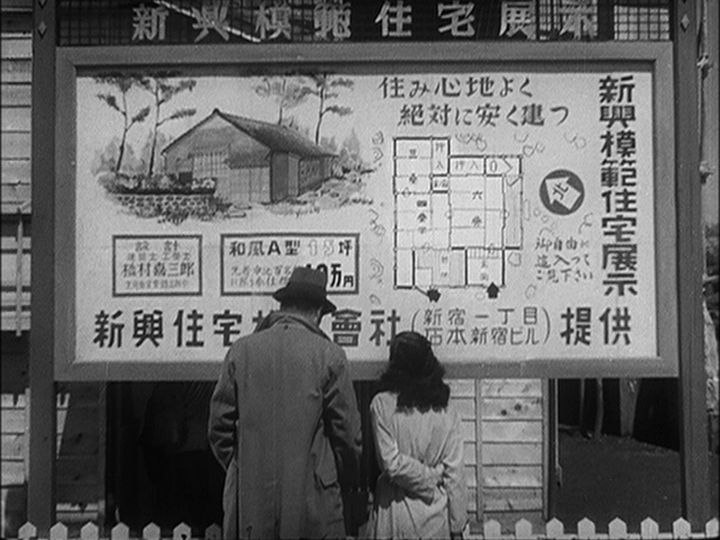
Kurosawa non ebbe a disposizione un set e intraprese un’avventura neorealista, mescolando i suoi attori ai passanti e utilizzando come scenografie naturali i paesaggi della città distrutta: strade popolate da orfani, palazzi diroccati e consumati dall’umidità, anfiteatri vuoti e locali da ballo “all’americana” frequentati dalle nuove classi ricche.
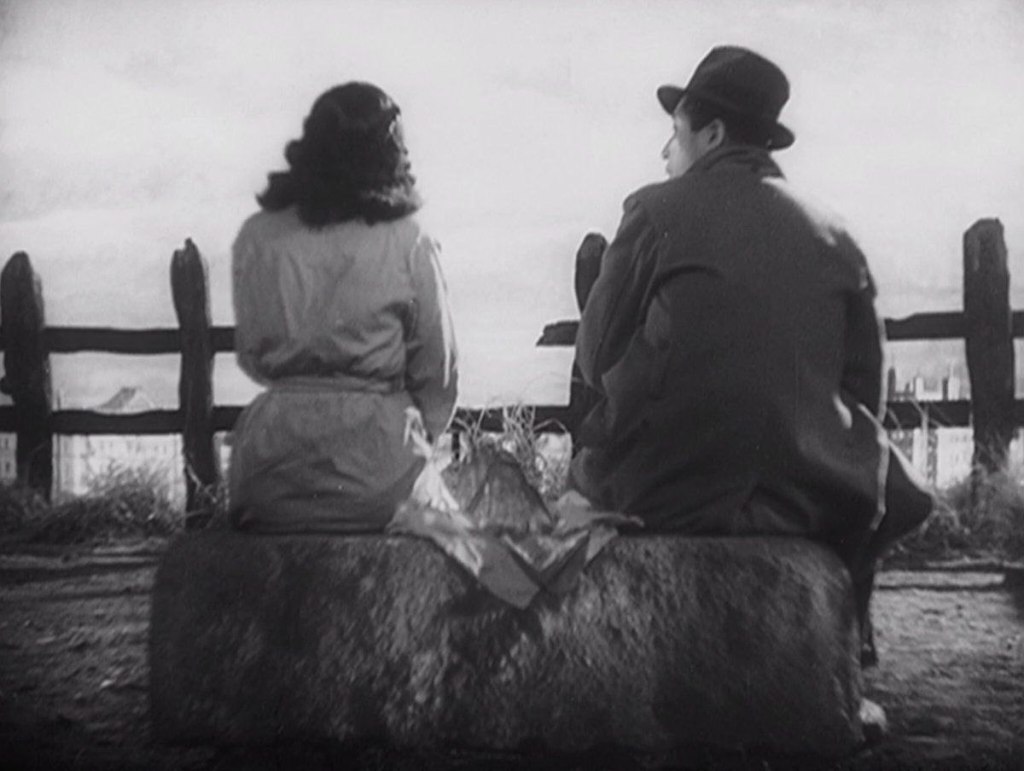
Il regista alterna momenti neorealisti ad altri chapliniani; seguiamo i due giovani, non di rado inquadrati di spalle come Charlot e la monella di Modern Times (1936), attraverso tragicomiche peripezie che li conducono in una perpetua disillusione. Yuzo è ombroso e amareggiato, mentre Masako è sorridente e fiduciosa, con slanci entusiastici che la rendono simile a una bambina.
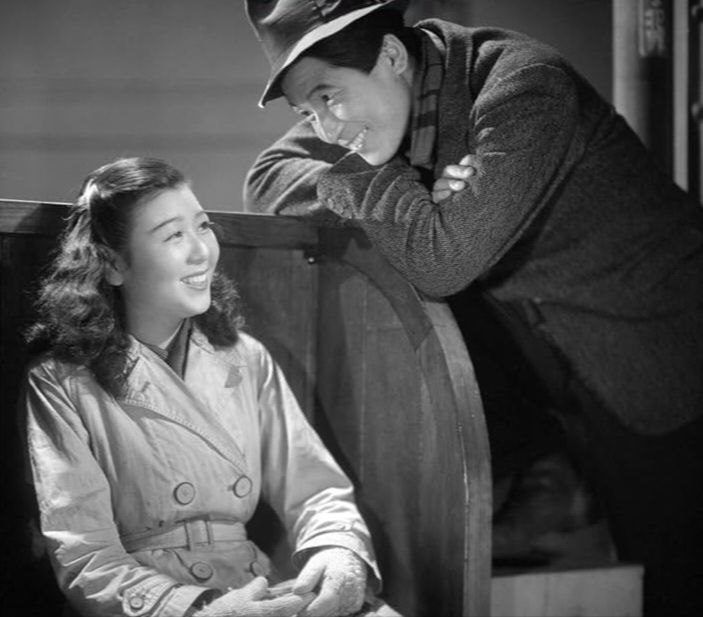
La mancanza di una buona illuminazione e di obiettivi di alta qualità costrinsero Kurosawa a utilizzare una messa a fuoco che consentiva di valorizzare un solo attore alla volta; ma il regista sfruttò questo inconveniente a suo vantaggio, concentrandosi sui primi piani di Masako e trasformando il suo volto in un paesaggio infinitamente sfumato e mutevole. Le lacrime della ragazza, i sorrisi, gli improvvisi stupori, le afasie di fronte ai malumori di Yuzo o alla crudeltà della vita sono come stagioni improvvise che determinano il movimento del film. Yuzo, reso cinico e immobile dal dolore della guerra, reagisce alle emozioni della ragazza, che hanno su di lui un effetto salvifico. Non diversamente da Watanabe, il protagonista di Ikiru (1952) conquistato dalla felicità della giovane Toyo, Yuzo lascia che il candore infantile di Masako scalfisca il suo disseccato cinismo.
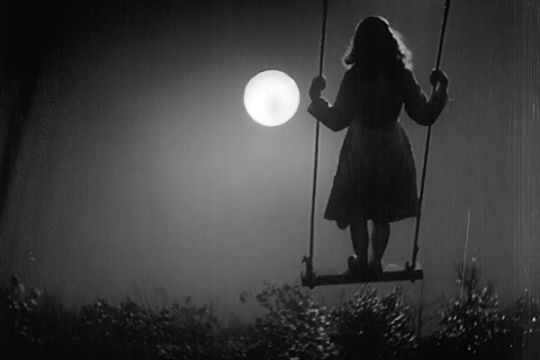
È da notare come Masako somigli, anche fisicamente, alla Toyo di Ikiru e come i due film siano legati da altri elementi: la presenza di un giocattolo infantile (un cagnolino) in funzione di correlativo oggettivo dell’ingenuità delle due ragazze; la funzione inconsapevolmente salvifica della figura femminile; e soprattutto l’immagine suggestiva delle altalene notturne, simbolo di un’innocenza ritrovata in un’atmosfera rarefatta e spirituale.
One wonderful sunday ci lascia intravedere numerosi temi e procedimenti che diventeranno ricorrenti nella filmografia successiva del regista: tra questi, l’uso espressivo e metaforico dei suoni (in una combinazione di diegetico ed extradiegetico), il ricorso a bellissimi carrelli orizzontali, la ripresa dinamica di scene in movimento, come la sequenza della corsa, moderna e ariosa come in un film nouvelle vague; ma ciò che stupisce è la freschezza libera e inventiva con cui Kurosawa contamina generi differenti.
Esattamente come Yuzo e Masako attraversano quartieri e aspetti differenti di una Tokyo in agonia, ma in cui brucia il desiderio di rinascita, Kurosawa percorre le istanze del cinema internazionale, attratto dalla sua vitalità spontanea. Lo shomingeki di scene quali la partita di baseball con i bambini (che tanto ricordano gli orfani di guerra del coevo Record of a Tenement Gentleman di Ozu) convive con lo stile documentario, alla Hiroshi Shimizu, della sequenza allo zoo; la sequenza nella dance hall all’americana, che anticipa l’ambiente corrotto di Angry Street (1950) di Mikio Naruse, si intreccia con momenti melodrammatici in pure stile Borzage; ma troviamo anche la leggerezza, le piccole coreografie all’unisono tra i due protagonisti – secondo un procedimento caro a Chaplin quanto a Ozu – e infine lo stile spirituale, colmo di fede trascendente, proprio di Frank Capra.
Affascinato dalla potenza del mezzo-cinema, Kurosawa osa scelte stilistiche sperimentali, come una stupefacente “rottura della quarta parete” nel finale, dove Masako si rivolge al pubblico chiedendo: “Ci sono tanti poveri innamorati come noi. Vi prego, tutti quanti, fate un applauso…”
Eppure, mai per un momento si dubita della verità dei due personaggi, del nucleo autentico della loro travagliata esistenza nella Tokyo occupata e languente, segnata da incertezza morale, cupe ambiguità, compromessi e volontà di resurrezione.
Il finale, in cui Yuzo e Masako giocano tra le macerie in una notte magica ed evanescente (di sapore hollywoodiano) coglie il desiderio e lo spirito ludico di una gioventù che chiede, ancora, di vivere ed essere felice. Il sogno si concretizza nella sequenza del “bar immaginario”, in cui i due ragazzi fingono di aprire un caffè e servire la clientela, mimando un futuro possibile; una scena che ricorda il pic-nic illusorio della coppia padre-figlio in An Inn in Tokyo (1935) di Ozu. Anche quando si è troppo poveri per mangiare, la vita può essere meravigliosa.
Tutti gli articoli sono protetti da copyright: © 2026 Marcella Leonardi. Tutti i diritti riservati.
English Version
Two impoverished lovers, Yuzo and Masako, confront the harsh realities of postwar Tokyo during a Sunday date, yet respond to adversity with youthful hope, striving to live life to the fullest. After several quarrels caused by an accumulation of unfortunate events, the two reconcile in an empty amphitheater, where Yuzo pretends to conduct Schubert’s Unfinished Symphony.
An early work by Akira Kurosawa, written in the aftermath of the turmoil within Toho Studios — which resulted in a series of strikes and an internal split that eventually led to the birth of Shintoho — A Wonderful Sunday remains enchanting despite its production difficulties. Written by the director himself together with Keinosuke Uekusa, with whom Kurosawa reportedly clashed over the ending, the film is striking in its freshness and modernity. Shot in the streets of a devastated Tokyo, it documents the hardships of postwar Japan through the eyes of two young impoverished lovers, played by the then “unknown” actors Isao Numazaki and Chieko Nakakita. Nakakita, only twenty years old here, would later become one of the great actresses of Japanese classical cinema, appearing in masterpieces such as Mother, Floating Clouds, and Flowing by Naruse, as well as Early Spring by Ozu. Her body, capable of expressing immense emotional richness through sparse restraint, would gradually change over the years, becoming harsher and more rarefied; here, however, we see the actress in the fullness of her youthful sensuality, illuminated by an innocent joy.
Kurosawa had no studio set at his disposal and embarked upon a neorealist adventure, blending his actors among ordinary passersby and using the landscapes of the ruined city as natural sets: streets populated by war orphans, crumbling buildings worn down by humidity, empty amphitheaters, and American-style dance halls frequented by the emerging wealthy classes.
The director alternates neorealist moments with others inspired by Chaplin. We follow the two protagonists — often framed from behind like Charlot and the Gamin in Modern Times — through tragicomic misadventures leading them into perpetual disillusionment. Yuzo is brooding and embittered, while Masako remains cheerful and hopeful, her bursts of enthusiasm making her seem almost childlike.
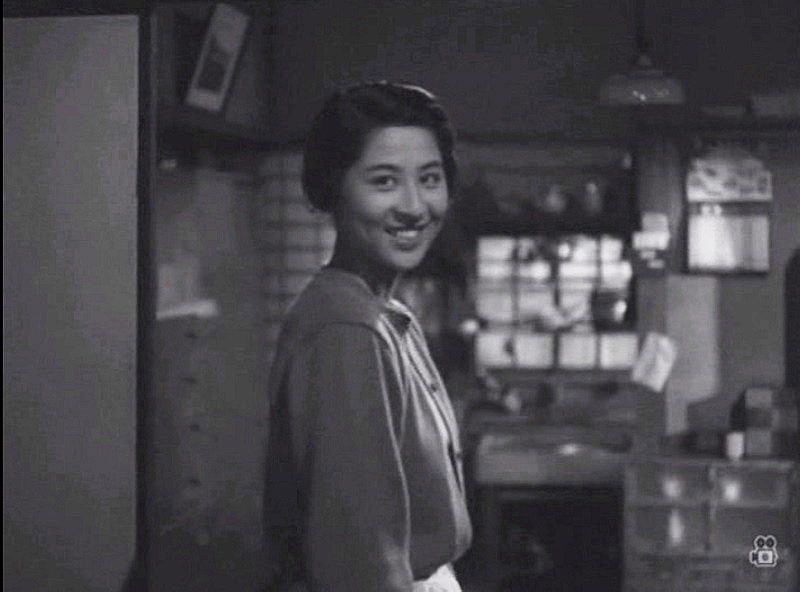
The lack of proper lighting and high-quality lenses forced Kurosawa to adopt a sharply focused visual style that could fully emphasize only one actor at a time. Yet the director transformed this technical limitation into an artistic advantage, concentrating on close-ups of Masako and turning her face into an infinitely nuanced and ever-changing landscape. The girl’s tears, smiles, sudden expressions of wonder, and speechless reactions to Yuzo’s moods or to life’s cruelty become like sudden emotional seasons that determine the movement of the film. Yuzo, rendered cynical and emotionally paralyzed by the trauma of war, responds to the girl’s emotions, which exert a salvific effect upon him. Much like Watanabe in Ikiru, who is transformed by the youthful happiness of Toyo, Yuzo allows Masako’s childlike candor to erode his withered cynicism.
It is worth noting how Masako physically resembles Toyo from Ikiru, and how the two films are linked by several recurring elements: the presence of a childlike object (a small dog toy) functioning as an objective correlative for the innocence of the two young women; the unconsciously salvific role of the female figure; and above all the evocative image of nocturnal swings, symbols of rediscovered innocence within a rarefied and spiritual atmosphere.
A Wonderful Sunday already reveals many themes and stylistic devices that would later recur throughout Kurosawa’s filmography: the expressive and metaphorical use of sound (through a combination of diegetic and nondiegetic elements), the use of beautiful horizontal tracking shots, and the dynamic filming of movement, such as the running sequence, whose airy modernity anticipates the French New Wave. Yet what is most astonishing is the free and inventive freshness with which Kurosawa blends different genres.
Just as Yuzo and Masako move through the various districts and contrasting realities of a dying Tokyo still burning with the desire for rebirth, Kurosawa traverses the influences of international cinema, drawn to its spontaneous vitality. The shomingeki atmosphere of scenes such as the baseball game with children — recalling the war orphans in Ozu’s Record of a Tenement Gentleman — coexists with the documentary-like style, reminiscent of Hiroshi Shimizu, in the zoo sequence. The American-style dance hall, anticipating the morally corrupted milieu of Naruse’s The Angry Street, intertwines with melodramatic moments worthy of Borzage. At the same time, we find lightness, small synchronized choreographies between the two protagonists — a device dear both to Chaplin and Ozu — and finally a spiritual style imbued with the transcendent faith characteristic of Frank Capra.
Fascinated by the power of cinema itself, Kurosawa dares highly experimental stylistic choices, such as the astonishing breaking of the fourth wall in the finale, when Masako turns directly to the audience and pleads: “There are many poor lovers like us. Please, everyone, give us your applause…”
And yet, not for a single moment do we doubt the truth of these two characters, or the authentic core of their troubled existence within an occupied and languishing Tokyo marked by moral uncertainty, dark ambiguities, compromises, and a longing for resurrection.
The ending, in which Yuzo and Masako play among the ruins during a magical and evanescent night tinged with a Hollywood-like atmosphere, captures the longing and playful spirit of a youth that still asks to live and be happy. The dream materializes in the sequence of the “imaginary café,” in which the two lovers pretend to open a coffee shop and serve customers, miming a possible future — a scene reminiscent of the illusory picnic shared by the father and son in Ozu’s An Inn in Tokyo. Even when one is too poor to eat, life can still be wonderful.








 Nubi Fluttuanti
Lascia un commento