
[Please scroll down for the english version]
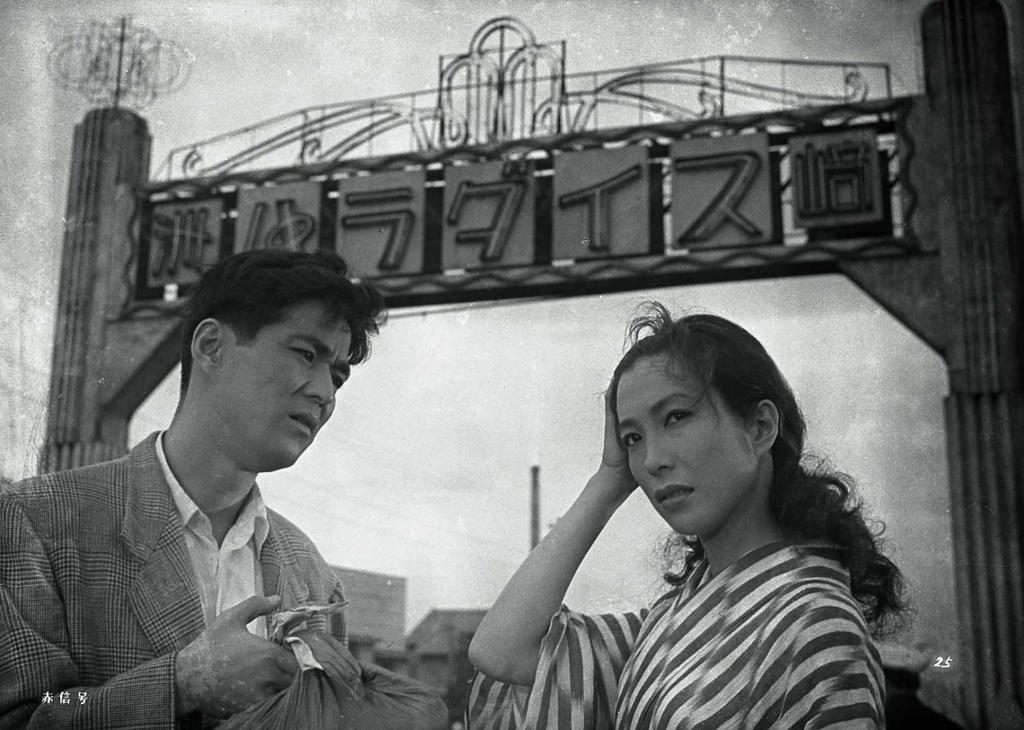
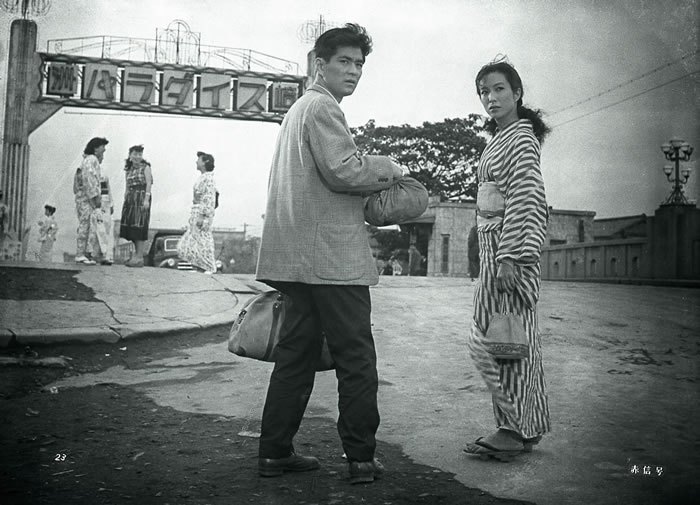
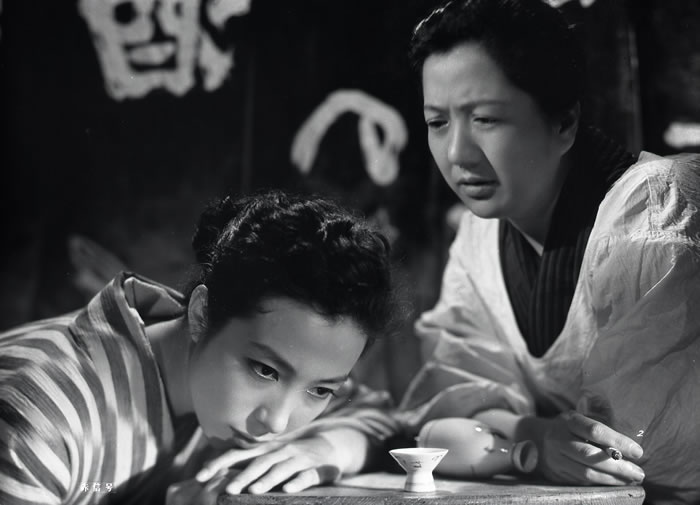
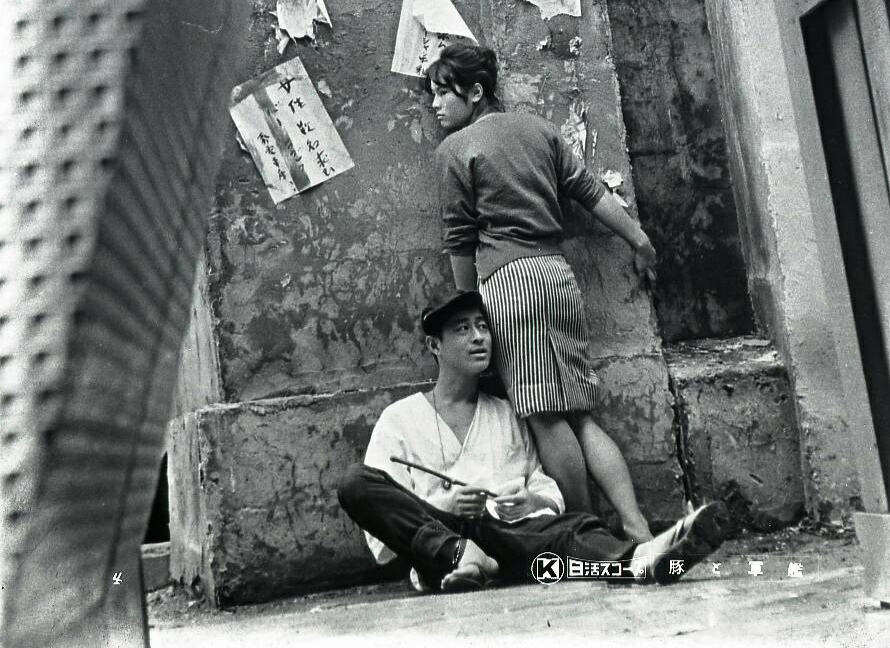
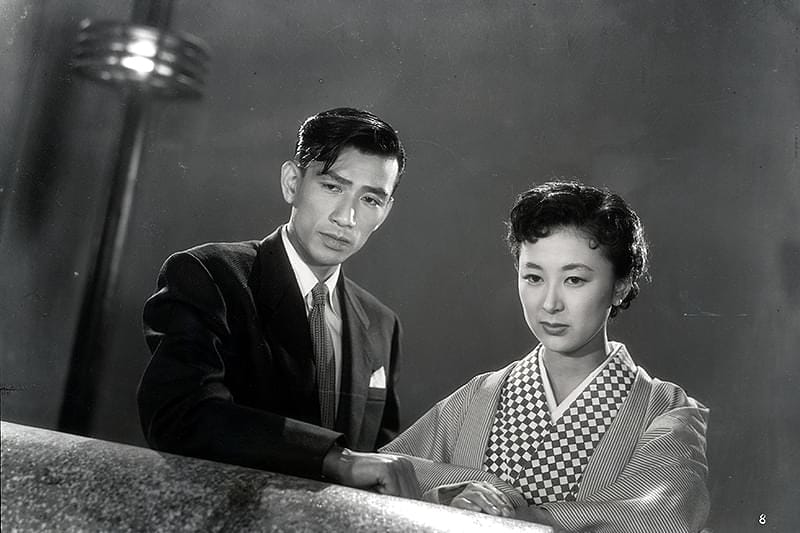
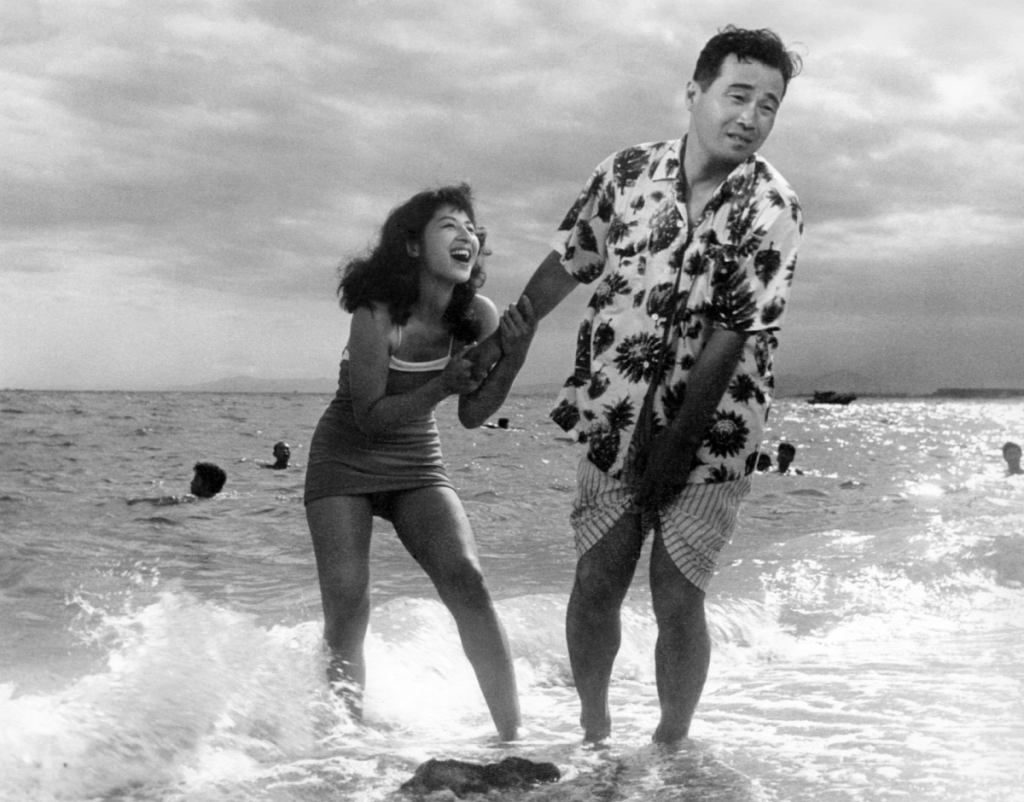
Nel quartiere a luci rosse di Suzaki, nella Tokyo del dopoguerra, la giovane Tsutae e il compagno Yoshiji vagano senza una meta precisa, sospesi tra miseria, desiderio e illusioni di riscatto. Accolti da una donna che gestisce una locanda nei pressi del distretto, i due finiscono lentamente risucchiati dall’ambiente ambiguo e degradato di Suzaki, dove il confine tra amore, opportunismo e sopravvivenza diventa sempre più sottile.
Parlando della sua visione del mondo e del cinema, Shōhei Imamura dichiarò: “Mi interessa la relazione tra la parte inferiore del corpo umano e la parte inferiore della struttura sociale su cui si fonda ostinatamente la realtà della vita quotidiana giapponese” (Cahiers du Cinéma, maggio 1965).
Una filosofia in parte mutuata dal suo “maestro” Yūzō Kawashima, di cui fu assistente, da lui descritto come “l’incarnazione del nuovo cinema giapponese con dieci anni d’anticipo.”
Regista “errante” di studio in studio – dalla Shochiku alla Nikkatsu, alla Toho fino alla Daiei Film – e personalità irrequieta, Kawashima rigettò gli equilibri del classicismo per rappresentare un Giappone disarmonico, sbilanciato tra commedia e cupo dramma; un paese di cui esplorò gli anfratti fisici e psichici, gli impulsi più neri e profondi, e una natura istintiva e irrazionale che il suo discepolo Imamura svilupperà ulteriormente in personaggi metaforicamente “animaleschi” (porci, insetti, anguille).
Lo sguardo entomologico di Kawashima, la rappresentazione di una realtà corrosiva in cui i personaggi si agitano come insetti — spesso inquadrati in campi lunghissimi o mediante prospettive anti-naturalistiche che accentuano l’alienazione della condizione umana — si mescolano a un umorismo malinconico e al gusto per il paradosso. Morto a soli 45 anni, il regista tinse le sue opere di un senso di vertigine e di un cupo presagio della vacuità dell’esistenza (si veda anche The Temple of the Wild Geese)
Il suo fondamentale pessimismo non gli impedì, di contro, di lasciarci quadri urbani pieni di vita, in cui percepiamo la costante trasformazione di una società in lotta per la sopravvivenza. Film come Tales of Ginza e, ancora di più, Suzaki Paradise: Red Light sono resoconti, al contempo artistici e documentari, della mutazione del tessuto urbano, del decadimento morale del dopoguerra e di una forzata occidentalizzazione (eredità dell’occupazione americana).
Le virtù “classiche” dell’onore maschile e della remissività femminile sono ormai sgretolate, a favore di una nuova disinvoltura morale. Il microcosmo di Suzaki Paradise: Red Light è quello di prostitute accecate dalle illusioni, giovani nullafacenti o nuovi ricchi senza scrupoli. La cellula “sacra” familiare mostra le sue ipocrisie e le sue crepe: e se già molti registi classici — da Kōzaburō Yoshimura a Mikio Naruse — ci avevano mostrato una realtà di tradimenti ed egoismo, Kawashima scopre ulteriormente, sotto un cielo plumbeo come l’acciaio, la volgare pulsionalità dei rapporti umani, sullo sfondo di una città sempre più cinica e consumistica.
“Le persone non sono più quelle che erano prima della guerra, e anche le ragazze sono diventate più volgari”, afferma un disincantato avventore di un bar del distretto di Suzaki. Ed è curioso osservare come lo stesso Yasujirō Ozu, nei suoi Diari, avesse espresso una simile riflessione — che lo condusse a voler ritrarre “il fiore nel fango”.
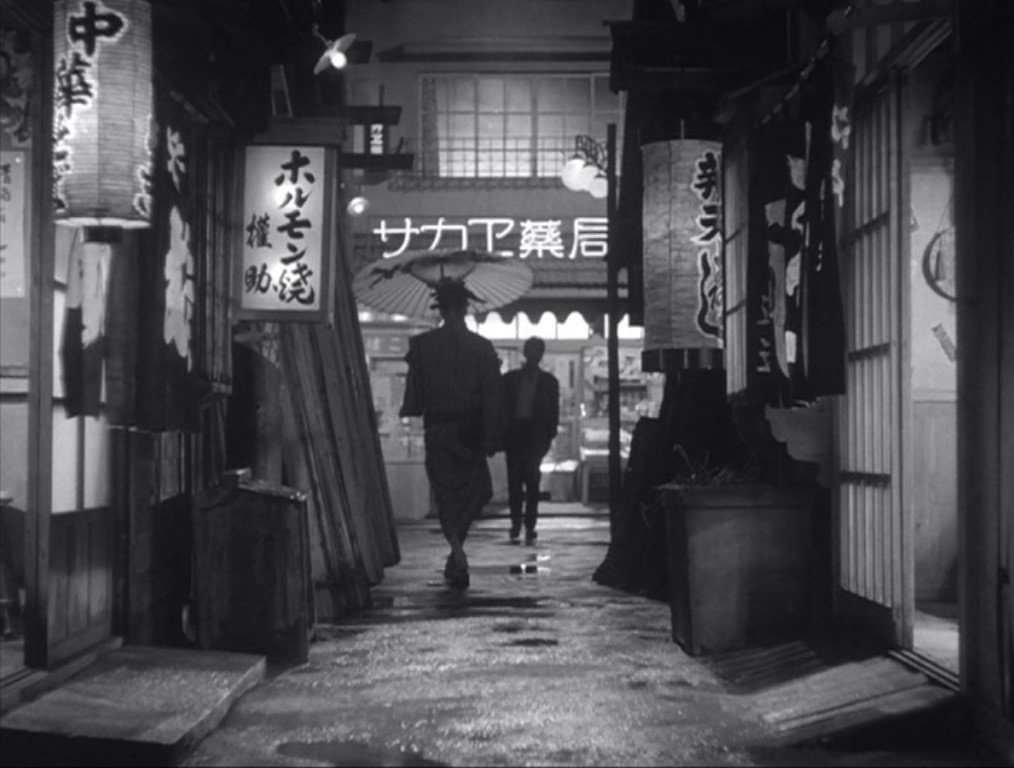
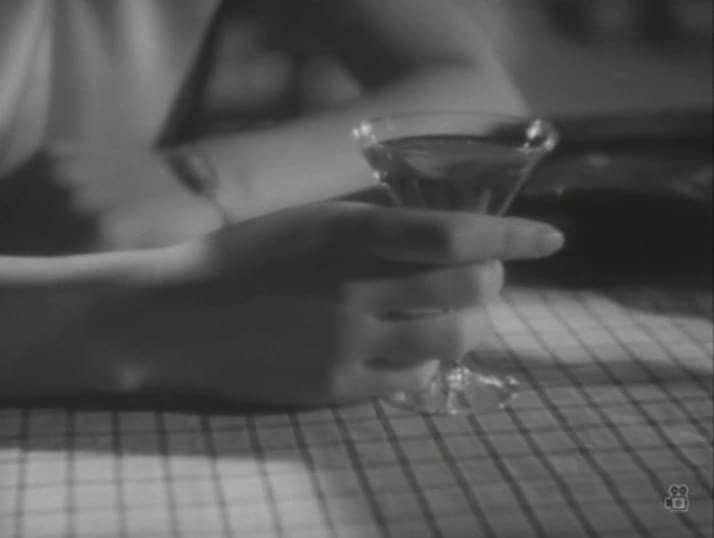
Kawashima, invece, si trova a suo agio nel fango e nei quartieri a luci rosse di una città che appare, pure nella sua corruzione, immensamente affascinante e vitale. La cura del regista nello stilizzare le notti con forti chiaroscuri, il costante senso di un limen tra vita e morte, l’aspetto fantasmatico dei due giovani protagonisti, erranti in un limbo senza fine, e il brulicare di attività, bar, ristoranti e locali notturni offrono la fotografia di un Giappone che si dibatte alla ricerca di un futuro. Kawashima compone le sue inquadrature con grande raffinatezza, si focalizza su interni ambigui, parzialmente occultati da tende e shōji, dove le figure umane vengono osservate con spirito voyeuristico; e li mette in rapporto con il disordine degli esterni, liberi, caotici, attraversati da mezzi pesanti o inquadrati attraverso la prospettiva di gruppi di operai al lavoro.
Yoshiji e Tsutae, giovani e privi di valori, smarriti tra le macerie morali di una Tokyo sempre più divisa tra classi povere e nuovi imprenditori, sono una coppia di grande modernità, anticipatrice di tanti amanti perduti della storia, anche occidentale, del cinema a venire. Egoisti, superficiali, in preda ai propri istinti primari, si allontanano per poi ritrovarsi, sempre uniti da una reciproca e irresistibile attrazione. Come i protagonisti di Gangster Story (1967, Arthur Penn) o Badlands (1973, Terrence Malick), sembrano destinati a una romantica autodistruzione.
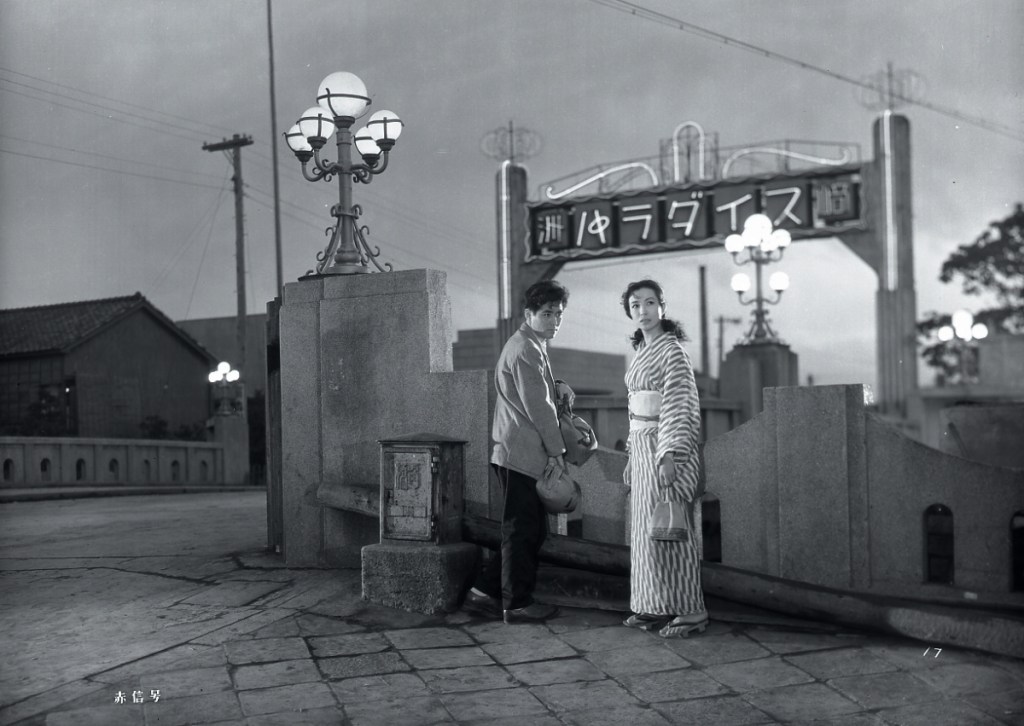
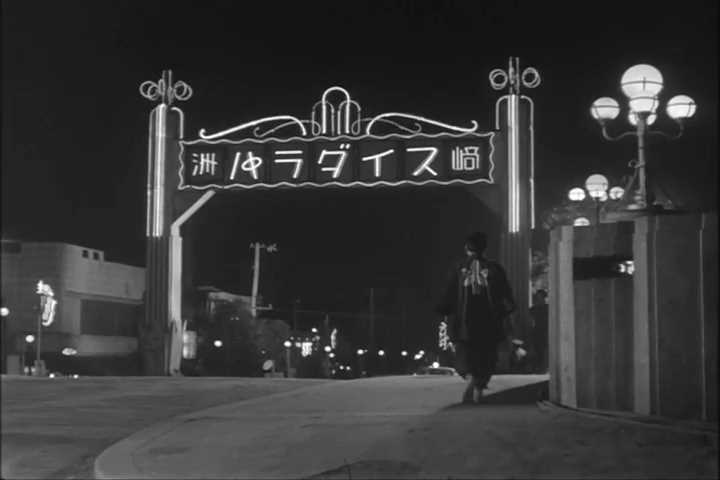
Suzaki Paradise seduce con il suo portale al neon, le albe fredde e grigie, e le illusioni alcoliche della notte. Nel finale, i due innamorati compiono un movimento inverso — fuggendo da Suzaki — e cercando la libertà in una corsa “godardiana”. Ciò che davvero conta, sembra suggerirci Kawashima, è l’ebbrezza che Yoshiji e Tsutae provano l’uno per l’altra, e la tensione verso un “desiderio senza oggetto”, se non l’atto stesso del vivere.
Tutti gli articoli sono protetti da copyright: © 2026 Marcella Leonardi. Tutti i diritti riservati.
English version
In the red-light district of Suzaki, in postwar Tokyo, the young Tsutae and her companion Yoshiji wander aimlessly, suspended between poverty, desire, and illusions of redemption. Taken in by a woman who runs an inn near the district, the two are slowly drawn into the ambiguous and degraded environment of Suzaki, where the boundary between love, opportunism, and survival becomes increasingly fragile.
Speaking about his vision of the world and cinema, Shōhei Imamura once declared: “I am interested in the relationship between the lower part of the human body and the lower part of the social structure upon which the reality of everyday Japanese life stubbornly rests” (Cahiers du Cinéma, May 1965).
A philosophy partly inherited from his “master” Yūzō Kawashima, whose assistant he had been, and whom he described as “the embodiment of the new Japanese cinema ten years ahead of its time.”
An “errant” director moving restlessly from studio to studio — from Shochiku to Nikkatsu, from Toho to Daiei Film — Kawashima rejected the balances of classicism in order to portray a dissonant Japan, suspended between comedy and dark drama: a country whose physical and psychological recesses, darkest impulses, and instinctive irrationality he explored with remarkable intensity. These elements would later be pushed even further by Imamura through his metaphorically “animalistic” characters (pigs, insects, eels).
Kawashima’s entomological gaze — his depiction of a corrosive reality in which characters swarm like insects, often framed in extremely long shots or through anti-naturalistic perspectives that heighten the alienation of the human condition — blends with a melancholic sense of humor and a taste for paradox. Dying at only forty-five, the director infused his films with a sense of vertigo and a dark foreboding of the emptiness of existence.
Yet his profound pessimism did not prevent him from leaving behind vibrant urban portraits in which we can perceive the constant transformation of a society struggling to survive. Films such as Tales of Ginza and, even more so, Suzaki Paradise: Red Light are both artistic and documentary accounts of the mutation of the urban fabric, the moral decay of postwar Japan, and a forced Westernization inherited from the American occupation.
The “classical” virtues of masculine honor and feminine submissiveness have now crumbled, replaced by a new moral looseness. The microcosm of Suzaki Paradise: Red Light is populated by prostitutes blinded by illusion, idle young men and kept lovers, or unscrupulous nouveaux riches. The “sacred” family unit reveals its hypocrisies and fractures: and while many classical directors — from Kenji Mizoguchi to Mikio Naruse — had already portrayed a reality of betrayals, selfish husbands, and submissive wives, Kawashima goes even further, uncovering beneath a leaden, steel-like sky the vulgar impulsiveness of human relationships against the backdrop of a cynical consumerist city.
“People are no longer what they were before the war, and even girls have become more vulgar,” remarks a disillusioned customer in a Suzaki bar. It is curious to observe that Yasujirō Ozu himself expressed a similar thought in his diaries — one that led him to seek “the flower in the mud.”
Kawashima, however, feels entirely at ease in the mud and in the “lower” quarters of a city that appears, despite its corruption, immensely fascinating and alive. The director’s careful stylization of the nights through strong chiaroscuro, the constant sense of a limen between life and death, the ghostly appearance of the two young protagonists wandering endlessly through a limbo, and the swarming activity of bars, restaurants, and nightclubs together create a portrait of a Japan struggling to imagine its future. Kawashima composes his frames with extraordinary sophistication, focusing on ambiguous interiors partially concealed by curtains and shōji, where human figures are observed with voyeuristic detachment; he then contrasts them with the disorder of the exteriors — free, chaotic spaces crossed by heavy vehicles or viewed through the perspective of groups of laborers at work.
Young and devoid of values, lost amid the moral ruins of a Tokyo increasingly divided between impoverished classes and new entrepreneurs, Yoshiji and Tsutae form a remarkably modern couple, anticipating many doomed lovers in the future history of cinema, both Japanese and Western. Selfish, superficial, driven by primal instincts, they drift apart only to reunite again, forever bound by an irresistible mutual attraction. Like the protagonists of Gangster Story (1967, Arthur Penn) or Badlands (1973, Terrence Malick), they seem destined for romantic self-destruction.
Suzaki Paradise seduces us with its neon gateway, its cold grey dawns, and the alcoholic illusions of the night. In the finale, the two lovers perform an inverse movement — fleeing Suzaki — and seek freedom in a “Godardian” dash forward. What truly matters, Kawashima seems to suggest, is the intoxication Yoshiji and Tsutae feel for one another, and the tension toward a “desire without object,” except for the very act of living itself.







Rispondi