
[Please scroll down for the English version]
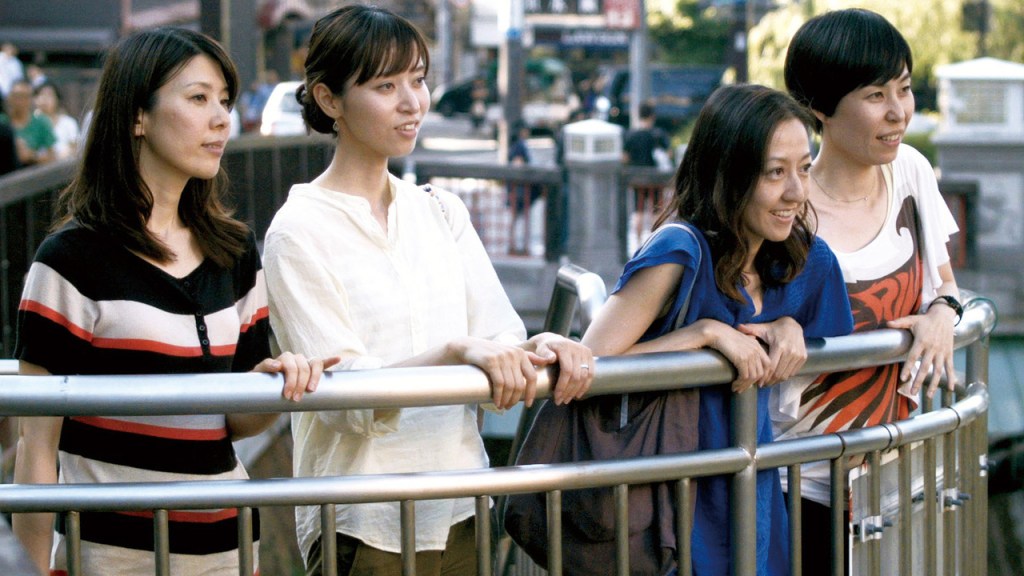
La quotidianità di un gruppo di amiche, tra rapporti di coppia complicati e dolorosi, uomini dispotici e un mistero improvviso che innesca tutto il flusso narrativo.
Così libero, arioso e straordinario, Happy Hour è un’opera di inquietudini moderne e radici classiche – il regista cita, tra gli autori che più lo hanno influenzato, Yasujirō Ozu e Mikio Naruse; mentre, sul versante internazionale, il debito è per Rohmer, che continua a incantare i grandi cineasti contemporanei del Giappone, come Fukada e Miyake.
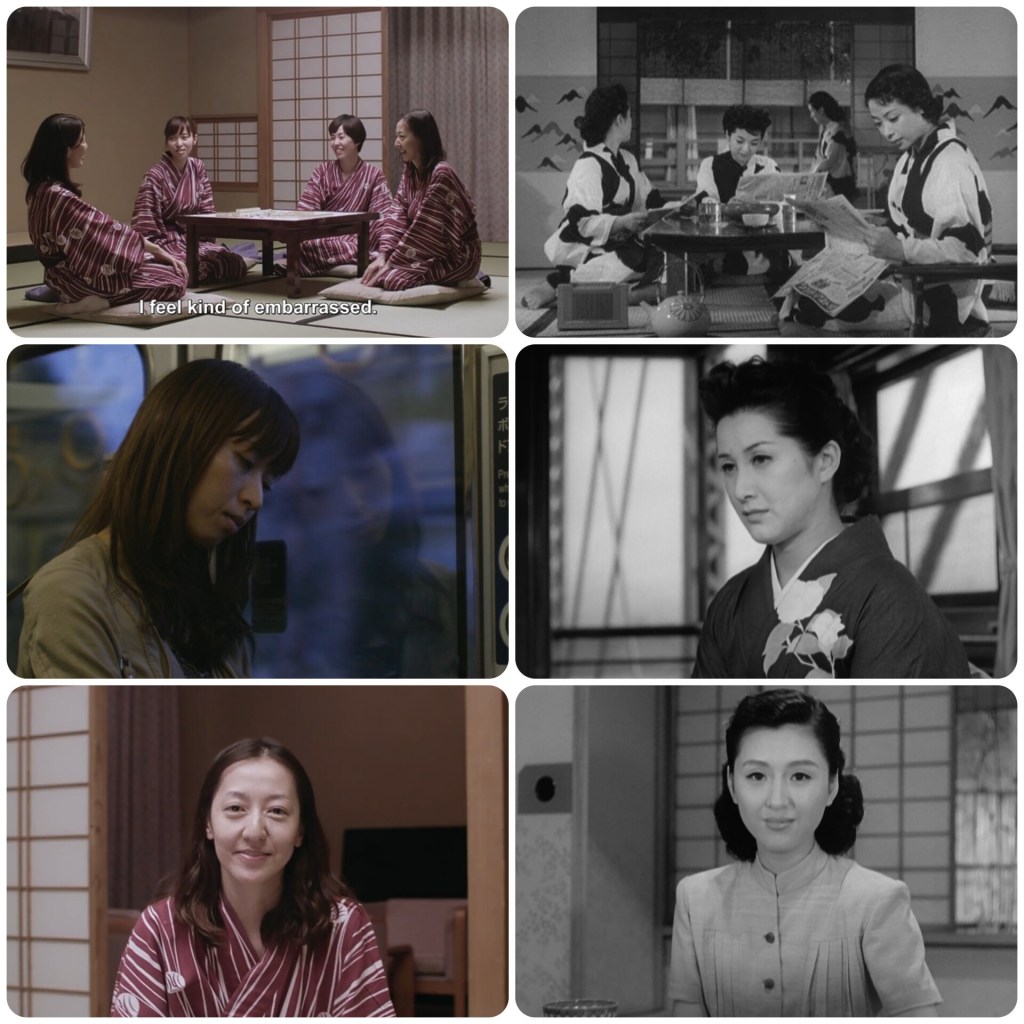
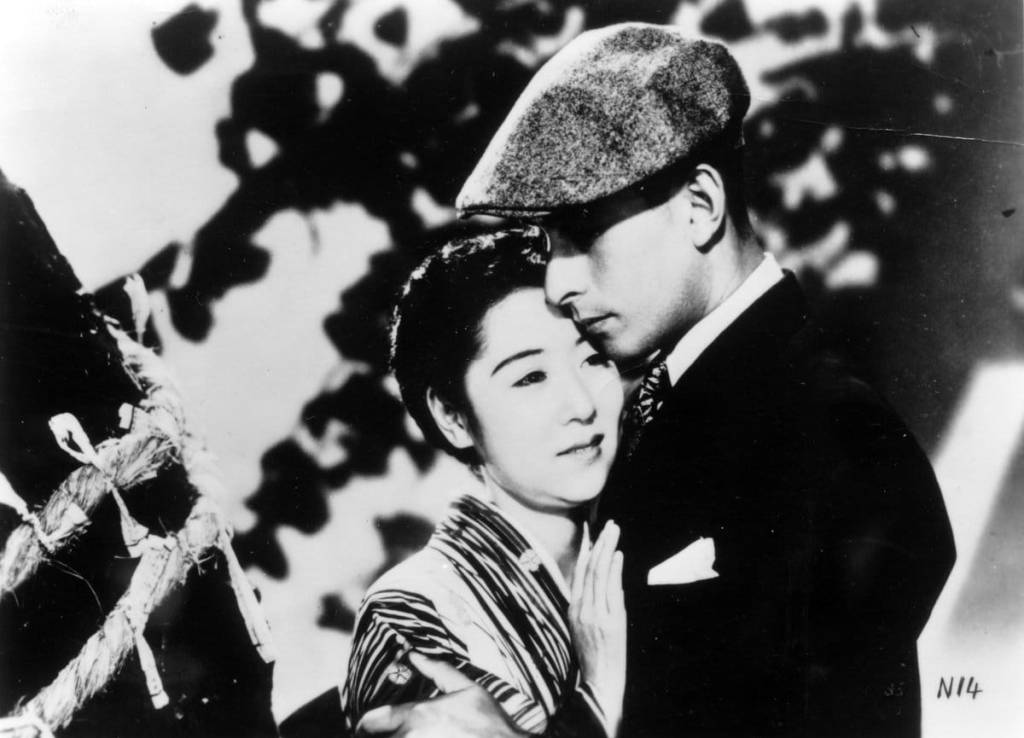
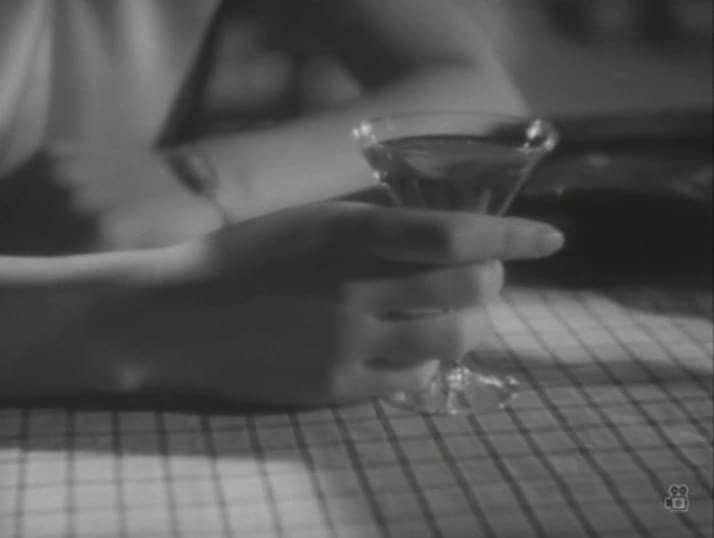
Ed è, forse, il più “ozuiano” dei film di Hamaguchi: il gruppo di amiche ricorda moltissimo le protagoniste de Il sapore del riso al tè verde, colte nelle loro personalità talvolta complesse e contraddittorie, altre volte civettuole e giocose. C’è inoltre un grande uso di immagini di transizione (pillow shot), in cui i sentimenti umani aleggiano come fantasmi sugli spazi e sugli oggetti; ci sono composizioni dell’inquadratura estremamente raffinate, come la sequenza al bagno termale in cui all’intensità dei caratteri e delle emozioni delle ragazze corrisponde la massima ricercatezza formale. I kimono dalle grafiche astratte, le pose parallele, gli sguardi in macchina, traducono in forme stilizzate la misteriosa essenza femminile.
Il regista si affida alla spontaneità delle attrici, da cui riesce a trarre una recitazione impalpabilmente vera. Pochi autori sanno, come lui, avvicinarsi ai propri interpreti senza tradirli né caricarli drammaticamente. Gli sguardi obliqui e infinitamente tristi di Sakurako, la reticenza ferita di Fumi, l’oscurità misterica di Jun, la sensualità repressa di Akari, passano davanti ai nostri occhi, emozioni fuggevoli eppure profonde. Le parole, materiche come una corrente calda, scivolano dalle loro labbra trascinando con sé un nucleo nascosto di verità. Ispirandosi a Rohmer, il regista filma i dialoghi senza imprigionarli né sottrarne l’incandescenza; e ci vuole un vero maestro della costruzione scenica per scandire un racconto in cui nulla apparentemente accade, ma che contiene confronti rivelatori, messe a nudo dei personaggi, volatili flussi di coscienza (espressi solamente da uno sguardo), piani ravvicinati trasformativi. Siamo resi partecipi di impulsi, e comprendiamo la natura ambigua dei sentimenti e della natura umana.
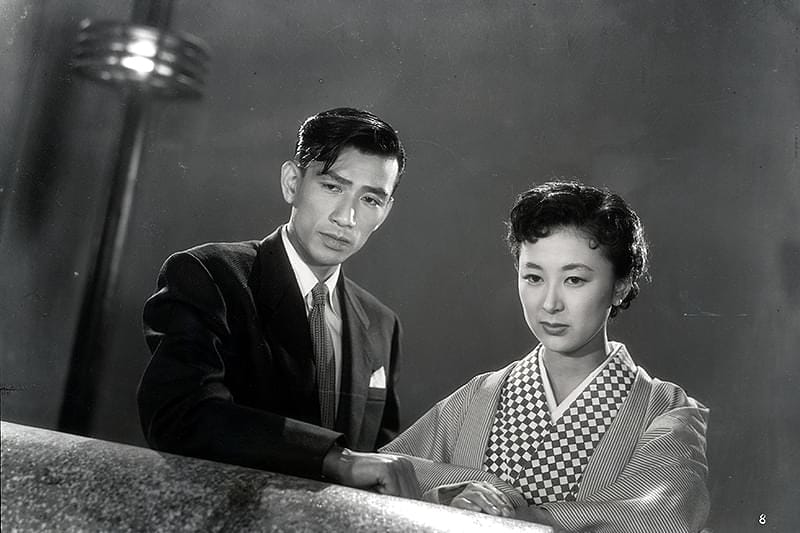
Con una sensibilità che lo avvicina a Mikio Naruse, Hamaguchi coglie le sue protagoniste nei momenti più intimi, abbandonate sul sedile di una metropolitana, intente a pensare, o mentre, appoggiate a una ringhiera, aspirano avidamente una sigaretta. Sono donne in cerca di libertà, spesso succubi della volontà maschile, in una società ancora profondamente patriarcale, in cui l’emancipazione femminile non sembra essere cambiata molto dai tempi di Lightning (1952) o Repast (1951).
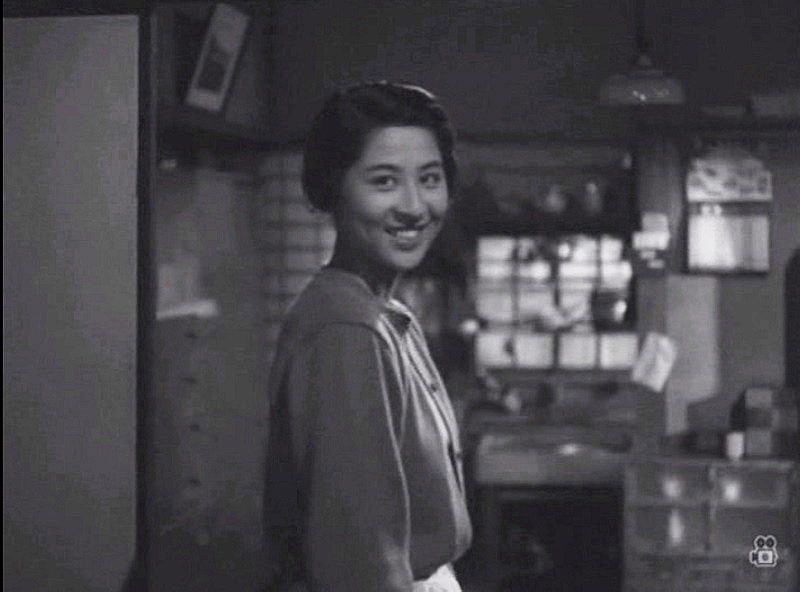
Con indosso un grembiule in cucina, nascoste dietro una porta a vetri, Sakurako o Fumi rispondono timidamente ai loro mariti e svaniscono come se le loro esistenze dovessero essere sempre sussurrate nel repressivo alveo familiare. Jun tenta di affrancarsi dal ruolo oppressivo di moglie, mentre Akari, dietro l’apparente indipendenza, è ancora culturalmente soggetta al bisogno di una “salvezza” maschile, che ricerca nell’inaffidabile Ukai. Le loro vite si intrecciano in capitoli legati da impercettibili transizioni (anche questa una caratteristica narusiana).
A queste donne vive, sofferenti, mai rassegnate e in lotta contro una condizione socialmente assegnata, Hamaguchi contrappone una presenza maschile ottusamente inespressiva ed egoista, incapace di ascolto.
Affiorano alcuni segni che diventeranno tipici del suo stile: ad esempio le frequenti inquadrature di alberi che sembrano assumere una natura animista, grandi custodi delle vite umane; il gusto per gli spazi lasciati vuoti, in cui percepire un “prima e dopo” e un passaggio emozionale; l’uso importante della luce, in cui le figure vengono “messe in ombra” per esprimere, metaforicamente, uno stato di oscurità e confusione. E troviamo un bellissimo camera-car che ci allontana da Jun, preludio a un distacco profondo.
Umanista e di leggerezza checoviana, la regia lascia libere le protagoniste nell’immagine: nel cinema di Hamaguchi il rapporto tra attore e spazio circostante non appare mai forzato.
Come le sue protagoniste, Happy Hour è sincero ai limiti della crudeltà, ed è uno degli specchi più profondi in cui gli spettatori – ma soprattutto le spettatrici – possono rinvenire, forse, un nuovo amore per se stesse.
Tutti gli articoli sono protetti da copyright: © 2026 Marcella Leonardi. Tutti i diritti riservati.
English Version
The everyday lives of a group of female friends, caught between painful and complicated relationships, domineering men, and a sudden mystery that sets the entire narrative flow in motion.
So free, airy, and extraordinary, Happy Hour is a work of modern inquietudes and classical roots. Among the filmmakers who most influenced him, the director cites Yasujirō Ozu and Mikio Naruse; while on the international side, the debt is to Éric Rohmer, who continues to enchant major contemporary Japanese filmmakers such as Kōji Fukada and Ryutaro Miyake.
And perhaps this is Hamaguchi’s most “Ozu-like” film: the group of female friends strongly recalls the protagonists of The Flavor of Green Tea over Rice, observed in personalities that are at times complex and contradictory, at others coquettish and playful. There is also a remarkable use of transitional images (pillow shots), in which human emotions linger like ghosts upon spaces and objects; there are compositions of extraordinary formal refinement, such as the sequence at the hot spring, where the emotional intensity of the women corresponds to the utmost stylistic sophistication. The kimonos with abstract patterns, the parallel poses, the direct gazes into the camera translate the mysterious essence of femininity into stylized forms.
The director entrusts himself to the spontaneity of the actresses, from whom he draws performances of almost intangible truthfulness. Few filmmakers know, as he does, how to approach their performers without betraying them or burdening them in pursuit of easy dramatic effects. Sakurako’s oblique and infinitely sorrowful glances, Fumi’s wounded reticence, Jun’s mysterious darkness, Akari’s repressed sensuality pass before our eyes like fleeting yet profound emotions. The words, material like a warm current, slip from their lips carrying with them a hidden nucleus of truth. Like Rohmer, the director films dialogue without imprisoning it or diminishing its incandescent quality; and it takes a true master of scenic construction to shape a narrative in which apparently nothing happens, yet which contains revelatory confrontations, emotional unveilings, volatile streams of consciousness (expressed only through a glance), and transformative close-ups. Exactly as in real life, we become participants in impulses, and come to understand the ambiguous nature of feelings and of human beings themselves.
With a sensitivity that brings him close to Mikio Naruse, Hamaguchi captures his protagonists in their most intimate moments: slumped on a subway seat, lost in thought, or leaning against a railing while greedily inhaling a cigarette. They are women searching for freedom, often subjected to male authority within a society that remains profoundly patriarchal, where female emancipation does not seem to have changed much since Lightning (1952) or Repast (1951).
Wearing aprons in the kitchen, hidden behind glass doors, Sakurako and Fumi timidly answer their husbands and fade away as though their existences were destined to remain forever whispered within the repressive confines of family life. Jun attempts to free herself from the oppressive role of wife, while Akari, behind her apparent independence, remains culturally dependent on the need for male “salvation,” which she seeks in the unreliable Ukai. Their lives intertwine in chapters connected by imperceptible transitions, another distinctly Narusian trait.
To these living, suffering women — never resigned, always struggling against a socially imposed condition — Hamaguchi opposes a male presence that is obtusely inexpressive and selfish, incapable of truly listening.
Certain elements that would later become characteristic of his style already emerge here: for instance, the frequent shots of trees that seem to assume an almost animistic nature, as though they were great guardians of earthly events; the taste for emptied spaces, in which one can sense a “before and after,” an emotional passage; and the expressive use of light, through which characters are cast into shadow to metaphorically convey states of confusion and darkness. We also find a beautiful tracking shot that distances us from Jun, foreshadowing, as so often in his films, a profound separation.
Humanistic and Chekhovian in its lightness, the direction allows the protagonists to move freely within the image, never forcing the relationship between actor and surrounding space.
Like its protagonists, Happy Hour is sincere to the point of cruelty, and stands as one of the deepest mirrors in which spectators — but especially female spectators — may perhaps rediscover a new love for themselves.







Rispondi