

[English version below]
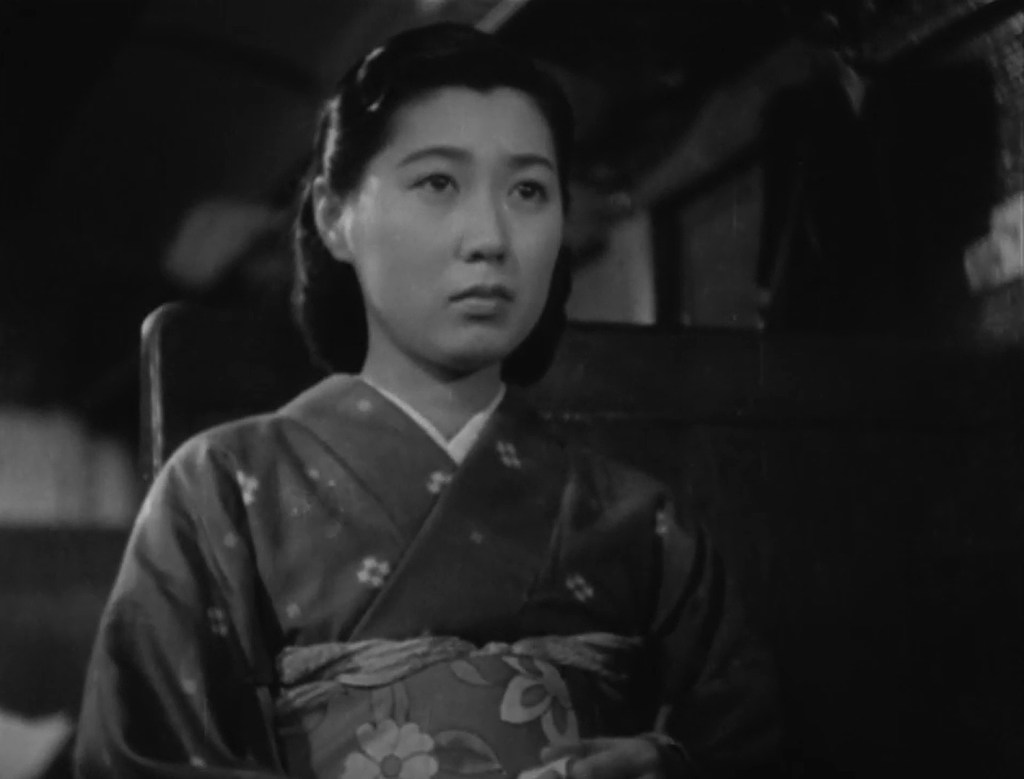
C’era un padre è un film di presenze e sentimenti maschili, e forse, per chi scrive, per questo motivo meno sfumato e interessante. Viene a mancare, se si esclude la fuggevole apparizione di Fumiko, sposa di Ryōhei, la profonda ricchezza emotiva, anche contraddittoria, delle figure femminili, che ritroveremo invece come protagoniste vive e misteriose nei film successivi.
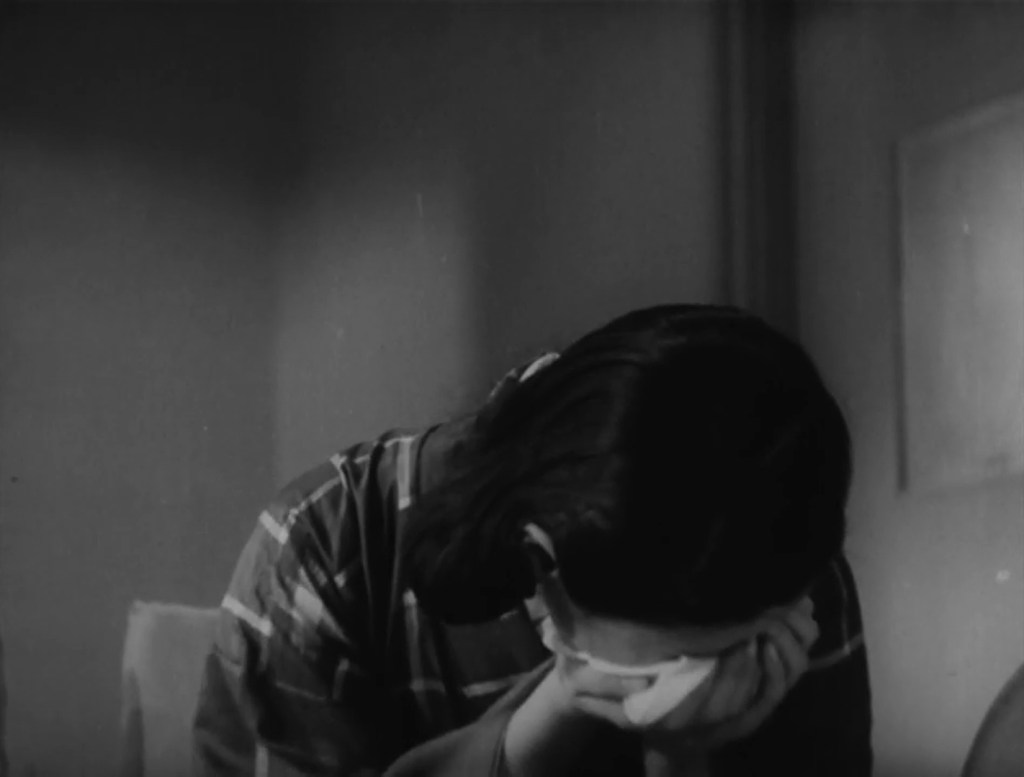
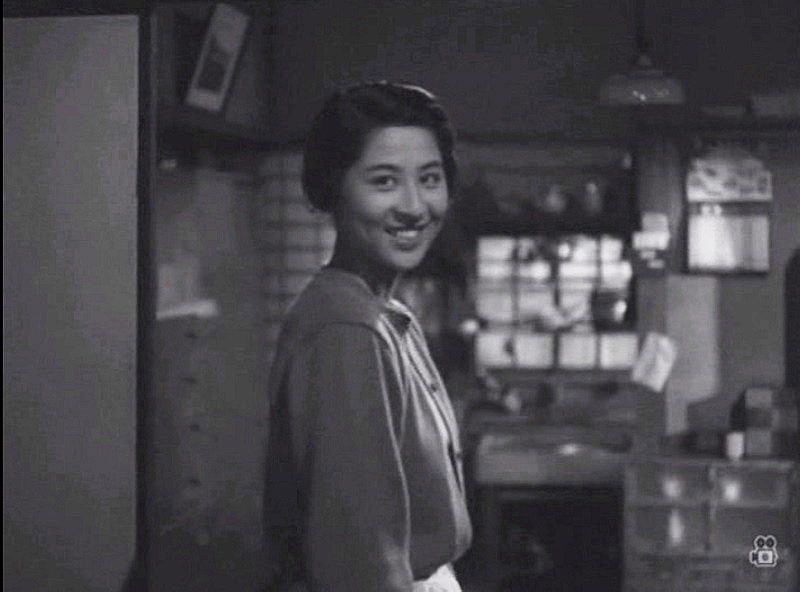
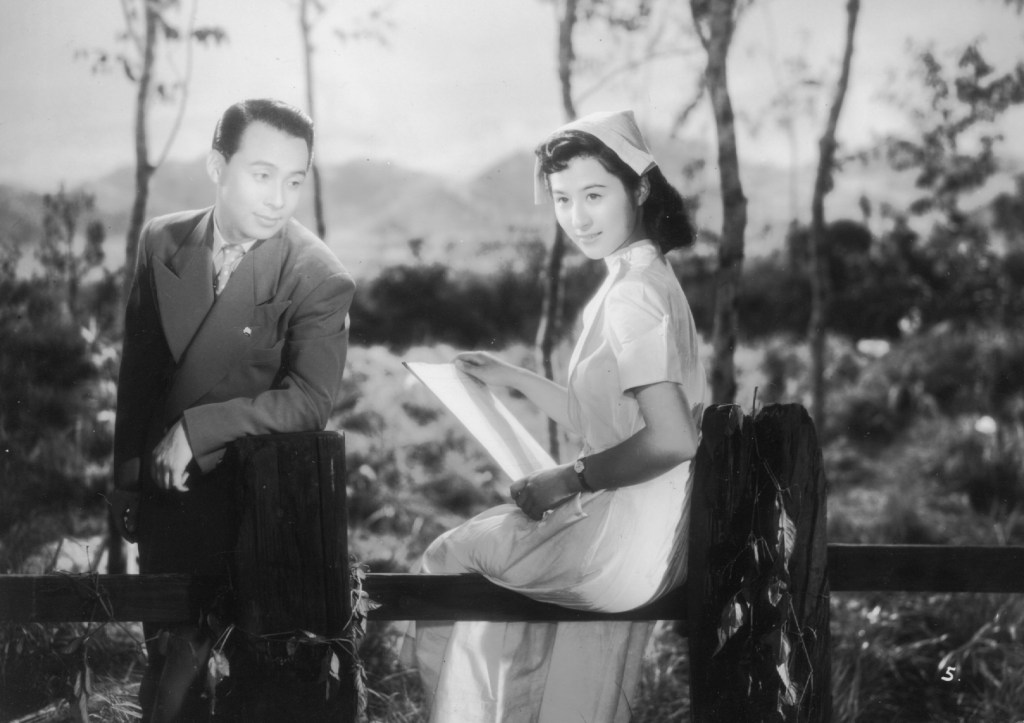
Fumiko è però protagonista di due importanti scene di pianto femminile, la prima sul letto di morte di Shuhei, padre di Ryōhei, e la seconda nella sequenza finale in treno. La sua immagine è trascendenza pura, rappresentazione del dolore nella sua forma più vera e innocente. Le sue lacrime vengono celate in un fazzoletto, affinché l’universo non ne venga turbato.
Sebbene Fumiko sia una presenza passiva, docile e irrilevante in un film completamente “al maschile”, basta il suo sguardo smarrito, il volto in cui scorgiamo dubbi e sofferenza, per conferire maggiore umanità e un “diritto alla fragilità” in un’opera in cui prevalgono disciplina, repressione emotiva e autorità patriarcale.
Women and Tears: Fumiko in There Was a Father (1942), Yasujiro Ozu
There Was a Father is a film of male presences and sentiments, and perhaps – in my view – less nuanced and interesting for this very reason. Excluding the fleeting appearance of Fumiko, Ryōhei’s wife, it lacks the profound, even contradictory emotional richness of the female figures we would later find as vivid and mysterious protagonists in subsequent films.
However, Fumiko is the protagonist of two important scenes of female weeping: the first at the deathbed of Shuhei, Ryōhei’s father, and the second in the final train sequence. Her image is pure transcendence, a representation of grief in its truest and most innocent form. Her tears are concealed in a handkerchief, so that the universe remains undisturbed by them.
Although Fumiko is a passive, docile, and marginal presence in an entirely “male” film, her bewildered gaze and the face in which we glimpse doubts and suffering are enough to bestow greater humanity and a “right to fragility” upon a work otherwise dominated by discipline, emotional repression, and patriarchal authority.




 Nubi Fluttuanti
Lascia un commento