

[English version below]
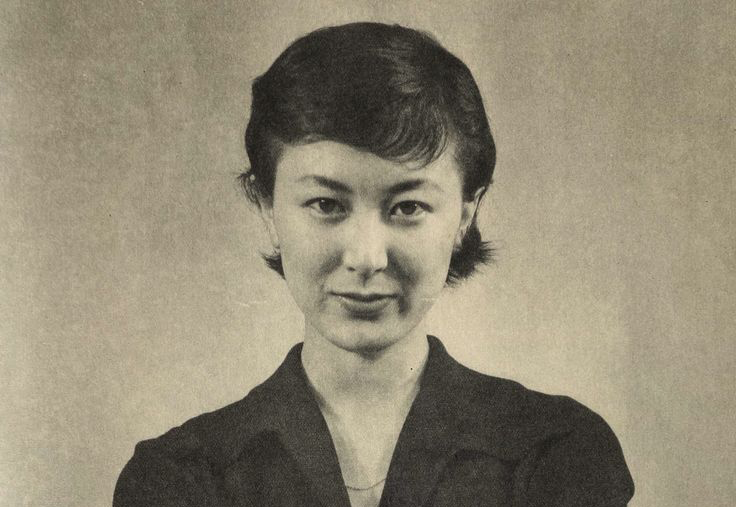
Speciale “Kyoko Kagawa Rarities”, in occasione della retrospettiva dedicata alle pellicole rare interpretate dalla leggendaria attrice giapponese, presentata da Asia Society e Anthology Film Archives a New York dal 13 al 16 agosto 2026.
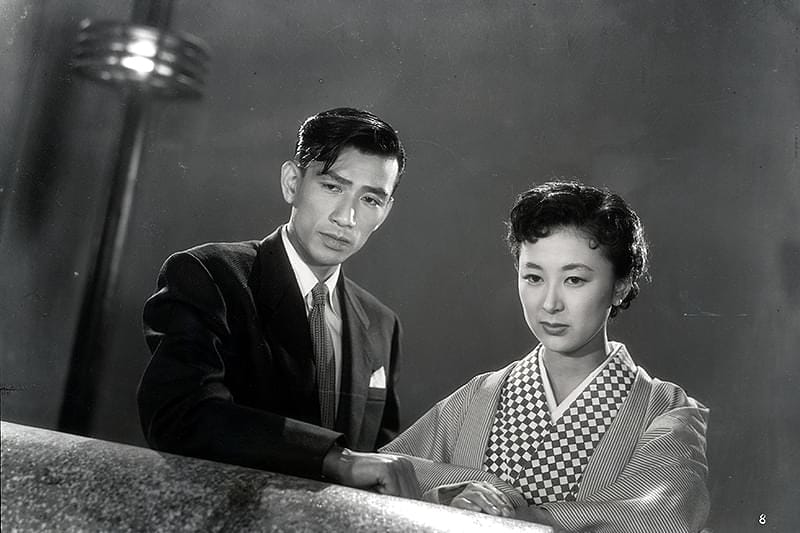
Cinque sorelle vivono separate da diversi anni. Le più giovani, Kuniko e Mie, sono ancora nubili e vivono sull’isola di Shōdoshima, mentre Michi, Kayano e Takako sono sposate e risiedono rispettivamente a Hiroshima, Osaka e Tokyo. Una cerimonia commemorativa familiare le riunisce per pochi giorni sull’isola, dove avranno modo di confrontarsi e riflettere sulle proprie vite.
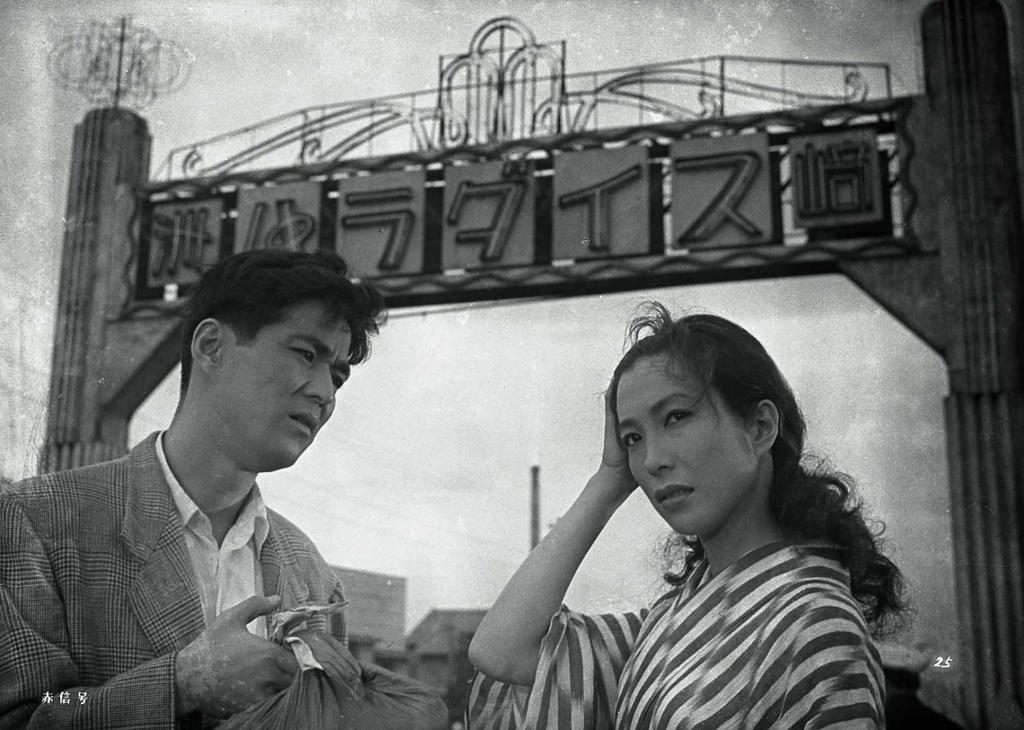
Film dal sapore al contempo neorealista e nostalgico, che proietta l’operosa vita contadina in una dimensione idilliaca sempre più lontana, Five Sisters fu un grande successo popolare in Giappone e arrivò anche in Europa, selezionato tra le opere in concorso al Festival di Cannes del 1955. Nel tempo scomparve gradualmente dagli schermi occidentali, fino a diventare una rarità difficile da reperire e poco ricordata.
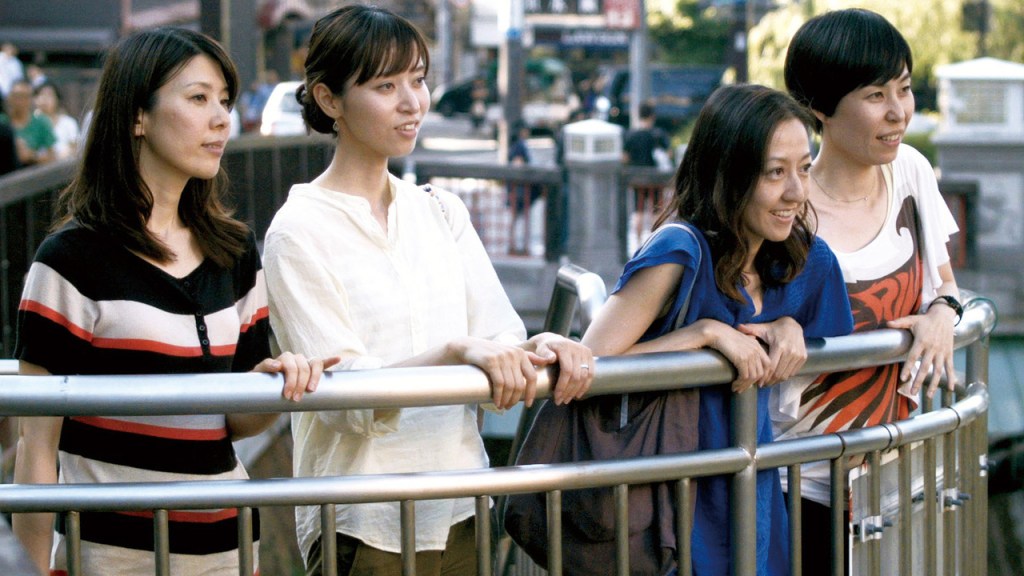
Eppure si tratta di un film di indiscutibile fascino che, oltre a consegnarci un luminoso ritratto del periodo – con tutte le sue vive contraddizioni e trasformazioni – contiene evidenti tracce di modernità. Nel fotografare la vita di cinque sorelle dai destini differenti, riunite in occasione del memoriale funebre paterno, è difficile non pensare a Little Sister di Koreeda (2015). Il regista Seiji Hisamatsu guarda con sensibilità ai suoi personaggi femminili, li fa dialogare animatamente e riflettere. Le sorelle confidano i propri desideri, esprimono le proprie idee sul matrimonio con grande trasparenza e nell’immediatezza di un’apparente “presa diretta”. Assistiamo ai turbamenti dell’animo femminile, diviso tra bisogno di indipendenza e una mentalità tradizionale inconsciamente interiorizzata, come accade nei film di Naruse degli stessi anni.
L’occupazione americana è terminata da due anni: il regista può tornare liberamente a vagheggiare i valori tradizionali giapponesi, il matrimonio e la vita semplice e rurale. Ambientato nell’isola di Shōdoshima, Five Sisters sembra però invitare a una riflessione sulle contraddizioni della condizione femminile, sulle cui spalle poggia la stabilità sociale. Se le tre sorelle sposate, Michi, Kayano e Takako, sono emblema del focolare domestico come approdo faticoso e irto di compromessi, le due sorelle ancora nubili si ergono come protagoniste di possibilità nuove. La ribelle Kuniko (Yōko Sugi), decisa a mantenere la propria libertà e a sfuggire alla tradizione dell’omiai (l’incontro a scopo matrimoniale organizzato con l’intervento di un intermediario), è una figura colta ed emancipata, lavoratrice e indipendente. La minore Mei (Kyoko Kagawa) è invece il corpo di un purissimo romanticismo, al centro di una vicenda amorosa di toccante semplicità. L’innocenza di Mei, derisa dalle sorelle maggiori, restituisce all’amore il suo potere intatto e salvifico; il suo sentimento imprime movimento alla vita e sembra restituirle radiosità in un difficile momento storico.
Stilisticamente il regista ricorre di frequente all’inquadratura bassa e frontale di ascendenza ozuiana, ma l’immagine è spesso spezzata da un montaggio che organizza uno spazio dinamico, nel quale i dialoghi in campo/controcampo restituiscono differenti prospettive. Vengono a mancare l’astrazione armonica e la tensione all’universale proprie di Ozu: tutto è, invece, particolaristico e soggettivo, legato all’hic et nunc degli umori, dei sentimenti e dei pensieri delle ragazze. Vediamo Kuniko e Mei mangiare con vivo appetito mentre criticano il matrimonio dei genitori; le loro conversazioni ruotano intorno alle tipiche preoccupazioni dell’epoca, come la perdita dell’indipendenza, la paura di dover vivere in povertà, ma anche il terrore di diventare vecchie zitelle, ostracizzate dalla comunità stessa. Il loro atteggiamento è polemico e timidamente contestatore, proteso verso un’idea di modernità espressa anche dall’uso della bicicletta, che nei film giapponesi di quegli anni funge sempre da correlativo-oggettivo di libertà femminile. Di lì a poco anche Hideko Takamine percorrerà le strade dell’isola di Shōdoshima in Twenty-Four Eyes, pedalando svelta sulle due ruote e suscitando lo stupore degli abitanti.
Sono presenti numerose riprese in esterni, animate da campi lunghissimi in cui si muove, rapidissima, la vita del paese. Bambini, passanti, contadini e lavoratori attraversano l’inquadratura, si spostano o corrono, nella società che cresce e si trasforma. Il regista predilige soluzioni compositive emozionanti e sentimentali, di sicura presa popolare. Gli scorci del paese e del porto sono estremamente belli e naturalistici, e non mancano tocchi di grande poesia, come il passaggio ricorrente di Ofuku, sorta di “pazza del villaggio” che ricorda la Minerva Jones dell’Antologia di Spoon River.
I dialoghi, forse a tratti convenzionali, sono resi vividi e attuali dalla squisita recitazione delle interpreti. Una parentesi va aperta sulla bellissima e anomala scena romantica tra Mei e il suo innamorato Kyōhei, sullo sfondo della grande fattoria dove il giovane si prende cura dei maiali. Tutto si svolge con grande tenerezza e la coppia finisce per riposare sull’erba in un idillio naturale, un Déjeuner sur l’herbe che rispecchia l’autenticità del loro sentimento, colto nel suo farsi con una luce alla Renoir. Né si può ignorare la bravura e la straordinaria versatilità di Kagawa, che negli anni cinquanta dà vita ai ruoli più diversi, passando da registri leggeri, popolari e persino comici ai grandi capolavori drammatici diretti dai maestri.
La presenza fresca e fiduciosa di Mei, felice nella sua vita rurale, deliziosa con un porcellino in braccio, contrasta con la reticente malinconia di Michi (una splendidta Kinuyo Tanaka), che vive in condizioni di grande povertà, e con le frustrazioni di Kayano, sottomessa ai capricci del marito. L’aspetto più interessante di Five Sisters è proprio il continuo confronto tra esistenze e punti di vista femminili, all’interno di un rapporto mai statico, sempre mobile e in trasformazione. Questi personaggi, meravigliosamente raffigurati, sono alla ricerca di una strategia di sopravvivenza, di un’alternativa possibile in una società ancora sorretta dal sacrificio e dalla rinuncia delle donne. Vederle piangere e ridere, abbracciarsi pur nella diversità del pensiero e delle scelte, è un’immagine di futuro e di speranza.
Tutti gli articoli sono protetti da copyright: © 2026 Marcella Leonardi. Tutti i diritti riservati.


English version
“Kyoko Kagawa Rarities” Special, marking the retrospective devoted to rare films starring the legendary Japanese actress, presented by Asia Society and Anthology Film Archives in New York from August 13 to 16, 2026.
Five sisters have been living apart for several years. The youngest, Kuniko and Mie, are still unmarried and live on the island of Shōdoshima, while Michi, Kayano and Takako are married and reside in Hiroshima, Osaka and Tokyo, respectively. A family memorial ceremony brings them back together on the island for a few days, giving them the opportunity to compare their experiences and reflect on their lives.
A film with a simultaneously neorealist and nostalgic flavour, projecting the industrious life of the countryside into an increasingly distant idyllic dimension, Five Sisters was a major popular success in Japan and also reached Europe, where it was selected for the competition at the 1955 Cannes Film Festival. Over time, it gradually disappeared from Western screens, eventually becoming a rarity that is difficult to find and now seldom remembered.
And yet this is a film of undeniable charm which, besides offering us a luminous portrait of its time – with all its vivid contradictions and transformations – contains clear traces of modernity. In portraying the lives of five sisters whose destinies have taken different paths, reunited for a memorial service for their late father, it is difficult not to think of Koreeda’s Our Little Sister (2015). Director Hisamatsu Seiji regards his female characters with sensitivity, allowing them to converse animatedly, reflect and confront one another. With remarkable transparency and the immediacy of an apparent “direct recording” of life, the sisters confide their desires and express their views on marriage. As in Naruse’s films from the same period – one might think of the slightly earlier Meshi – we witness the turmoil of the female psyche, divided between the need for independence and a traditional mentality that has been unconsciously internalised.
The American occupation had ended two years earlier: the director was once again free to evoke traditional Japanese values, marriage, and a simple rural way of life. Set on the island of Shōdoshima, however, Five Sisters also seems to invite reflection on the contradictions of the female condition, upon which social stability rests. While the three married sisters, Michi, Kayano and Takako, embody the domestic hearth as an arduous destination fraught with compromise, the two unmarried sisters represent new possibilities. The rebellious Kuniko, determined to preserve her freedom and escape the tradition of omiai – a meeting arranged for the purpose of marriage with the assistance of an intermediary – is an educated and emancipated woman, independent and employed. The youngest sister, Mei (Kagawa Kyōko), is instead the embodiment of the purest romanticism, at the centre of a love story of touching simplicity. Mei’s innocence, mocked by her elder sisters, restores to love its undiminished and redemptive power; her feelings set life in motion and seem to return radiance to it at a difficult historical moment.
Stylistically, the director frequently employs the low, frontal framing associated with Ozu, but the image is often broken up by editing that organises a dynamic space, in which shot/reverse-shot dialogue presents differing perspectives. Ozu’s harmonious abstraction and aspiration towards the universal are absent: everything here is instead particular and subjective, tied to the hic et nunc of the young women’s moods, feelings and thoughts. We see Kuniko and Mei eating heartily while criticising their parents’ marriage; their conversations revolve around the typical concerns of the period: the loss of independence, the fear of having to live in poverty, but also the terror of becoming old maids, ostracised by the very community to which they belong. Their attitude is contentious and timidly rebellious, reaching towards an idea of modernity also expressed through the bicycle, which in Japanese films of this period often serves as an objective correlative of female freedom. Not long afterwards, Takamine Hideko would ride swiftly along the roads of Shōdoshima in Twenty-Four Eyes, astonishing the island’s inhabitants as she passed on two wheels.
The film contains numerous exterior shots, enlivened by extreme long shots in which village life moves rapidly. Children, passers-by, farmers and workers cross the frame, moving or running through a society that is growing and changing. The director favours emotionally affecting, sentimental compositions with an assured popular appeal. The views of the village and harbour are exceptionally beautiful and naturalistic, and there are also touches of great poetry, such as the recurring appearances of Ofuku, a kind of “village madwoman” who recalls Minerva Jones from the Spoon River Anthology.
The dialogue, perhaps occasionally conventional, is made vivid and contemporary by the exquisite performances of the actresses. Special mention must be made of the beautiful and unusual romantic scene between Mei and her beloved Kyōhei, set against the large farm where the unassuming young man tends to the pigs. Everything unfolds with great tenderness, and the couple eventually lie down to rest on the grass in a natural idyll, a Déjeuner sur l’herbe reflecting the authenticity of their feelings, captured as they take shape in a Renoir-like light. Nor can one overlook Kagawa’s skill and extraordinary versatility. During the 1950s, she played an astonishing variety of roles, moving from light, popular and even comic registers to dramatic masterpieces directed by the great masters.
Mei’s fresh and trusting presence – happy in her rural life and delightful with a piglet in her arms – contrasts with the guarded melancholy of Michi, who lives in severe poverty, and with the frustrations of Kayano, subjected to her husband’s whims. The most interesting aspect of Five Sisters is precisely its continuous comparison of female lives and points of view, within relationships that are never static, but always fluid and evolving. These beautifully portrayed characters are searching for a strategy of survival, for a possible alternative within a society still sustained by women’s sacrifice and self-denial. To see them cry and laugh, and embrace one another despite the differences in their thoughts and choices, is an image of the future and of hope.







 Nubi Fluttuanti
Lascia un commento