
[English version below]
Speciale “Kyoko Kagawa Rarities”, in occasione della retrospettiva dedicata alle pellicole rare interpretate dalla leggendaria attrice giapponese, presentata da Asia Society e Anthology Film Archives a New York dal 13 al 16 agosto 2026
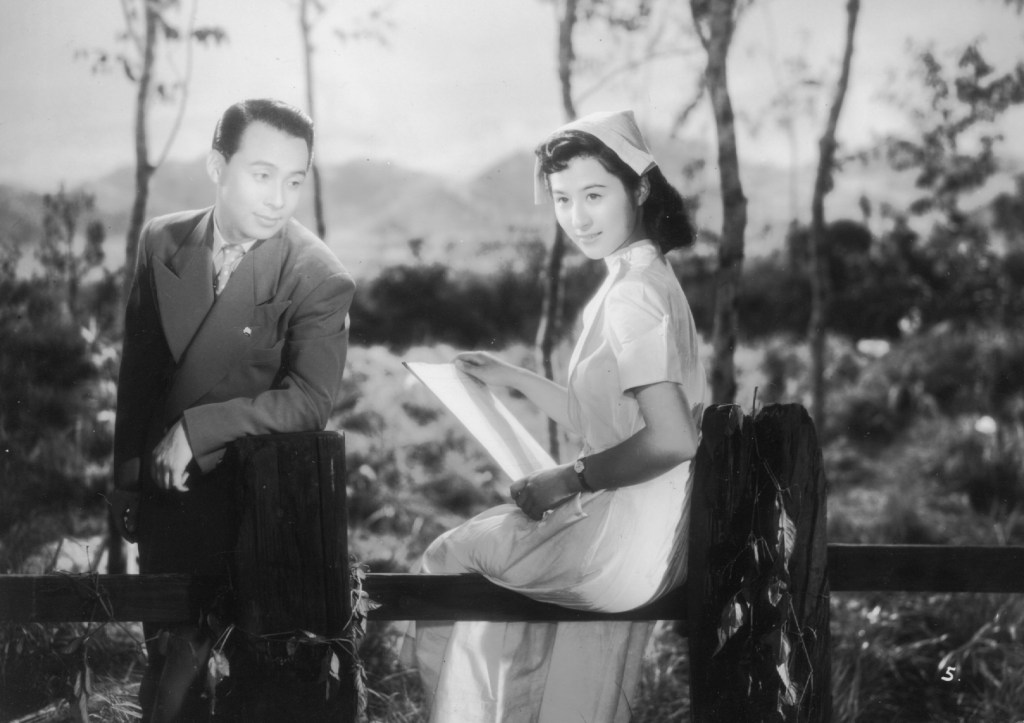
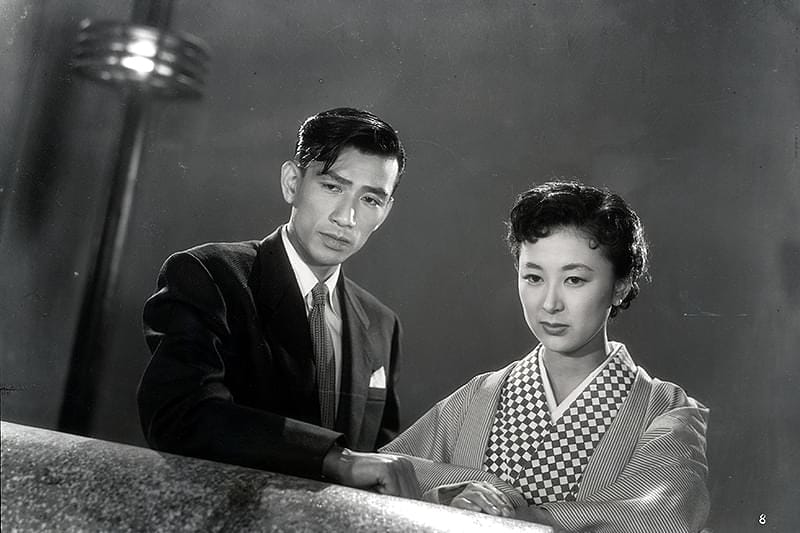
Toshio Nomura è un promettente botanico di Tokyo. Il suo mentore, il professor Ifukube, gravemente malato, desidera che sposi sua figlia Keiko. Oppresso da un destino che sembra già scritto, Toshio si allontana temporaneamente dalla città e raggiunge un sanatorio situato su un suggestivo altopiano di montagna. Qui incontra Yuki, una giovane infermiera con cui comincia a condividere escursioni e raccolte botaniche. Tra i due nasce un sentimento profondo, presto minacciato dagli obblighi e dalle aspettative che attendono Toshio.
Restituito al pubblico occidentale dopo decenni di oblio, grazie alla rassegna Kyoko Kagawa Rarities organizzata da Asia Society e Anthology Film Archives, Farewell to the Highland Station è un’opera di grande fascino, che si pone come “ponte” immaginario con il passato cinematografico giapponese reinterpretandone i codici; ed è un’opera significativa per Nobuo Nakagawa, che ne fa un laboratorio di cinema futuro. Prima di affermarsi come “maestro delle storie di fantasmi”, il regista fece il suo apprendistato nel cinema classico tradizionale – dai drammi in costume e dal chambara fino ai drammi della vita quotidiana. Ed è a questo cinema che sembra tornare nostalgicamente, per poi riscriverlo in forme personali.
Inventivo ed eccentrico, amante della poesia (da cui deriva la naturale propensione al lirismo delle sue immagini), con Farewell to the Highland Station Nakagawa rende omaggio alla tradizione del kayo eiga e, in particolare, al più grande successo popolare degli anni ’30, quell’Aizen Katsura (1938, Hirobasa Nomura) cui si devono archetipi e motivi ricorrenti del cinema romantico.
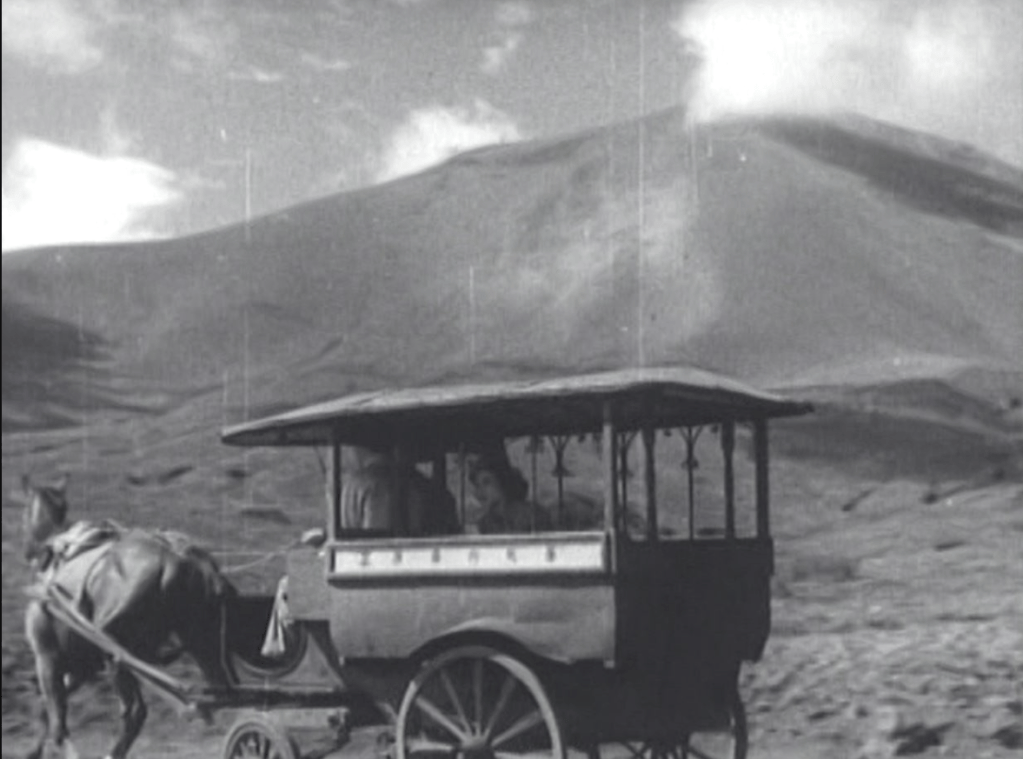
Introdotto dall’omonimo brano musicale Kōgen no Eki yo Sayonara del cantante Minoru Obata (che compare brevemente nell’incipit), Farewell to the Highland Station diventa un vero e proprio terreno sperimentale in cui rielaborare codici consolidati con un immaginario ibrido e intriso di cinefilia. L’ambientazione – un altipiano di montagna – consente al regista di evocare atmosfere western, mediante l’uso di campi lunghissimi, carrozze che attraversano il paesaggio, panoramiche laterali che esaltano l’infinità dell’orizzonte. C’è senza dubbio, da parte di Nakagawa, il vagheggiamento onirico di un cinema fordiano, contaminato con la tradizione giapponese del road movie nello stile di Hiroshi Shimizu (Mr. Thank-You).
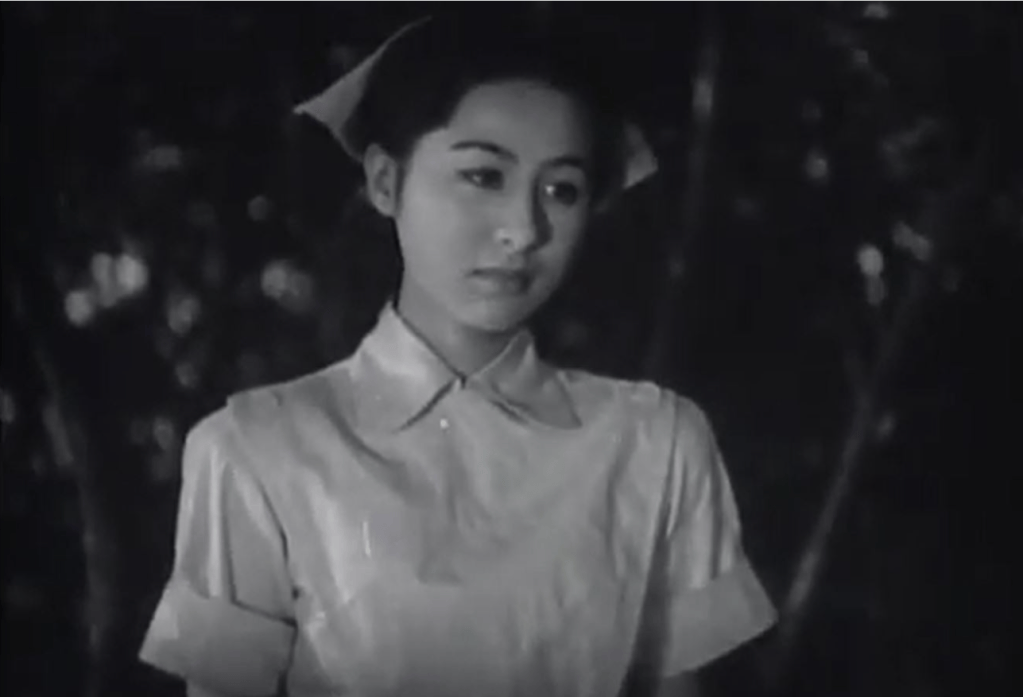
Come accade in Aizen Katsura, i due protagonisti Yuki e Toshio si incontrano per via di un caso fortuito e di un incidente che porta i due a “scontrarsi” in modo delicato e imbarazzante; e il loro sentimento, timido e percorso da tremule emozioni che quasi mai riescono ad essere pronunciate, è ostacolato da difficoltà e malintesi. Yuki lavora come infermiera e la sua candida uniforme appare come un correlativo oggettivo di purezza e innocenza, altra esplicita citazione del film del ’38, mentre Toshio è un giovane botanico incastrato in un matrimonio combinato. I cliché del genere surechigai (film degli “incontri mancati”) vengono ripercorsi da Farewell to the Highland Station fino ad estrarne l’essenza più luminosa, ed è interessante notare come tuttora l’immaginario romantico contemporaneo, dagli anime al manga ai jdrama, sia fondato sul tema della “comunicazione mancata” a causa di equivoci o coincidenze sfortunate.
Oltre a percorrere alcuni topoi eterni della sensibilità giapponese, il film di Nakagawa dialoga criticamente con la propria epoca e con le ultime fasi dell’occupazione americana. Se il controllo statunitense, fino ad allora, aveva fortemente limitato certi soggetti storici o nazionalisti, censurando molti aspetti della cultura tradizionale, Farewell to the Highland Station torna esplicitamente ai valori del passato, come l’innocenza del Giappone rurale, il rispetto e l’obbedienza verso i superiori e, in particolare, l’attitudine al sacrificio delle figure femminili. Ma Nakagawa infonde, in questo “ritorno amoroso” alle origini, nuove istanze e una tensione alla modernità.
Seppur docili e remissivi, Yuki e Toshio non riescono a rinunciare al proprio desiderio soggettivo, esprimendo un’individualità desiderante che si oppone all’usanza del matrimonio combinato. I due innamorati trovano un interlocutore essenziale nella figura di Naokichi, amico d’infanzia di Yuki e vero “cowboy” che suona l’armonica e indossa sempre un cappello (si potrebbe ironicamente definire, usando un neologismo di Charlie Kaufman, un hat-agonist). È proprio Naokichi ad invitare Yuki a non rinunciare al vero amore, e attraverso di lui il regista sembra riconoscere all’influenza americana un ruolo nella liberazione dello spirito individuale: una libertà metaforizzata nelle panoramiche in esterni contrapposte alla prigione degli interni, ma anche nella vitalità di improvvise scene di ballo e nell’uso frequente del dolly all’indietro, un movimento che spalanca la vista e ha un effetto liberatorio sullo spettatore.
Stilisticamente il film è ricchissimo e fonde suggestioni diverse e affascinanti. Gli incontri di Yuki e Toshio hanno spesso luogo in un paesaggio naturale, come il giardino dell’ospedale o le pendici dell’altopiano. Soffusi di densa nebbia, gli ambienti creano atmosfere spirituali e antinaturalistiche: il romanticismo scivola in un “gotico” fatto di brume e sospiri fantasmatici.
Una sequenza bellissima, un “idillio campestre”, è magistrale nel mostrarci la mano autoriale con cui Nakagawa compone le inquadrature, stacca su fiori e dettagli, si serve di transizioni impalpabili creando un movimento di grande poesia. L’uso del primo piano è molto libero e disinvolto – talvolta l’attrice sembra rivolgersi direttamente a noi – e anche il ricorso alla dissolvenza non è mai convenzionale: il regista non se ne serve genericamente per esprimere lo scorrere del tempo, ma come strumento per dilatare o comprimere la durata in senso soggettivo. Spesso le sequenze sono strutturate come “strofe visive” (gli appuntamenti tra gli alberi) ripetute con minime variazioni.
Nel selvatico mondo dell’altipiano, i protagonisti non combattono soltanto con i casi della vita ma anche con la brutalità dei fenomeni naturali. La scena della tempesta è condotta come se la natura fosse invasa da una presenza sinistra e animista (un ulteriore anticipo della sensibilità horror del regista); eppure è proprio la violenza del temporale a scuotere le anime di Yuki e Toshio e lasciar affiorare il reciproco sentimento. La regia, meravigliosa, indugia in primi piani dei volti su cui si posano ombre di velluto, finché le labbra non si uniscono in un bacio madido di pioggia. Come accade nei film di Naruse, le piogge improvvise costringono i protagonisti a confrontarsi con le proprie emozioni più vere.
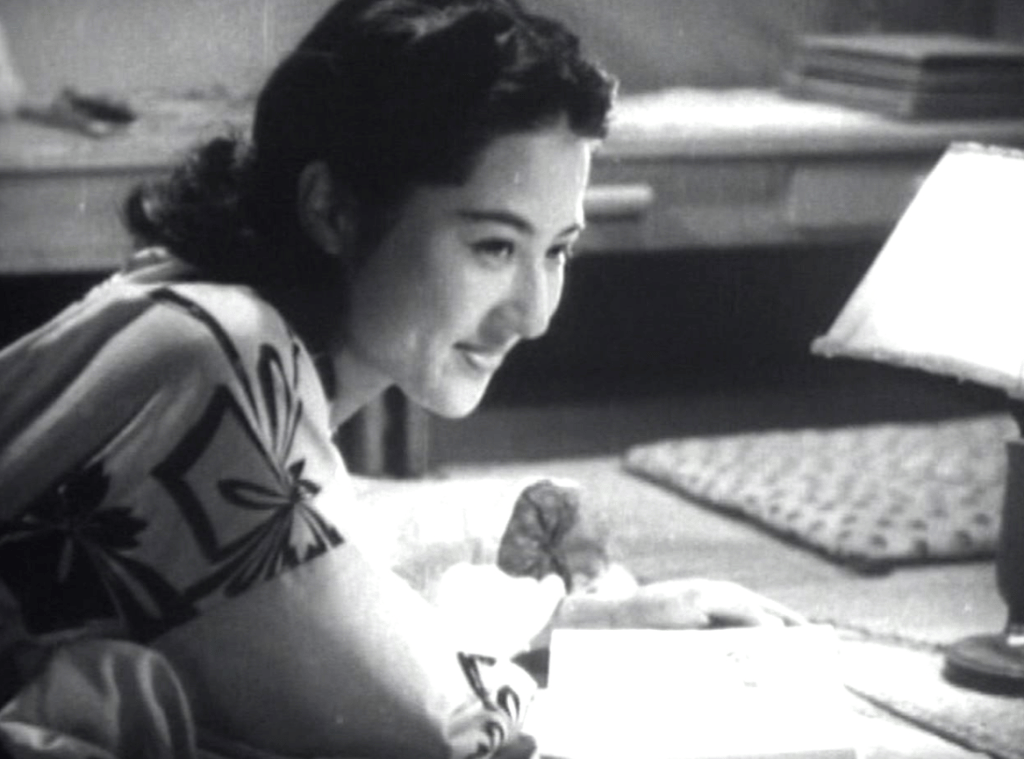
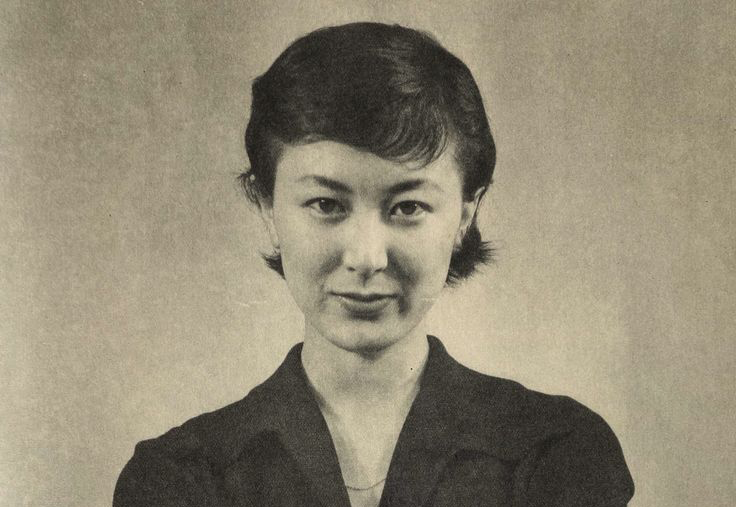
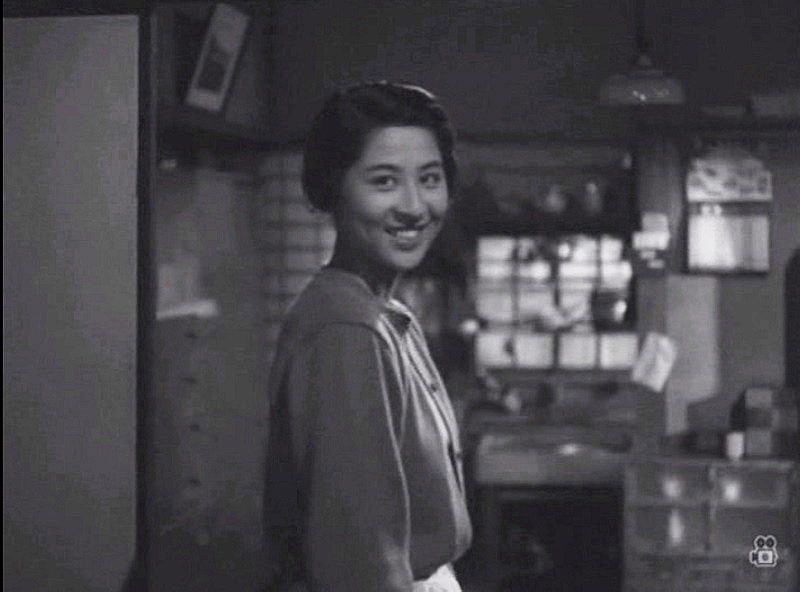
L’interpretazione di Kagawa è finissima ed estremamente sfaccettata: nella figura di Yuki ritroviamo l’innocenza della protagonista di Five Sisters (1954), la gioiosa vitalità della monella di Shozo, a cat and two women (1956), ma anche la disperazione della tragica Osan di A Story from Chikamatsu (1954). Farewell to the Highland Station ci mostra un’attrice sempre più matura e consapevole, in grado di modulare un’emozione con un gesto, un sorriso, o un’espressione fuggevole.
Nel prefinale, quando fugge sulle montagne dopo aver scoperto che Toshio potrebbe partire con la promessa sposa, Yuki si aggira come una sopravvissuta o un fantasma in un paesaggio alieno, che il regista rende ancor più astratto mediante l’uso di chiaroscuri fortemente contrastati. L’animo della protagonista è completamente in sintonia con il paesaggio naturale turbato dal vento e dall’oscurità: nel timore di aver perduto Toshio, è come se Yuki entrasse in una dimensione separata, un limbo di brume e indefinitezza. Kagawa è sorprendente nel rendere il proprio aspetto quasi non-umano, privandolo di ogni compostezza, trascinandolo con passi incerti e lenti. Yuki è un corpo d’amore che l’attrice è in grado di far fiorire o appassire, e il bianco dell’uniforme è la tela su cui i sentimenti assumono nuovi colori.
Tutti gli articoli sono protetti da copyright: © 2026 Marcella Leonardi. Tutti i diritti riservati.
English version
Special “Kyoko Kagawa Rarities”, marking the retrospective devoted to rare films starring the legendary Japanese actress, presented by Asia Society and Anthology Film Archives in New York from August 13 to 16, 2026.
Toshio Nomura is a promising botanist from Tokyo. His mentor, Professor Ifukube, is gravely ill and wants Toshio to marry his daughter, Keiko. Oppressed by a destiny that seems already written for him, Toshio temporarily leaves the city and travels to a sanatorium located in the highlands. There he meets Yuki, a young nurse with whom he begins going on hikes and collecting botanical specimens. A deep feeling develops between them, soon threatened by the obligations and expectations awaiting Toshio.
Brought back to Western audiences after decades of obscurity thanks to the Kyoko Kagawa Rarities series organized by Asia Society and Anthology Film Archives, Farewell to the Highland Station is a deeply fascinating work, forming an imaginary “bridge” to the Japanese cinematic past while reinterpreting its codes; it is also a significant work in Nobuo Nakagawa’s career, a laboratory for the cinema to come. Before establishing himself as a “master of ghost stories”, the director served his apprenticeship in the traditions of classical cinema – from period dramas and chambara to dramas of everyday life. And it is to this cinema that he seems nostalgically to return, only to rewrite it in personal forms.
Inventive and eccentric, a lover of poetry – hence the natural inclination toward lyricism in his images – Nakagawa pays homage in Farewell to the Highland Station to the tradition of kayo eiga and, in particular, to the greatest popular success of the 1930s, Aizen Katsura (1938, Hiromasa Nomura), which established archetypes and recurring motifs of romantic cinema.
Introduced by the song of the same name, Kōgen no Eki yo Sayonara, performed by Minoru Obata (who appears briefly in the opening), Farewell to the Highland Station becomes a genuine testing ground in which established codes are reworked through a hybrid imagination steeped in cinephilia. The highland setting allows the director to evoke Western atmospheres through extreme long shots, carriages crossing the landscape, and lateral pans that emphasize the infinity of the horizon. There is undoubtedly, on Nakagawa’s part, a dreamlike yearning for Fordian cinema, blended with the Japanese road-movie tradition in the style of Hiroshi Shimizu (Mr. Thank-You).
As in Aizen Katsura, the two protagonists, Yuki and Toshio, meet through a chance occurrence and an accident that causes them to “collide” in a gentle and awkward way; their love, timid and traversed by trembling emotions that can almost never be spoken, is hindered by difficulties and misunderstandings. Yuki works as a nurse, and her immaculate white uniform appears as an objective correlative of purity and innocence, another explicit reference to the 1938 film, while Toshio is a young botanist trapped in an arranged marriage. Farewell to the Highland Station retraces the clichés of the surechigai genre (films of “missed encounters”) until it extracts their most luminous essence, and it is interesting to note how contemporary romantic imagery, from anime and manga to jdrama, is still founded on the theme of “failed communication” caused by misunderstandings or unfortunate coincidences.
Alongside some enduring topoi of Japanese sensibility, Nakagawa’s film also engages critically with its own historical moment and with the final stages of the American occupation. While American control had until then severely restricted certain historical or nationalist subjects, censoring many aspects of traditional culture, Farewell to the Highland Station explicitly returns to values of the past, such as the innocence of rural Japan, respect and obedience toward one’s superiors and, in particular, women’s tendency toward self-sacrifice. Yet Nakagawa infuses this “loving return” to the origins with new impulses and a tension toward modernity.
Although docile and submissive, Yuki and Toshio are unable to relinquish their own subjective desire, expressing a desiring individuality that resists the custom of arranged marriage. The two lovers find an essential ally in Naokichi, Yuki’s childhood friend and a genuine “cowboy” who plays the harmonica and always wears a hat (one might jokingly describe him, using a Charlie Kaufman coinage, as a hat-agonist). It is Naokichi who urges Yuki not to give up true love, and through him the director seems to acknowledge a role for American influence in the liberation of the individual spirit: a freedom metaphorically expressed through outdoor panning shots, in contrast with the prison of the interiors, but also in the vitality of sudden dance scenes and in the frequent use of backward tracking shots, which open up the view and have a liberating effect on the spectator.
Stylistically, the film is extraordinarily rich, blending diverse and fascinating influences. Yuki and Toshio often meet in natural settings, such as the hospital garden or the slopes of the highlands. Veiled in dense fog, these spaces create spiritual, antinaturalistic atmospheres: romanticism slips into a kind of “Gothic” made of mist and ghostly sighs.
One beautiful sequence, a pastoral “idyll,” masterfully reveals Nakagawa’s authorial hand as he composes his shots, cuts to flowers and details, and uses ethereal transitions to create a movement of great poetry. His use of the close-up is remarkably free and uninhibited – at times the actress seems to address us directly – and his use of dissolves is equally unconventional: rather than employing them generically to suggest the passage of time, the director uses them as a means of expanding or compressing duration in subjective terms. Sequences are often structured like “visual stanzas” – the meetings among the trees – repeated with minimal variations.
In the wild highland landscape, the protagonists contend not only with the vicissitudes of life but also with the brutality of natural phenomena. The storm sequence is staged as though nature were invaded by a sinister, animistic presence – a further anticipation of the director’s horror sensibility; and yet it is precisely the violence of the storm that shakes Yuki and Toshio’s souls and allows their mutual feelings to surface. The direction is magnificent, lingering in close-ups of faces over which velvet shadows fall, until their lips finally meet in a rain-soaked kiss. As in Naruse’s films, sudden downpours force the protagonists to confront their truest emotions.
Kagawa’s performance is extraordinarily subtle and richly nuanced: in Yuki we find the innocence of the protagonist of Five Sisters (1954), the joyful vitality of the mischievous young woman in Shozo, a Cat and Two Women (1956), but also the despair of the tragic Osan in A Story from Chikamatsu (1954). Farewell to the Highland Station reveals an increasingly mature and self-aware actress, capable of modulating an emotion through a gesture, a smile or a fleeting expression.
In the lead-up to the finale, after discovering that Toshio might leave with the woman he is expected to marry, Yuki flees into the mountains and wanders like a survivor or a ghost through an alien landscape, which the director makes even more abstract through strongly contrasted chiaroscuro. The protagonist’s inner state is completely attuned to the natural landscape, disturbed by wind and darkness: fearing that she has lost Toshio, Yuki seems to enter a separate dimension, a limbo of mist and indefiniteness. Kagawa is astonishing in the way she makes herself appear almost non-human, stripped of all composure, moving with slow, uncertain steps. Yuki is a body made of love that the actress is able to make bloom or wither, and the white of her uniform is the canvas upon which emotions take on new colours.







Lascia un commento