
[English version below]
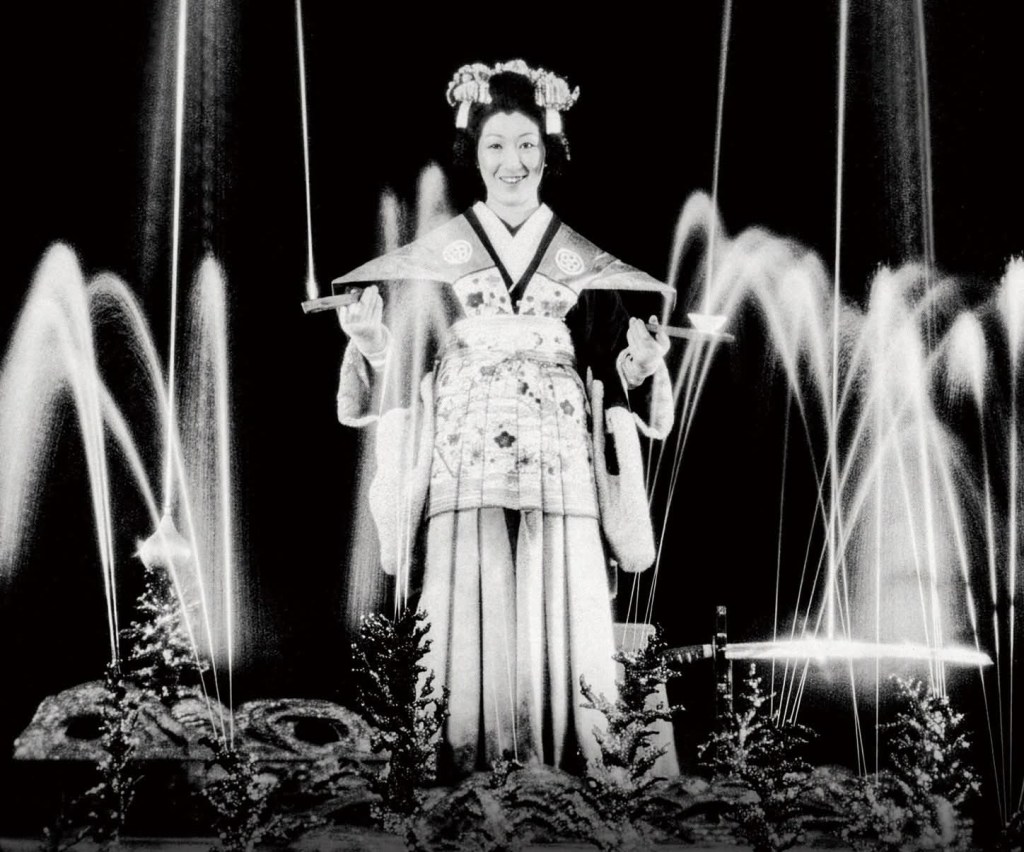
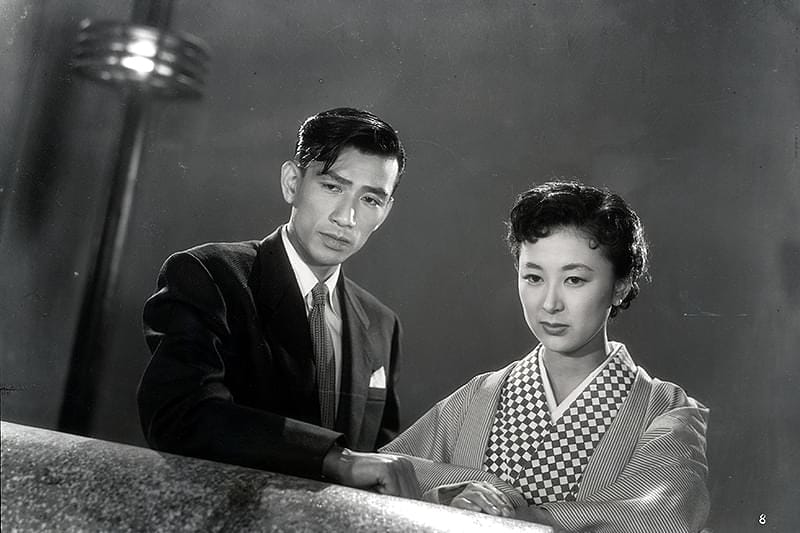
Tomo, un’affascinante artista circense nota con il nome d’arte di “Taki no Shiraito”, si esibisce in spettacolari giochi con i getti d’acqua. La donna si innamora di Kinya, un giovane conducente di carrozze orfano, e decide di fare enormi sacrifici pur di pagargli gli studi di legge a Tokyo. Quando la sua compagnia teatrale finisce in rovina, Shiraito cade vittima di usurai spietati, finendo per ucciderne uno per difendersi da un tentativo di stupro. Anni dopo, arrestata e processata, scopre che il pubblico ministero incaricato di condannarla è proprio Kinya, il ragazzo che aveva mantenuto per tutto quel tempo.
Considerato tra i più bei film muti di Mizoguchi, The Water Magician stupisce per l’originalità e la ricchezza della regia, al servizio di un melodramma tradizionale che evoca il teatro shinpa – di ambientazione contemporanea, ma ancora con le stilizzazioni tipiche del kabuki. Rispetto alle opere più tarde e celebri del regista, la direzione è estremamente dinamica, come vediamo già in apertura. Mizoguchi si serve di rapidi carrelli laterali, muove liberamente la macchina da presa attraverso il pubblico del teatro, fa ricorso a numerose transizioni, prevalentemente mediante dissolvenza incrociata, che rendono la narrazione più concitata.
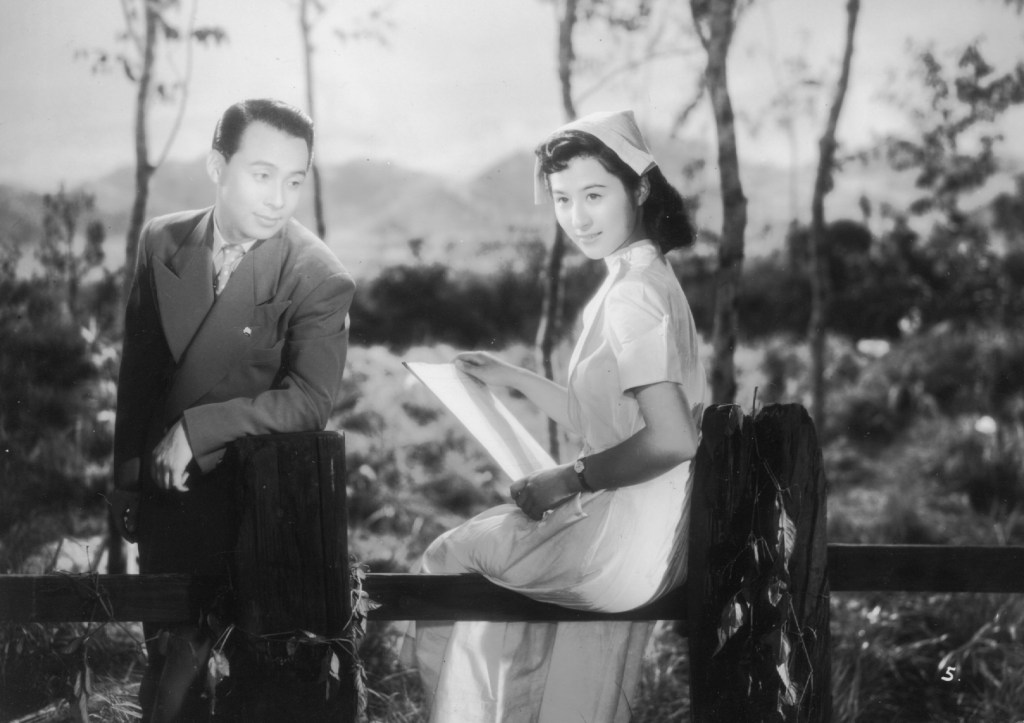
Il film è molto segmentato ma le scelte del regista sono attente e specifiche: nei flashback in cui Shiraito (la diva Irie Takako) rievoca il suo incontro con Kinya (Tokihiko Okada), gli stacchi sono netti: questo perché la dissolvenza sembra riservata al progresso sinestetico dell’azione, non al ricordo. Si tratta di una distinzione fondamentale, poiché per Shiraito, come vedremo nel corso del film, la fuga nella memoria o nel sogno è parte della sua realtà, una sfaccettatura che non ha bisogno di passaggi graduali.
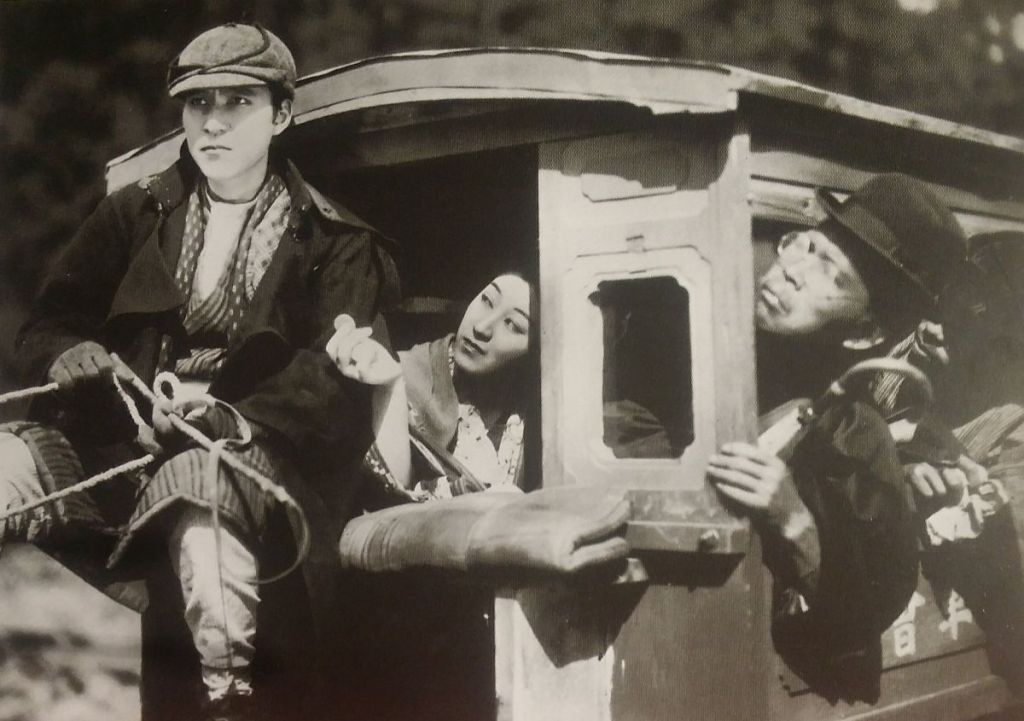
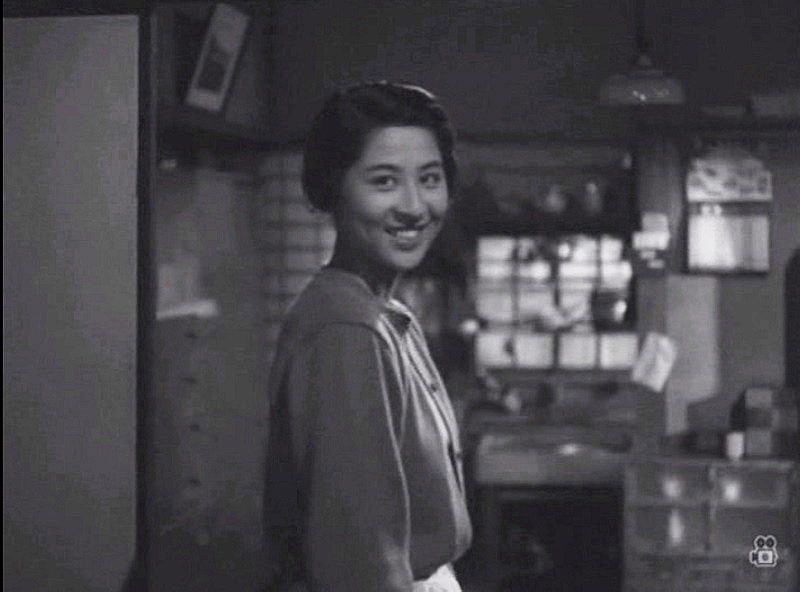
La scena sulla diligenza è frenetica, quasi anticipasse il ritmo e lo humor di Stagecoach di John Ford. C’è anche una vivace alternanza fra campi lunghissimi e piani ravvicinati, con una sensibile attenzione al volto della protagonista e alla sua espressività: il regista fa comunicare il volto presente di Shiraito e quello del flashback tra loro, come se si scambiassero un enigmatico sorriso, annullando il tempo nella consapevolezza dell’amore.
Combinando, in questo incipit di grande raffinatezza, la vita reale della protagonista e il suo mondo interiore, Mizoguchi presenta un ritratto moderno di una donna complessa, desiderante e volitiva. Il carisma di Shiraito viene esplicitato nella sequenza della performance, che la inquadra frontalmente al centro del palcoscenico, mentre si erge sul disordine di un pubblico ripreso attraverso inclinazioni della macchina da presa, quasi angoli olandesi.
Nella giovanile irruenza di Mizoguchi (che comunque ha già trentacinque anni) troviamo molti elementi del suo stile successivo. Quando la protagonista fa la sua passeggiata serale, incontrando casualmente Kinya, è avvolta nella bruma. La sua presenza viene spesso filtrata dalla qualità densa e materica della luce: il regista la circonda di un’aura ideale, di una trascendenza che prelude al suo sacrificio. Eppure è bello vedere, in questo cinema dei primi anni ’30, una donna che prende l’iniziativa con sicurezza e si fa avanti con il suo oggetto d’amore.
Il dialogo notturno fra i due è magnifico, un continuo gioco di seduzione tra avvicinamenti e allontanamenti; la scena è lunga ed elaborata, con movimenti di macchina, raffinati passaggi fra primi piani e campi medi e stacchi a 180°. La regia sembra seguire il corteggiarsi reciproco e aderisce al cambiamento nell’anima della donna, che dall’iniziale civetteria si fa dolce, materna. Il racconto di Kinya la commuove e immediatamente in lei sorge un sentimento protettivo, il desiderio di salvarlo da un destino sfortunato. E non era raro, come spiega il critico Tadao Sato, che le donne dell’epoca Meiji mantenessero gli uomini, dando loro la possibilità di frequentare l’università e avere accesso a una carriera. Anche Mizoguchi visse una situazione simile all’interno della propria famiglia: sua sorella infatti lo sostenne lavorando come geisha. The Water Magician diventa quindi anche racconto pudicamente biografico e ambiguo tributo allo spirito di sacrificio che veniva richiesto quasi obbligatoriamente alle donne dalla società.
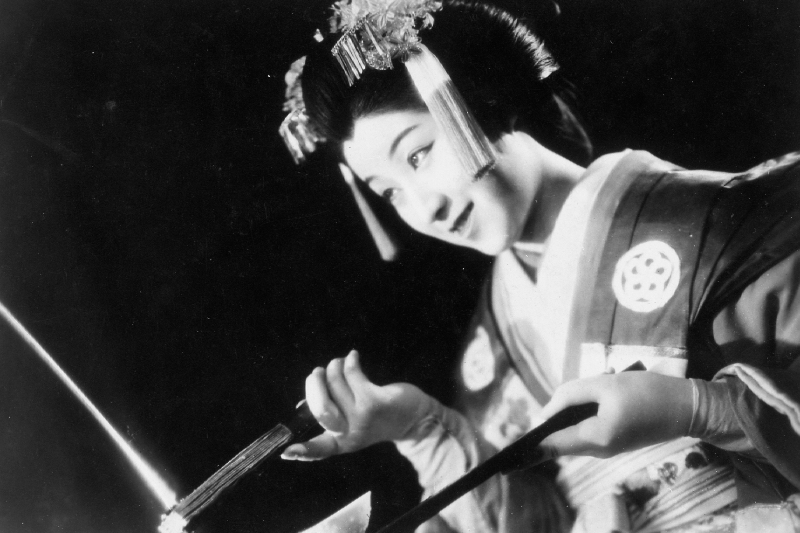
Così come Shiraito viene trasfigurata da creatura reale a ideale, il film spesso rinuncia al realismo per cristallizzarsi in immagini stilizzate: e indubbiamente parte del suo fascino è proprio la compresenza di aspetti naturalistici e figurazioni teatrali, pose innaturali in cui condensare figurativamente il dramma. Derivando dalle astrazioni del teatro shinpa, il film talvolta assume le forme di un dipinto: bellissima ad esempio l’inquadratura che vede la donna, in avampiano su un campo fiorito, salutare con la mano il treno sullo sfondo.
E sempre nell’ottica dell’ibridazione tra realismo e teatralità, una parentesi va aperta per sottolineare l’importanza della figura del benshi, il popolare commentatore dei film muti. Le versioni attuali del film ne includono la narrazione affascinante ed espressiva, che però può diventare difficoltosa per uno spettatore contemporaneo. Il benshi guida in modo univoco l’interpretazione del racconto e verbalizza i sentimenti espressi da ogni scena, semplificandone le sfumature; ma per il pubblico popolare di allora la sua arte costituiva una chiave d’accesso spettacolare e privilegiata alle immagini sullo schermo, ricca di inflessioni poetiche e osservazioni sulla vita.
In bilico tra classicismo e modernità, The Water Magician compensa gli aspetti più tradizionali con una regia fresca e in movimento, che con carrellate veloci e inquadrature dall’alto accompagna le onde emotive del film. La dura vita di circensi girovaghi viene simboleggiata dalla caducità delle foglie al vento e dalla malinconia del paesaggio invernale. La composizione stratifica gli interni in una significativa profondità di campo, e suddivide lo spazio in modo da creare una compresenza di micro-narrazioni all’interno del quadro.
Troviamo anche diversi temi d’elezione della sua filmografia più celebre, come l’ingiusta separazione degli amanti e la successiva fuga (nella storia collaterale dei giovani Nadeshiko e Shinzō); e la laida perversione maschile, esemplificata in particolare dalla figura dell’usuraio, che tratta Shiraito come una bambola correggendone persino la postura. Nella rappresentazione del personaggio, Mizoguchi sembra influenzato dall’espressionismo poiché il volto è grottescamente distorto, contrastato luministicamente e inquadrato in obliquo.
Al contrario, la protagonista nel corso del film appare sempre più rarefatta e santificata dal martirio. C’è un commovente momento di solidarietà e compassione femminile quando Nadeshiko, di fronte a una Shiraito povera e disperata, come prima reazione estrae un pettine e le sistema i capelli con grande dolcezza. Questa compostezza ritrovata crea un’illusione di speranza.
The Water Magician è un film che crede molto al sogno e all’alternativa di una vita onirica e surrealista: Shiraito combatte il destino avverso vivendo la dimensione del sogno come “più vera del vero”. Nei suoi frequenti abbandoni ad occhi aperti, vive la vita che non ha potuto avere. In questo è simile alla visione del coevo Peter Ibbetson (1935) di Henry Hathaway. La prigione di Shiraito, che da interiore si fa esteriore dopo l’accusa di omicidio, è occasione per Mizoguchi per riprenderla intimamente, assorta nei propri pensieri, osservata con grandissimo pudore incorniciandole la figura tra due travi.
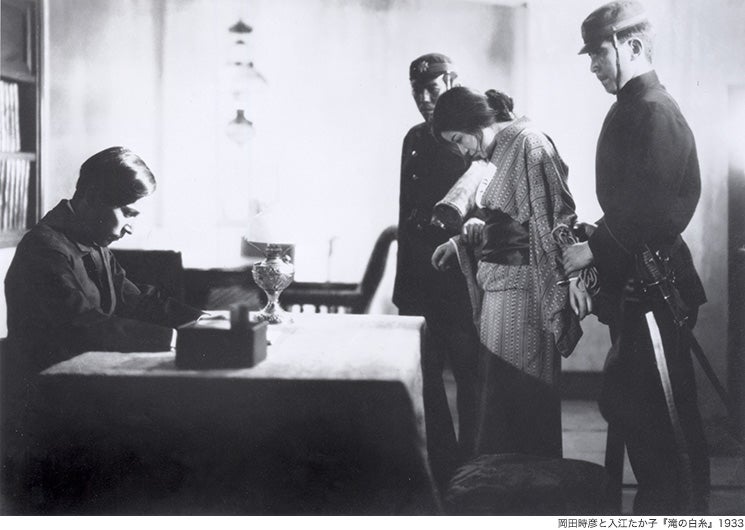
E non si può non notare come nel finale, mentre viene interrogata e condannata dall’amato Kinya divenuto pubblico ministero, appaia nei suoi occhi un piacere masochistico: la condanna, espressa severamente in corte e rappresentata con un’alternanza di primi piani, prende in un certo senso il posto del rapporto sessuale. Mizoguchi inizia a riflettere sui lati oscuri del desiderio (si pensi, ad esempio, al successivo Portrait of Madame Yuki, 1950) e sull’inafferrabile natura femminile, che il suo stesso cinema – elevando la donna a una dimensione spirituale e sacrificale – sottopone a controllo.
Tutti gli articoli sono protetti da copyright: © Marcella Leonardi. Tutti i diritti riservati.
English version
Tomo, a fascinating circus artist known by the stage name “Taki no Shiraito,” performs spectacular acts using water jets. She falls in love with Kinya, a young and orphaned carriage driver, and decides to make immense sacrifices to fund his law studies in Tokyo. When her theatrical troupe falls into ruin, Shiraito falls prey to ruthless moneylenders, ultimately killing one of them in self-defense during an attempted rape. Years later, arrested and put on trial, she discovers that the public prosecutor tasked with convicting her is none other than Kinya.
Considered among Mizoguchi’s finest silent films, The Water Magician astounds with the originality and richness of its direction, put at the service of a traditional melodrama that evokes shinpa theater – contemporary in setting, yet still retaining the typified stylizations of kabuki.
Compared to the director’s later and more celebrated works, the direction here is extremely dynamic, as evidenced from the very opening. Mizoguchi utilizes rapid lateral tracking shots, moves the camera freely through the theater audience, and employs numerous transitions – predominantly cross-dissolves – that heighten the narrative’s urgency.
The film is highly segmented, yet the director’s choices are deliberate and precise: in the flashbacks where Shiraito (played by the diva Takako Irie) recalls her meeting with Kinya (Tokihiko Okada), the cuts are sharp. This is because the dissolve appears to be reserved for the synesthetic progress of the action rather than memory. This is a fundamental distinction, as for Shiraito – as we will see throughout the film – escaping into memory or dream is part of her reality, a facet that requires no gradual transitions.
The stagecoach scene is frantic, almost anticipating the rhythm and humor of John Ford’s Stagecoach. There is also a lively alternation between extreme long shots and close-ups, with a sensitive focus on the protagonist’s face and expressiveness. The director establishes a communication between Shiraito’s present face and her face in the flashback, as if they were exchanging an enigmatic smile, dissolving time in the awareness of love.
By combining the protagonist’s real life and her inner world in this highly sophisticated incipit, Mizoguchi presents a modern portrait of a complex, desiring, and strong-willed woman. Shiraito’s charisma is made explicit in the performance sequence, which frames her frontally at the center of the stage, towering over the disorder of an audience captured through canted camera angles, akin to Dutch angles.
Within Mizoguchi’s youthful impetuosity (though he is already thirty-five years old), we find many elements of his later style. When the protagonist takes her evening walk, crossing paths by chance with Kinya, she is enveloped in fog. Her presence is frequently filtered through the dense, tactile quality of the light; the director surrounds her with an ideal aura, a transcendence that preludes her sacrifice. Yet, it is beautiful to see, in this cinema of the early 1930s, a woman who confidently takes the initiative and steps forward with the object of her affection.
The nocturnal dialogue between the two is magnificent, a continuous game of seduction moving between approaches and retreats. The scene is long and elaborate, featuring camera movements, refined transitions between close-ups and medium shots, and 180-degree cuts. The direction seems to follow their mutual courtship and adheres to the shift in the woman’s soul, which turns from initial coquetry into something gentle and maternal. Kinya’s story moves her, and a protective sentiment immediately arises within her – the desire to save him from an unfortunate fate. As the critic Tadao Sato explains, it was not uncommon at the time for Meiji-era women to support men, giving them the opportunity to attend university and access a career. Mizoguchi himself experienced a similar situation within his own family; his sister, in fact, supported him by working as a geisha. The Water Magician thus also becomes a modestly biographical tale and an ambiguous tribute to the spirit of sacrifice that society almost mandatorily demanded of women.
Just as Shiraito is transfigured from a real creature into an ideal one, the film frequently relinquishes realism to crystallize into stylized imagery. Assuredly, part of its charm lies precisely in the coexistence of naturalistic aspects and theatrical figurations – unnatural poses in which the drama is figuratively condensed. Deriving from the abstractions of shinpa theater, the film at times assumes the form of a painting; beautiful, for instance, is the shot featuring the woman in the foreground of a flowered field, waving her hand to the train in the background.
And still within the perspective of hybridizing realism and theatricality, a parenthesis must be opened to emphasize the importance of the benshi – the popular commentator of silent films. Current versions of the film include this fascinating and expressive narration, which can, however, prove challenging for a contemporary viewer. The benshi unequivocally guides the interpretation of the story and verbalizes the feelings expressed in every scene, simplifying their nuances. Yet, for the audience of the time, his art constituted a spectacular and privileged key to accessing the images on screen, rich with poetic inflections and observations on life.
Poised between classicism and modernity, The Water Magician counterbalances its more traditional aspects with a fresh, moving direction that accompanies the film’s emotional waves through fast tracking shots and overhead views. The harsh life of traveling circus performers is symbolized by the transience of leaves in the wind and the melancholy of the winter landscape.
The composition stratifies the interiors with a significant depth of field, dividing the space to create a coexistence of micro-narratives within the frame.
We also find several signature themes of his more famous filmography, such as the unjust separation of lovers and their subsequent flight (in the parallel story of the young Nadeshiko and Shinzō), and foul male perversion, exemplified in particular by the moneylender, who treats Shiraito like a doll, even correcting her posture. In the representation of this character, Mizoguchi appears influenced by Expressionism, as the face is grotesquely distorted, starkly contrasted in its lighting, and shot from an oblique angle.
Conversely, as the film progresses, the protagonist appears increasingly rarefied and sanctified by martyred suffering. There is a moving moment of female solidarity and compassion when Nadeshiko, facing a poor and desperate Shiraito, reacts first by drawing a comb and gently fixing her hair. This regained composure creates an illusion of hope.
The Water Magician is a film that believes deeply in dreams and the alternative of a dreamlike, surrealist life. Shiraito combats her adverse fate by living the dimension of the dream as “truer than truth itself.” In her frequent daydreams, she lives the life she could not have. In this regard, it resembles the vision of the contemporary Peter Ibbetson (1935) by Henry Hathaway.
Shiraito’s imprisonment, which turns from internal to external following the murder charge, offers Mizoguchi the opportunity to film her intimately – absorbed in her own thoughts, observed with tremendous modesty as her figure is framed between two wooden beams.
And one cannot help but notice how in the finale, while she is interrogated and condemned by her beloved Kinya, who has become the public prosecutor, a masochistic pleasure appears in her eyes. The condemnation, sternly delivered in court and represented through an alternation of close-ups, takes the place, in a certain sense, of the sexual act. Mizoguchi begins to reflect on the dark sides of desire (one thinks, for example, of the subsequent Portrait of Madame Yuki, 1950) and on the elusive nature of womanhood, which his own cinema – by elevating the woman to a spiritual and sacrificial dimension – submits to control.
All articles are protected by copyright: © Marcella Leonardi. All rights reserved.








Lascia un commento