

[English version below]
La mattina del 6 agosto 1945, Shigematsu sale su un treno da Hiroshima per andare a lavorare in fabbrica, ma poco dopo l’esercito americano sgancia la bomba atomica. La vita dell’uomo e della sua famiglia cambia per sempre. Sua nipote Yasuko, come molti altri, si ammala per l’esposizione alle radiazioni secondarie. Dal romanzo “Black Rain” di Ibuse Masuji del 1965.
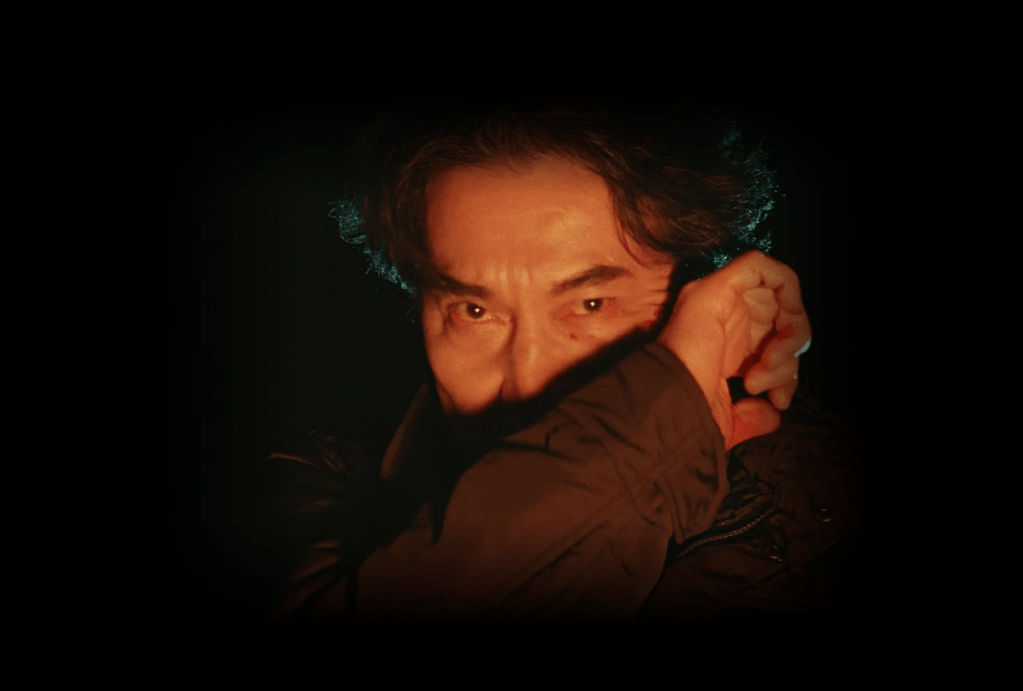
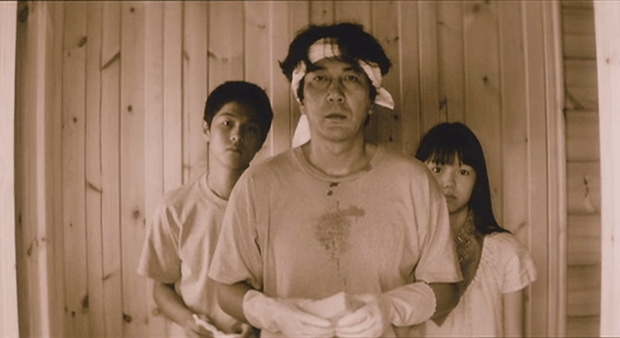
Film del 1989, Black Rain è così accurato nella ricostruzione storica e nella cura filologica dell’immagine – dal particolare e denso bianco e nero, alla disposizione degli oggetti del profilmico, all’attenzione antropologica (volti, corpi) – da sembrare girato tra i ’40 e i ’50.
Imamura documenta l’esplosione della bomba atomica a Hiroshima e gli anni successivi attraverso lo sguardo di una famiglia di sopravvissuti: la giovane Yasuko, lo zio Shigematsu e sua moglie Shigeko. L’esperienza è sconvolgente, e il turbamento diventa ancor più intenso perché preceduto da scene di vita quotidiana, montate in successione con asciuttezza, senza alcuna nota di pathos: alcune donne sono intente in una cerimonia; lavoratori si accalcano in un treno; un cane attraversa veloce la strada. Tutto è quiete e silenzio, finché una stanza viene illuminata da un bianco irreale e accecante. È allora che l’esplosione diventa anche suono e le cose precipitano nell’orrore.

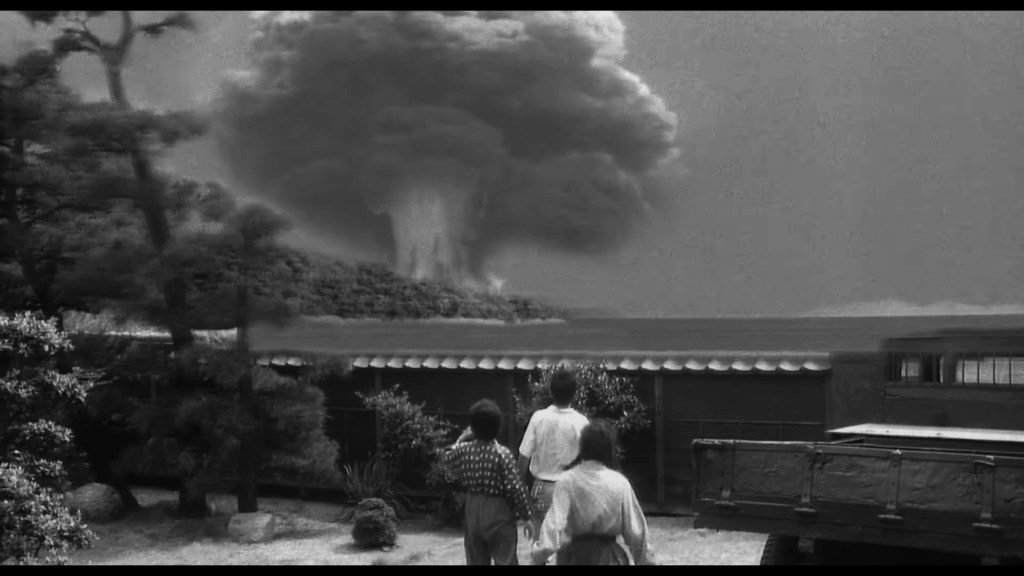
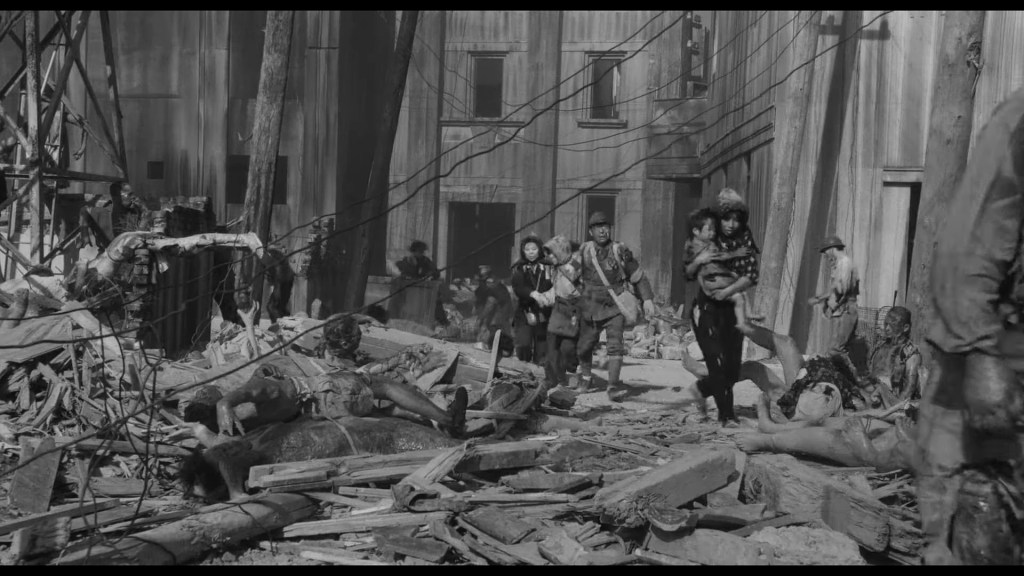
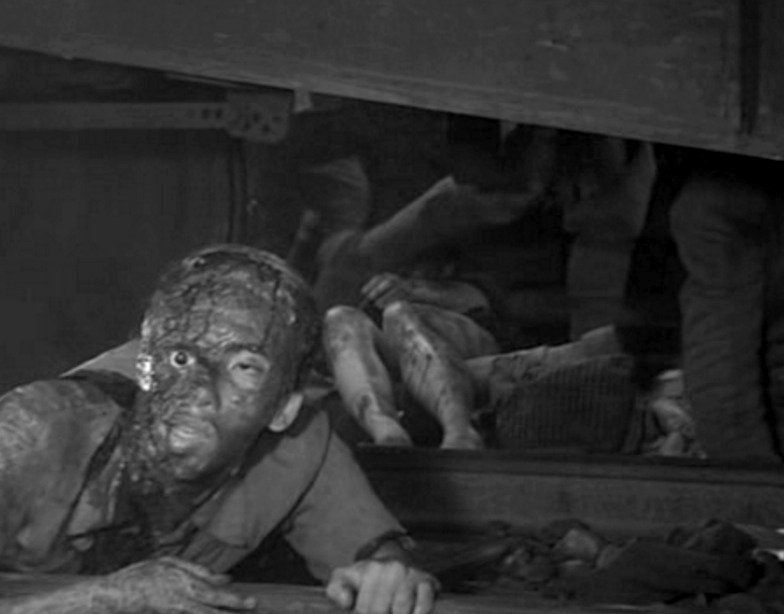
I corpi prendono fuoco, si liquefanno, si polverizzano. La pelle scivola via dalle ossa, i cadaveri sono irrigiditi come statue nere, gli arti contorti. Madri piangono bambini morti in braccio; i sopravvissuti vagano urlando. Imamura filma tutto con occhio documentario, senza la minima sbavatura emotiva: ma proprio per questo le immagini sono uno shock senza fine. Per la devastazione del bombardamento atomico il regista si basa sulla rappresentazione nel film d’animazione Barefoot Gen (1983, Mori Masaki), di cui Imamura riproduce fedelmente le sequenze. Furono inoltre utilizzati effetti speciali estremamente realistici per ricreare le scene dell’esplosione della bomba atomica, della nube a fungo e dei cadaveri carbonizzati che giacevano all’epicentro.
Bellissimo il volto di Yasuko, la giovane protagonista: pioggia nera cade sul suo volto facendo di lei una madonna sofferente. Ad accrescere la visione di molte scene spirituali e oniriche contribuisce la colonna sonora inquietante e dissonante di Tōru Takemitsu, fatta di archi vibranti e discese profondissime nelle emozioni umane.


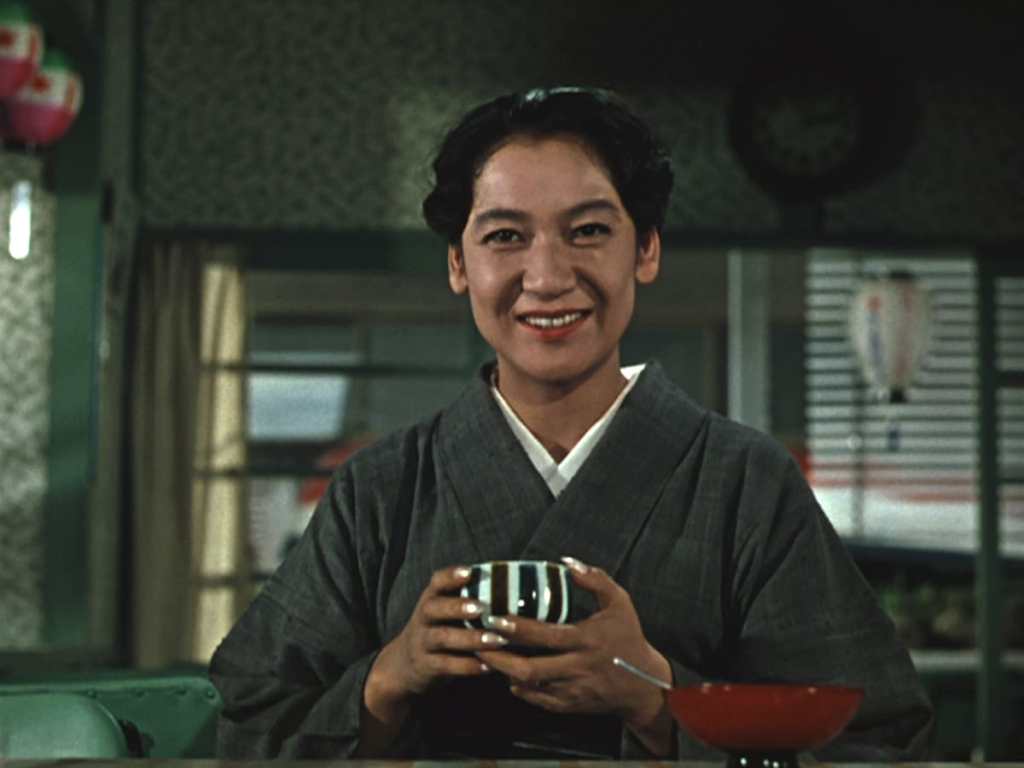
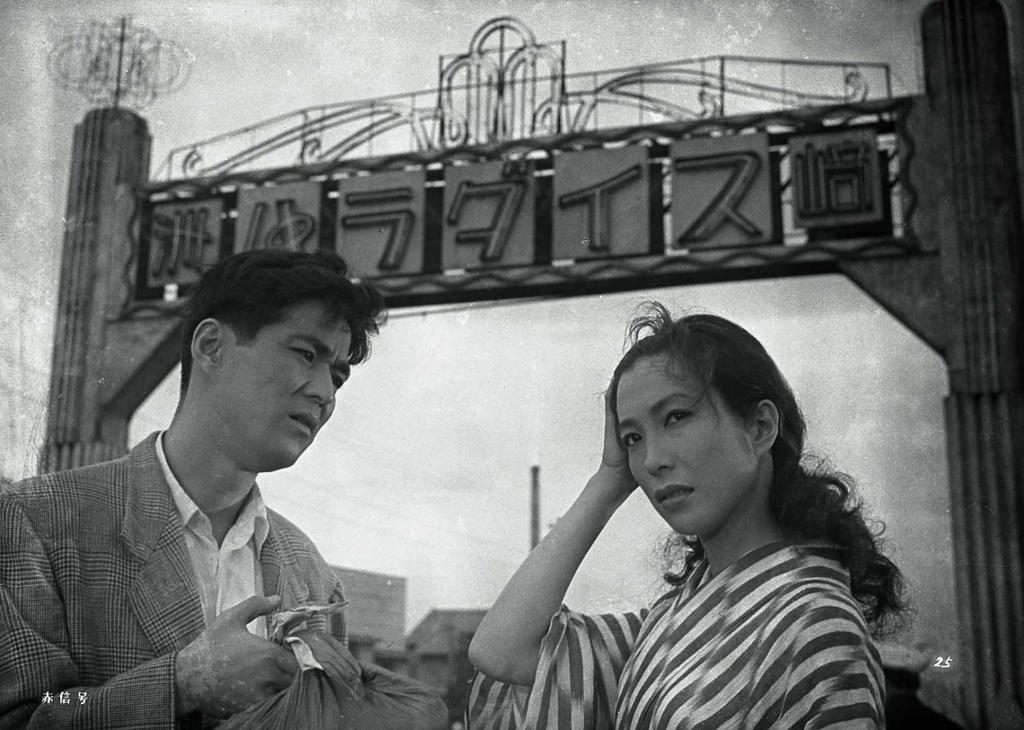
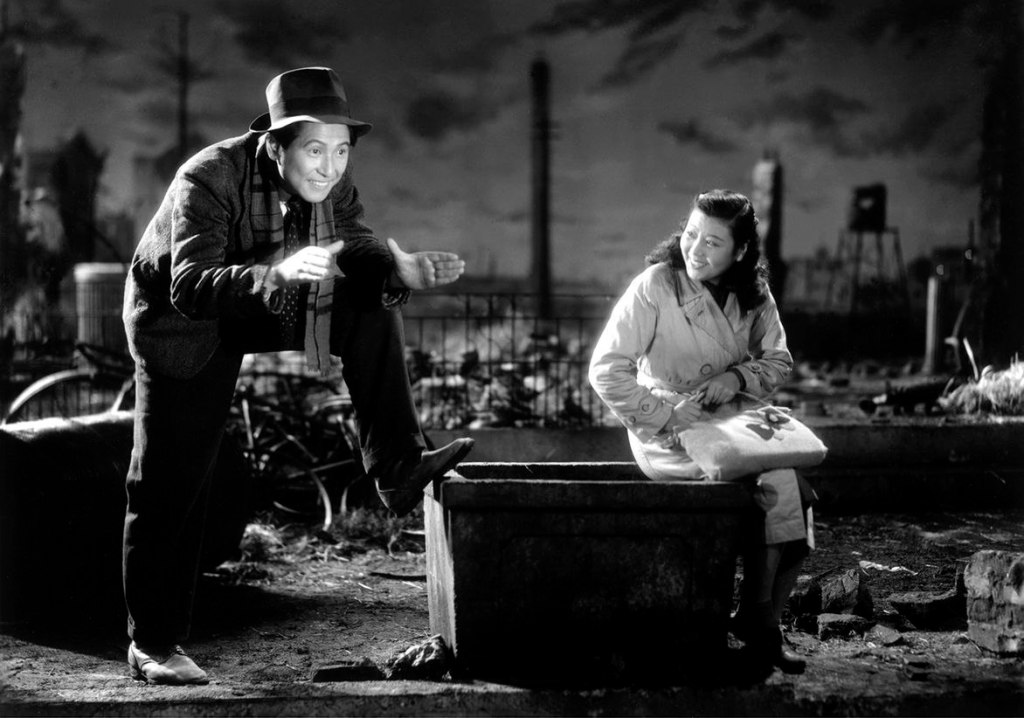
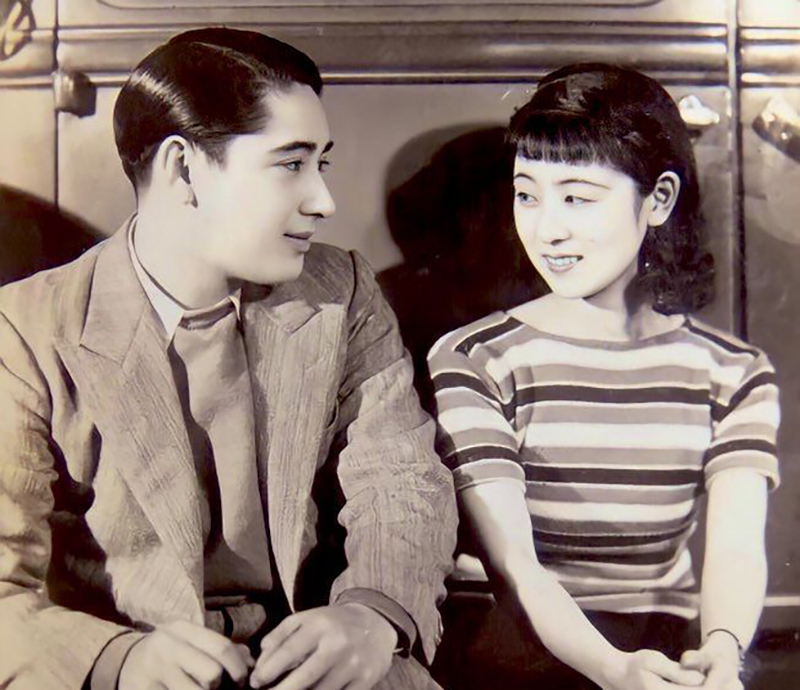
Il film testimonia la vita immediatamente successiva: il tentativo di ritorno a una impossibile normalità, la stigmatizzazione subìta, il male che riemerge come tumore e follia. La stupenda regia di Imamura fa di questo film un intenso omaggio alla classicità, quella stessa classicità da lui combattuta in giovinezza: ci sono le inquadrature con camera bassa, il rigore della composizione degli interni, ma soprattutto i caratteri dei protagonisti a ricordarci il cinema di Ozu: Yasuko, abbigliata e pettinata come Setsuko Hara, non vuole sposarsi né allontanarsi dai suoi zii; Shigematsu ha un carattere stoico e quieto come tanti personaggi interpretati da Ryū Chishū. È come se, nonostante tutto, un sentimento per il cinema classico si facesse strada in Imamura: le spighe mosse dolcemente dal vento, i piani sequenza di Mizoguchi; ma anche i campi lunghissimi e la vita contadina di Naruse (Summer Clouds) e le sue passeggiate nel bosco; fino alla poesia di Kinoshita e alla sua nostalgia per un passato perduto.


Imamura orchestra l’epica quotidiana alternando scene d’orrore e momenti intimi, quieti, d’illusione: la narrazione si intesse di flashback a ricordarci che passato e presente coesistono, e quel “bagliore” maligno è materia quotidiana, presenza viva e letale nella mente e nel corpo dei protagonisti. Yasuko lentamente si spegne: il corpo si macchia di tumori, i capelli cadono. Non c’è enfasi, ma si esce dalla visione provati, con la sensazione di aver avuto accesso a una visione d’inferno in cui i semplici si piegano al martirio, e di aver attraversato un paesaggio alla William Blake in cui “l’anima della dolce gioia non si potrà mai insozzare”.

Esiste un finale alternativo di circa 19 minuti, girato a colori, in cui Yasuko sopravvive e compie un pellegrinaggio ai luoghi sacri 20 anni dopo il bombardamento atomico. Imamura, dopo molte riflessioni, decide di eliminarlo dalla versione definitiva. Si tratta di una scena di grande bellezza, in cui il regista mostra il ricongiungimento di Yasuko con i cari scomparsi in un’atmosfera di altissima spiritualità. La scelta di Imamura mantiene la coerenza stilistica e atmosferica del film, su cui pesa un pessimismo cupo e terribile; ma lasciamo qui il brano per chi volesse visionarlo e constatarne l’incanto estatico e misterioso.
© Riproduzione riservata
English Version
On the morning of 6 August 1945, Shigematsu boards a train in Hiroshima to go to work at the factory, but shortly afterwards the American army drops the atomic bomb. His life and that of his family are changed forever. His niece Yasuko, like many others, falls ill as a result of exposure to radioactive fallout. Based on Masuji Ibuse’s 1965 novel Black Rain.
Made in 1989, Black Rain is so accurate in its historical reconstruction and so meticulous in the visual detail of its images—from its distinctive, dense black and white to the arrangement of objects within the frame and its anthropological attention to faces and bodies—that it appears to have been shot sometime between the 1940s and 1950s.
Imamura documents the atomic bombing of Hiroshima and the years that followed through the eyes of a family of survivors: the young Yasuko, her uncle Shigematsu and his wife Shigeko. The experience is devastating, and the sense of disturbance becomes even more intense because it is preceded by scenes of everyday life, edited together with stark restraint and without the slightest note of pathos: a group of women are engaged in a ceremony; workers crowd onto a train; a dog swiftly crosses the road. Everything is quiet and silent, until a room is illuminated by an unreal, blinding white light. It is then that the explosion also becomes sound, and everything plunges into horror.
Bodies catch fire, melt and disintegrate. Skin slips away from bones, corpses are stiffened like black statues, limbs twisted. Mothers weep over dead children in their arms; survivors wander about screaming. Imamura films everything with a documentary eye, without the slightest emotional excess: yet it is precisely for this reason that the images produce an endless shock.
For his depiction of the devastation caused by the atomic bombing, the director drew on the animated film Barefoot Gen (1983, Mori Masaki), faithfully reproducing some of its sequences. Extremely realistic special effects were also used to recreate the explosion of the atomic bomb, the mushroom cloud and the charred corpses lying at the hypocentre.
Yasuko’s face, that of the young protagonist, is extraordinarily beautiful: black rain falls across it, transforming her into a sorrowful Madonna. The unsettling, dissonant score by Tōru Takemitsu, made up of vibrating strings and profound descents into human emotion, contributes to the spiritual and dreamlike quality of many scenes.
The film bears witness to life in the immediate aftermath: the attempt to return to an impossible normality, the stigma suffered by the survivors, the evil that resurfaces in the form of cancer and madness. Imamura’s magnificent direction turns the film into an intense homage to the classical cinema he had fought against in his youth.
There are the low-camera compositions, the rigorous framing of interiors, but above all the personalities of the protagonists to remind us of Ozu’s cinema: Yasuko, dressed and styled like Setsuko Hara, does not wish to marry or leave her aunt and uncle; Shigematsu possesses the same quiet stoicism as so many characters played by Chishū Ryū.
It is as though, despite everything, an attachment to classical cinema finds its way into Imamura’s work: the ears of wheat gently stirred by the wind, Mizoguchi’s long takes; but also Naruse’s extreme long shots and rural life in Summer Clouds, and his walks through the woods; all the way to Kinoshita’s poetry and his nostalgia for a lost past.
Imamura orchestrates this everyday epic by alternating scenes of horror with intimate, quiet moments of illusion. The narrative is woven with flashbacks, reminding us that past and present coexist, and that the malignant “flash” is part of everyday reality, a living and lethal presence in the minds and bodies of the protagonists.
Yasuko slowly fades away: her body becomes marked by tumours, her hair falls out. There is no emphasis, yet we emerge from the film deeply shaken, with the feeling of having been granted access to a vision of hell in which ordinary people submit to martyrdom, and of having crossed a William Blake landscape in which “the soul of sweet delight can never pass away.”
An alternative ending of approximately nineteen minutes was filmed in colour, in which Yasuko survives and undertakes a pilgrimage to sacred places twenty years after the atomic bombing. After much reflection, Imamura decided to remove it from the final version. It is a scene of extraordinary beauty, in which the director shows Yasuko being reunited with her departed loved ones in an atmosphere of profound spirituality. Imamura’s decision preserves the stylistic and atmospheric coherence of the film, over which a dark and terrible pessimism weighs heavily; nevertheless, we include the sequence here for those who may wish to watch it and experience its ecstatic and mysterious enchantment.
© All rights reserved









 Nubi Fluttuanti
Lascia un commento