
[English version below]
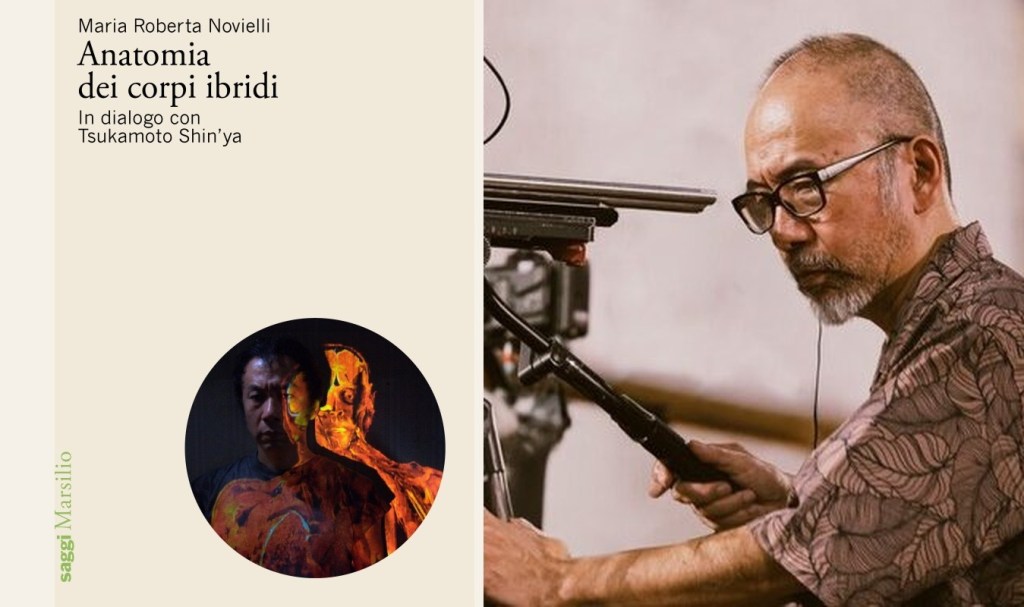
Recensione del libro postumo di Maria Roberta Novielli, in dialogo con Tsukamoto Shin’ya, edito da Marsilio
Prima della pubblicazione di Anatomia dei corpi ibridi, nelle presentazioni curate da Anja Boato e Cora Boato, figlie della studiosa, è emerso spesso come Roberta Novielli considerasse questo suo libro come la sua opera più bella. Leggendolo, questa bellezza si impone con concretezza. Novielli è andata ben oltre la monografia d’autore o il libro-dialogo: il volume è esso stesso corpo ibrido, discorso intricato e stratificato in cui storia, società e riflessi fantastici vengono esplorati nelle loro molteplici connessioni, con curiosità divorante. Anatomia dei corpi ibridi restituisce il suo desiderio e la voglia di comprendere attraverso forme insieme razionali e visionarie. Nelle sue 200 intensissime pagine racchiude un mondo di inesauribile oscurità e attrazione, e il cinema di Tsukamoto è la tela su cui questo straordinario e infinito dipinto viene via via a comporsi.
Sin dal primo capitolo, che analizza il concetto di robot all’interno della cultura giapponese e la sua attrazione nei confronti dell’“umano artificiale”, comprendiamo quanto questo testo sia inequivocabilmente legato all’attualità. Il suo stile denso e fertile, proteso all’intertestualità, offre infiniti potenziali collegamenti e indizi da approfondire.
Il libro si articola come un discorso a due voci in cui Tsukamoto racconta con dovizia di dettagli e con tutta l’incandescenza della sua esperienza l’avventura del suo cinema, offrendo uno sguardo immediato e vero sui propri film, liberandoli anche da certi schematismi o interpretazioni erronee; ad esempio, spiega come l’utilizzo del bianco e nero in Tetsuo: The Iron Man (1989) simboleggiasse la purezza vitalistica di un mondo dominato dal metallo; ma allo stesso tempo come questo metallo fosse soggetto a disfacimento (il decadimento della ruggine). Il regista cita Chaplin come antecedente del suo sarariman e Metropolis (1927) tra le influenze stilistiche, ma è soprattutto l’estetica frammentaria e subliminale di MTV a formare il suo primo cinema elettrico e inquieto.
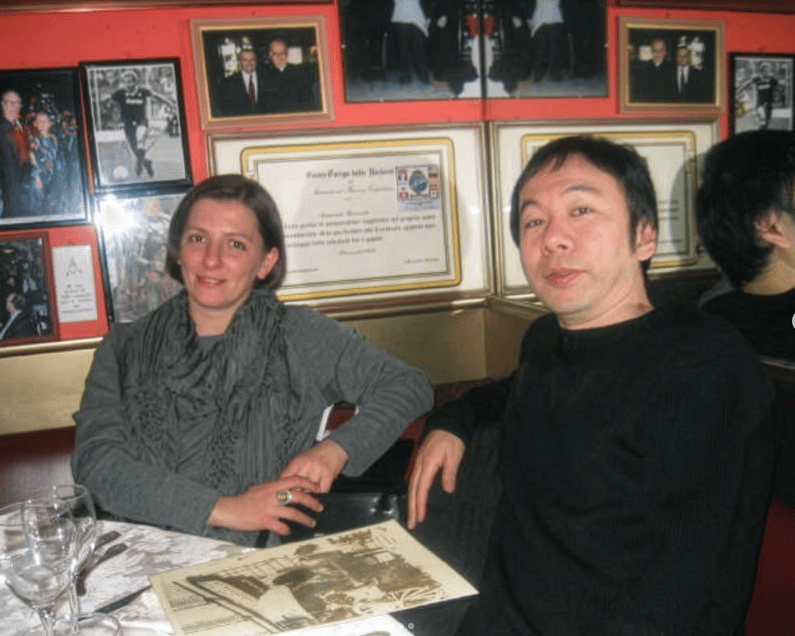
Novielli si alterna alla voce di Tsukamoto per portare la propria analisi viva e corposa, diramata capillarmente in un incrocio di rimandi storico-sociali e forte di una conoscenza meticolosa dei movimenti culturali del periodo, fino alle loro espressioni più sotterranee. Il “doppio discorso” si articola in forme molto differenti ma complementari; lo sguardo dell’artista sul proprio lavoro e l’indagine della studiosa si intrecciano fino a combaciare, in un continuo movimento danzato, creando un quadro incredibilmente complesso e affascinante. Ciò che rende il volume unico è il riconoscimento e la collaborazione reciproca tra Novielli e Tsukamoto, legati da amicizia, stima e una visione comune. Attraverso i film la studiosa trova un filtro rivelatorio delle mutazioni in seno alla società giapponese e dei suoi corpi ibridi, mentre a sua volta il regista scopre, nell’analisi critica, nuove chiavi di lettura e una razionalizzazione del proprio istinto artistico.
Di Roberta Novielli va certamente riconosciuta l’abilità nel raccontare la crisi della società giapponese di fine ‘900 – il cosiddetto “decennio perduto” (Ushinawareta Jūnen) – effetto di un violento collasso economico combinato con la rottura dei valori tradizionali, e la successiva ridefinizione dell’identità giapponese fino all’attuale cronicizzazione dell’instabilità. Le metamorfosi della società e della sua cultura vengono rese con una passione tale da coinvolgere come una narrazione romanzesca o filmica. Particolarmente affascinante è lo studio della rappresentazione simbolica della figura femminile attraverso il tempo, nella sua duplice funzione di perno stabile della società – per via del suo legame con la tradizione – e del suo opposto, corpo del rancore ed elemento demoniaco che racchiude in sé tutte le contraddizioni del Paese e ne scatena la mutazione.
La controparte offerta da Tsukamoto è meno strutturata, più artistica e poetica: il racconto in prima persona della propria sensibilità turbata attraverso il tempo. La sua cinematografia registra la percezione di una malattia nella società giapponese, di una fragilità e di un’intima debolezza profonda; una violenza sempre più diffusa, che il paese tratta come una malformazione da celare dietro una facciata di quieta apparenza.
Entrambi sottolineano come la visione di un Giappone popolato da mostri e demoni (come testimonia anche tutto il folklore) risieda nel concetto di kegare, ovvero la corruzione della purezza. Un concetto che ha origini nella mitologia shintoista e nella leggenda delle due divinità primordiali Izanami e Izanagi, fratelli e coniugi incestuosi da cui deriva la contaminazione con il mondo dell’ignoto, del perturbante e della morte. Nell’immaginario del Giappone contemporaneo, a sua volta privo di purezza, fatiscente e degradato, possono nuovamente covare mostri veri e propri (si pensi a Hiruko the Goblin (1991), il cui nome discende proprio dalla leggenda shintoista) o creature ibride.
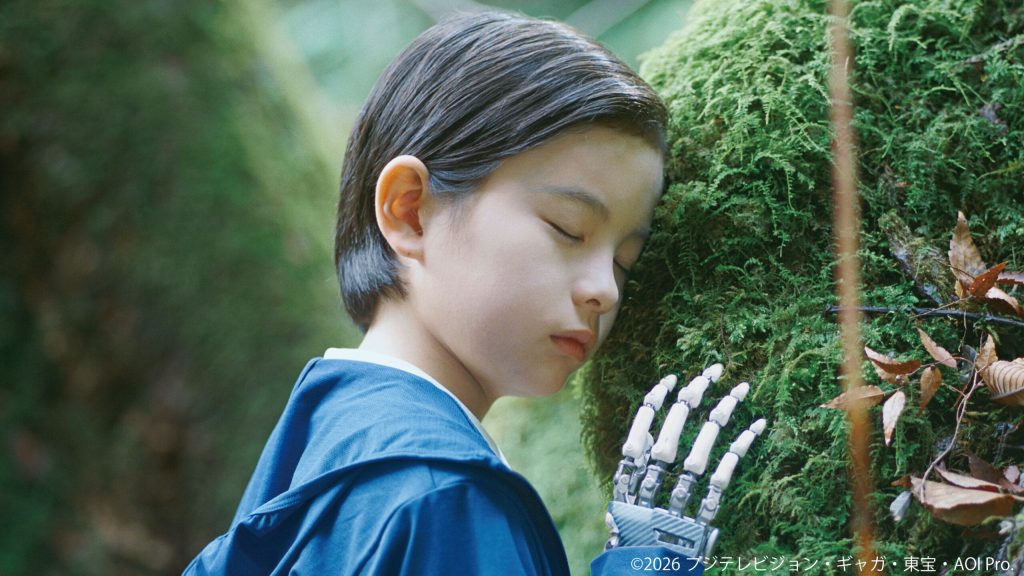
Affiora, nelle parole e nel cinema di Tsukamoto, la consapevolezza che in ogni essere umano ci sia un altro da sé, una compresenza cupa, un seme interiore negativo con il quale tutto il suo cinema, fino all’ultimo Mr. Nelson, Did you kill people? fa i conti. Ed è sempre estremamente presente la paura della guerra, di un Giappone che possa tornare a combattere e che non abbia appreso da chi ha vissuto il conflitto sulla propria carne. Le ferite della guerra rendono l’essere umano instabile e lo precipitano in un mondo in cui la gentilezza non è più possibile, perché ormai il suo corpo e la sua identità sono stati corrotti (torna il kegare) e non possono che generare altra violenza.
Ecco allora che il cinema di Tsukamoto si pone come domanda cui non ci si può sottrarre: “È questo che accade: cosa ne pensate?“
Tutti gli articoli sono protetti da copyright: © Marcella Leonardi. Tutti i diritti riservati.
English Version
Maria Roberta Novielli, ANATOMIA DEI CORPI IBRIDI [ANATOMY OF HYBRID BODIES]. IN DIALOGUE WITH TSUKAMOTO SHIN’YA
Review of the posthumous book by Maria Roberta Novielli, in dialogue with Tsukamoto Shin’ya, published by Marsilio
Before the publication of Anatomy of Hybrid Bodies, during the presentations curated by Anja Boato and Cora Boato, the scholar’s daughters, it often emerged that Roberta Novielli considered this book her finest work. Reading it, this beauty asserts itself with concrete force. Novielli went far beyond the auteur monograph or the book-as-dialogue: the volume itself is a hybrid body, an intricate and layered discourse in which history, society, and fantastic reflections are explored in their many connections, with a voracious curiosity. Anatomy of Hybrid Bodies conveys her desire and her eagerness to understand through forms that are at once rational and visionary. Its 200 intensely concentrated pages contain a world of inexhaustible darkness and attraction, and Tsukamoto’s cinema is the canvas on which this extraordinary and infinite painting gradually takes shape.
From the very first chapter, which examines the concept of the robot within Japanese culture and its fascination with the “artificial human,” we understand just how unmistakably this text is connected to the present day. Its dense and fertile style, reaching toward intertextuality, offers countless potential connections and clues to explore further.
The book unfolds as a two-voice discourse in which Tsukamoto recounts, with a wealth of detail and all the incandescent intensity of his experience, the adventure of his cinema, offering an immediate and authentic view of his own films, while also freeing them from certain schematics and erroneous interpretations. For example, he explains how the use of black and white in Tetsuo: The Iron Man (1989) symbolized the vitalistic purity of a world dominated by metal; but at the same time how this metal was subject to disintegration (the decay of rust). The director cites Chaplin as a precursor to his sarariman and Metropolis (1927) among his stylistic influences, but it is above all MTV’s fragmentary and subliminal aesthetic that shaped his early electric and restless cinema.
Novielli’s voice alternates with Tsukamoto’s to offer her own vivid and substantial analysis, branching out through a dense web of historical and social references and grounded in a meticulous knowledge of all the cultural movements of the period, down to their most underground expressions. The “double discourse” unfolds in very different yet complementary forms; the artist’s gaze upon his own work and the scholar’s investigation intertwine until they coincide, in a continuous, dancing movement, creating an extraordinarily complex and fascinating picture. What makes the volume unique is the mutual recognition and collaboration between Novielli and Tsukamoto, bound by friendship, esteem, and a shared vision. Through the films, the scholar finds a revealing filter through which to view the transformations within Japanese society and its hybrid bodies, while the director, in turn, discovers new keys to interpretation and a rationalization of his artistic instinct through critical analysis.
Maria Roberta Novielli’s ability to recount the crisis of Japanese society at the end of the twentieth century – the so-called “lost decade” (Ushinawareta Jūnen) – certainly deserves recognition: the result of a violent economic collapse combined with the breakdown of traditional values, followed by the continuing redefinition of Japanese identity up to the present-day chronic instability.
The transformations of society and its culture are rendered with such passion that they engage the reader like a novelistic or cinematic narrative. Particularly fascinating is the study of the symbolic representation of the female figure through time, in its dual function as a stable pillar of society – through its connection with tradition – and its opposite, a body of resentment and a demonic element that contains within itself all the contradictions of the country and unleashes its transformation.
The counterpart offered by Tsukamoto is less structured, more artistic and poetic: a first-person account of his troubled sensibility through time. His cinema records the perception of a sickness within Japanese society, of a fragility and an intimate, profound weakness; an increasingly widespread violence that the country treats as a deformity to be concealed and hidden behind a façade of quiet appearances.
Both emphasize how the vision of a Japan populated by monsters and demons, as also testified by the whole of its folklore, lies in the concept of kegare, that is, the corruption of purity. A concept rooted in Shinto mythology and in the legend of the two primordial deities Izanami and Izanagi, incestuous siblings and spouses from whom derives the contamination with the world of the unknown, the uncanny, and death. In the imagination of contemporary Japan, itself now devoid of purity, decaying and degraded, real monsters may once again begin to take shape (think of Hiruko the Goblin (1991), whose name derives precisely from the Shinto legend) or hybrid creatures.
In Tsukamoto’s words and cinema, there emerges an awareness that within every human being there is an other self, a dark coexistence, an inner seed of negativity with which all his cinema, right up to his latest Mr. Nelson, Did You Kill People?, comes to terms. And the fear of war is always intensely present: the fear of a Japan that might return to fighting and that has failed to learn from those who experienced the conflict firsthand. The wounds of war make human beings unstable and plunge them into a world in which kindness is no longer possible, because their bodies and identities have by now been corrupted (the kegare returns) and can only generate further violence.
Tsukamoto’s cinema thus becomes a question from which one cannot turn away: “This is what happens: what do you think?”
All articles are protected by copyright: © Marcella Leonardi. All rights reserved.





 Nubi Fluttuanti
Lascia un commento