
[English version below]
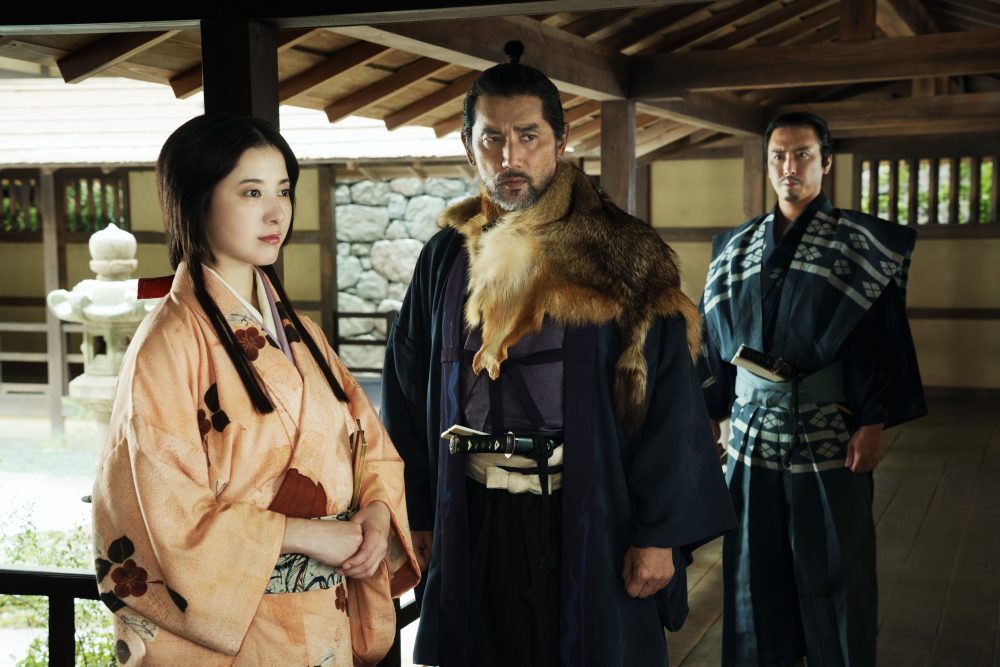
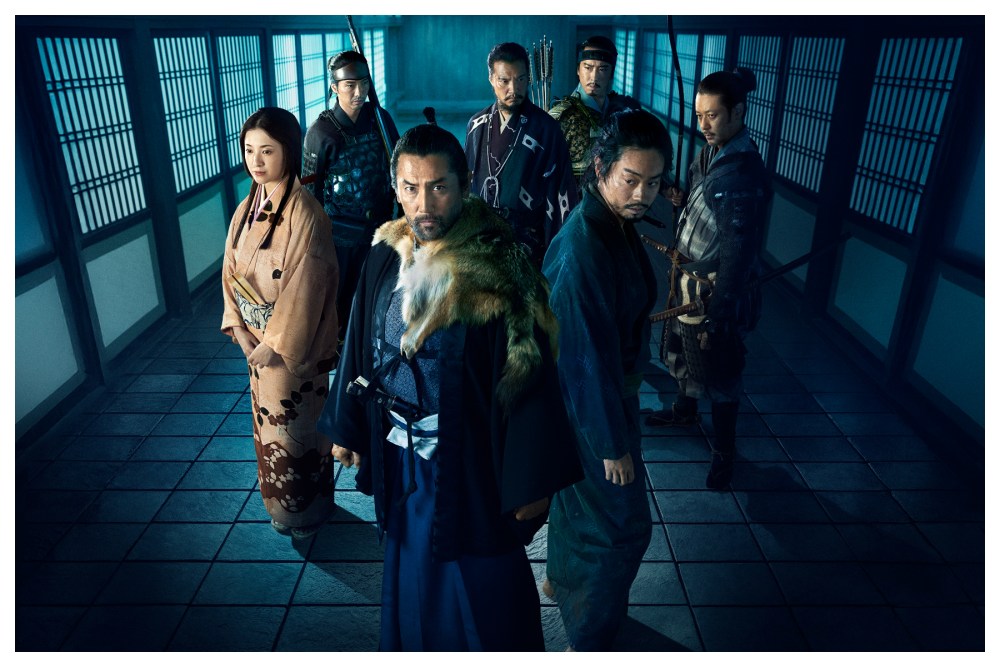
Il daimyō ribelle Araki Murashige, assediato nel castello di Arioka dalle truppe di Oda Nobunaga, si ritrova a dover fronteggiare una serie di inspiegabili omicidi all’interno delle mura. Disperato e minato dalla paranoia dei suoi stessi soldati, Murashige scende nelle segrete per chiedere aiuto a Kuroda Kanbei, il brillante stratega nemico che tiene imprigionato. Tra il signore del castello e il prigioniero si instaura così una sfida psicologica: Kanbei aiuterà Murashige a svelare i complotti interni, spingendolo infine a compiere una scelta radicale per sottrarsi alla spirale di violenza della guerra.
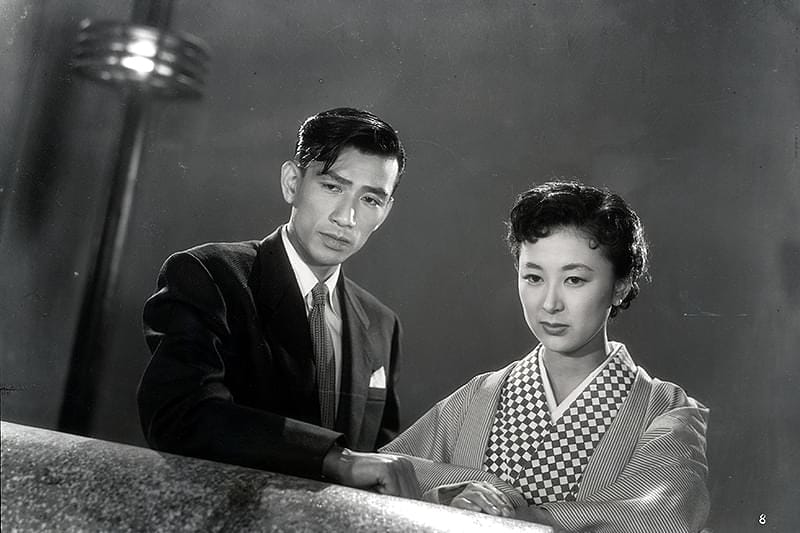
In un’intervista rilasciata durante la 39 edizione del Torino Film Festival, in occasione del restauro di Tange Sazen and the Pot Worth a Million Ryō (1935) di Sadao Yamanaka, Kiyoshi Kurosawa definì l’evoluzione del jidaigeki (dramma storico in costume, ambientato in epoca feudale) negli anni ’50 come “una registrazione dell’assenza di Yamanaka”. Nessuno dei grandi registi del dopoguerra, infatti, riuscì mai a replicare le caratteristiche della sua opera: un cinema in cui la figura del samurai viene smitizzata, mostrata nelle sue debolezze, nella quotidianità di un’esistenza comune; un anti-eroe vulnerabile e privo di risolutezza.
Profondamente legato al cinema di Yamanaka, Kurosawa dichiarava, nell’intervista, il suo desiderio di realizzare un jidaigeki che in qualche modo potesse omaggiare il suo cinema moderno e inquieto, animato da personaggi deboli e demotivati, privi di un vero obiettivo; figure fondamentalmente predestinate al fallimento e senza il riscatto tipico del jidaigeki tradizionale.
The Samurai and the prisoner nasce da quest’aspirazione – il protagonista, nel suo incessante interrogarsi, discende direttamente dai caratteri turbati, incerti e consumati dal dubbio che sono al centro delle opere del giovane regista degli anni ’30. Kurosawa inoltre ne restituisce un altro tema ricorrente, ovvero la compresenza di due personaggi differenti che si ritrovano sullo stesso cammino esistenziale: due opposti in un confronto dai risvolti psicanalitici e chiaroscurali, in cui lasciar emergere un malessere esistenziale profondamente moderno.
Se si pensa, inoltre, a come il cinema di Kurosawa sia spesso incentrato sul doppelgänger quale espressione della plurivocità dell’essere, di una realtà sfumata e ambigua, sgretolata in molteplici prospettive, comprendiamo quanto il rapporto con Yamanaka sia quello di un medesimo sentire applicato alla vita e al cinema.
Pur misurandosi con il jidaigeki di Yamanaka e la sua eredità nel dopoguerra, The Samurai and the prisoner resta però un “puro film di Kiyoshi Kurosawa”, in cui riconoscere la sua poetica e il suo stile, sebbene raggelato e intellettualizzato dalla complessa rete di rimandi cinematografici, storici e psicanalitici. La regia si compone di immagini statiche, movimenti di macchina lenti, volti a creare suspense e ambiguità, e molti panning laterali che, applicati ai rigidi ambienti feudali, creano un effetto particolarmente straniante. Nella compostezza degli interni, severi e circoscritti, i personaggi dibattono sulla morte e sull’eventualità del paradiso, ma le geometrie spaziali non riescono a “razionalizzare” la materia della discussione (come accade anche nell’incipit di Séance).
La religione è l’estrema manifestazione di una natura umana pulsionale, irrazionale e mossa da fede e superstizioni. Kurosawa, nel corso del film, mostrerà come la fede possa divenire uno strumento del potere, una manipolazione delle paure umane nei confronti dell’aldilà e della morte, capace di trasformare i credenti in corpi disponibili al sacrificio. All’interno del castello e delle sue stanze, tra le astratte geometrie del palazzo e le sue forme modulari, la macchina da presa di Kurosawa fotografa il delicato momento di compresenza e conflitto tra buddismo e cristianesimo e lo trasforma in dramma “teatrale” con le sue derive morali (in cui avvertiamo la suggestione de Il trono di sangue, 1957) .
Come spesso si verifica nel suo cinema, da Serpent’s Path (1998) a Cloud (2024) , l’essere umano viene imprigionato e ridotto a proprietà. Le segrete della fortezza, dove si consumano atti di sopraffazione tra uomo e uomo, ma anche dove le dinamiche si rovesciano e si sfumano, sono simili agli edifici fatiscenti e diroccati ricorrenti nella sua filmografia, metafora di solitudine e dissoluzione. Le azioni, con le loro conseguenze etiche, procedono prive di epica e di un movimento definito. Kurosawa ne evidenzia la natura contingente, anche tramite l’uso del chiaroscuro e delle ombre. Il regista lega i destini di Murashige e Kanbei e adotta i codici del thriller tingendoli di antropologia; i generi, per Kurosawa, diventano allora dei simulacri all’interno dei quali ritrovare ossessioni costanti – le anomalie che covano da apparente normalità, i punti di osservazione insoliti, quasi da rendere il castello un’entità animista, con un proprio sguardo, e dialoghi che attingono alla sostanza più profonda dell’inconscio.
Se il jidaigeki è la storia di un’assenza di Yamanaka, anche The Samurai and the prisoner porta i segni di questa assenza: nella labile psiche di Murashige, nella sua dipendenza simbiotica e intellettuale da Kanbei, nella tragicità dei suoi conflitti interiori e nella sua sensibilità estetica (è un appassionato maestro del tè). Nella ritualità del tè riconosciamo un’altra lezione di Yamanaka: il gusto per il cinema come arte del gesto slegato dalla storia.
Pur innervato di inquietudini contemporanee e incentrato sulla modernità della figura di Murashige, via via spogliato delle sovrastrutture che lo imprigionano nello status di leader, The Samurai and the prisoner cerca ancora il colloquio con i grandi classici del dopoguerra: nelle spighe piegate dal vento ritroviamo il lirismo di Mizoguchi, nei colori saturi del paesaggio riconosciamo l’immaginario estremamente libero e sfrenato di Kinugasa o Uchida.
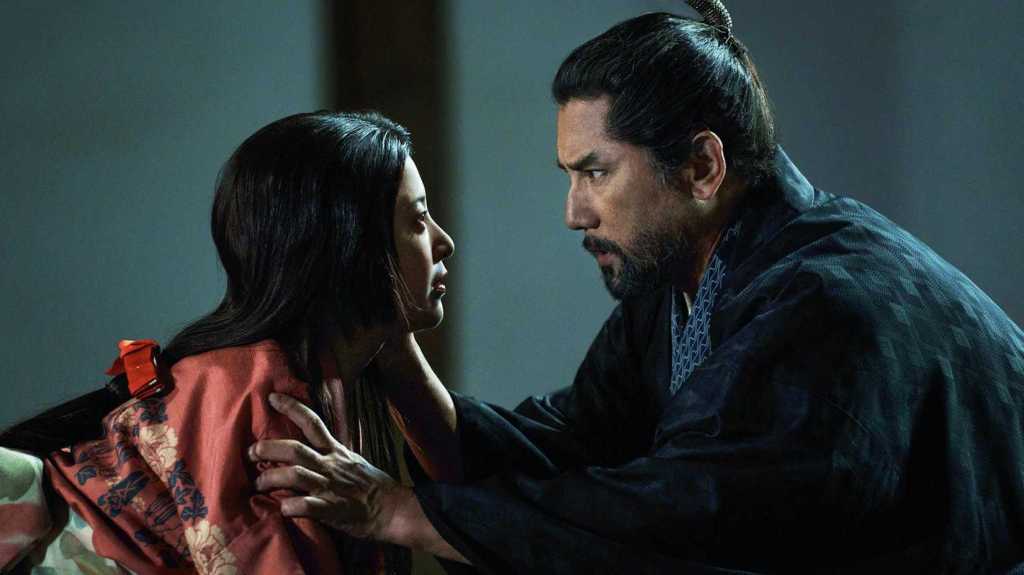
Bellissime inoltre le composizioni delle inquadrature in cui Murashige si confronta con la moglie Chiyoho: chiusi in un interno, i due corpi guardano in direzioni opposte. Come tanti personaggi femminili del regista, anche Chiyoho è protagonista di un disvelamento. Kurosawa la circonda di un’aura di irrealtà, restituendo quell’idealizzazione tipica del periodo classico; i bellissimi primi piani ce la mostrano quasi sempre in lacrime, segnata da un costante dolore. Ma Chiyoho è doppia e segreta, custodisce un mistero che Kurosawa illumina in lampi di straordinaria visionarietà, cromaticamente intensificati e stilizzati (secondo lo stile di Misumi).
La figura femminile ha istintivamente un legame con l’oltre, racchiude una duplice natura, una tensione al di là della vita. Fervente buddista ma anche anima rancorosa, Chiyoho fa di sé il “veicolo dello spirito divino” attraverso la violenza. Personaggio di forza mistica e radicale, racchiude al contempo una pietà umanissima e un rancore sovrumano: non dissimile dalle figure del folclore, dalle donne di neve o dalle donne-volpi. Il “viaggio interiore” di Murashige passa anche attraverso il suo sacrificio.
Tutti gli articoli sono protetti da copyright: © Marcella Leonardi. Tutti i diritti riservati.
English Version
The rebellious daimyō Araki Murashige, besieged in Arioka Castle by Oda Nobunaga’s troops, finds himself facing a series of inexplicable murders within its walls. Desperate and increasingly undermined by the paranoia of his own soldiers, Murashige descends into the dungeons to seek the help of Kuroda Kanbei, the brilliant enemy strategist he is holding prisoner. A tense psychological confrontation develops between the lord of the castle and his captive: Kanbei will help Murashige uncover the plots within the fortress, ultimately pushing him towards a radical choice in order to escape the spiral of violence generated by war.
In an interview given during the 39th Torino Film Festival, on the occasion of the restoration of Sadao Yamanaka’s Tange Sazen and the Pot Worth a Million Ryō (1935), Kiyoshi Kurosawa described the evolution of the jidaigeki — the historical costume drama set in the feudal period — during the 1950s as “a record of Yamanaka’s absence”. None of the great post-war directors, he argued, ever managed to replicate the distinctive qualities of Yamanaka’s work: a cinema in which the samurai is stripped of myth, shown in his weaknesses and in the ordinariness of everyday existence; an anti-hero who is vulnerable and lacking in resolve.
Deeply attached to Yamanaka’s cinema, Kurosawa stated in the same interview that he wished to make a jidaigeki that could in some way pay tribute to his modern and restless cinema, populated by weak and unmotivated characters without any real objective; figures fundamentally destined to fail, without the redemption traditionally associated with the jidaigeki.
The Samurai and the Prisoner grows out of this aspiration. In his incessant questioning of himself, the protagonist descends directly from the troubled, uncertain characters consumed by doubt who stand at the heart of the young director’s films of the 1930s. Kurosawa also recovers another recurring motif: the coexistence of two different characters who find themselves travelling along the same existential path, two opposites locked in a confrontation with psychoanalytic and chiaroscuro implications, through which a profoundly modern existential malaise emerges.
If we also consider how often Kurosawa’s cinema revolves around the doppelgänger as an expression of the plurality of being, of a blurred and ambiguous reality fractured into multiple perspectives, we can understand how his relationship with Yamanaka reflects a shared sensibility towards both life and cinema.
Although it engages with Yamanaka’s jidaigeki and its post-war legacy, The Samurai and the Prisoner nevertheless remains a “pure Kiyoshi Kurosawa film”, unmistakable in both its poetics and its style, although somewhat frozen and intellectualised by its complex network of cinematic, historical and psychoanalytic references. Its direction is composed of static images, slow camera movements designed to create suspense and ambiguity, and numerous lateral pans which, applied to the rigid spaces of the feudal world, produce a particularly estranging effect. Within the severe, enclosed composure of the interiors, the characters discuss death and the possibility of paradise, yet the spatial geometries fail to “rationalise” the substance of their conversation — as also happens in the opening of Séance.
Religion becomes the extreme manifestation of a human nature driven by impulse, faith and superstition. Kurosawa shows how faith can become an instrument of power, capable of turning believers into bodies available for sacrifice. Inside the castle and its rooms, amid the abstract geometries and modular forms of the palace, Kurosawa’s camera captures the delicate moment of coexistence and conflict between Buddhism and Christianity and transforms it into a “theatrical” drama with its own moral ramifications, in which the influence of Throne of Blood (1957) can be felt.
As so often happens in his cinema, from Serpent’s Path (1998) to Cloud (2024), the human being is imprisoned and reduced to property. The dungeons of the fortress, where acts of domination between human beings take place but where relationships are also reversed and blurred, resemble the dilapidated, crumbling buildings that recur throughout Kurosawa’s filmography, metaphors for solitude and dissolution. Actions, together with their ethical consequences, unfold without epic grandeur or any clearly defined movement. Kurosawa emphasises their contingent nature, also through his use of chiaroscuro and shadow. The director binds together the destinies of Murashige and Kanbei and adopts the codes of the thriller while infusing them with anthropology; for Kurosawa, genres thus become simulacra within which his recurrent obsessions reappear — anomalies lurking beneath apparent normality, unusual points of view that almost turn the castle into an animistic entity endowed with its own gaze, and dialogues that seem to reach into the deepest substance of the unconscious.
If the history of the jidaigeki is the history of Yamanaka’s absence, The Samurai and the Prisoner also bears the traces of that absence: in Murashige’s fragile psyche, in his symbiotic and intellectual dependence on Kanbei, in the tragic nature of his inner conflicts and in his aesthetic sensibility — he is a devoted master of the tea ceremony. In the ritual of tea we can recognise another lesson inherited from Yamanaka: a taste for cinema as the art of gesture, detached from history.
Although permeated by contemporary anxieties and centred on the modernity of Murashige, who is gradually stripped of the superstructures that imprison him in his status as a leader, The Samurai and the Prisoner continues to enter into dialogue with the great post-war masters: in the ears of grain bending in the wind we find Mizoguchi’s lyricism, while the saturated colours of the landscape recall the extraordinarily free and unbridled visual imagination of Kinugasa or Uchida.
Also beautiful are the compositions in which Murashige confronts his wife Chiyoho: enclosed within the same interior, their two bodies face in opposite directions. Like so many of Kurosawa’s female characters, Chiyoho too undergoes a process of revelation. Kurosawa surrounds her with an aura of unreality, restoring something of the idealisation typical of the classical period; beautiful close-ups show her almost always in tears, marked by a constant sorrow. Yet Chiyoho is double and secretive, guarding a mystery that Kurosawa illuminates in flashes of extraordinary visionary power, chromatically heightened and stylised in a manner reminiscent of Misumi.
The female figure has an instinctive connection with the beyond, embodying a dual nature, a tension towards something beyond life. A fervent Buddhist yet also a resentful soul, Chiyoho makes herself the “vehicle of the divine spirit” through violence. A character of mystical and radical force, she contains at once an intensely human compassion and a superhuman rancour, not unlike the figures of folklore, from snow women to fox women. Murashige’s “inner journey” also passes through her sacrifice.
All articles are protected by copyright: © Marcella Leonardi. All rights reserved.







Lascia un commento