
[English version below]
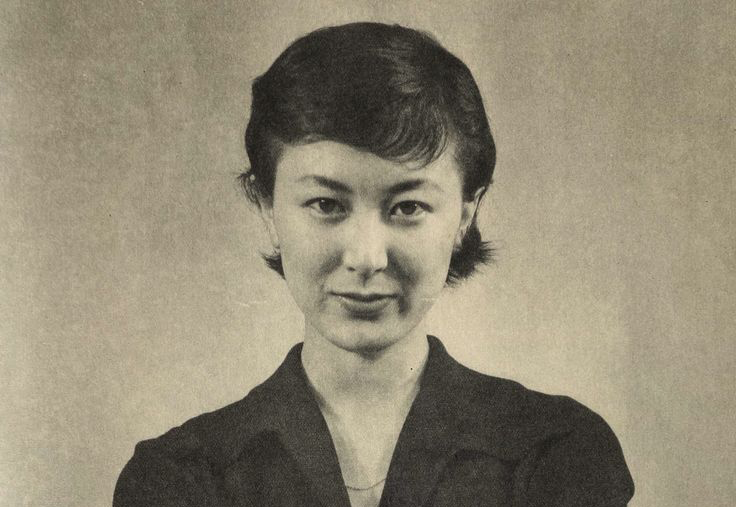
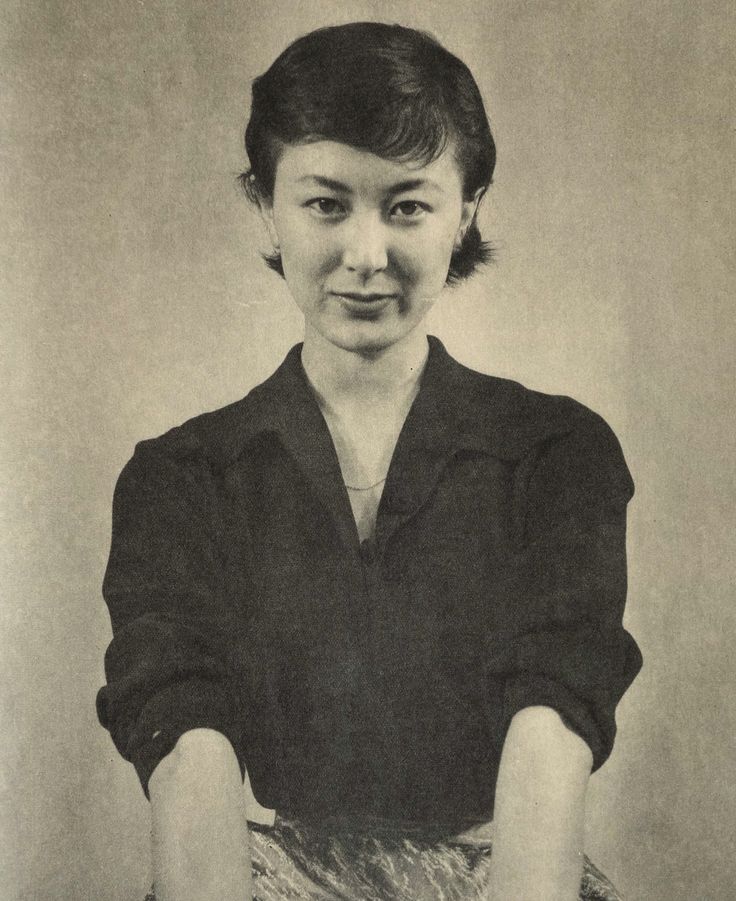
“Una vita senza rischi non ti insegna nulla”. Così Keiko Kishi conclude il racconto della propria vita in Keiko Kishi – Eternally Rebellious, il documentario di Pascal-Alex Vincent che ripercorre l’esistenza non comune e ostinatamente libera della celebre attrice, scomparsa il 7 agosto a quasi 94 anni. Un’artista che ha abbracciato il proprio desiderio e l’istinto non-convenzionale sfidando sin da giovanissima sia i rigidi codici dell’ambiente professionale che lo scrutinio sociale.
Nata a Yokohama, affascinata dai romanzi di Yasunari Kawabata e dai film di Jean Cocteau (la volontà di diventare attrice scaturisce dalla visione di La Bella e La Bestia), Kishi entra nella Shochiku nel 1951 e si mostra subito insofferente al controllo esercitato dallo studio, con il quale si scontra più volte.
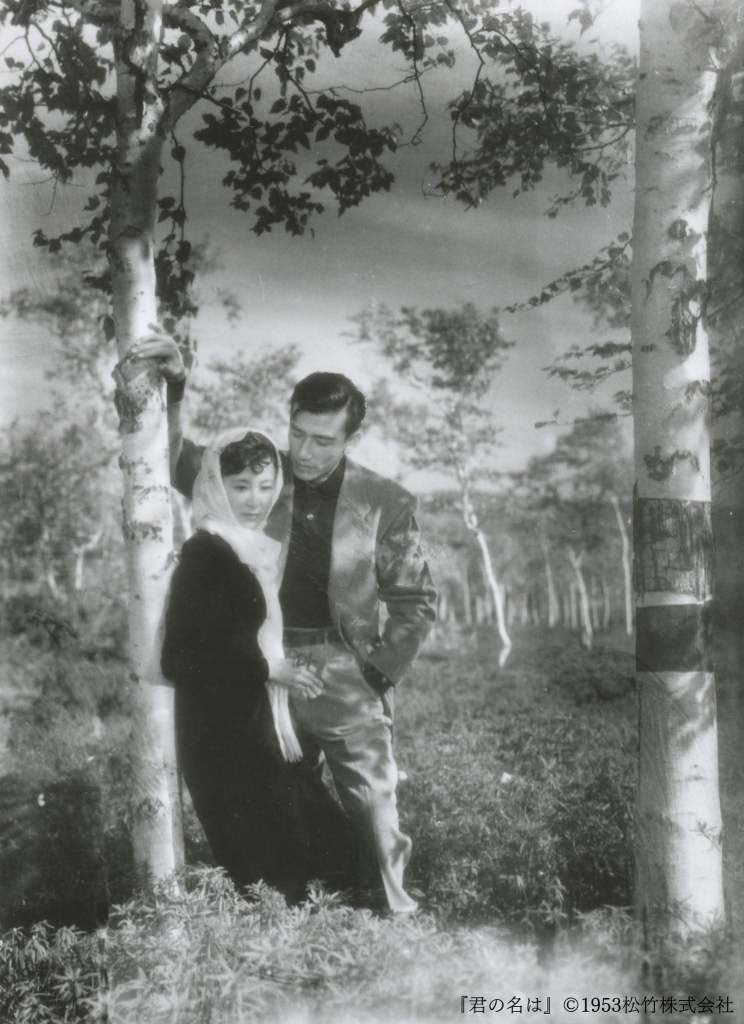
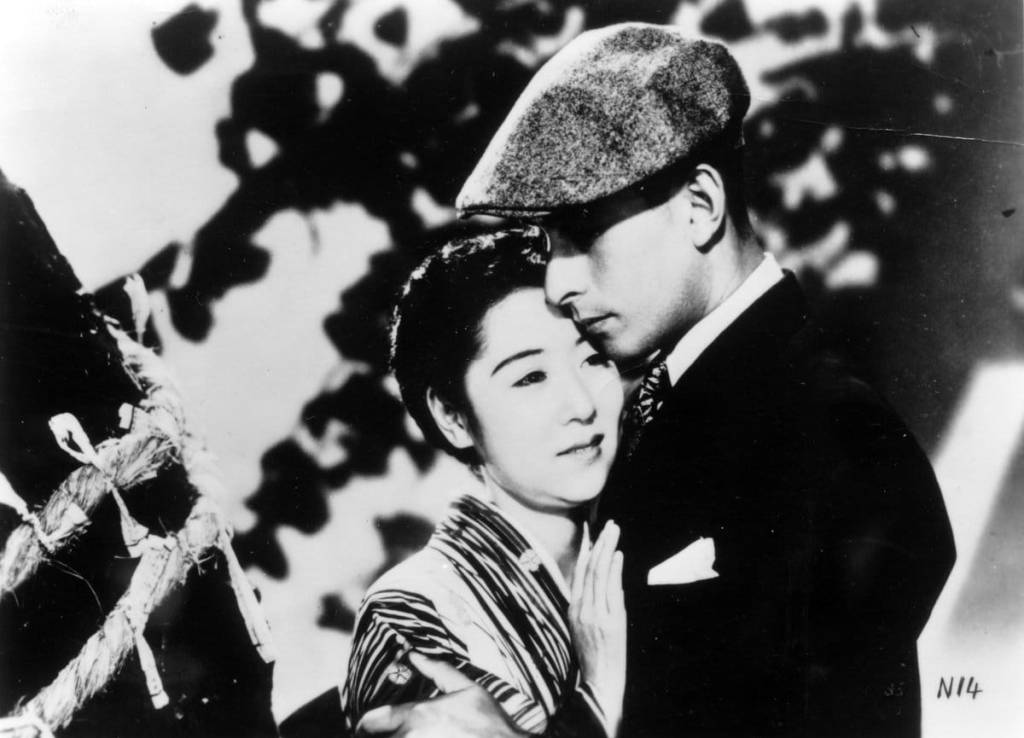
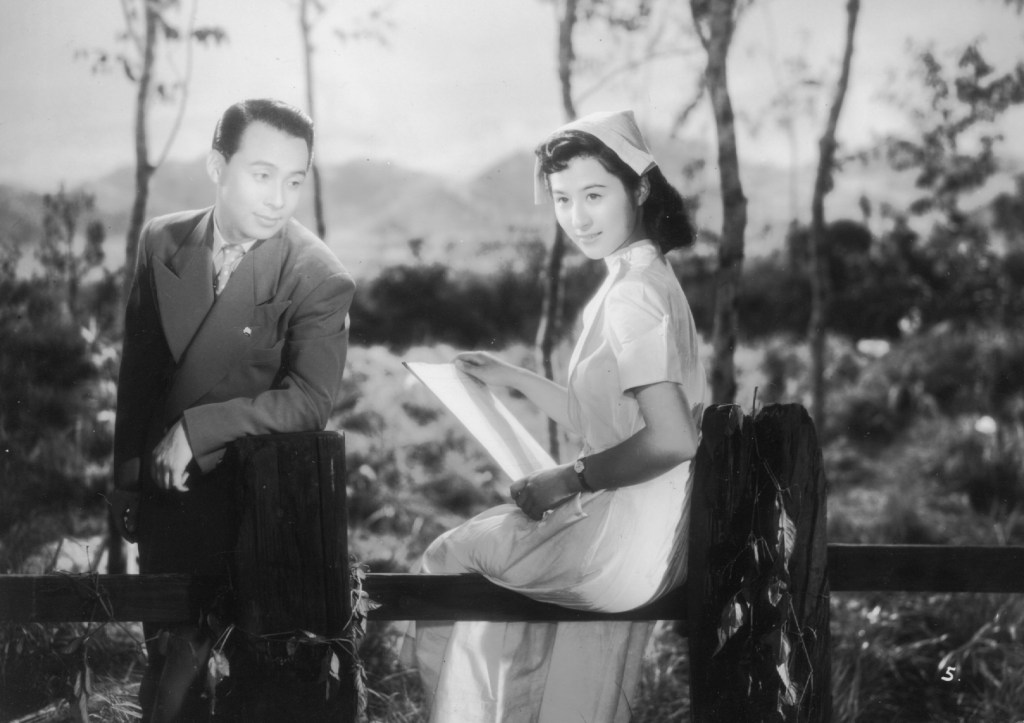
La fama arriva tra il 1953 e il 1954 con la trilogia di Your Name, opera popolarissima che contribuisce a definire il genere romantico surechigai, quello degli “incontri mancati”: i due protagonisti, Machiko e Haruki, sono ripetutamente sul punto di riunirsi (ad esempio, decidendo di incontrarsi a Sukiyabashi ogni sei mesi), ma circostanze impreviste impediscono loro di vedersi. Questo tema narrativo diventerà un classico del cinema e della serialità romantica giapponese, ancora molto frequente nelle sceneggiature contemporanee. Nel ruolo di Machiko, Kishi offre un’interpretazione fresca e moderna spingendo le ragazze dell’epoca a imitare il suo stile, in particolare l’uso del foulard.
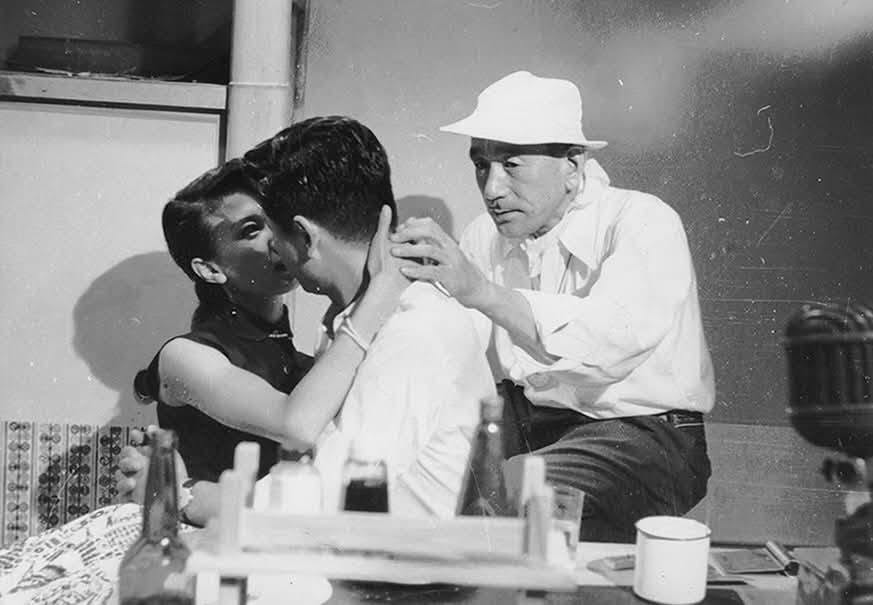
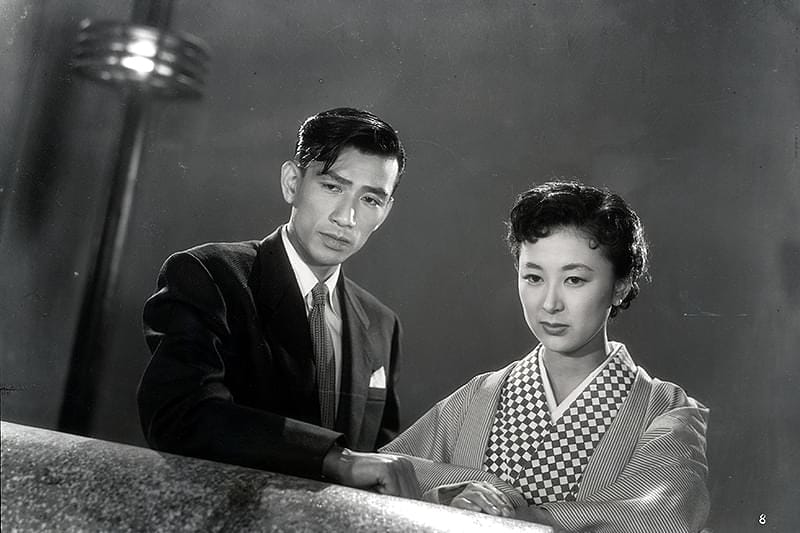
Dopo il successo di Your Name Kishi diventa uno dei volti di punta della Shochiku e lavora con registi come Kinoshita, Gosho e Kobayashi. Ozu la vuole nel suo “film di impiegati” Early Spring (1956), dove l’attrice, nei panni di una giovane soprannominata “Pesce Rosso” per via dei grandi occhi spalancati, è il corpo della crisi femminile degli anni ’50. Il suo personaggio, apparentemente indipendente e disinvolto, è anche smarrito e profondamente emotivo; è tra le poche figure femminili, nel cinema di Ozu, a piangere senza coprire il volto con le mani.
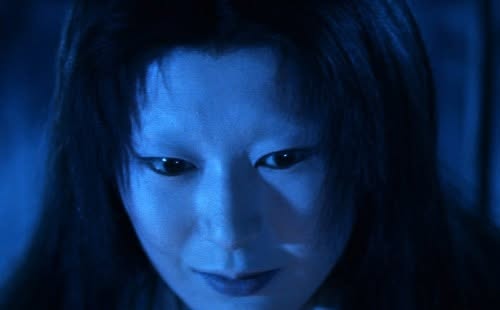
Nel 1954, insieme a Yoshiko Kuga e Ineko Arima, fonda il pionieristico Ninjin Club, casa di produzione al femminile. Le tre star si propongono di sostenere un cinema indipendente, in grado di offrire libertà espressiva a interpreti e autori. Dal Ninjin Club nascono titoli celebri quali la trilogia pacifista The Human Condition di Kobayashi, Love under the crucifix di Tanaka, Pale Flower di Shinoda e infine Kwaidan di Kobayashi, opera i cui costi elevatissimi contribuiscono al fallimento della compagnia. Nel film, Kishi interpreta la leggendaria Yuki-Onna con uno sguardo distante e malinconico al tempo stesso, lasciando un segno indelebile nella memoria degli spettatori.
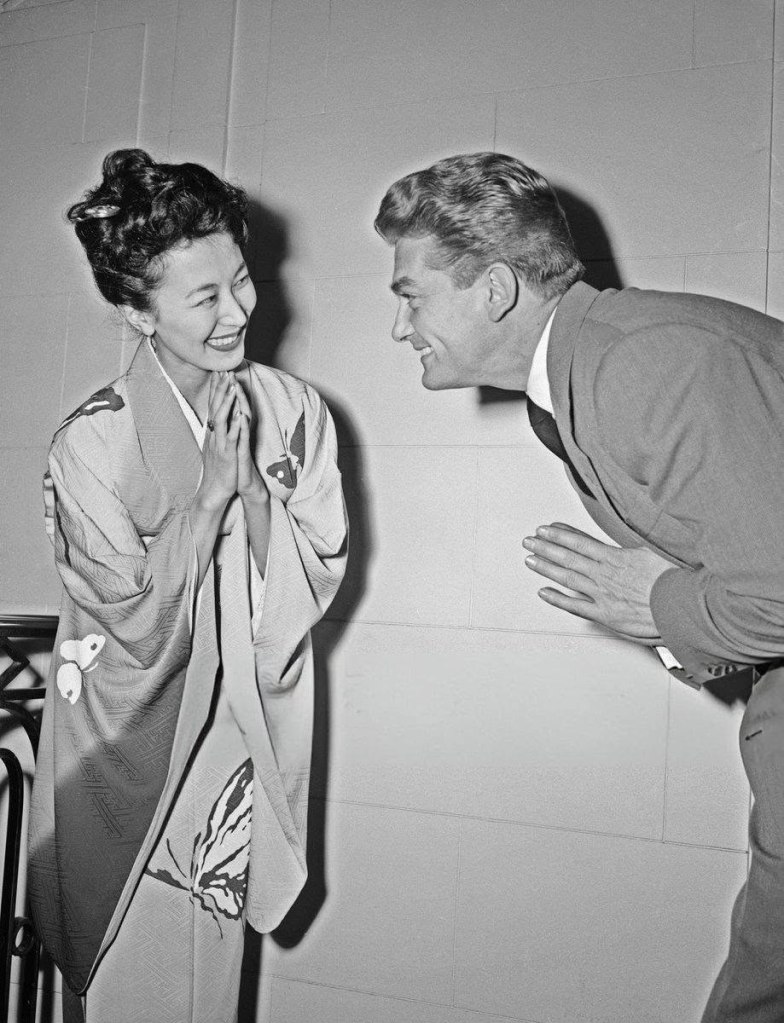
A partire dal 1955 il cinema europeo inizia a corteggiarla: dapprima David Lean per il ruolo di protagonista di The Wind Cannot Read, ma l’accordo non viene concluso per problemi produttivi. Successivamente viene scelta per il film franco-giapponese del 1956 Tifone su Nagasaki, diretto da Yves Ciampi, insieme a uno degli idoli della sua giovinezza, quel Jean Marais del tanto amato La Bella e La Bestia. Da questo momento la sua vita viene sconvolta da un metaforico tifone di eventi: Yves Ciampi si innamora di lei e i due si sposano; Kishi si trasferisce a Parigi suscitando l’indignazione del Giappone, che reputa la sua scelta una “trasgressione” inimmaginabile all’epoca. Ma l’attrice reagisce con intelligenza e indipendenza, aprendo la propria esistenza a un soffio vitale di interessi artistici, curiosità intellettuale, attivismo politico e cultura letteraria, ispirando le nuove generazioni con il proprio anticonformismo.
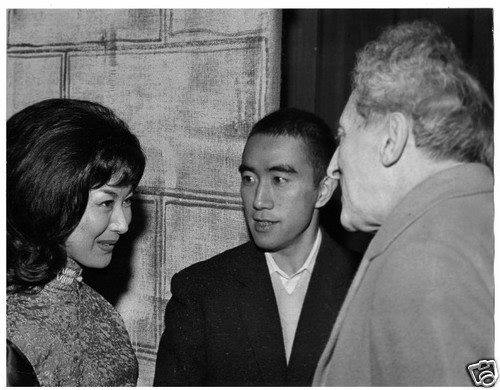
Yasunari Kawabata è testimone alle nozze, e nel corso degli anni successivi Kishi stringe una profonda amicizia con Jean-Paul Sartre, Simone de Beauvoir, André Malraux e lo stesso Jean Cocteau.
Istintivamente progressista, studia e scrive saggi; nel frattempo continua a recitare al cinema e a teatro, dividendo la sua carriera tra Francia e Giappone. Nel 1974 appare nel crepuscolare neo-noir statunitense Yakuza di Sydney Pollack al fianco di Robert Mitchum. Resta estremamente attiva anche negli anni Dieci del nuovo millennio, scrivendo romanzi e recitando in spettacoli teatrali di cui scrive le sceneggiature. Nel 2014 si posiziona al settimo posto nella classifica delle migliori attrici giapponesi di tutti i tempi stilata da Kinema Junpo.
Coraggiosa, intraprendente, ma sempre dal sorriso spontaneo e dalla generosità umana innata, Kishi lascia dietro di sé il ricordo di un’esistenza pionieristica, avventurosa e magica sotto molti aspetti. Non sorprende che Ozu, come mostra Pascal-Alex Vincent nel suo bellissimo documentario, rimpiangesse che il Giappone si fosse lasciato sfuggire un’attrice del genere. A noi resta invece l’amarezza di un’altra memoria di argentea classicità che scompare, svanendo in una dissolvenza.
Tutti gli articoli sono protetti da copyright: © 2026 Marcella Leonardi. Tutti i diritti riservati.
English Version
“A life without risks teaches you nothing.” With these words, Keiko Kishi concludes the story of her life in Keiko Kishi – Eternally Rebellious, Pascal-Alex Vincent’s documentary tracing the extraordinary and fiercely independent existence of the celebrated actress, who died on August 7, just short of her 94th birthday. An artist who followed her own desires and unconventional instincts, challenging from a very young age both the rigid codes of the professional world and the scrutiny of society.
Born in Yokohama, fascinated by the novels of Yasunari Kawabata and the films of Jean Cocteau — her desire to become an actress was sparked by seeing Beauty and the Beast — Kishi joined Shochiku in 1951 and soon proved intolerant of the control exerted by the studio, with which she clashed on several occasions.
Success came between 1953 and 1954 with the Your Name trilogy, an enormously popular work that helped define the romantic surechigai genre, that of “missed encounters”: its two protagonists, Machiko and Haruki, repeatedly come close to being reunited — for instance, by arranging to meet at Sukiyabashi every six months — only for unforeseen circumstances to prevent them from seeing one another. This narrative device would become a classic of Japanese romantic cinema and television drama, and remains common in contemporary screenwriting. As Machiko, Kishi gives a fresh, modern performance, inspiring young women of the time to imitate her style, particularly the way she wore her scarf.
After the success of Your Name, Kishi became one of Shochiku’s leading actresses and worked with directors such as Kinoshita, Gosho and Kobayashi. Ozu cast her in his “salaryman film” Early Spring (1956), where Kishi plays a young woman nicknamed “Goldfish” because of her large, wide-open eyes. She becomes the embodiment of the crisis experienced by women in the 1950s. Her character, seemingly independent and self-assured, is also lost and deeply emotional; she is one of the few female figures in Ozu’s cinema to cry without covering her face with her hands.
In 1954, together with Yoshiko Kuga and Ineko Arima, she founded the pioneering Ninjin Club, a women-led production company. The three actresses set out to create an independent cinema capable of granting greater expressive freedom to performers and filmmakers alike. The Ninjin Club went on to produce celebrated works such as Kobayashi’s pacifist trilogy The Human Condition, Tanaka’s Love Under the Crucifix, Shinoda’s Pale Flower and, finally, Kobayashi’s Kwaidan, whose enormous production costs contributed to the company’s bankruptcy. In the film, Kishi plays the legendary Yuki-Onna with a gaze at once distant and melancholic, leaving an indelible impression on generations of viewers.
From 1955 onward, European cinema began to court her. David Lean was the first, considering her for the leading role in The Wind Cannot Read, although the project ultimately fell through for production-related reasons. She was later cast in the 1956 Franco-Japanese film Typhoon Over Nagasaki, directed by Yves Ciampi, alongside one of the idols of her youth, Jean Marais, star of the much-loved Beauty and the Beast.
From that moment on, her life was itself swept up in a metaphorical typhoon of events: Yves Ciampi fell in love with her and the two married; Kishi moved to Paris, provoking outrage in Japan, where her decision was regarded as an almost unimaginable “transgression” at the time. Yet she responded with intelligence and independence, opening her life to a vibrant world of artistic interests, intellectual curiosity, political engagement and literary culture, and inspiring younger generations through her nonconformism.
Yasunari Kawabata was a witness at her wedding. In the years that followed, Kishi also formed deep friendships with Jean-Paul Sartre, Simone de Beauvoir, André Malraux and Jean Cocteau himself.
Instinctively progressive, she studied and wrote essays while continuing to act in both cinema and theatre, dividing her career between France and Japan. In 1974 she appeared in Sydney Pollack’s twilight American neo-noir The Yakuza, opposite Robert Mitchum. She remained extraordinarily active well into the 2010s, writing novels and performing in stage productions for which she also wrote the scripts. In 2014, she ranked seventh in Kinema Junpo’s poll of the greatest Japanese actresses of all time.
Courageous and enterprising, yet always marked by a spontaneous smile and an innate human generosity, Kishi leaves behind the memory of a life that was pioneering, adventurous and, in many respects, magical. It is hardly surprising that Ozu, as Pascal-Alex Vincent shows in his beautiful documentary, regretted that Japan had let an actress like her slip away. What remains for us is the sorrow of seeing yet another memory of silver-screen classicism disappear, fading away in a dissolve.
All articles are protected by copyright: © 2026 Marcella Leonardi. All rights reserved.






Rispondi