
[English version below]
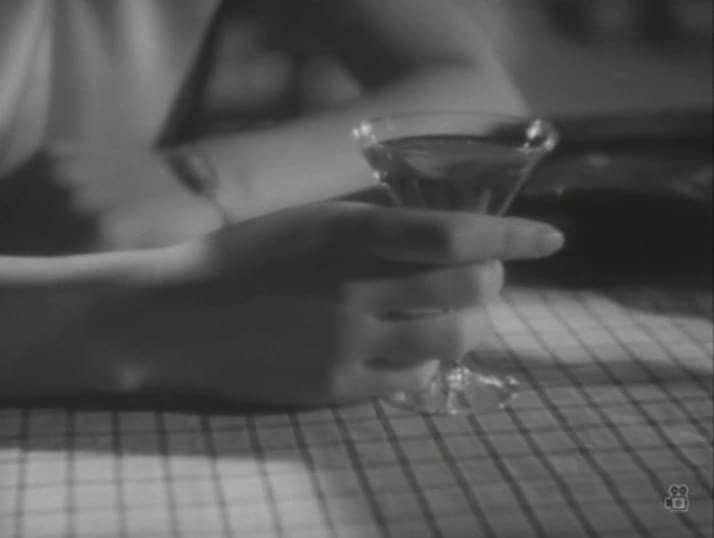
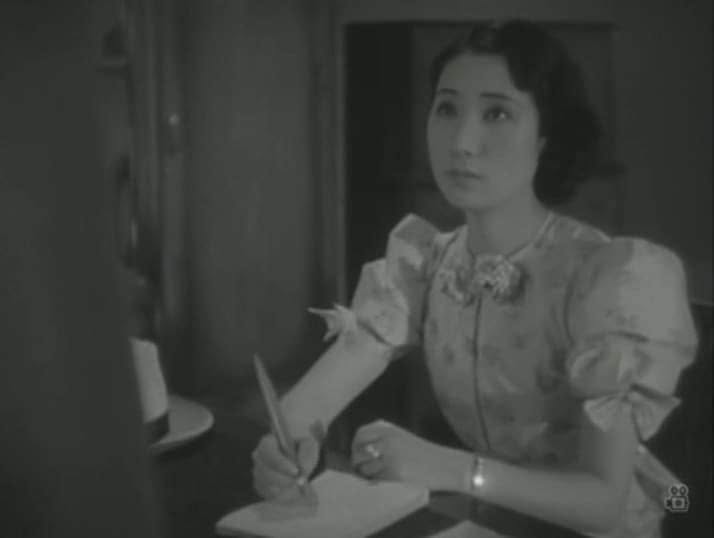
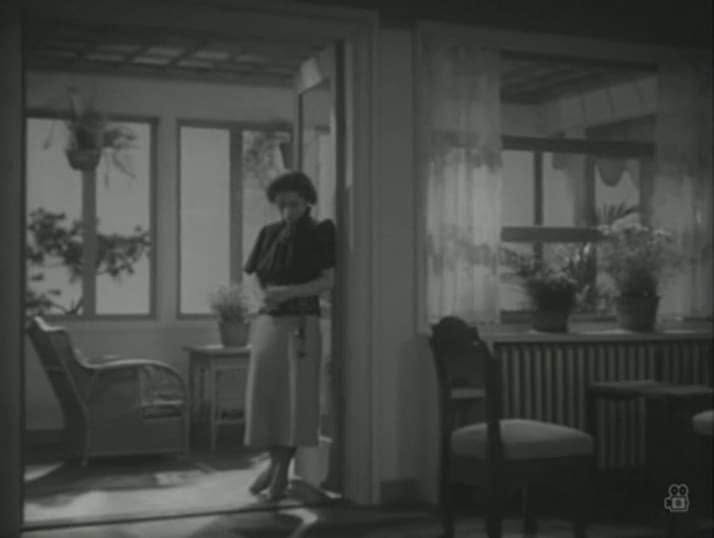
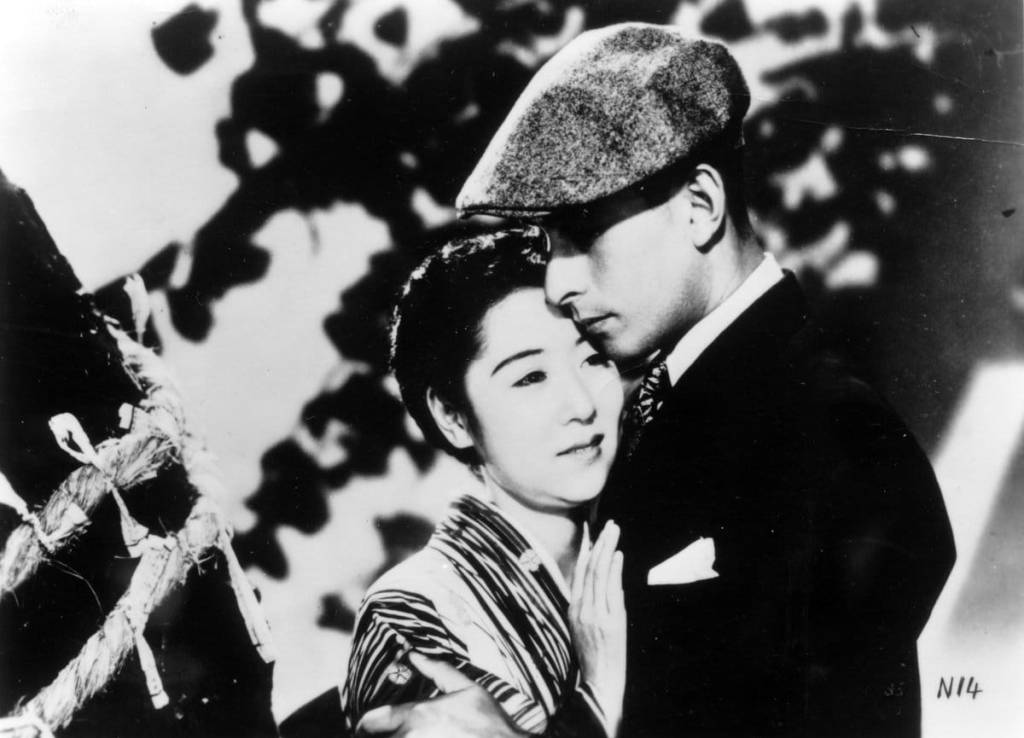
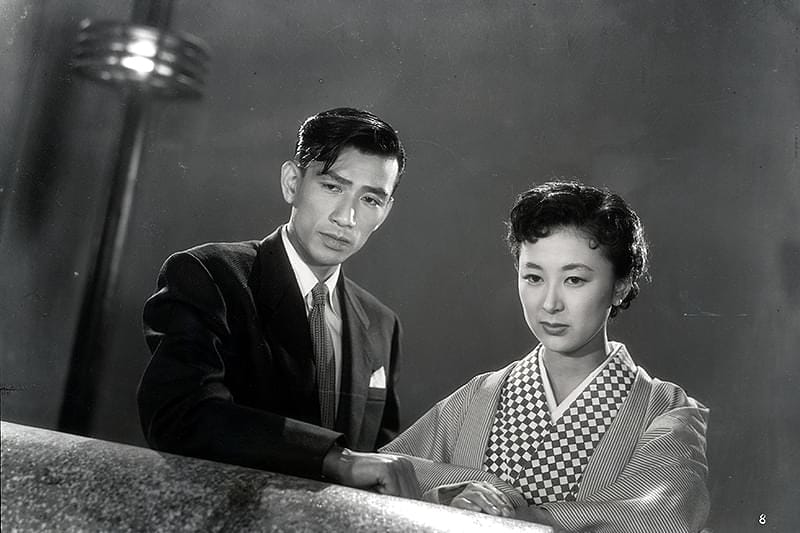
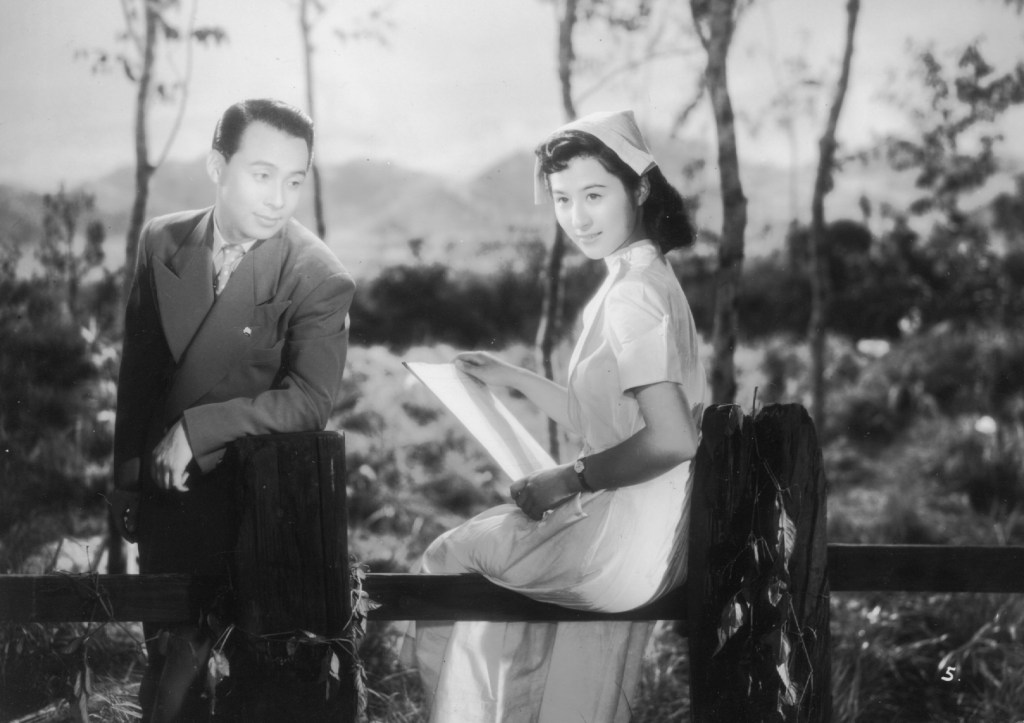
Racconto, in forma non lineare, di una crisi matrimoniale. A solo un anno dalle nozze, Goro sente il peso delle convenzioni e desidera la modernità, stanco del legame con Fukiko. L’uomo, freddo ed egoista, inizia a frequentare Yayoi, un amore di gioventù.
I film realizzati da Naruse tra il 1936 e il 1937 sono spesso considerati opere minori, in parte a causa della debolezza delle sceneggiature. Un giudizio ingiusto, che trascura sia la sperimentazione formale del regista sia la sua originale osservazione della condizione femminile e dell’istituzione familiare — si pensi a Learn from Experience e A Woman’s Sorrow, entrambi del 1937.
A differenza di certo cinema americano, che con l’arrivo del sonoro si fa più statico — «fotografia di gente che parla», affermava Hitchcock — Naruse resta molto attratto dallo sperimentalismo sul linguaggio visivo. In Avalanche compaiono soluzioni audaci e molto belle: il filtro fotografico scuro che cala come una tendina sui personaggi che pensano; il flusso di coscienza; il corpo che si stacca da sé e si osserva, come farà poi Woody Allen in Annie Hall ben quarant’anni dopo.
Le passeggiate degli amanti nei boschi anticipano quelle, di grande bellezza lirica e romantica, dei capolavori della maturità: Floating Clouds del 1955 e Scattered Clouds del 1967. Compaiono anche quelli che diventeranno alcuni dei suoi elementi distintivi: la pioggia come specchio di una condizione emotiva e i treni come metafora di passaggio e trasformazione. Troviamo, infine, una complessa alternanza di punti di vista (maschile e femminile) e un uso raffinato ed espressivo delle dissolvenze.
Ai detrattori di quest’opera estremamente sottovalutata, Naruse rispose di non aver avuto il coraggio di rifiutare alcuni dei progetti a lui proposti e di aver cercato di compensare la debolezza dei contenuti concentrandosi sulla tecnica. Oggi il suo sperimentalismo, allora incompreso, appare come un interessante strumento poetico e psicanalitico. Naruse trasforma vicende convenzionali in riflessioni moderne sulla psicologia dei personaggi, in particolar modo femminili. Il suo stile non è mai banalmente ornamentale, ma controllato affinché rispecchi il pensiero, le emozioni e la libertà delle sue protagoniste.
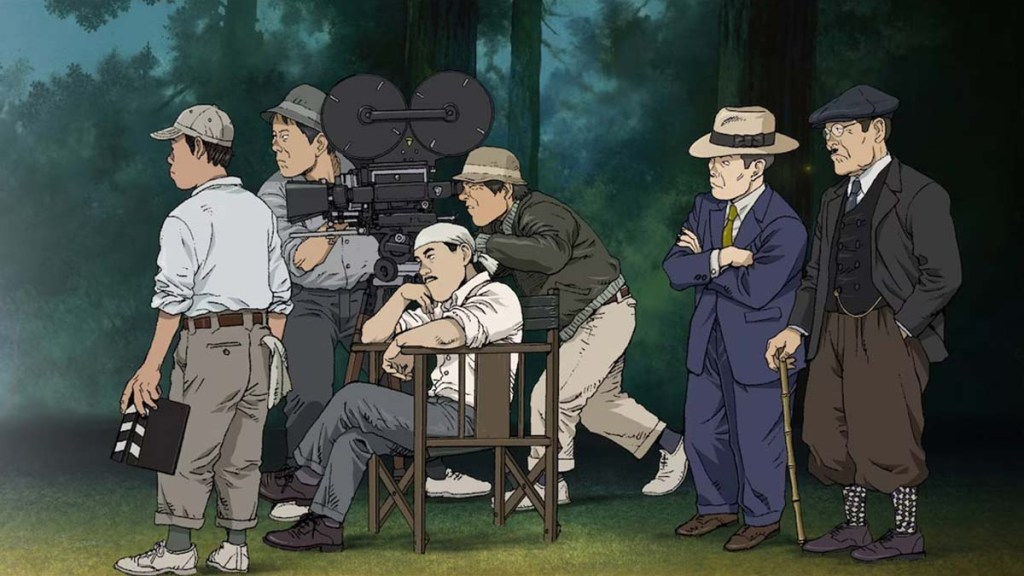
Come ulteriore motivo d’interesse va ricordata la presenza di un giovane Akira Kurosawa come assistente alla regia. Kurosawa fu sempre grato di questa formazione e negli anni successivi espresse profonda ammirazione nei confronti del maestro Naruse, di cui lo colpì il metodo rigorosissimo e il controllo assoluto sul lavoro: «Girava in successione tante brevi inquadrature, che nel montaggio finale […] creavano l’illusione di un unico piano sequenza. Il flusso è così magnifico che le giunzioni sono invisibili».
Tutti gli articoli sono protetti da copyright: © 2026 Marcella Leonardi. Tutti i diritti riservati.

English Version
A non-linear account of a marital crisis. Only a year after the wedding, Goro feels the weight of convention and longs for modernity, weary of his bond with Fukiko. Cold and selfish, he begins seeing Yayoi, a love from his youth.
The films Naruse made between 1936 and 1937 are often considered minor works, partly because of the weakness of their screenplays. This is an unfair judgment, one that overlooks both the director’s formal experimentation and his original observation of the female condition and the institution of the family — as can be seen in Learn from Experience and A Woman’s Sorrow, both from 1937.
Unlike certain American cinema, which became more static with the arrival of sound — “photographs of people talking,” as Hitchcock put it — Naruse remained strongly drawn to experimentation with visual language. Avalanche contains several bold and beautiful solutions: the dark photographic filter that descends like a curtain over characters lost in thought; the stream of consciousness; the body that detaches from itself and observes itself, as Woody Allen would do in Annie Hall a full forty years later.
The lovers’ walks in the woods anticipate those, full of lyrical and romantic beauty, found in the masterpieces of Naruse’s maturity: Floating Clouds (1955) and Scattered Clouds (1967). We also find some of what would become his distinctive elements: rain as the mirror of an emotional state, and trains as a metaphor for passage and transformation. Finally, there is a complex alternation of male and female points of view, as well as a refined and expressive use of dissolves.
To the detractors of this greatly underrated work, Naruse replied that he had lacked the courage to refuse some of the projects offered to him, and had tried to compensate for the weakness of the material by concentrating on technique. Today, his experimentation, misunderstood at the time, appears as an interesting poetic and psychoanalytic tool. Naruse transforms conventional stories into modern reflections on the psychology of his characters, especially his female ones. His style is never merely ornamental, but carefully controlled so as to reflect the thoughts, emotions, and freedom of his heroines.
Another reason for interest is the presence of a young Akira Kurosawa as assistant director. Kurosawa was always grateful for this training and, in later years, expressed deep admiration for the master Naruse. He was particularly struck by Naruse’s extremely rigorous method and absolute control over the work: “He would shoot a succession of many short takes which, in the final editing, […] created the illusion of a single sequence shot. The flow is so magnificent that the joins are invisible.”








Rispondi