

[English version below]
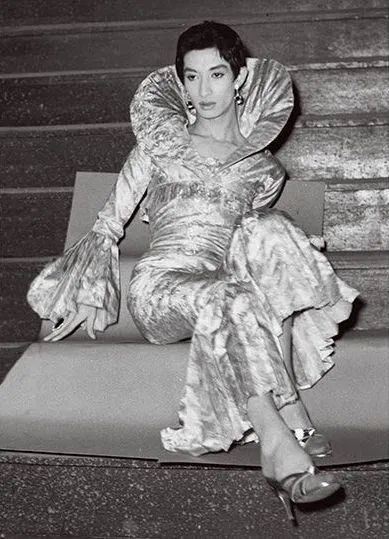
Ci ha lasciati Akihiro Miwa, artista unico e leggendario, attivo nel corso di svariati decenni come attore, cantante, performer. Androgino, misterioso e dal carattere audace, Miwa attraversa la storia giapponese con la propria forte indipendenza, ma anche con una grazia che lo rende popolare. Amatissimo dal pubblico, che lo venera per la sua classe “francese” — non per nulla Miwa adora Édith Piaf — e l’incontenibile talento, riesce a conciliare delicatezza classica e moderna esuberanza.
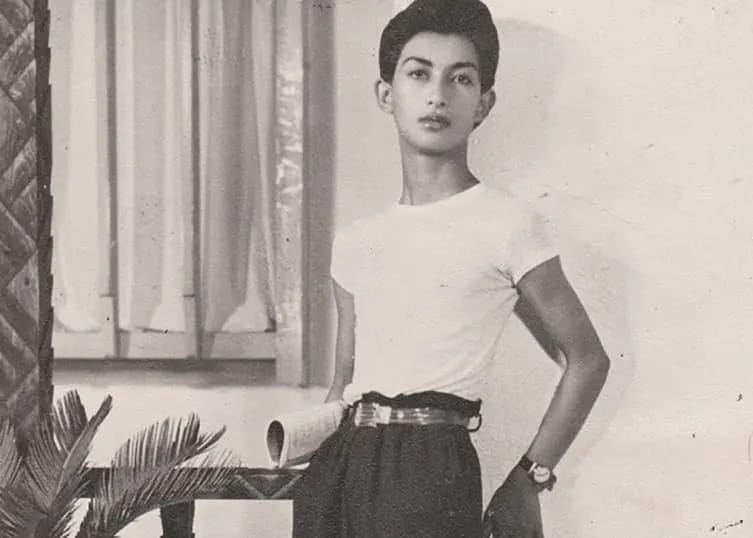
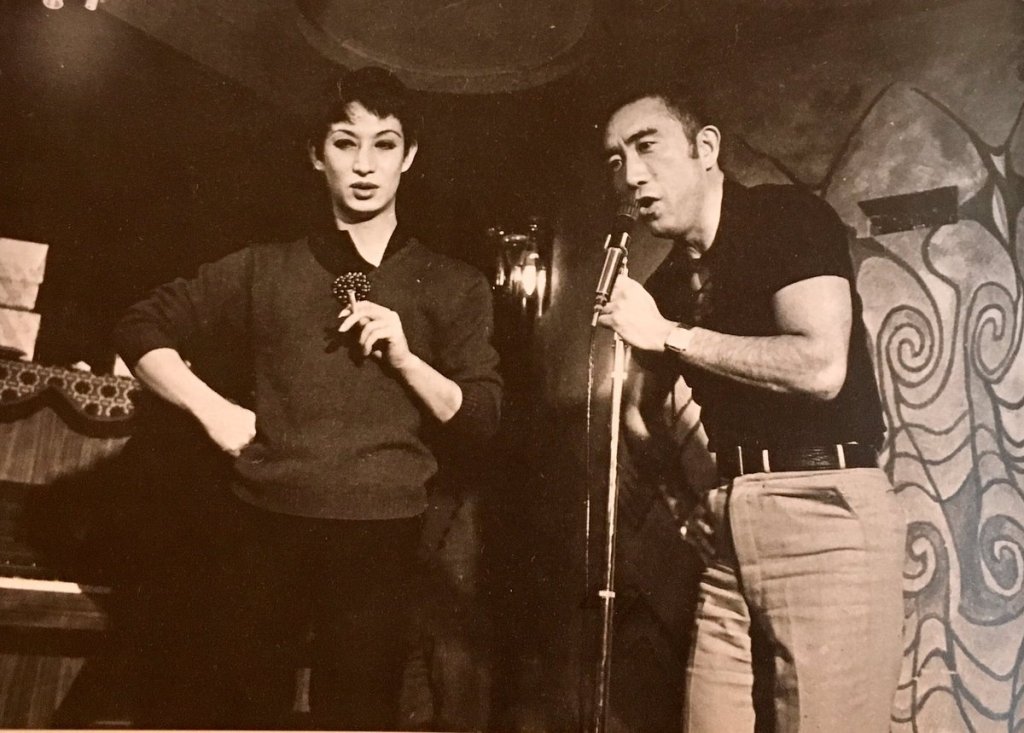
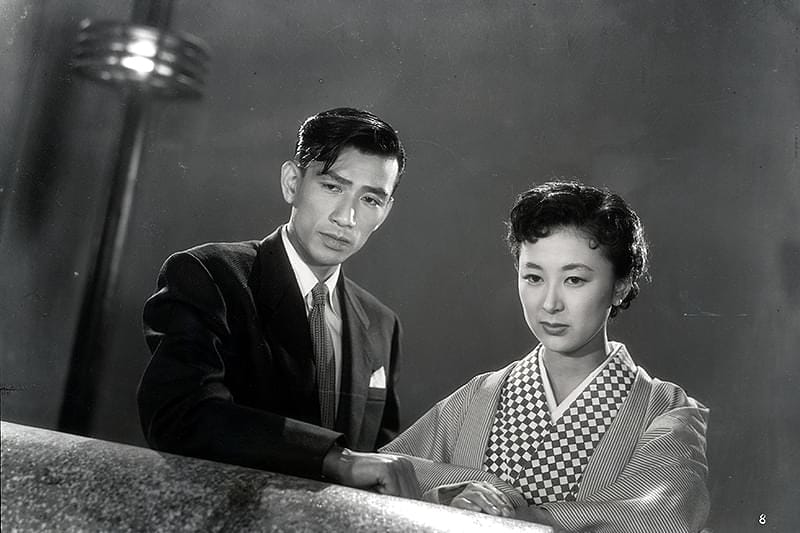
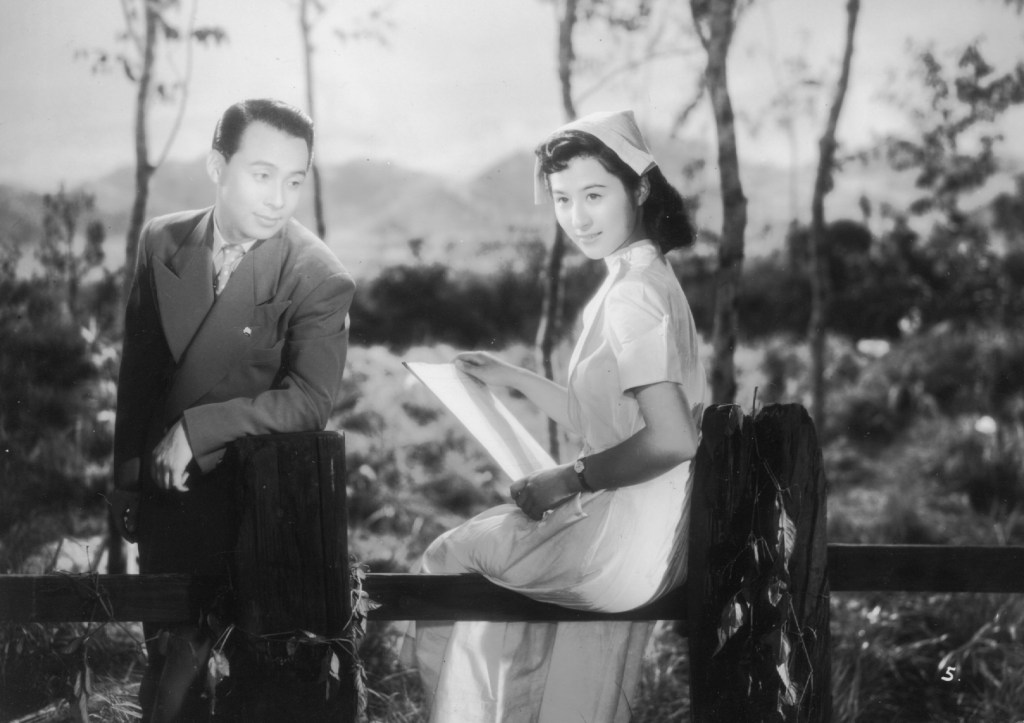
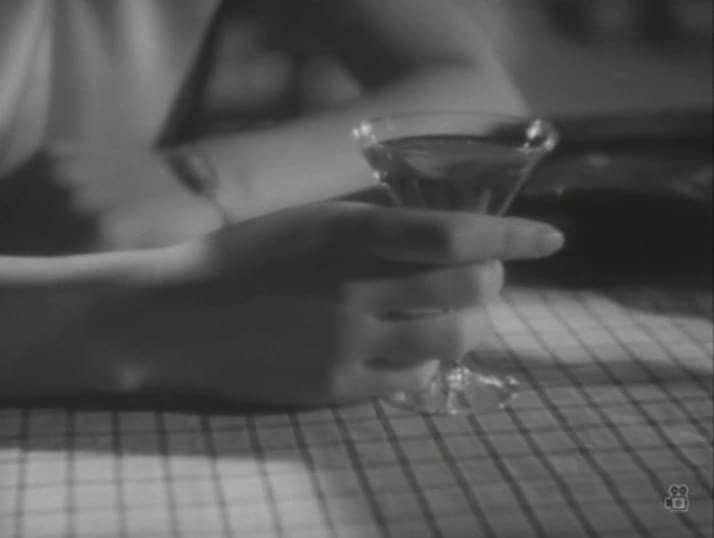
Negli anni Cinquanta si afferma come chansonnier e, grazie al suo aspetto etereo e all’abbigliamento insolito, che include camicie di pizzo, voile e trucco sofisticato, diviene subito una sensazione. Il suo stile androgino e l’avvenenza gentile vengono elogiati da Yukio Mishima, che lo definisce una “bellezza celeste”. I grandi registi del cinema classico lo notano e lo vogliono nei loro film: Miwa collabora con autori del calibro di Yasuzō Masumura — in Warm Current (1957) —, Heinosuke Gosho — in Elegy (1957), dove appare in una memorabile esibizione musicale — e Yūzō Kawashima — in Woman Unveiled (1958), accanto a Setsuko Hara.
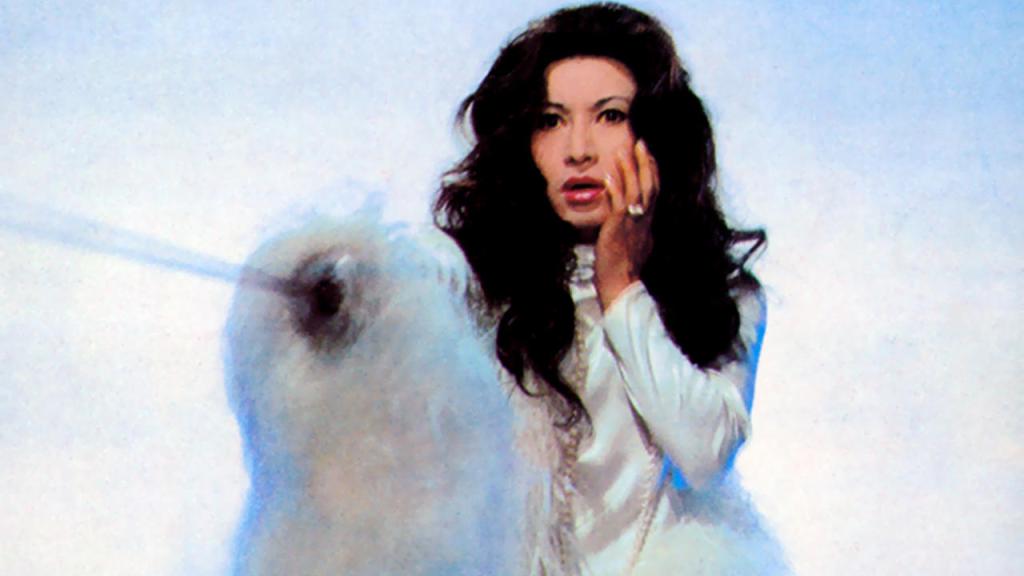
All’apice della sua fama musicale, Miwa assurge a vera e propria star cinematografica con un ruolo da protagonista in Black Lizard (1972), basato sul testo teatrale di Yukio Mishima, con il quale ha un rapporto intenso e travagliato. Lo scrittore, secondo le parole di Miwa, è innamorato di lui a tal punto da insistere affinché accetti la parte. Miwa cede, ma a condizione che la regia venga affidata a Kenji Fukasaku, il celebre autore di yakuza film in cui violenza estrema, spietata osservazione sociologica ed estetica esplosiva danno vita a opere originali e deflagranti. Una personalità inquieta, aperta e ricettiva come quella di Miwa non poteva non trovare nel cinema di Fukasaku, esteticamente curatissimo ma al contempo irrazionale e dinamico, il suo contesto naturale.
Nello splendido documentario di Pascal-Alex Vincent Miwa: A Japanese Icon (2011), Fukasaku ricorda l’artista come un personaggio in grado di rinnovare, con una presenza scenica di grande magnetismo, il fascino degli onnagata. Dice Fukasaku: «Nel kabuki era comune che gli uomini interpretassero ruoli femminili, ma non nel cinema. Miwa impose, con naturalezza, la nuova figura dell’attore transgender che crea affascinanti personaggi femminili. Nessuno lo aveva fatto prima». Miwa e Fukasaku fanno della protagonista di Black Lizard una diva felina e sinuosa, una femme fatale di irresistibile potere seduttivo.
Per Miwa è l’inizio di una carriera cinematografica smagliante, sempre guidata dalla curiosità e dal suo carattere indipendente. L’artista accetta soltanto ruoli che lo interessano profondamente e, contemporaneamente, vive la stagione delle rivolte giovanili, unendosi ai ribelli, come egli stesso ricorda, «con grande entusiasmo».
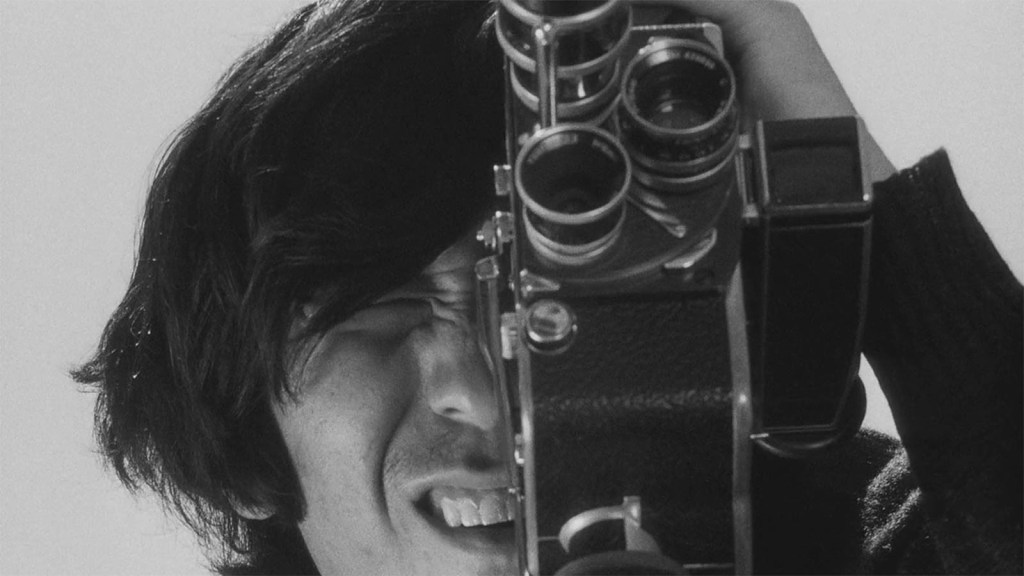
Il periodo tra il 1967 e il 1968 rappresenta infatti la fine di un’era tanto per i grandi studios quanto per la società giapponese. Senza dar retta a chi gli consiglia altrimenti, Miwa si interessa ai movimenti underground e al teatro di Terayama, fino ad accettare un ruolo nel suo film sperimentale Throw Away Your Books, Rally in the Streets (1971), manifesto della solitudine e della ribellione giovanile dell’epoca.
Negli anni successivi lavora senza sosta, passando da drammi teatrali come L’aquila a due teste di Cocteau a nuovi ruoli cinematografici, fino al lavoro come doppiatore. Contribuisce al successo di Principessa Mononoke — come Dea Lupo — e de Il castello errante di Howl — come Strega delle Lande —, offrendo al puntiglioso Hayao Miyazaki una voce dalle mille sfumature: persino una risata sapientemente modulata contribuisce a definire lo spirito dei suoi personaggi.
Miwa diventa anche un’icona dei diritti civili, ma ciò avviene in modo spontaneo e “involontario”, poiché in Giappone, come egli stesso racconta nel documentario di Vincent, non esiste differenza fra le parole “signore” e “signora”. «Per me, essere chiamata lui o lei è del tutto indifferente.»
Nella sua lunga carriera Miwa afferma semplicemente se stesso. È una creatura indomabile e larger than life, oltre schematismi e definizioni; un nuovo tipo di diva la cui natura transgender è la porta per l’infinità, priva di limiti.
Tutti gli articoli sono protetti da copyright: © 2026 Marcella Leonardi. Tutti i diritti riservati.
Link: Miwa: a Japanese Icon di Pascal-Alex Vincent
English Version
Akihiro Miwa: Larger Than Life
Akihiro Miwa has left us. A unique and legendary artist, he spent several decades working as an actor, singer and performer. Androgynous, mysterious and boldly unconventional, Miwa moved through modern Japanese history with fierce independence, yet also with a grace that made him deeply beloved. Admired for his unmistakably “French” elegance (it is no coincidence that he adored Edith Piaf) and extraordinary talent, he succeeded in combining classical refinement with a strikingly modern exuberance.
In the 1950s, Miwa rose to prominence as a chansonnier. Thanks to his ethereal appearance and distinctive style—lace shirts, voile fabrics and sophisticated make-up—he quickly became a sensation. His androgynous beauty and gentle charm were praised by Yukio Mishima, who described him as a “celestial beauty.” The great directors of Japan’s classical cinema soon noticed him and cast him in their films. Miwa worked with filmmakers such as Yasuzō Masumura (Warm Current, 1957), Heinosuke Gosho (Elegy, 1957, where he delivers a memorable musical performance), and Yūzō Kawashima (Woman Unveiled, 1958, alongside Setsuko Hara).
At the height of his musical fame, Miwa became a true film star with his leading role in Black Lizard (1972), based on Yukio Mishima’s stage play, with whom he shared an intense and complex relationship. According to Miwa himself, Mishima was so deeply in love with him that he insisted he accept the role. Miwa agreed, but only on the condition that the film be directed by Kenji Fukasaku, the celebrated director of yakuza films whose explosive aesthetics, uncompromising violence and sharp sociological insight gave rise to some of the most original works of Japanese cinema. A restless, open and receptive personality such as Miwa could hardly have found a more natural home than Fukasaku’s meticulously crafted, yet irrational and dynamic cinematic universe.
In Pascal-Alex Vincent’s excellent documentary Miwa: A Japanese Icon (2011), Fukasaku recalls Miwa as a performer who reinvented the fascination of the onnagata through an extraordinarily magnetic stage presence. As Fukasaku explains: “In Kabuki it was common for men to play female roles, but not in cinema. Miwa naturally introduced a new kind of transgender performer capable of creating fascinating female characters. No one had ever done that before.” Together, Miwa and Fukasaku transformed the heroine of Black Lizard into a feline, sinuous diva—a femme fatale of irresistible seductive power.
For Miwa, this marked the beginning of a brilliant film career, always driven by curiosity and his fiercely independent spirit. He accepted only the roles that genuinely interested him and, at the same time, embraced the wave of student protests, joining the demonstrators “with great enthusiasm,” as he later recalled. The years between 1967 and 1968 marked the end of an era, both for Japan’s major studios and for Japanese society itself. Ignoring those who advised him otherwise, Miwa became fascinated by the underground movement and by Terayama’s theatre, eventually accepting a role in his experimental film Throw Away Your Books, Rally in the Streets (1971), a manifesto of youthful loneliness and rebellion.
Over the following decades he worked tirelessly, moving from stage productions such as Cocteau’s The Eagle with Two Heads to new film roles, before becoming one of Japan’s most memorable voice actors. He contributed to the success of Princess Mononoke (as the Wolf God) and Howl’s Moving Castle (as the Witch of the Waste), offering Hayao Miyazaki a voice of extraordinary nuance: even a carefully modulated laugh became part of the soul of his characters.
Miwa also became an icon of the struggle for civil rights, though this happened in an entirely spontaneous and, in his own words, almost “involuntary” way. As he explains in Vincent’s documentary, the Japanese language does not distinguish between “Mr.” and “Mrs.” “To me, being called he or she makes no difference at all.”
Throughout his long career, Miwa simply affirmed himself. He was an indomitable creature, larger than life, beyond labels and definitions: a new kind of Diva whose transgender nature is the gateway to infinity itself.






 Nubi Fluttuanti
Lascia un commento