
[English version below]
In un periodo storico in cui la volgarità estetica tende ad annullare l’espressività e i “segni” naturali del vivere, attraverso filtri che uniformano il reale in un’immagine piatta e plastificata, il cinema di Ozu aiuta a riscoprire la bellezza del volto umano.
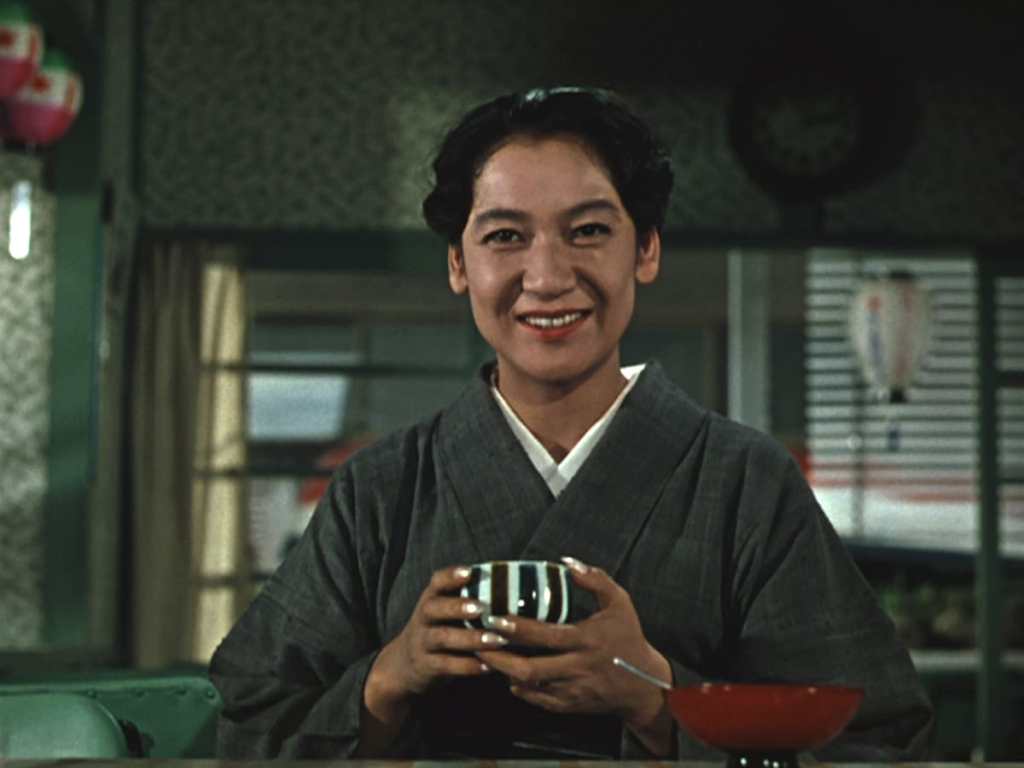
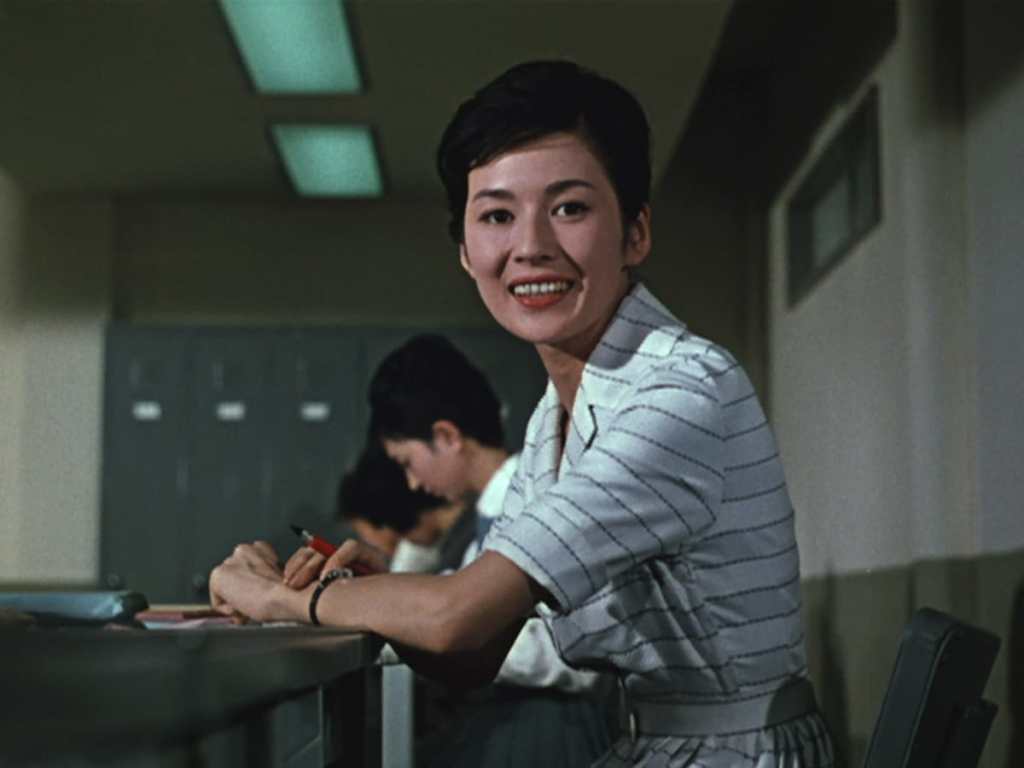
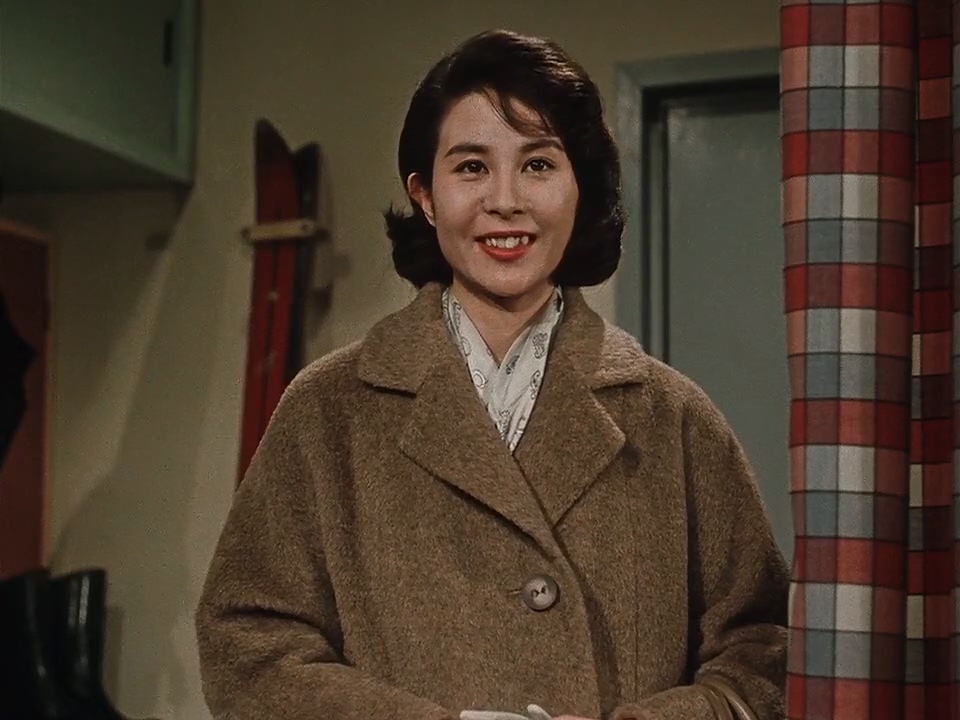
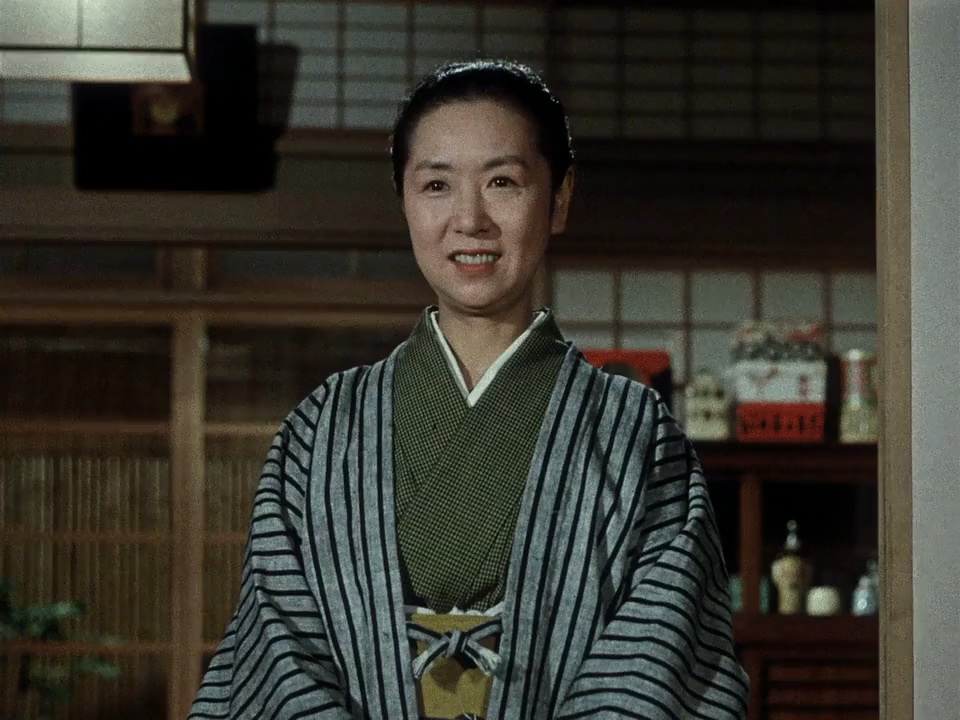
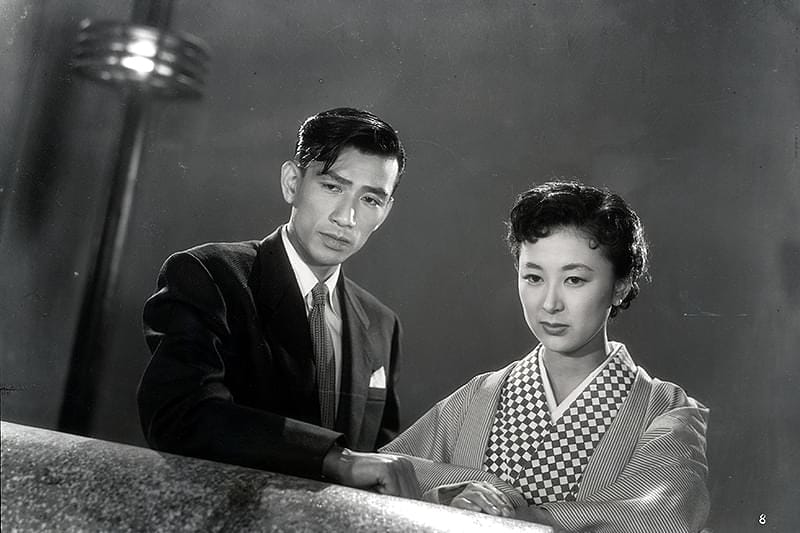
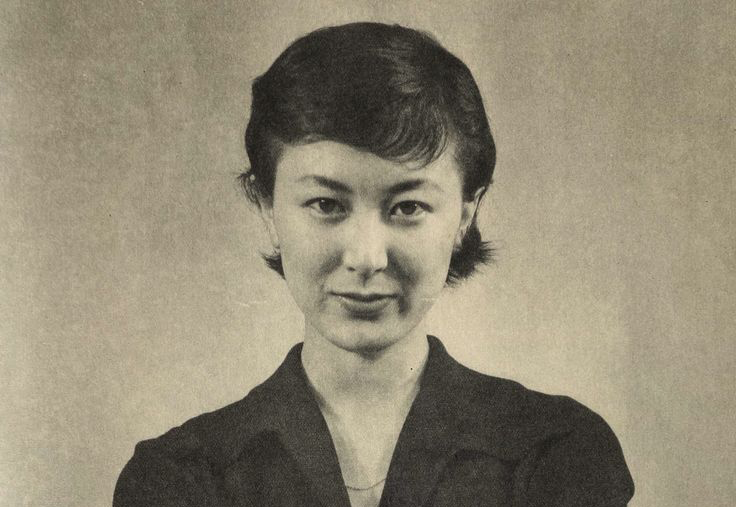
Mi ha sempre colpito come il regista non intendesse, quasi mai, idealizzare o abbellire il viso delle sue attrici attraverso la scelta dell’angolazione migliore o particolari scelte luministiche. Tutt’altro: i volti del suo cinema sono ripresi frontalmente e nulla ci sfugge: difetti, rughe, irregolarità, denti imperfetti. E trovo che questo elogio del volto nella sua verità sia qualcosa di profondamente rasserenante, armonico.
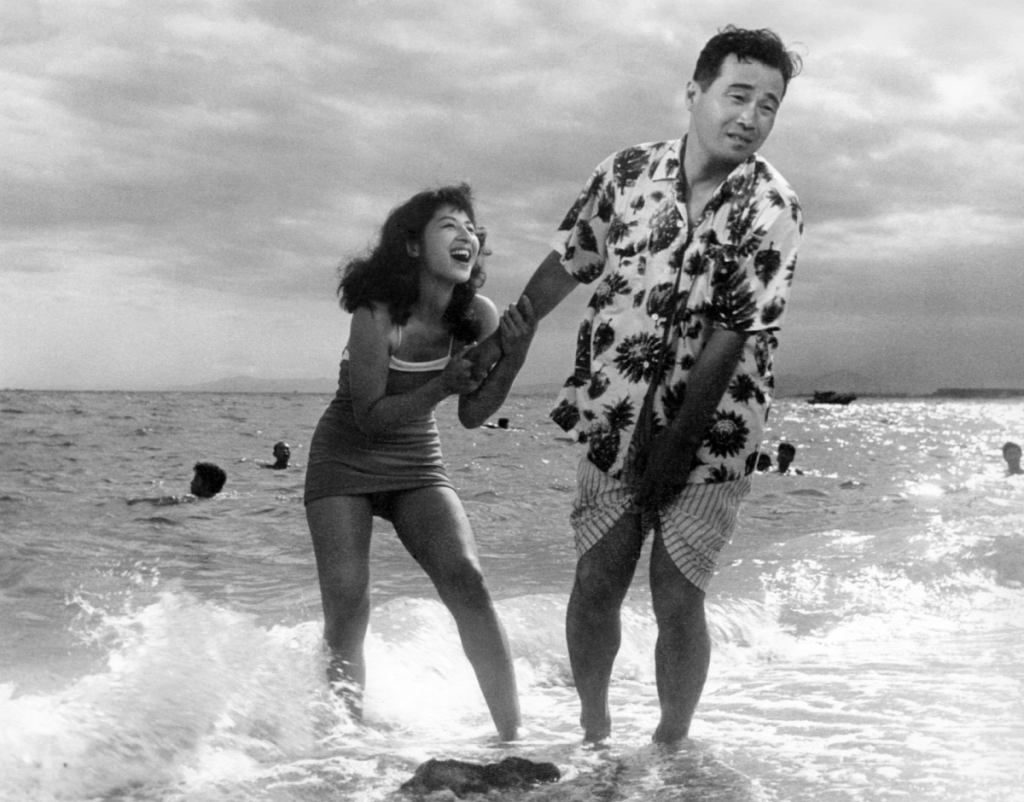
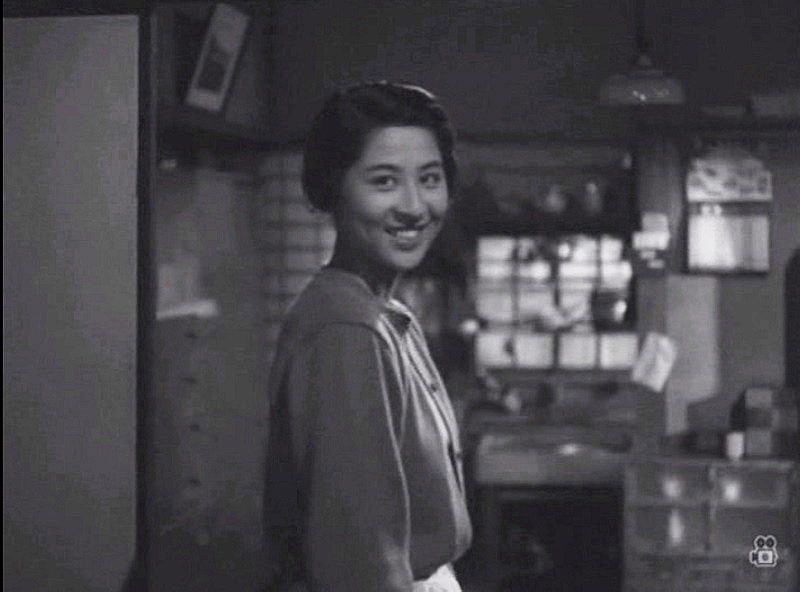
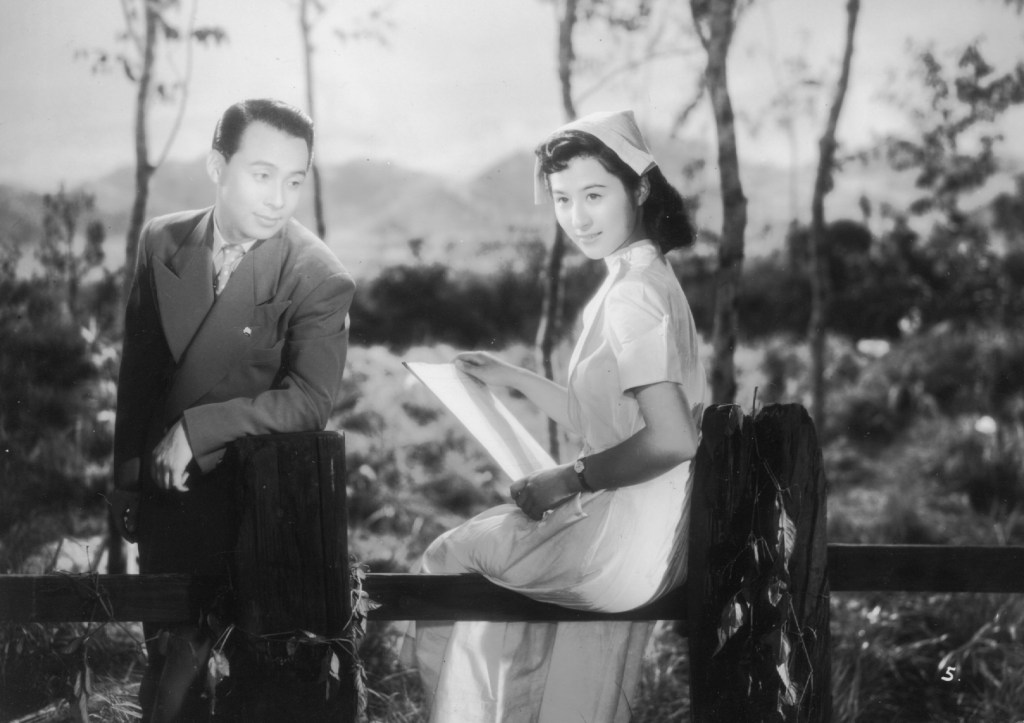
Il viso di Setsuko Hara in Tardo Autunno, dolcemente sfiorito, è ancor più bello e trascendente. La giovinezza di Yoko Tsukasa appare più radiosa in virtù dei difetti che ne intensificano la spontaneità. La bellezza di Yoshiko Kuga, dal sorriso meravigliosamente imperfetto, diventa ancora più squisita e raffinata. E Kinuyo Tanaka possiede una trasparenza che ci permette di intravedere la sua stessa anima.
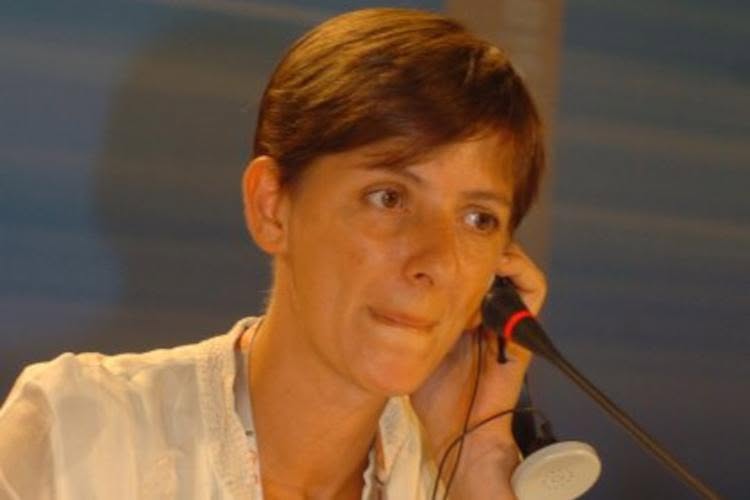
Tutto ciò è andato perduto in una contemporaneità che leviga tutto, sottraendo linee, morbidezza, piccoli avvallamenti, pieghe dolcissime.
Il presente ha cancellato il volto come paesaggio
English Version
In a historical moment in which aesthetic vulgarity seeks to erase the expressiveness and natural marks of lived experience through filters that flatten reality into a plastic, uniform image, Ozu’s cinema helps us rediscover the beauty of the human face.
I have always been struck by the fact that Ozu rarely sought to idealize or beautify his actresses through flattering angles or carefully calculated lighting. Quite the opposite: the faces in his films are filmed frontally, clearly illuminated, and nothing escapes our gaze—imperfections, wrinkles, irregular features, uneven teeth.
I find this celebration of the face in its truth deeply soothing and harmonious.
The face of Setsuko Hara in Late Autumn, gently touched by time, becomes even more beautiful and transcendent. The youthful beauty of Yoko Tsukasa shines all the more brightly because of the small imperfections that enhance her spontaneity. The beauty of Yoshiko Kuga, with her wonderfully imperfect smile, becomes even more exquisite and refined. And Kinuyo Tanaka possesses a transparency that allows us to glimpse her very soul.
All of this seems to have been lost in a contemporary culture that smooths away everything, erasing lines, softness, subtle hollows, and the gentlest folds.
The present has erased the face as landscape.






Rispondi