
[English version below]
I coniugi Otone e Kensuke vivono una profonda crisi dopo la perdita del figlio di sette anni, Kakeru. Per superare il dolore, decidono di affidarsi all’azienda REbirth, che consegna loro un robot umanoide identico al bambino scomparso. Mentre Otone accetta subito la presenza dell’automa, il padre si mostra inizialmente scettico. Con il passare del tempo, l’androide inizia a sviluppare una propria coscienza e comincia a connettersi in segreto con altri bambini robot.
Probabilmente non c’è alcuna oggettività critica nell’affermare che un film come Sheep in The Box possa aiutare a riflettere su se stessi, sui propri pensieri, sul modo ondivago e contraddittorio degli umani di rispondere agli eventi. Eppure l’ultimo lavoro di Koreeda, con la sua pacata indefinitezza e con una narrazione discontinua e incoerente, punta proprio all’osservazione capillare della natura umana, all’irrazionalità delle sue reazioni nei confronti del mistero del vivere.
A uno spettatore occidentale l’esperienza del film può certamente risultare frustrante: Sheep in The Box non ha la grazia accondiscendente e la prospettiva “turistica” di un’opera esportabile come Perfect Days, né lo spirito idealista, intriso di divertito esotismo, di Rental Family. Koreeda non fa nulla per lusingare il pubblico internazionale ed elabora una favola antropologicamente giapponese: un racconto senza un vero oggetto, fluttuante e irrisolto, in cui la contemplazione della natura, i dialoghi apparentemente esili o insignificanti, la compostezza emozionale sembrano più importanti del tema centrale – il rapporto dell’uomo con l’intelligenza artificiale.
Eppure è questa costante forza centrifuga ad avvicinarci al cuore filosofico e sensibile del film. Koreeda compie un lavoro meraviglioso nel mostrarci la confusione di individui smarriti, privi di stabilità emotiva nell’approccio con una replica artificiale dell’oggetto amato. Il film possiede una naiveté che in realtà è quella della gente comune: pur nel suo disinvolto uso dei generi, ha una natura squisitamente shōmingeki. L’interesse del regista è rivolto ai sentimenti delle persone nella vita quotidiana.
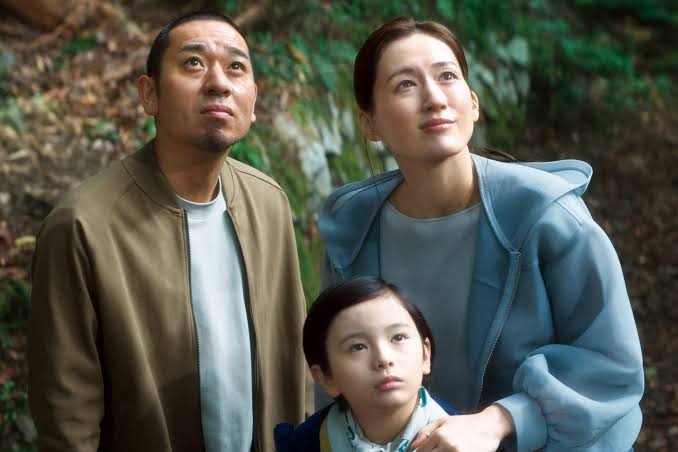
Otone e Kensuke hanno perso da poco il proprio figlio Kakeru, come già accaduto a un’altra coppia del cinema giapponese recente in Love Life di Kōji Fukada. Di fronte alla possibilità di vedersi restituito il simulacro robotico del bambino dapprima esitano, ma vengono persuasi, con un certo shock, dal realismo del prodotto. “Ti eri accorto che fosse un umanoide?” “No, affatto”, commenta la coppia dopo aver fatto casualmente conoscenza con un altro bambino-robot.
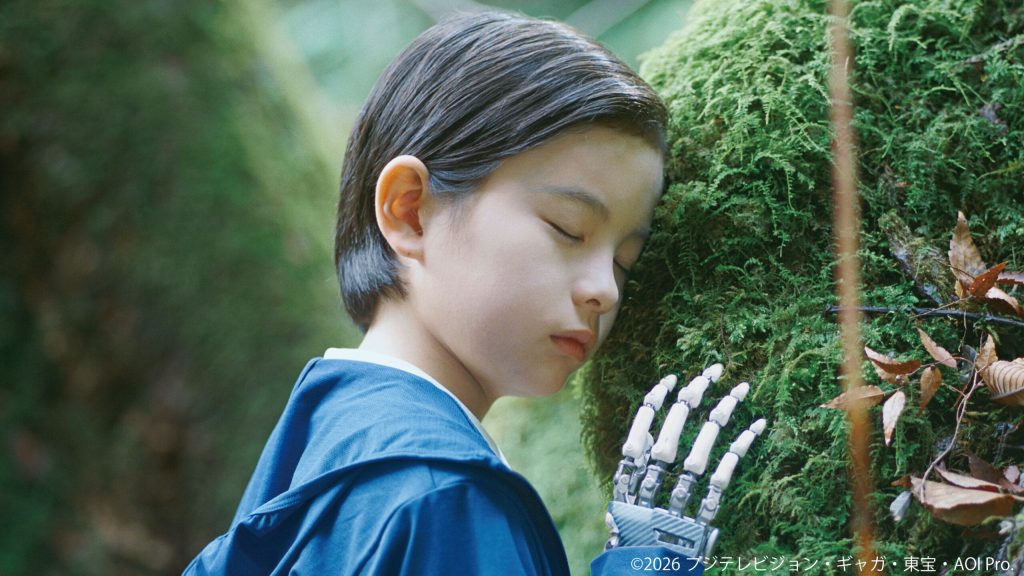
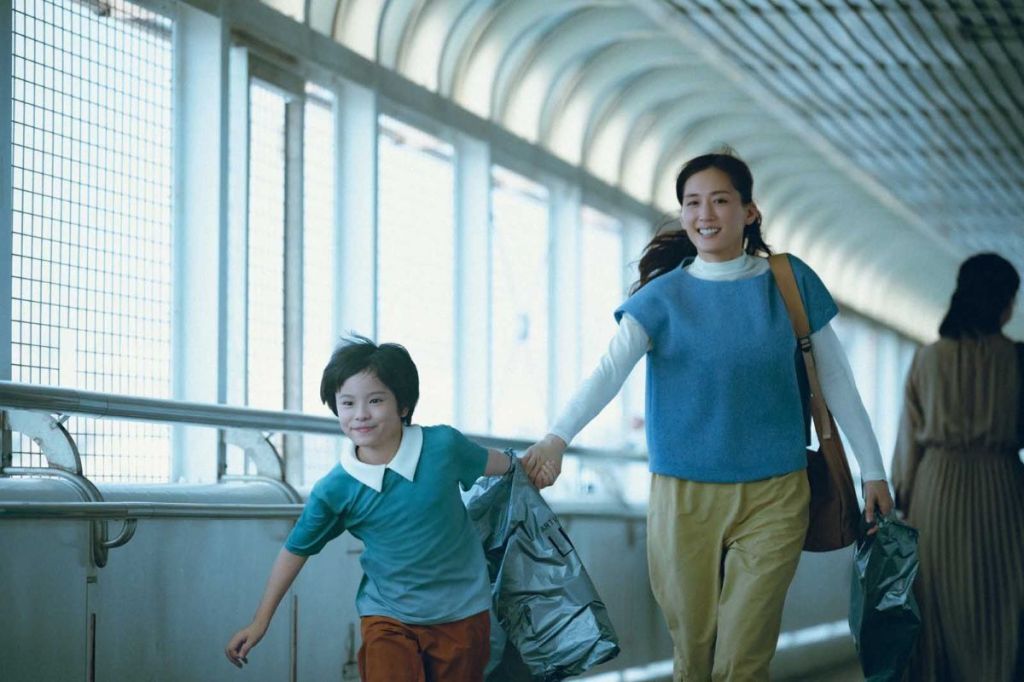
Il dolore del lutto li porta ad accogliere il robot-Kakeru, ma il comportamento dei due è molto differente. Otone reagisce in modo totalmente istintuale: forma subito una simbiosi con l’umanoide, spende ore abbracciata a lui in posizione fetale, vive l’estasi del ricongiungimento verbalizzandolo in una formula rituale: “Sono a casa” – “Bentornato”, ripetuta come un mantra quale massima espressione di felicità. Koreeda si sofferma sulla dimensione sensibile del rapporto – inquadrando mani che si stringono, corpi abbracciati e simmetrici, condivisione degli spazi anche lavorativi. Otone istruisce Kakeru e lo trasforma in una proiezione del sé; il suo ruolo di madre viene ricostruito senza le asperità del mondo reale.
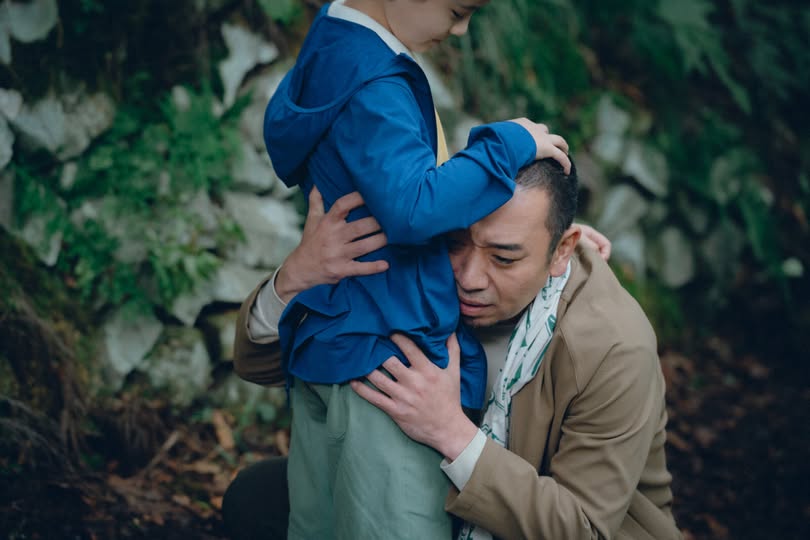
Al contrario, Kensuke oppone un netto rifiuto iniziale, stabilisce un rapporto freddo e disilluso col robot e assume un atteggiamento di non-accoglienza: ma è lo stesso androide a sciogliere la sua resistenza, rievocando una delle abitudini del figlio perduto. Koreeda lavora su dettagli rivelatori, sulla voce e il sorriso del robot, tanto enigmatici da far precipitare Kensuke nel dubbio.
Ed è proprio questo scarto di incertezza a dominare il racconto, che scorre in rivoli e diramazioni, imitando l’esitante fluire dei pensieri umani, l’onda montante delle paure e delle perplessità. Otone e Kensuke oppongono una tremula e spaventata istintualità alla calma digitale e imperscrutabile di Kakeru. A sua volta il robot lascia trapelare un’ombra, una scintilla di volontà e una perplessità nei confronti dei suoi proprietari. L’umanoide diviene una sorta di specchio su cui misurare se stessi: “Pensare all’IA significa pensare all’umanità”, dichiara Koreeda in un’intervista, e Sheep in The Box compie, con incostante levità, una mappatura del comportamento umano contrapposto alla suprema impenetrabilità del robot.
Sheep in The Box intraprende numerosi percorsi abbandonandoli: muta da thriller futuristico a dramma psicanalitico, da retro sci-fi (le riunioni dei bambini-robot ricordano vagamente gli extraterrestri de Il Villaggio dei Dannati) fino ad assumere, nell’ultima parte, connotati da fantasia umanista e progressista sulla scia delle animazioni di Miyazaki. I piccoli umanoidi elaborano una vita alternativa, si ricongiungono a una natura che sono in grado di sentire – come il bellissimo robot pacifista de Il castello nel cielo – e sembrano provare misericordia per un’umanità che dapprima li crea, poi li violenta. La famiglia dei robot accoglie androidi distrutti o abbandonati dai propri genitori, come vediamo in scene di sommessa malinconia, che suscitano il ricordo del melò spielberghiano AI – Intelligenza artificiale.
La lente di Koreeda si posa, con molta delicatezza, sull’instabilità del cuore umano e sui suoi istinti: del resto, anni prima con Air Doll, aveva già affrontato il tema della violenza verso un docile altro da sé. Sheep in The Box allarga la prospettiva al dolore del lutto e all’altro come sostituto dell’oggetto amato. Ma a chi appartengono i morti? Forse, sembra rispondere il film, solo all’immanenza naturale, al sibilo nel tronco di un albero, all’energia di un ruscello che scorre. A quello spirito vitale (forse un’anima?) che, secondo la visione giapponese, è nascosta in tutte le cose, naturali e non; anche in un androide e nei suoi sogni.
Tutti gli articoli sono protetti da copyright: © Marcella Leonardi. Tutti i diritti riservati.
English Version
Otone and Kensuke are going through a profound crisis after the loss of their seven-year-old son, Kakeru. In an attempt to overcome their grief, they turn to a company called REbirth, which provides them with a humanoid robot identical to the child they have lost. While Otone immediately accepts the automaton’s presence, the father is initially sceptical. As time passes, the android begins to develop a consciousness of its own and secretly connects with other robot children.
There is probably nothing objectively critical in claiming that a film such as Sheep in the Box can help us reflect on ourselves, on our thoughts, and on the wavering and contradictory ways in which human beings respond to events. And yet Koreeda’s latest work, with its quiet indefiniteness and its discontinuous, incoherent narrative, aims precisely at a minute observation of human nature, at the irrationality of its reactions when confronted with the mystery of being alive.
For a Western viewer, the experience of the film may certainly prove frustrating: Sheep in the Box has neither the accommodating grace and “touristic” perspective of an exportable work such as Perfect Days, nor the idealistic spirit, tinged with amused exoticism, of Rental Family. Koreeda does nothing to flatter an international audience, instead constructing an anthropologically Japanese fable: a story without any true object, floating and unresolved, in which the contemplation of nature, seemingly slight or insignificant conversations, and emotional composure appear more important than its central subject — humanity’s relationship with artificial intelligence.
And yet it is precisely this constant centrifugal force that draws us towards the film’s philosophical and emotional heart. Koreeda does a wonderful job of showing us the confusion of disoriented individuals, deprived of emotional stability when faced with an artificial replica of the object of their love. The film possesses a kind of naïveté that is really the naïveté of ordinary people: despite its free use of different genres, its nature is exquisitely that of a shōmingeki. The director’s interest lies in the feelings of ordinary people in everyday life.
Otone and Kensuke have recently lost their son Kakeru, much like another couple in recent Japanese cinema in Kōji Fukada’s Love Life. Faced with the possibility of having a robotic simulacrum of their child returned to them, they initially hesitate, but are persuaded, with a certain degree of shock, by the realism of the product. “Did you realise he was a humanoid?” “No, not at all,” the couple remark after casually meeting another robot child.
Their grief leads them to accept robot-Kakeru, but their responses are very different. Otone reacts entirely on instinct: she immediately forms a symbiotic bond with the humanoid, spends hours curled up with him in a foetal position, and experiences the ecstasy of reunion by giving it voice through a ritual formula: “I’m home” — “Welcome back”, repeated like a mantra as the highest expression of happiness. Koreeda dwells on the sensory dimension of their relationship — filming hands clasping, bodies embracing in symmetrical positions, and the sharing of spaces, including the workplace. Otone instructs Kakeru and turns him into a projection of herself; her role as a mother is reconstructed without the harshness of the real world.
Kensuke, by contrast, initially rejects him outright, maintaining a cold and disenchanted relationship with the robot and adopting an attitude of non-acceptance. Yet it is the android himself who gradually breaks down his resistance by recalling one of the habits of the son he has lost. Koreeda works through revealing details, through the robot’s voice and smile, enigmatic enough to plunge Kensuke into doubt.
It is precisely this gap of uncertainty that dominates the story, which flows into streams and digressions, imitating the hesitant movement of human thought, the rising tide of fears and doubts. Otone and Kensuke oppose a trembling, frightened instinctiveness to Kakeru’s digital and inscrutable calm. The robot, in turn, allows a shadow to surface, a spark of will and a sense of perplexity towards his owners. The humanoid becomes a kind of mirror in which human beings can measure themselves: “Thinking about AI means thinking about humanity,” Koreeda says in an interview, and Sheep in the Box, with an uneven lightness of touch, maps human behaviour against the robot’s supreme impenetrability.
Sheep in the Box embarks on numerous paths only to abandon them: it shifts from futuristic thriller to psychoanalytic drama, from retro sci-fi — the gatherings of robot children vaguely recall the alien children of Village of the Damned — before eventually taking on the qualities of a humanist and progressive fantasy in the tradition of Miyazaki’s animation. The little humanoids create an alternative life for themselves, reconnecting with a natural world they are capable of sensing — like the beautiful pacifist robot in Castle in the Sky — and seem to feel compassion for a humanity that first creates them and then violates them. The robot family takes in androids who have been destroyed or abandoned by their parents, in scenes of subdued melancholy that recall Spielberg’s melodrama A.I. Artificial Intelligence.
With great delicacy, Koreeda’s gaze settles on the instability of the human heart and its instincts: after all, years earlier, with Air Doll, he had already explored the theme of violence towards a docile Other. Sheep in the Box broadens that perspective to encompass the pain of bereavement and the Other as a substitute for the object of love. But to whom do the dead belong? Perhaps, the film seems to answer, only to the immanence of nature, to the whisper inside the trunk of a tree, to the energy of a flowing stream. To that vital spirit — perhaps a soul? — which, according to the Japanese worldview, lies hidden within all things, natural and artificial alike; even within an android and its dreams.
All articles are protected by copyright: © Marcella Leonardi. All rights reserved.










 Nubi Fluttuanti
Lascia un commento