
Imamura 100 (1926-2026)
[English version below]
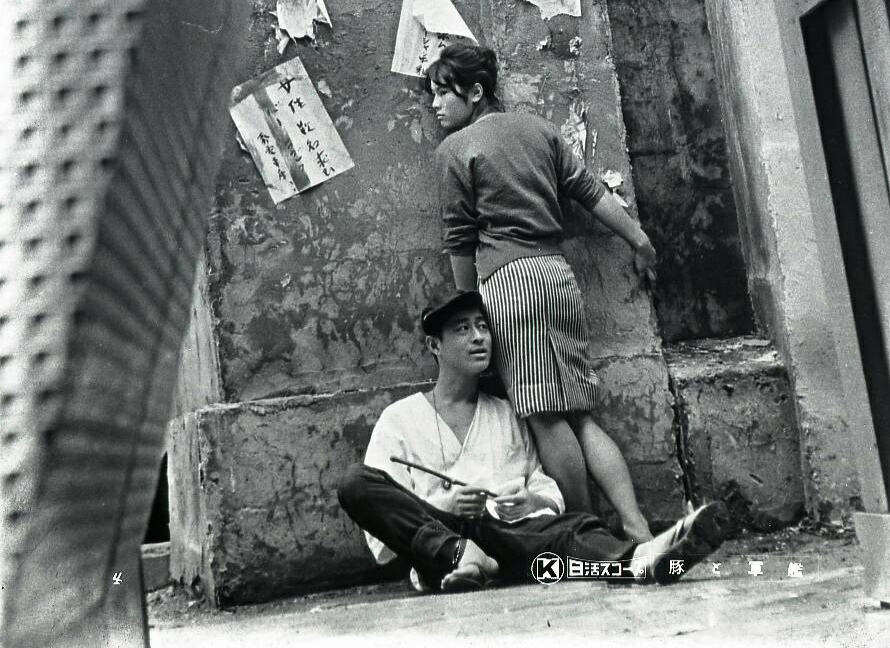
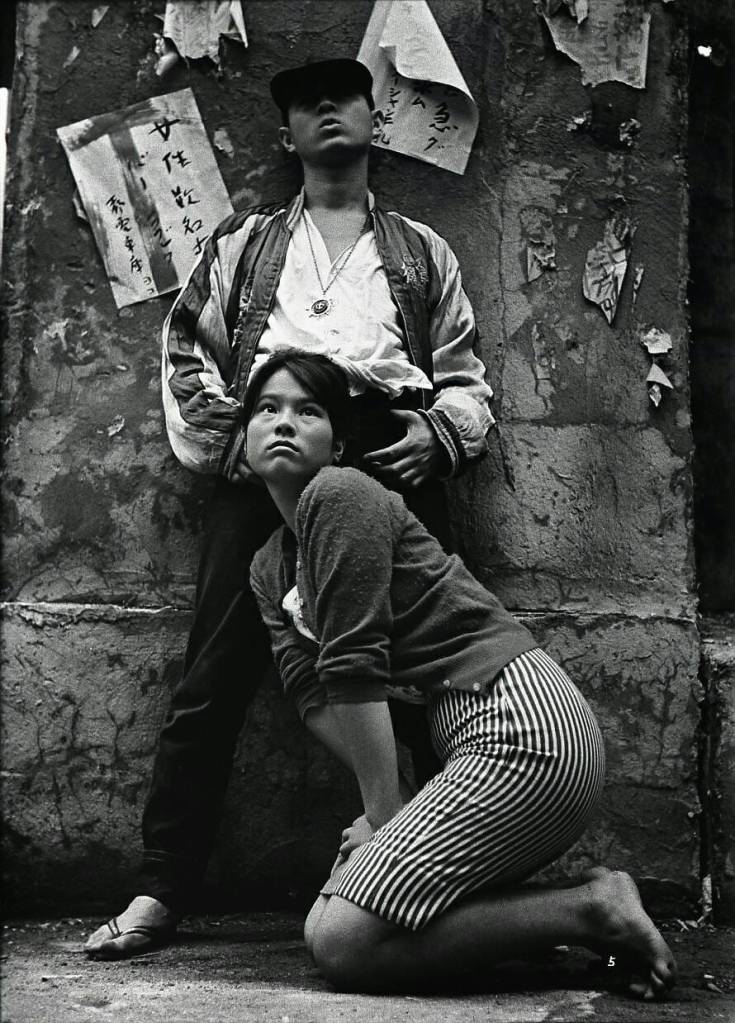
Nella città portuale di Yokosuka, sede di una base militare americana dopo la seconda guerra mondiale, il giovane delinquente Kinta lavora per la yakuza nel losco business dell’allevamento illegale di maiali. Mentre Kinta cerca di fare soldi facili, la sua ragazza, Haruko, cerca disperatamente di convincerlo a lasciare la vita criminale e a fuggire da una città dominata dalla prostituzione, dal mercato nero e dal degrado morale. La situazione precipita quando la yakuza tenta di truffare i propri soci, scatenando il caos totale.
Nel 1961 Imamura era un giovane autore incendiario giunto al suo quinto film. Gli anni trascorsi come assistente alla regia di Ozu avevano lasciato in lui il desiderio di un cinema “disordinato”, sporco, che si concentrasse sulle “parti basse” della società – poveri, operai, emarginati e criminali. E occorre ricordare come in quegli anni i grandi studios supportassero le nuove correnti cinematografiche spregiudicate e contestatrici, nel tentativo di svecchiare l’industria. Prodotta dalla Nikkatsu, Pigs and Battleships è un’opera insieme corale e individuale: il ritratto d’una società sghemba e istintuale, osservata entomologicamente nel suo irriducibile vitalismo; ma anche una fotografia della soggettività pulsionale dei due giovani protagonisti, il malvivente sprovveduto Kinta e la sua ragazza Haruko, costretta dalla famiglia a prostituirsi agli americani.
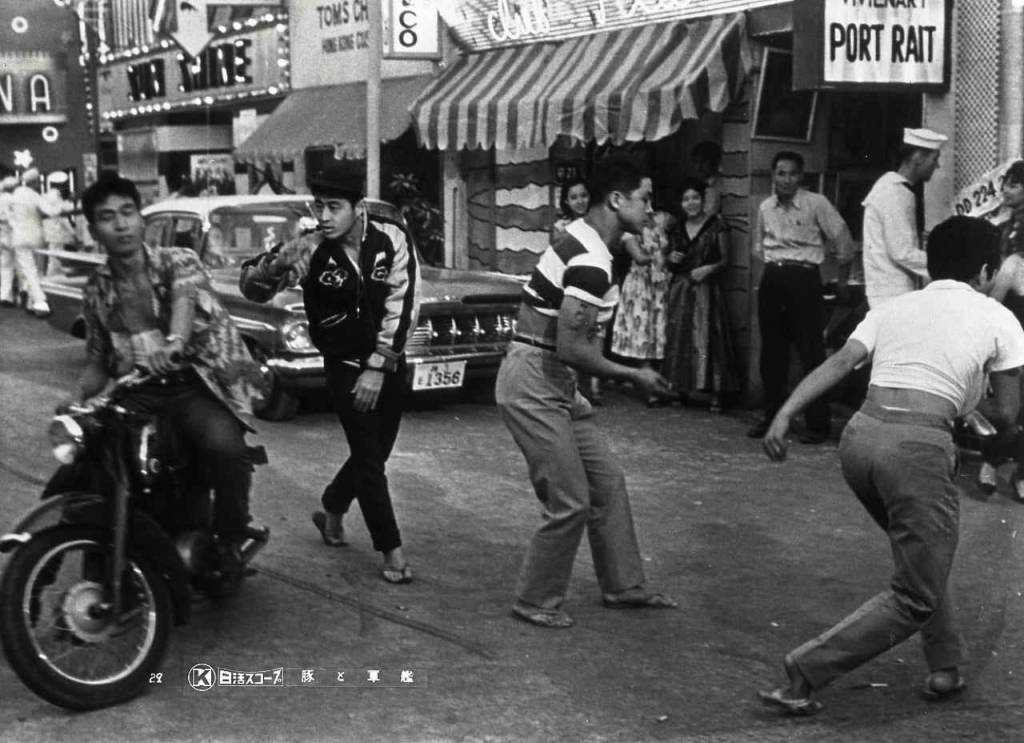
Imamura muove la macchina da presa in modo convulso ma con precisione, come dimostra in apertura: l’inquadratura delle corazzate americane nel porto dà il via a un piano sequenza, macchina a mano, che discende nel budello della città. Un’ellissi temporale immerge il paesaggio urbano nella lascivia della vita notturna, tra vicoli sporchi, luci al neon intermittenti e il suono dello swing che proviene da scadenti bar e club. I marciapiedi sono invasi da una folla che Imamura compone e stratifica in profondità: nelle parole del regista le comparse “non sono mai abbastanza”, e marinai, polizia, prostitute e piccoli criminali entrano ed escono di scena in un flusso senza fine.
In questo caos perfettamente organizzato (è possibile riconoscere, nel disordine, le linee di forza che strutturano la composizione) sembra scorrere un immaginario cinematografico multiforme e contraddittorio. Il gusto grafico di Ozu è ben presente, nonostante le dichiarate “resistenze” di Imamura; ma la compostezza classica esplode in un universo saturo e in movimento. La presenza americana viene registrata come il germe estraneo che corrompe il corpo collettivo, generando prostituzione, traffici illeciti e un generale sfruttamento dell’essere umano. I personaggi sono ammassati tra locali e quartieri: Imamura li precede e li osserva. Il suo sguardo rivela l’influenza del cinema di Hollywood (come l’azione, il ritmo e le perversioni dei protagonisti di Raoul Walsh) in una contaminazione di ricordi e generi.
La sequenza del bordello ha molte affinità, secondo il parere di chi scrive, con la scena negli scompartimenti del treno di Some Like It Hot (1959, Billy Wilder), con le ragazze inquadrate a pezzi, le gambe che penzolano dai letti a castello, i corpi appiccicati tra loro.
È interessante notare come nel film emerga un’idea di una donna forte e volitiva: le prostitute delle prime scene, e successivamente la figura di Haruko, rifiutano di abbandonarsi passivamente al destino, protestano vigorosamente contro l’ipocrisia della polizia – che prima sfrutta le ragazze, poi le arresta – e lamentano di non poter sostenere i propri uomini in una situazione miserabile di cui il governo e la stessa società sono complici.
In un microcosmo in cui nessuno è immune da disfacimento morale, Imamura mostra con lucidità il legame tra famiglie e malavita. L’istituzione familiare non è più la cellula sociale sana e luminosa, come nel cinema shōmin-geki più rassicurante, ma un nucleo primario già irrimediabilmente guasto. Haruko è costantemente avviluppata in un contesto di amoralità, sia nel bar dove lavora sia a casa, dove sua madre e sua sorella, prive di scrupoli, tentano di spingerla a diventare l’amante di un ricco americano per poterla sfruttare. In un certo senso Imamura sviluppa l’intuizione di Naruse (e della scrittrice Fumiko Hayashi) in Lightning (1952), in cui la protagonista Kiyoko sfuggiva a un’analoga trappola familiare che la voleva sposata al laido fornaio Tsunachiki. Haruko porta alle estreme conseguenze l’istinto alla libertà di Kiyoko e il suo disprezzo dei membri della famiglia; è un’anti-eroina che rifiuta apertamente il sacrificio e persegue il proprio desiderio soggettivo, sia sociale che sessuale.
Nell’apparente distacco con cui affronta l’aborto, Haruko rivela anche l’ombra di un martirio: la scena è agghiacciante, i dettagli degli strumenti chirurgici incombono in primissimo piano, mentre i personaggi maschili affrontano l’evento come se fosse un’incombenza quotidiana, con il medico che fuma nel sordido ambulatorio.
Eppure Haruko conserva intatti i suoi sentimenti e le pulsioni per Kinta. Nelle scene in cui la ragazza consuma l’amore con lui, Imamura la mostra abbandonata a un istinto animalesco: i due si abbracciano in una baracca, tra i topi, mentre il padre di Kinta dorme ubriaco poco distante. Il regista scompone l’angusto contesto spaziale per creare una compresenza e adiacenza di sesso, istinti, sporcizia. Le prospettive, mediante focali corte (secondo l’insegnamento del maestro di Imamura, Yūzō Kawashima) sono innaturalmente profonde, mentre le figure umane in primo piano appaiono grottescamente ingrandite, spesso inquadrate parzialmente dalla vita in giù, assecondando quell’attenzione genitale tipica di Imamura.
Paradossalmente, anche in mezzo a tutto il degrado, la storia dei due giovani si rivela a suo modo romantica, per quanto immatura. Kinta è, in particolare, un carattere dagli evidenti tratti infantili o comici, un perdente di balorda e testarda ingenuità. Ed è proprio attraverso la distanza del comico che Imamura impedisce allo spettatore una possibile identificazione. In diverse occasioni il regista ha dichiarato di voler mantenere un distacco tra pubblico e personaggi, evitando così il rischio della partecipazione sentimentale. Questa visione moderna si inserisce nel dibattito cinematografico internazionale dell’epoca sulla rappresentazione; e non c’è dubbio che Pigs and Battleships costituisca un esempio radicale e originale di questo rinnovamento.
Lo stile spezzato, l’uso libero dello spazio e del ritmo appartengono tuttora ai linguaggi contemporanei; e alcune scene si imprimono nella mente, come la sperimentale sequenza dello stupro di Haruko da parte dei militari americani, in cui gli effetti vorticosi, gli stacchi, i plongée creano un frullatore impazzito che rappresenta il vero punto di svolta del film. Quando vediamo gli americani correre nudi per le strade abbiamo un’anticipazione del climax che accadrà dopo: allegoricamente, gli statunitensi sono, forse, i veri “porci” che invadono i quartieri.
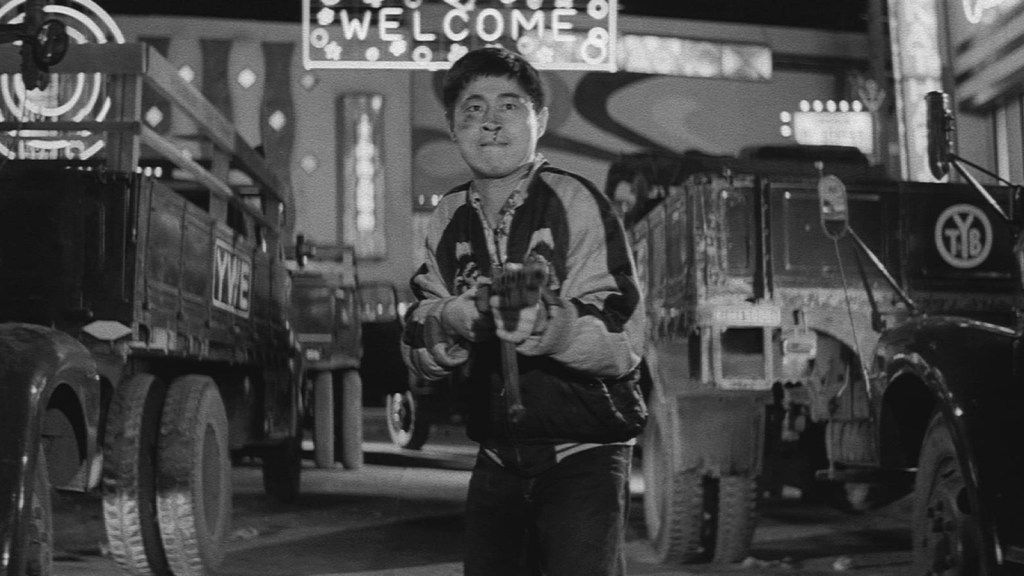
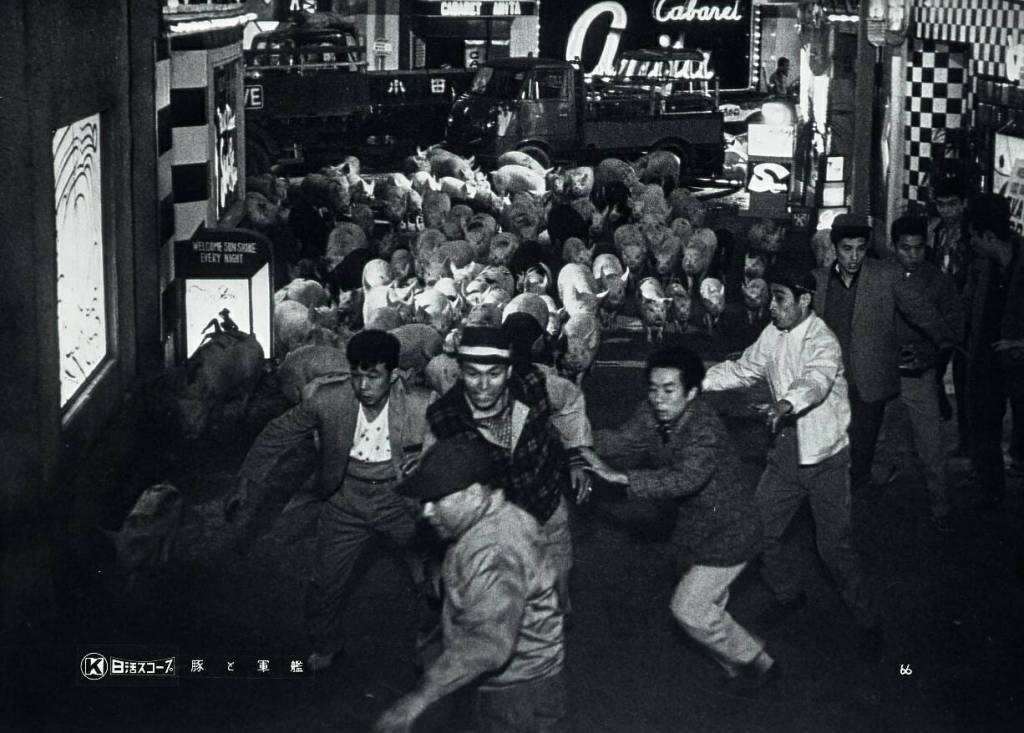
La conclusione, celeberrima, con centinaia di maiali che corrono nella città portuale divorando i disgraziati yakuza, diventa una commedia parossistica slapstick: il mitragliatore di Kinta che non spara, le gag fisiche dei gangster in fuga, la scritta lampeggiante Welcome che risplende ovunque: un manifesto di un Giappone brutale e auto-divorante, ben diverso dall’immagine ufficiale che voleva trasmettere agli altri paesi.
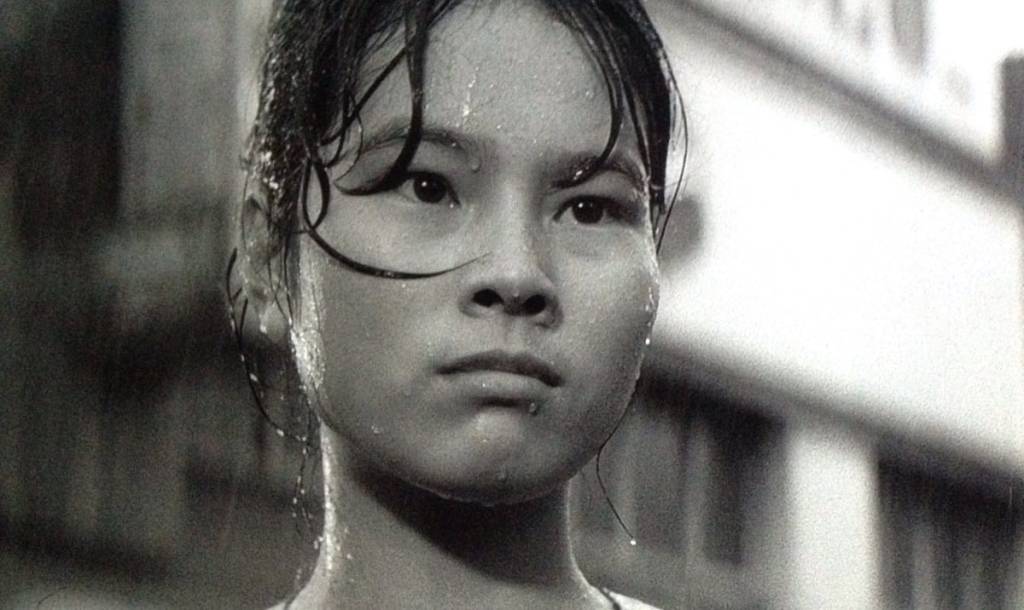
Imamura chiude con una bellissima immagine di resistenza femminile – Haruko che si toglie il rossetto, con un dettaglio delle labbra: tra le cose ideologicamente, ma anche poeticamente, più Nouvelle Vague mai girate.
Tutti gli articoli sono protetti da copyright: © Marcella Leonardi. Tutti i diritti riservati.
English Version
In the port city of Yokosuka, home to an American military base after the Second World War, young delinquent Kinta works for the yakuza in the shady business of illegally raising pigs. While Kinta tries to make easy money, his girlfriend Haruko desperately tries to persuade him to leave his criminal life behind and flee a city dominated by prostitution, the black market, and moral decay. The situation spirals out of control when the yakuza attempt to cheat their own associates, unleashing total chaos.
In 1961, Imamura was a young, incendiary filmmaker making his fifth film. His years as an assistant director to Ozu had left him with a desire for a “disorderly,” dirty cinema that would focus on the “lower parts” of society – poor people, workers, outcasts, and criminals. It is also worth remembering that at the time the major studios were supporting bold, provocative new cinematic currents in an attempt to rejuvenate the industry. Produced by Nikkatsu, Pigs and Battleships is at once a collective and an individual work: a portrait of a crooked, instinct-driven society, observed almost entomologically in its irreducible vitality; but also a portrait of the two young protagonists’ pulsional subjectivity – the inept young hoodlum Kinta and his girlfriend Haruko, forced by her family into prostitution for American servicemen.
Imamura moves the camera convulsively yet with precision, as the opening demonstrates: the shot of the American battleships in the harbor sets a handheld tracking shot in motion, descending into the city’s narrow, claustrophobic streets. A temporal ellipsis plunges the urban landscape into the lustfulness of nightlife, amid dirty alleyways, flickering neon lights, and the sound of swing drifting out of cheap bars and clubs. The sidewalks are swarming with people, whom Imamura composes and layers in depth: in the director’s own words, there are never “enough extras,” and sailors, police officers, prostitutes, and petty criminals constantly enter and leave the frame in an endless flow.
Within this perfectly organized chaos – it is possible to recognize, beneath the disorder, the lines of force structuring the composition – a multifaceted and contradictory cinematic imagination seems to be unfolding. Ozu’s graphic sensibility is unmistakably present, despite Imamura’s declared “resistance” to it; but classical composure explodes into a saturated, constantly moving universe. The American presence is registered as a foreign germ corrupting the collective body, generating prostitution, illicit trafficking, and a general exploitation of human beings. The characters are crammed into bars and neighborhoods: Imamura gets ahead of them and watches. His gaze reveals the influence of Hollywood cinema – particularly the action, rhythm, and perversity of Raoul Walsh’s protagonists – in a contamination of memories and genres.
The brothel sequence bears, in my view, striking affinities with the train-compartment scene in Some Like It Hot (1959, Billy Wilder): the girls filmed in fragments, legs dangling from bunk beds, bodies pressed against one another.
It is interesting to note how the film develops an idea of a strong and willful woman: the prostitutes in the opening scenes, and later Haruko herself, refuse to passively surrender to their fate. They vehemently protest against the hypocrisy of the police – who exploit the girls and then arrest them – and complain that they are unable to support their men in a miserable situation for which the government and society itself are complicit.
In a microcosm where no one is immune to moral decay, Imamura lucidly exposes the connection between family and organized crime. The family institution is no longer the healthy, luminous social cell found in the more reassuring shōmin-geki, but a primary unit already irredeemably corrupted. Haruko is constantly surrounded by a context of amorality, both in the bar where she works and at home, where her unscrupulous mother and sister try to push her into becoming the mistress of a wealthy American so that they can exploit her. In a sense, Imamura develops an intuition already present in Naruse (and in the writer Fumiko Hayashi) in Lightning (1952), in which the protagonist Kiyoko escapes a similar family trap that seeks to marry her off to the sleazy baker Tsunachiki. Haruko takes Kiyoko’s instinct for freedom and her contempt for her family to their extreme consequences; she is an anti-heroine who openly rejects self-sacrifice and pursues her own subjective desires, both social and sexual.
Even in the apparent detachment with which she faces her abortion, Haruko reveals the shadow of martyrdom: the scene is chilling, with the surgical instruments looming in extreme close-up, while the male characters treat the event as though it were an everyday chore, the doctor smoking in the squalid clinic.
And yet Haruko retains her feelings and desire for Kinta intact. In the scenes in which the girl makes love with him, Imamura presents her as surrendering to an animalistic instinct: the two embrace in a shack among rats, while Kinta’s father lies drunk nearby. The director breaks down the cramped spatial setting to create a simultaneous presence and adjacency of sex, instinct, and filth. The perspectives, using wide-angle lenses – following the teaching of Imamura’s mentor Yūzō Kawashima – are unnaturally deep, while human figures in the foreground appear grotesquely enlarged, often framed only from the waist down, indulging in the distinctly genital focus characteristic of Imamura.
Paradoxically, even amid all this degradation, the story of the two young people proves romantic in its own way, however immature. Kinta in particular is a character with distinctly childish and comic traits, a loser of foolish, stubborn naivety. And it is precisely through the distance created by comedy that Imamura prevents the viewer from identifying with him. On several occasions, the director stated that he wanted to maintain a distance between the audience and his characters, thereby avoiding the risk of emotional participation. This modern vision forms part of the international cinematic debate of the period surrounding representation; and there is no doubt that Pigs and Battleships is a radical and original example of this renewal.
The fractured style, the free use of space and rhythm still belong to contemporary cinematic language; and certain scenes remain etched in the mind, such as the experimental sequence in which Haruko is raped by American servicemen. Its dizzying effects, abrupt cuts, and high-angle shots create a kind of deranged blender that marks the film’s true turning point. When we see the Americans running naked through the streets, we are given a foretaste of the climax to come: allegorically, the Americans are perhaps the real “pigs” invading the neighborhoods.
The celebrated conclusion, with hundreds of pigs running through the port city and devouring the wretched yakuza, becomes a paroxysmal slapstick comedy: Kinta’s machine gun refusing to fire, the physical gags of the fleeing gangsters, the flashing Welcome sign glowing everywhere – a manifesto of a brutal, self-devouring Japan, far removed from the official image it sought to project to other countries.
Imamura closes with a beautiful image of female resistance: Haruko wipes the lipstick from her lips, in a close-up of her mouth. It is, both ideologically and poetically, one of the most Nouvelle Vague moments ever filmed.
All articles are protected by copyright: © Marcella Leonardi. All rights reserved.











Lascia un commento