
[English version below]
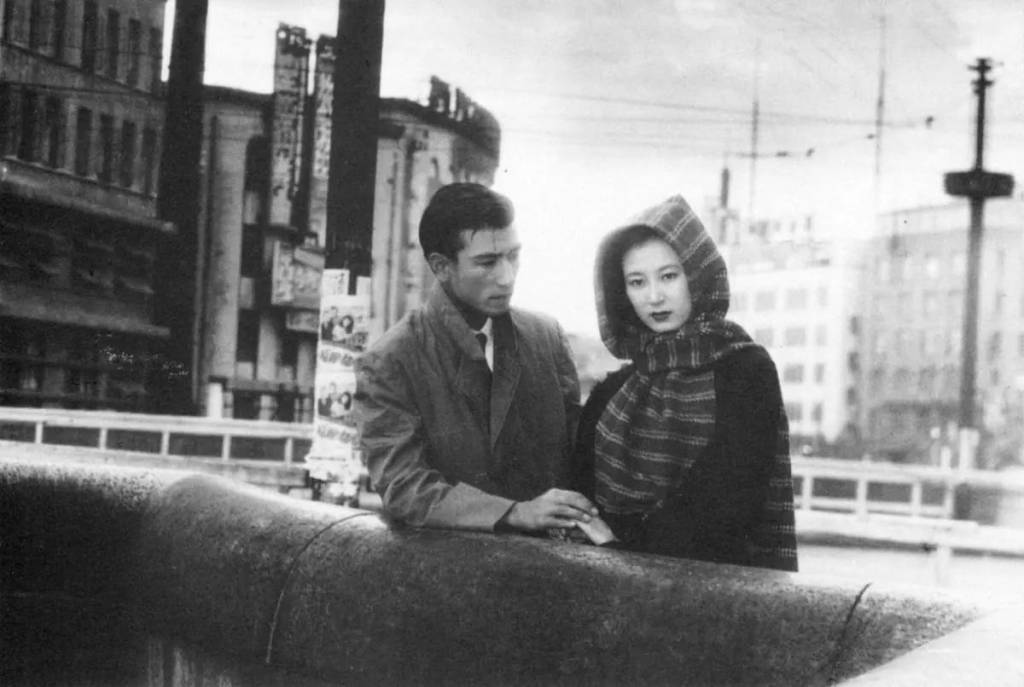
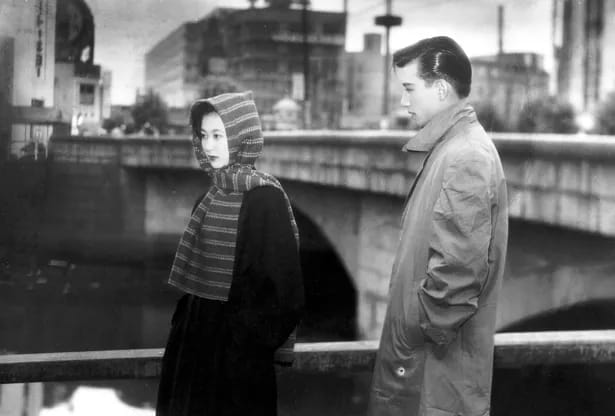
Durante un violento bombardamento su Tokyo nel marzo del 1945, i destini della giovane Machiko e del soldato Haruki si incrociano per la prima volta. Rimasti bloccati insieme durante la notte, i due si innamorano e il mattino seguente, sul ponte Sukiyabashi a Ginza, sono costretti a separarsi senza nemmeno conoscere i propri nomi, ma promettono di rivedersi sei mesi dopo.
Allo scadere del tempo, Haruki si presenta all’appuntamento sul ponte mentre Machiko è impossibilitata a raggiungerlo. Da quel momento inizia una lunghissima e drammatica odissea sentimentale: Machiko si sposa infelicemente con Hamaguchi, ma i due innamorati continuano a cercarsi, sfiorarsi e perdersi per anni, ostacolati dalla sfortuna.
La storia del cinema ci tramanda quasi esclusivamente i capolavori consacrati dalla critica, ma tende a dimenticare o reputare marginali le opere che appartengono alla storia popolare: consumate avidamente da ogni strato sociale, sognate e rievocate nella memoria, e in grado di influire sulla vita quotidiana del paese disegnandone l’immaginario.
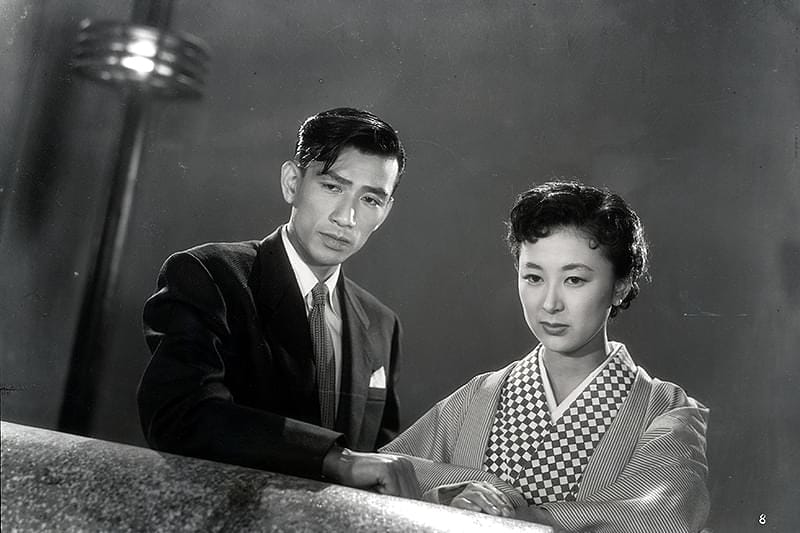
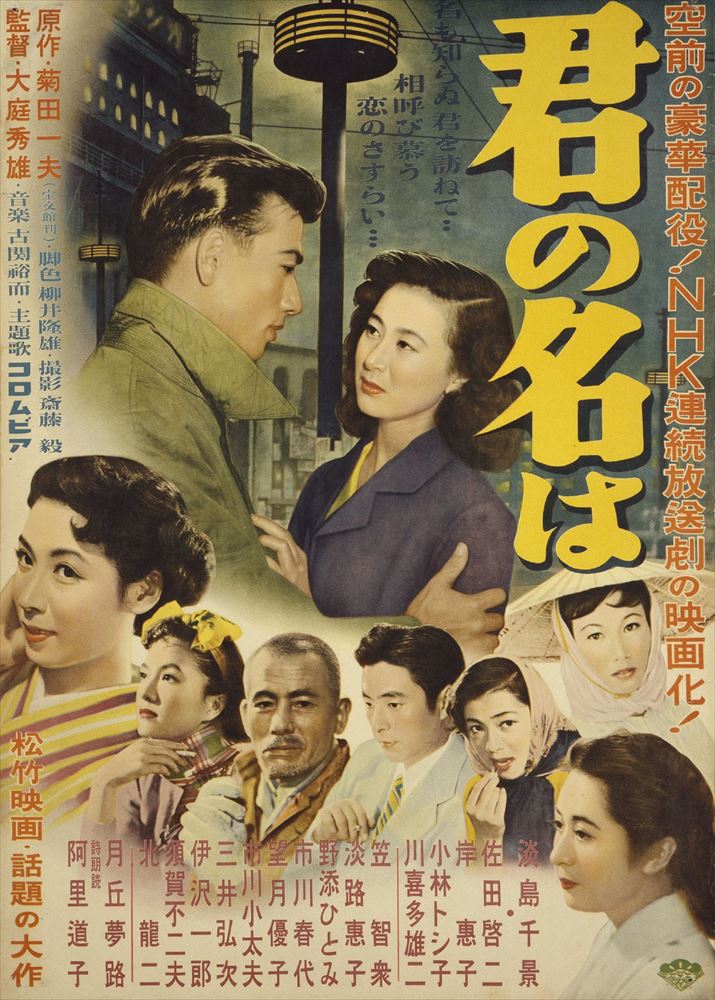
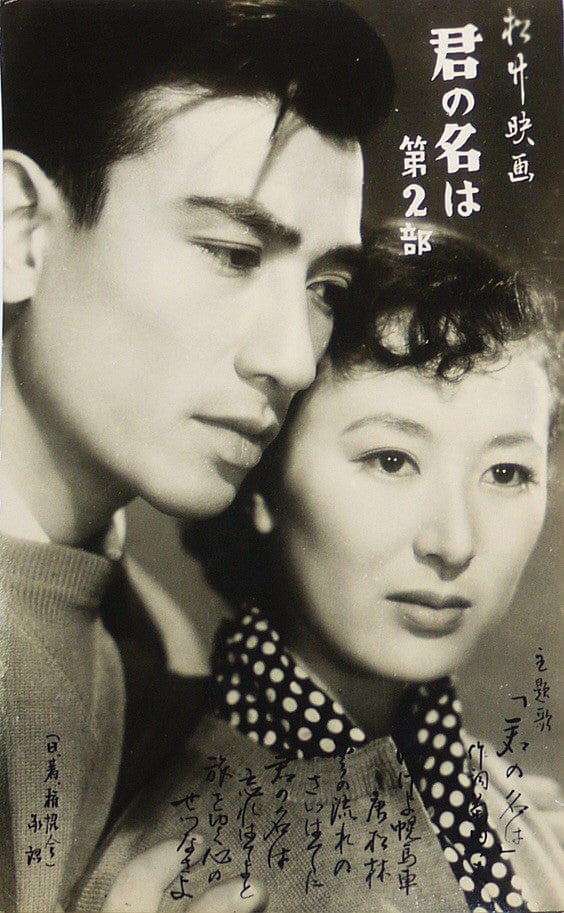
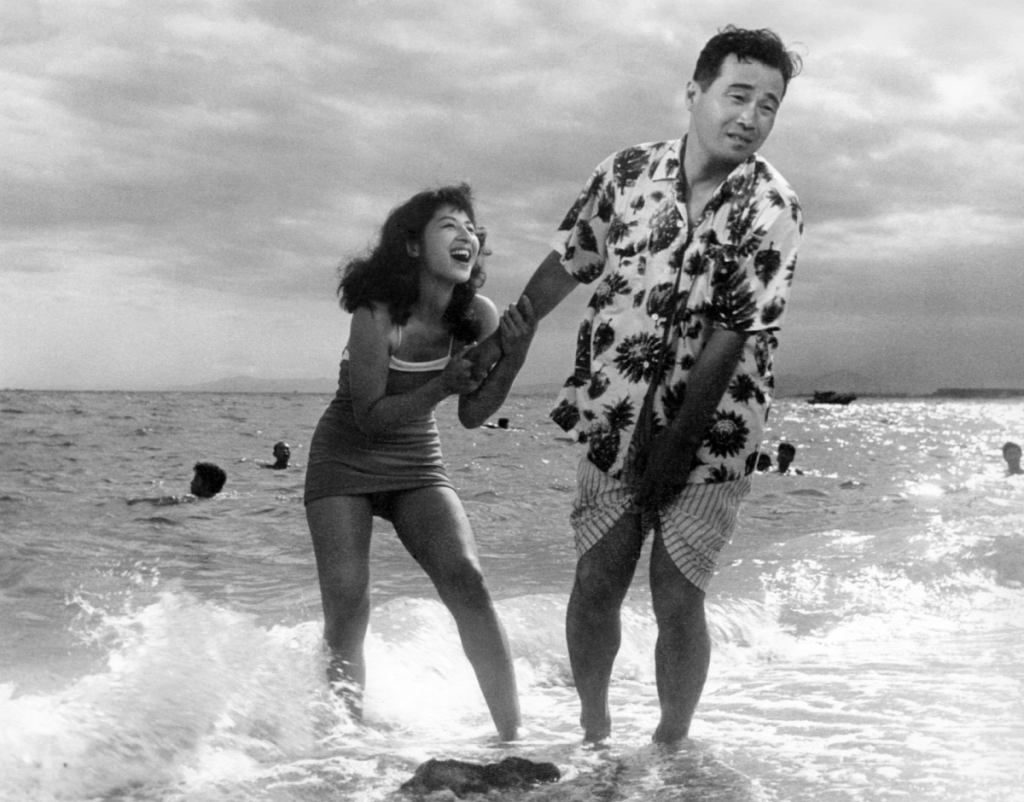
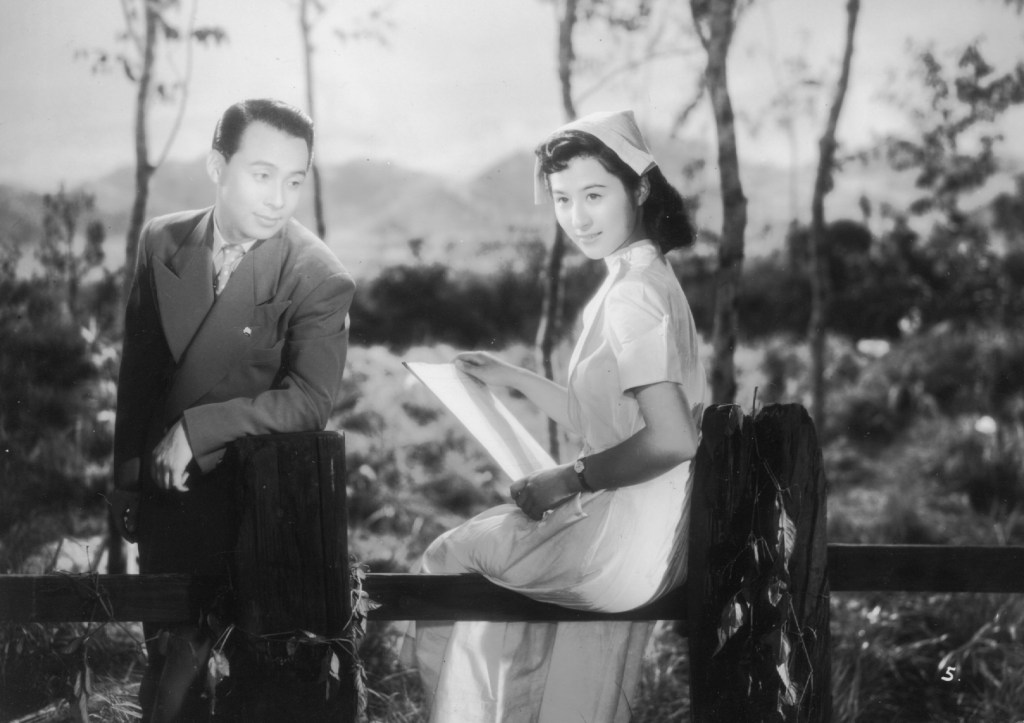
Quando la trilogia What is your name? (1953-54) uscì nelle sale a seguito dell’omonimo e seguitissimo radiodramma, la risposta fu enorme. Shochiku mise in campo i suoi più grandi attori: dalla nuova diva Keiko Kishi al “James Dean del Giappone” Keiji Sada, dagli attori del “team Ozu” Chishū Ryū e Chikage Awashima alla presenza inquieta di Yumeji Tsukioka, futura attrice per The Eternal Breasts di Kinuyo Tanaka, fino a Toshiko Kobayashi, co-protagonista, assieme a Hideko Takamine, del magnifico e folle dittico di Carmen diretto da Kinoshita. Accompagnato da volti amati e familiari, il pubblico seguì con trepidazione questa vicenda di un amore meraviglioso che attraversa una vita intera, costellandola di speranze, disillusioni, lacrime e rinuncia nel Giappone del dopoguerra.
Il film viene concepito come trilogia della durata di più di sei ore, che il regista gira rapidamente, riutilizzando set, dilatando scene e situazioni e adottando una struttura narrativa che anticipa molti meccanismi della serialità moderna, in cui sospensioni, salti temporali tra passato e presente, ritorni rivelatori strutturano una narrazione a incastro che lascia lo spettatore in una costante suspense emotiva.
In un Giappone ancora scosso dalla tragedia bellica e sopravvissuto alle macerie, la storia di Machiko e Haruki e dei personaggi minori – giovani costrette alla prostituzione, ma anche ex militari ridotti alla fame, vedove in povertà, ragazze obbligate a infelici matrimoni combinati e rese passive da una società conservatrice – risuona dolorosamente nel pubblico, che si identifica e si appassiona. Kimi no nawa parla alla gente comune, ne ripercorre il recente passato e il dramma della ricostruzione. L’intero paese si ferma in un sospiro all’unisono di fronte ai tortuosi andirivieni temporali e ai racconti paralleli presenti nei tre episodi, resi ancora più struggenti dall’accompagnamento di canzoni celebri, secondo la tradizione del kayō eiga.
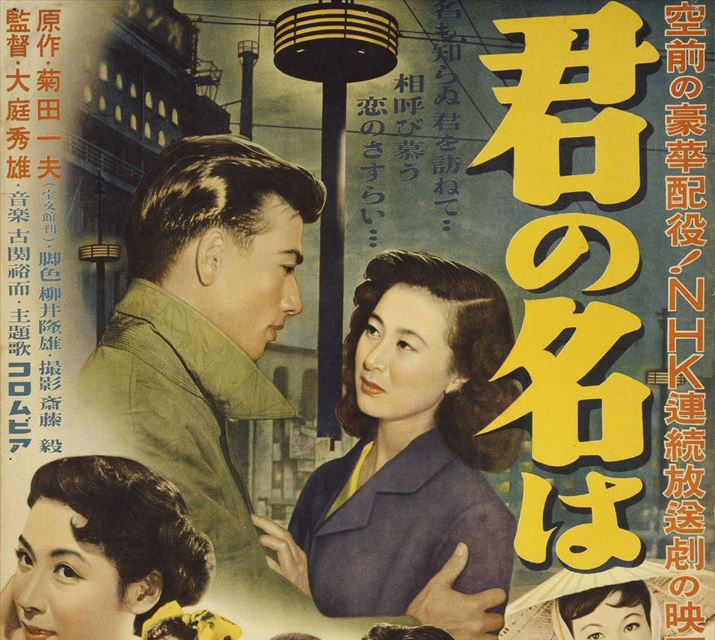
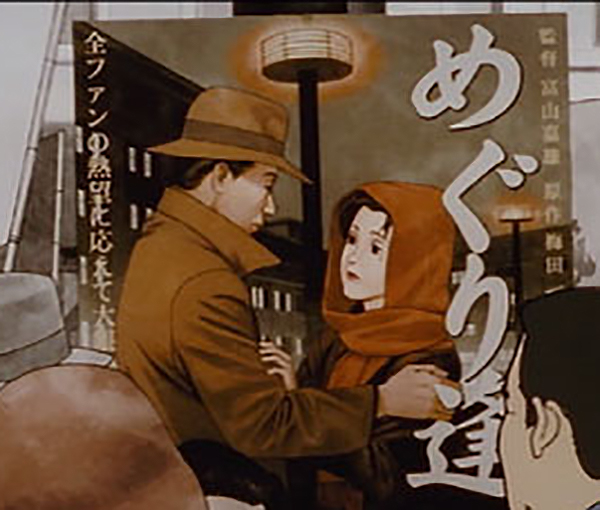
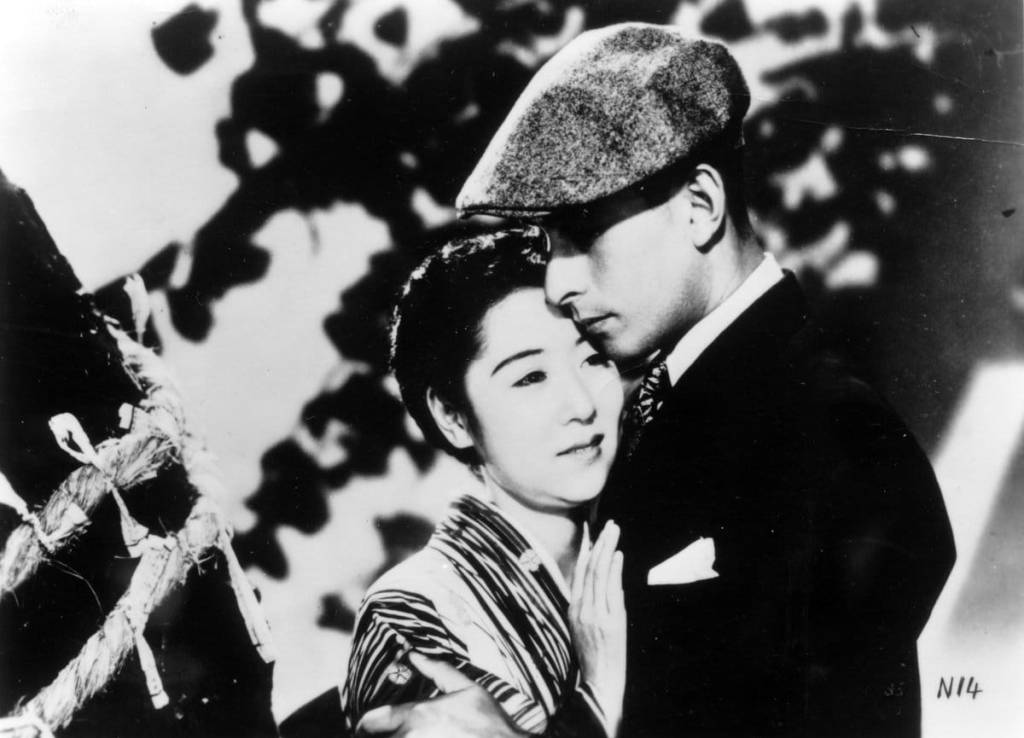
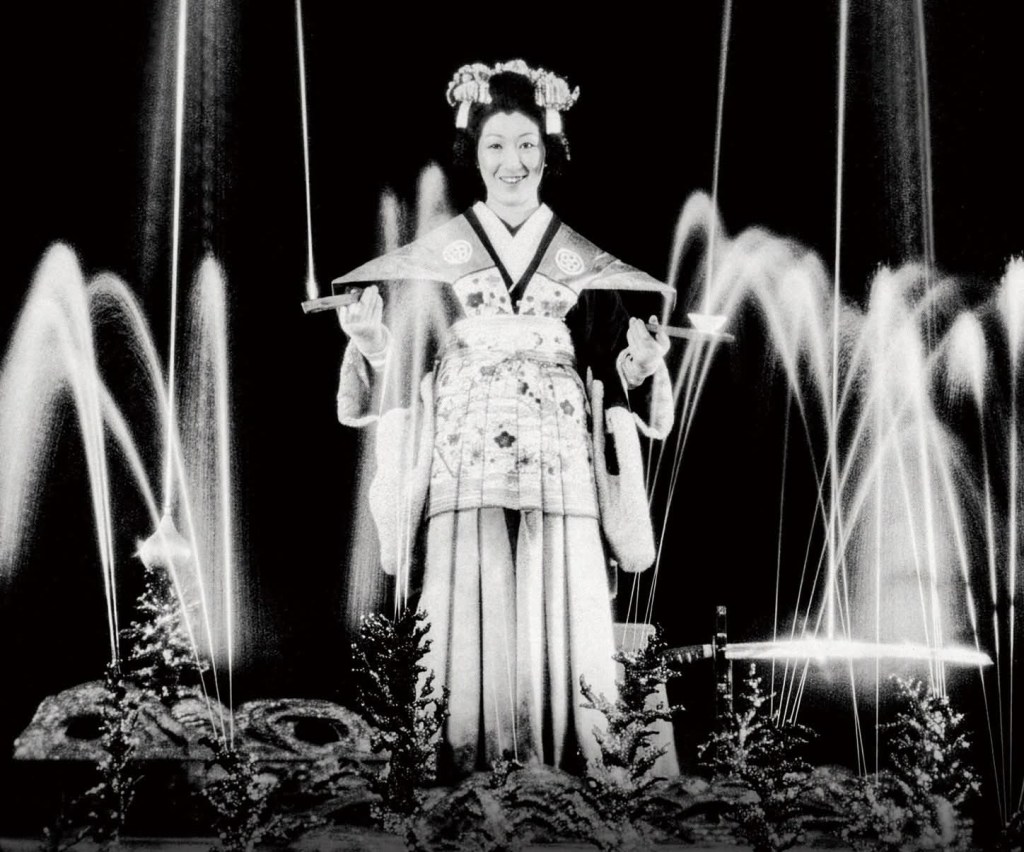
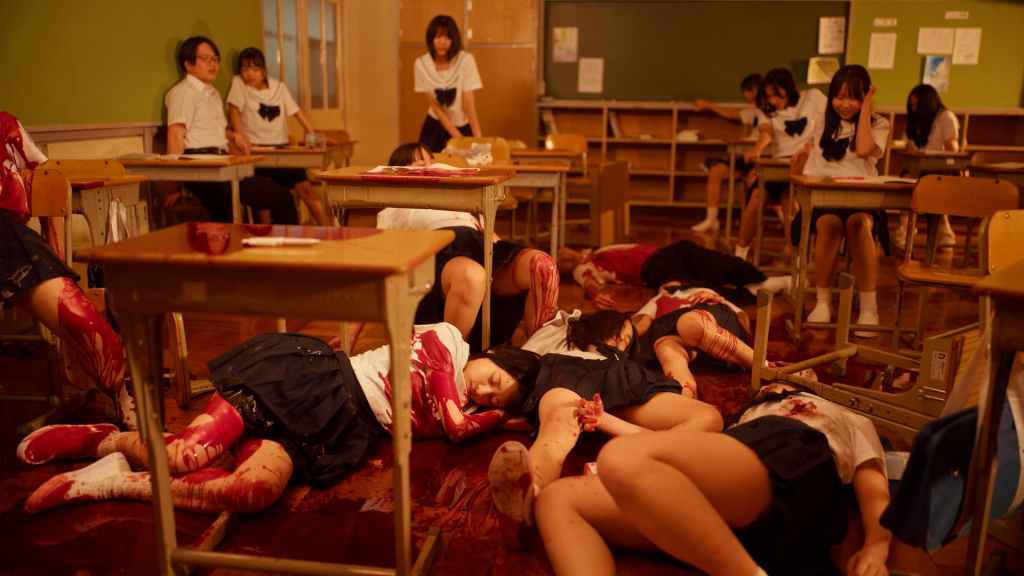
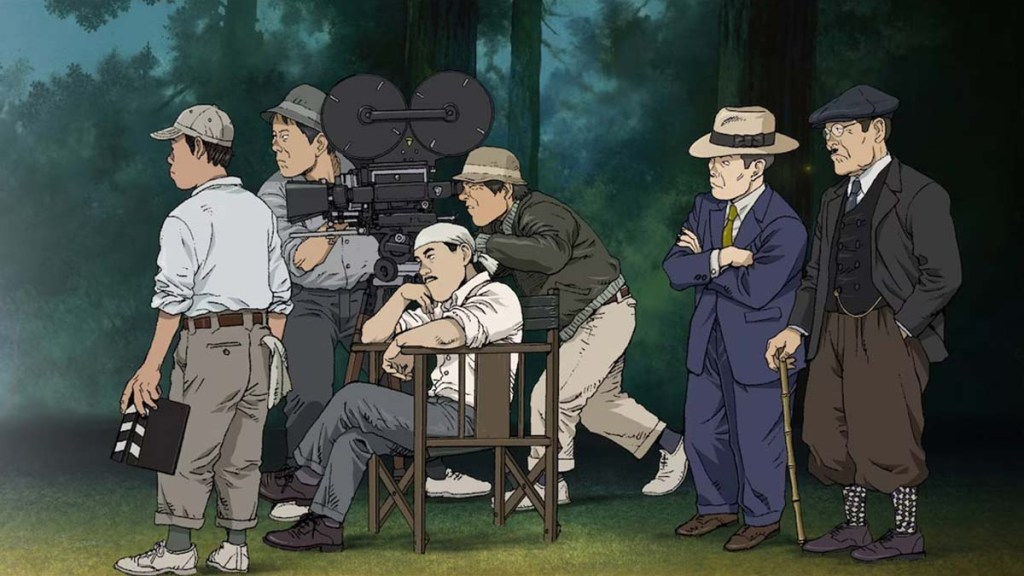
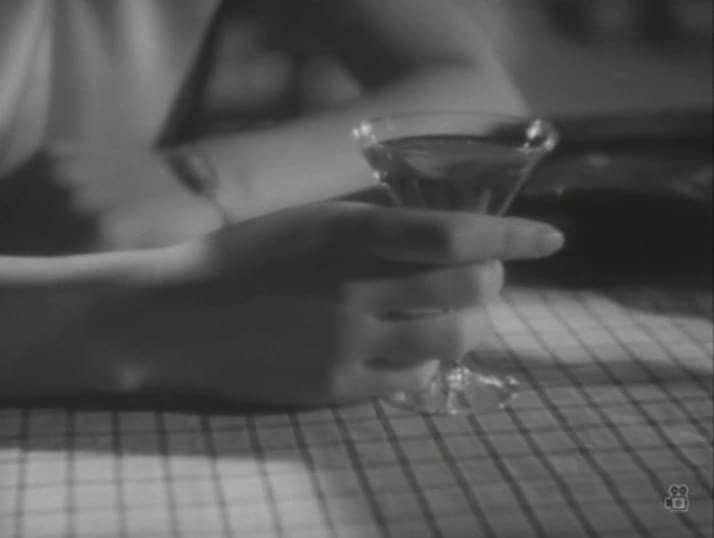
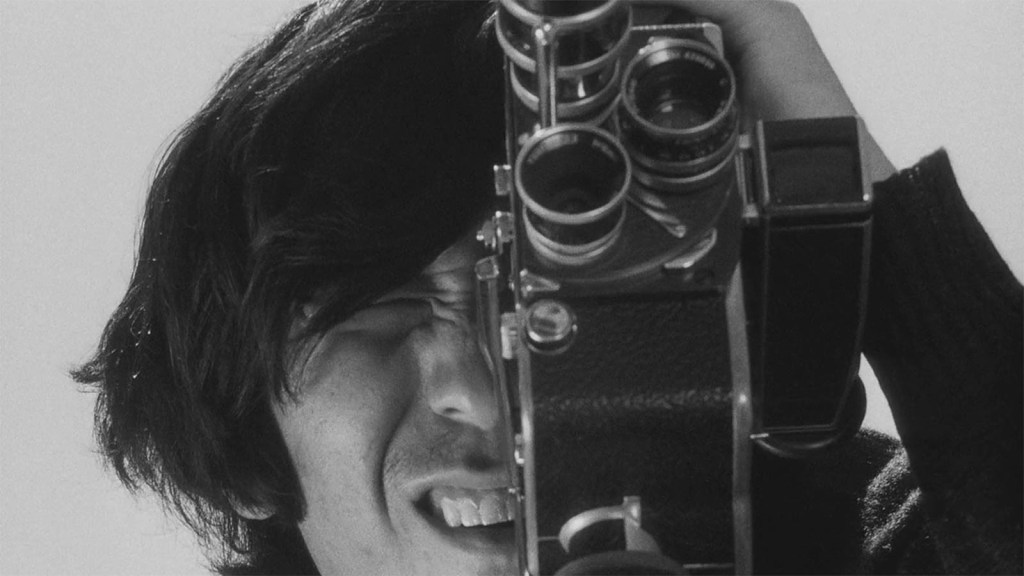
What is your name?, in particolare, stabilisce le coordinate del genere surechigai (o “degli incontri mancati”) destinato a diventare uno dei grandi archetipi dell’immaginario giapponese, che lo rielabora in una serie infinita di variazioni fino ai giorni nostri. Il film mette a fuoco figure destinate al sacrificio, immolate alla nazione o ai doveri familiari, la cui esistenza diventa sopportabile grazie all’idea di un amore supremo e ideale costantemente inseguito. L’anelito a un congiungimento impossibile, ostacolato dalle circostanze, diviene un motore per la sopravvivenza e per la trasformazione. Nel 2001 Satoshi Kon comprende fino in fondo la natura inconscia e psicanalitica del film, al punto da citarlo e offrirne una personale rielaborazione in Millennium Actress (foto 1 e 2) in cui la protagonista attraversa decenni di vita, reinventandosi in molteplici versioni del sé, spinta dal desiderio di ritrovare l’amore perduto.
Sotto le spoglie di melodramma paradigmatico, Kimi no na wa possiede un carattere quasi mistico, un’intima idealizzazione della tensione al raggiungimento quale religione del vivere. E in un paese appena uscito dal conflitto e dall’occupazione, il film recupera valori tipicamente nipponici, opponendoli al disorientamento morale e alla brusca frattura con la tradizione vissuti negli anni della presenza americana.
Pur con qualche ingenuità di messa in scena, il film ha una sua grazia delicata: le storie individuali (la maternità della giovane Kozue, che mette alla luce un bambino “meticcio” dagli occhi azzurri, o la fatale generosità dell’ex soldato Kaseda) sono trattate con sensibile realismo; il tono antimilitarista è esplicito e affranto, così come la fotografia della condizione sociale delle donne, cupa e quasi priva di speranza, in una visione che richiama Tokyo Twilight di Ozu.
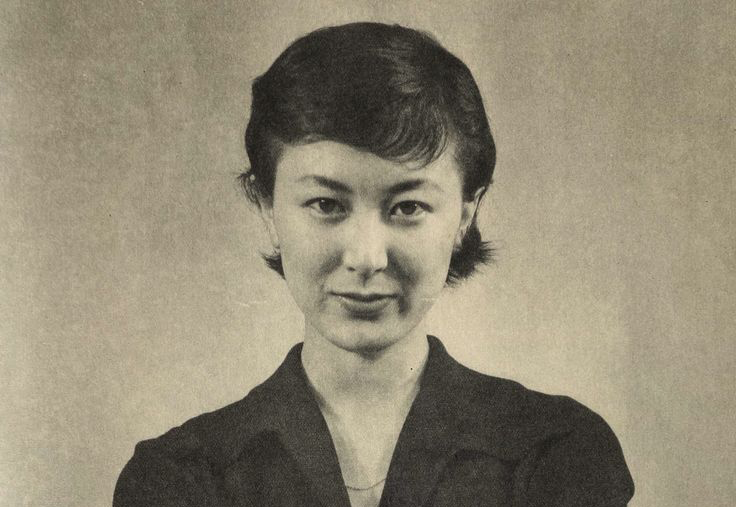
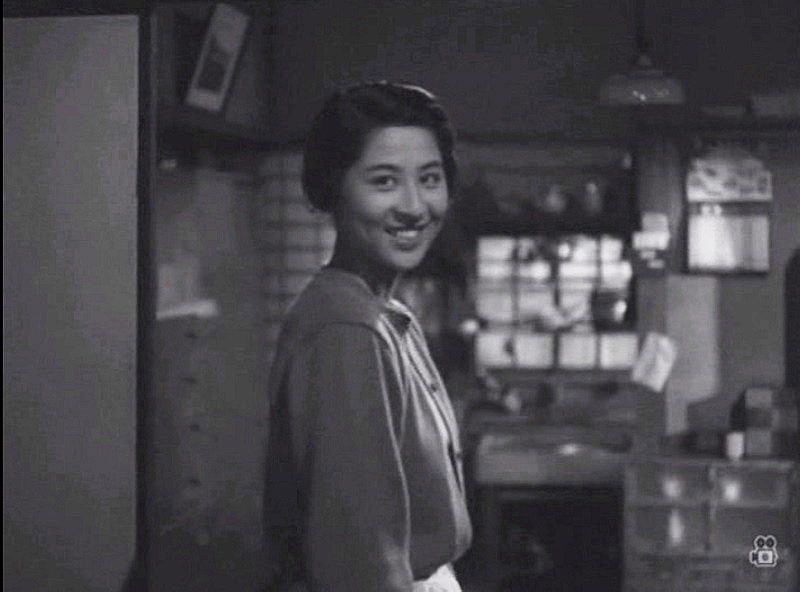
La regia, semplice ed efficace, possiede un fascino insopprimibile, affidandosi al potere ipnotico del suo cast e all’intensità di volti in primo piano. Non stupisce che Kishi fosse adorata dalla folla: la sua Machiko è un’eroina al contempo fragile e instancabile, dalle mille contraddizioni e ripensamenti. Il viso dell’attrice è un infinito paesaggio emozionale, e Machiko è la protagonista di un’intera epoca, una donna che paga con infinite lacrime i tremuli sentimenti di un maschio passivo e irrisolto (Haruki è il classico “nimaime”, l’uomo affascinante ma debole della tradizione giapponese). La cultura patriarcale è di una durezza perversa (si veda, ad esempio, la crudeltà della suocera), ma Machiko sceglie la sofferenza pur di non imporre radicalmente la propria soggettività: è una figura di transizione, che Kishi eleva in una radiosa santità.
Kimi no nawa spesso sembra girato come un sogno febbrile – gli esterni onirici, l’amore tra corolle di fiori, il romanticismo delle nebbie – proprio perché è completamente guidato dal sentire interiore dei protagonisti. Lirico ed evanescente, il film tramuta l’infelicità di un’esistenza in poesia, quasi un haiku di Bashō:
Passa la primavera:
gli uccelli piangono, e agli occhi
dei pesci spuntano lacrime.
Tutti gli articoli sono protetti da copyright: © Marcella Leonardi. Tutti i diritti riservati.
English Version
During a violent air raid on Tokyo in March 1945, the paths of young Machiko and the soldier Haruki cross for the first time. Trapped together through the night, they fall in love, but the following morning, on Sukiyabashi Bridge in Ginza, they are forced to part without even knowing each other’s names, promising to meet again six months later.
When the appointed day arrives, Haruki waits on the bridge, while Machiko is unable to reach him. From that moment begins a long and dramatic sentimental odyssey: Machiko enters an unhappy marriage with Hamaguchi, but the two lovers continue for years to seek each other out, almost meet, and lose each other again, thwarted by misfortune.
The history of cinema has handed down to us almost exclusively the masterpieces consecrated by critics, while tending to forget or regard as marginal those works that belong to popular history: eagerly consumed by every social class, dreamed about and recalled in memory, and capable of shaping a country’s everyday life by defining its collective imagination.
When the What Is Your Name? trilogy (1953-54) was released in cinemas following the hugely popular radio drama of the same name, the response was enormous. Shochiku brought together some of its greatest stars: from the new diva Keiko Kishi to Keiji Sada, the “James Dean of Japan”; from members of the “Ozu team,” Chishū Ryū and Chikage Awashima, to the restless presence of Yumeji Tsukioka, later to appear in Kinuyo Tanaka’s The Eternal Breasts; and Toshiko Kobayashi, co-star, alongside Hideko Takamine, of Kinoshita’s magnificent and delirious Carmen diptych. Surrounded by beloved and familiar faces, audiences followed with trepidation this story of a wonderful love that spans an entire lifetime, strewing it with hopes, disillusionment, tears and renunciation against the backdrop of postwar Japan.
The film was conceived as a trilogy lasting more than six hours, which the director shot rapidly, reusing sets, extending scenes and situations, and adopting a narrative structure that anticipates many mechanisms of modern serial storytelling, in which suspensions, temporal shifts between past and present, and revelatory returns shape an interlocking narrative that keeps the viewer in a state of constant emotional suspense.
In a Japan still shaken by the tragedy of war and emerging from the rubble, the story of Machiko and Haruki and of the secondary characters – young women driven into prostitution, former soldiers reduced to hunger, impoverished widows, girls forced into unhappy arranged marriages and rendered passive by a conservative society – resonated painfully with audiences, who identified with them and became deeply invested in their fates. Kimi no na wa speaks to ordinary people, retracing their recent past and the drama of reconstruction. The entire country seems to hold its breath in unison before the tortuous temporal comings and goings and parallel stories unfolding across the three episodes, made still more poignant by the accompaniment of popular songs, in keeping with the tradition of kayō eiga.
What Is Your Name?, in particular, establishes the coordinates of the surechigai genre – the genre of “missed encounters” – destined to become one of the great archetypes of the Japanese imagination, endlessly reworked in new variations up to the present day. The film focuses on figures destined for sacrifice, offered up to the nation or to family duty, whose lives become bearable through the idea of a supreme and ideal love that is perpetually pursued. The yearning for an impossible union, continually thwarted by circumstance, becomes a driving force for survival and transformation.
In 2001, Satoshi Kon fully grasped the unconscious nature and psychoanalytic power of this mechanism, to the point of quoting the film and offering his own reworking of it in Millennium Actress (photos 1 and 2) whose protagonist crosses decades of her life, reinventing herself through multiple versions of the self, driven by the desire to recover a lost love.
Beneath the guise of a paradigmatic melodrama, Kimi no na wa possesses an almost mystical quality, an intimate idealization of the striving toward attainment as a kind of religion of living. And in a country only recently emerged from war and occupation, the film recovers distinctly Japanese values, setting them against the moral disorientation and abrupt break with tradition of the years of the American presence.
For all its occasional naïveté in staging, the film has a delicate grace of its own: the individual stories – the motherhood of the young Kozue, who gives birth to a blue-eyed mixed-race child, or the fatal generosity of the former soldier Kaseda – are treated with sensitive realism; its anti-militarist tone is explicit and sorrowful, as is its portrayal of women’s social condition, bleak and almost devoid of hope, in a vision that recalls Ozu’s Tokyo Twilight.
The direction, simple and effective, possesses an irresistible charm, relying on the hypnotic power of its cast and the intensity of faces seen in close-up. It is hardly surprising that Kishi was adored by the crowds: her Machiko is at once fragile and tireless, full of contradictions and reversals. The actress’s face is an infinite emotional landscape, and Machiko becomes the heroine of an entire era, a woman who pays with endless tears for the tremulous feelings of a passive and unresolved man – Haruki is the classic nimaime, the handsome but weak man of Japanese tradition. Patriarchal culture is perversely harsh – witness, for instance, the cruelty of her mother-in-law – yet Machiko chooses suffering rather than fully asserting her own subjectivity: she is a transitional figure, whom Kishi elevates to a kind of radiant sainthood.
Kimi no nawa often seems to have been filmed like a fever dream – the dreamlike exteriors, love amid flower petals, the romanticism of mist – precisely because it is entirely guided by the protagonists’ inner feelings. Lyrical and evanescent, the film transforms the unhappiness of a life into poetry, almost a haiku by Bashō:
Spring passing –
birds cry and tears
in the eyes of fish.
All articles are protected by copyright: © Marcella Leonardi. All rights reserved.








Rispondi